WAS Auto
WAS Auto
WAS Auto
Explore our top-performing brake components optimized with specialized surface treatments to withstand Kiribati's hyper-saline atoll environments.
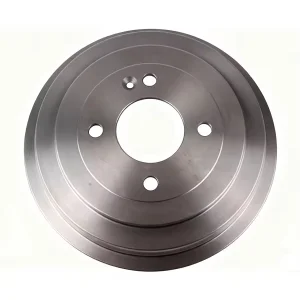
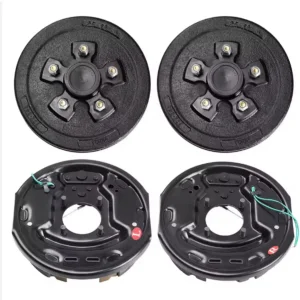
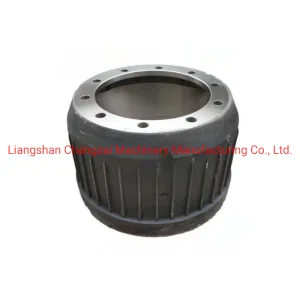
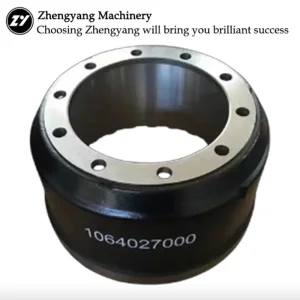
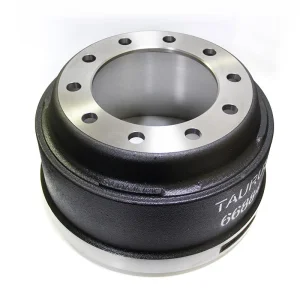
Kiribati, comprising 32 atolls and one raised coral island scattered across the central Pacific Ocean, presents one of the most demanding automotive and heavy-machinery operation profiles globally. The geographical dispersion, coupled with road conditions heavily impacted by high tide flooding and salty ambient air, means municipal transport, port logistics, and commercial trailers face unrelenting exposure to sodium chloride, sand, and humidity.
Standard automotive and truck components imported without specialized corrosion defense deteriorate rapidly. Red rust buildup on raw cast iron brake surfaces leads to uneven pad wear, heat spotting, and premature structural failure. Our specialized manufacturing lines address this environmental pain point directly by engineering brake drums with precise carbon equivalent chemical matrices and high-resistance anti-corrosive barrier coatings.
Furthermore, logistics to hubs like Tarawa require robust export-ready packaging capable of surviving long sea transits. Our cargo undergoes specialized preservation techniques, including VCI (Volatile Corrosion Inhibitor) wrapping and heavy-duty wooden crate containment to ensure components arrive rust-free and ready for installation.
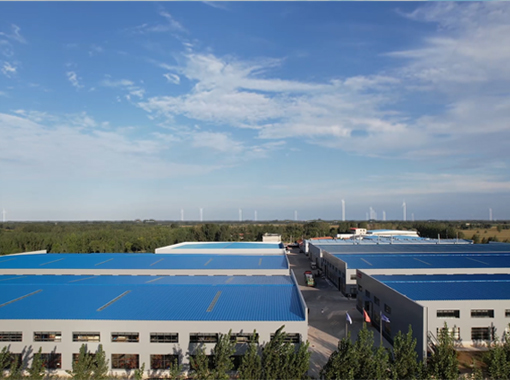
How we align our production lines with global fleet standards to guarantee structural reliability and prompt international delivery.
Utilizing high-tensile HT250/G3000 standards with optimized Pearlitic microstructures. This delivers superior thermal fatigue resistance and prevents mechanical distortion under extreme braking temperatures.
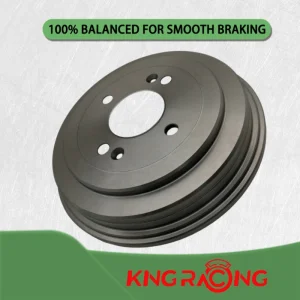
Every brake drum is dynamically balanced to single-digit gram-millimeter tolerances to eliminate vibration, protect axle bearings, and ensure smooth pedal response under heavy payload configurations.
Designed specifically for humid coastal logistics. Options include eco-friendly water-based zinc flake primers and high-temperature black phosphate coatings, complying with ASTM B117 salt-spray standards.
Leveraging 11+ years of manufacturing and material science to secure critical global supply lines.
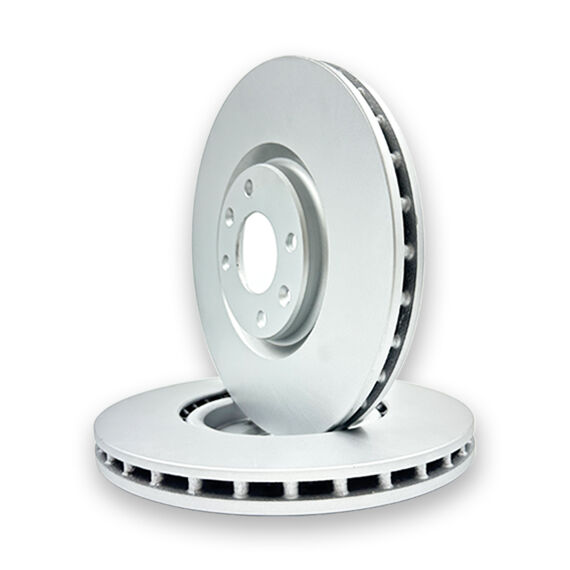
Established in 2014, Shandong WAS Auto Co., Ltd. specializes in the manufacturing of high-quality automotive brake components, including brake pads, brake discs, and brake shoes for all types of passenger and commercial vehicles. Over the years, WAS Auto has developed a variety of advanced formulations, including ceramic, semi-metallic, carbon-ceramic, and NAO (non-asbestos organic) compounds.
Our mission is driven by "Safety, Innovation, and Sustainability." Recognizing the critical importance of braking systems in vehicle safety, we focus heavily on product quality and environmental responsibility. Every product undergoes rigorous testing and quality control to ensure it performs excellently in diverse driving environments, including the humid South Pacific and the rugged logistics corridors of Kiribati.
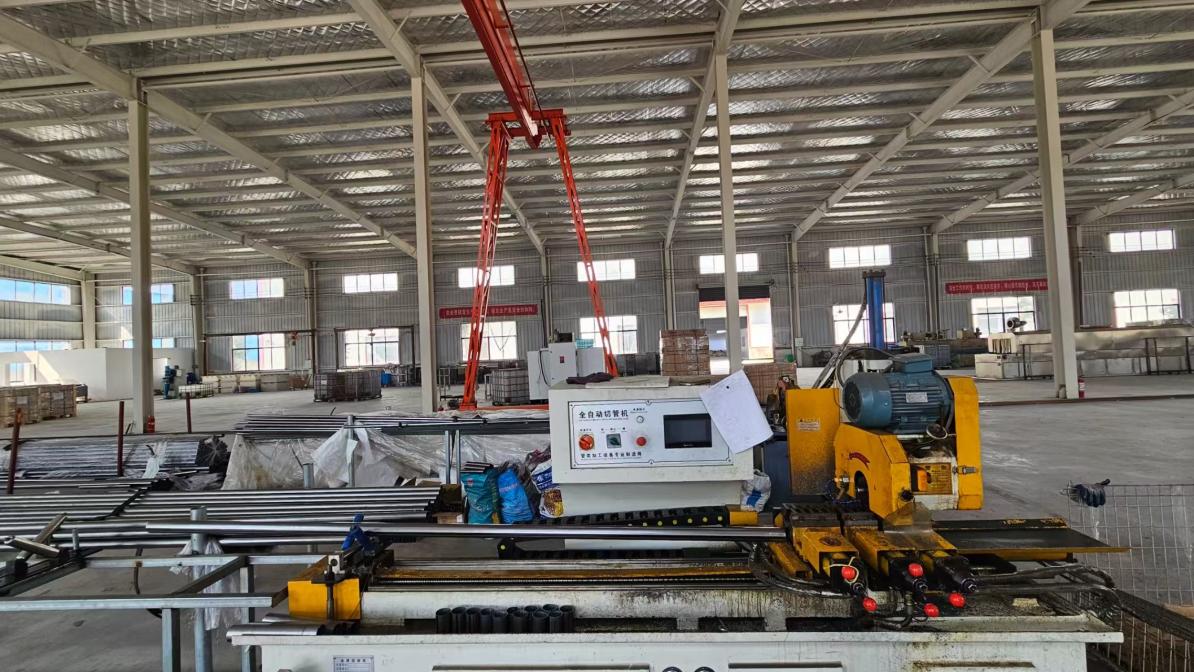
Uncompromising precision at every production stage to guarantee dimensional tolerance and absolute structural safety.
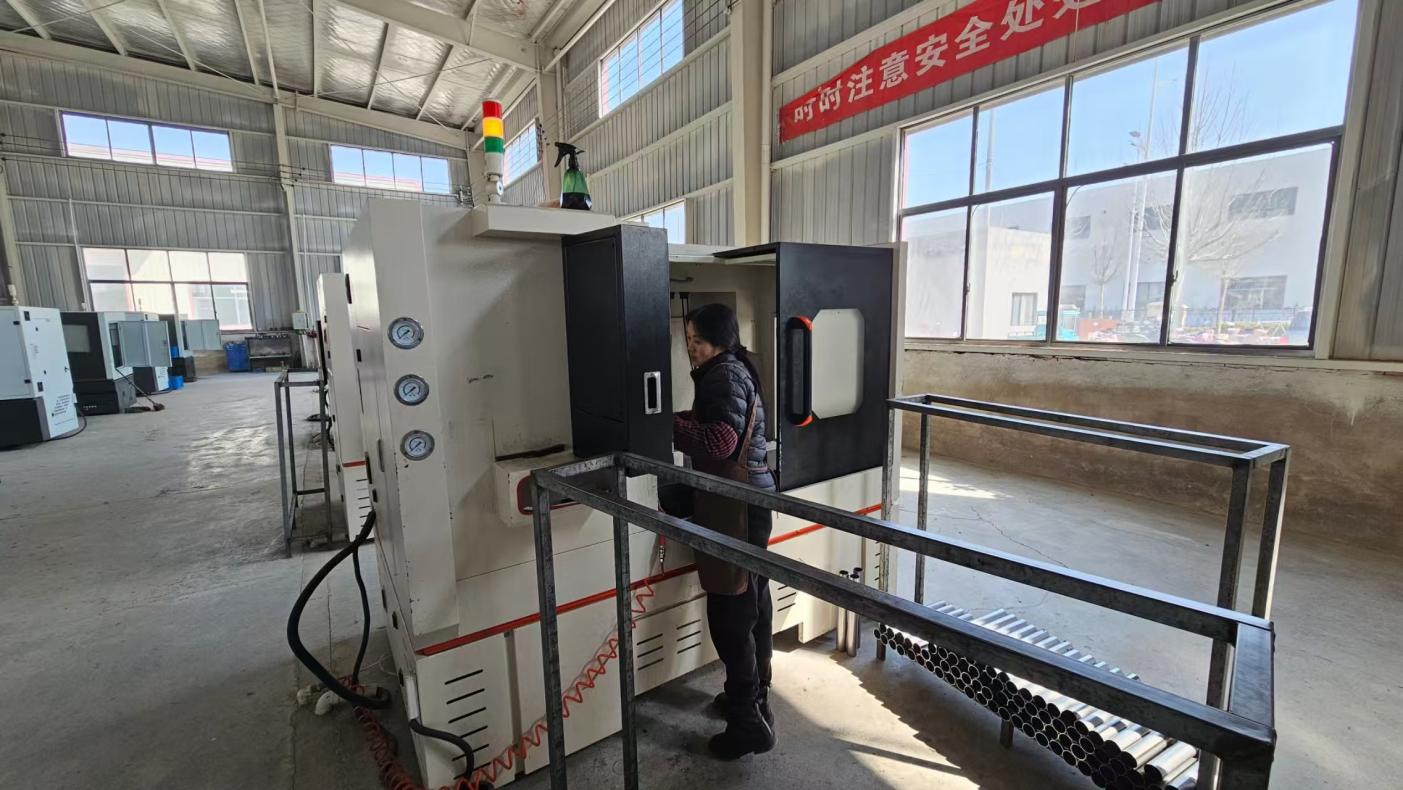
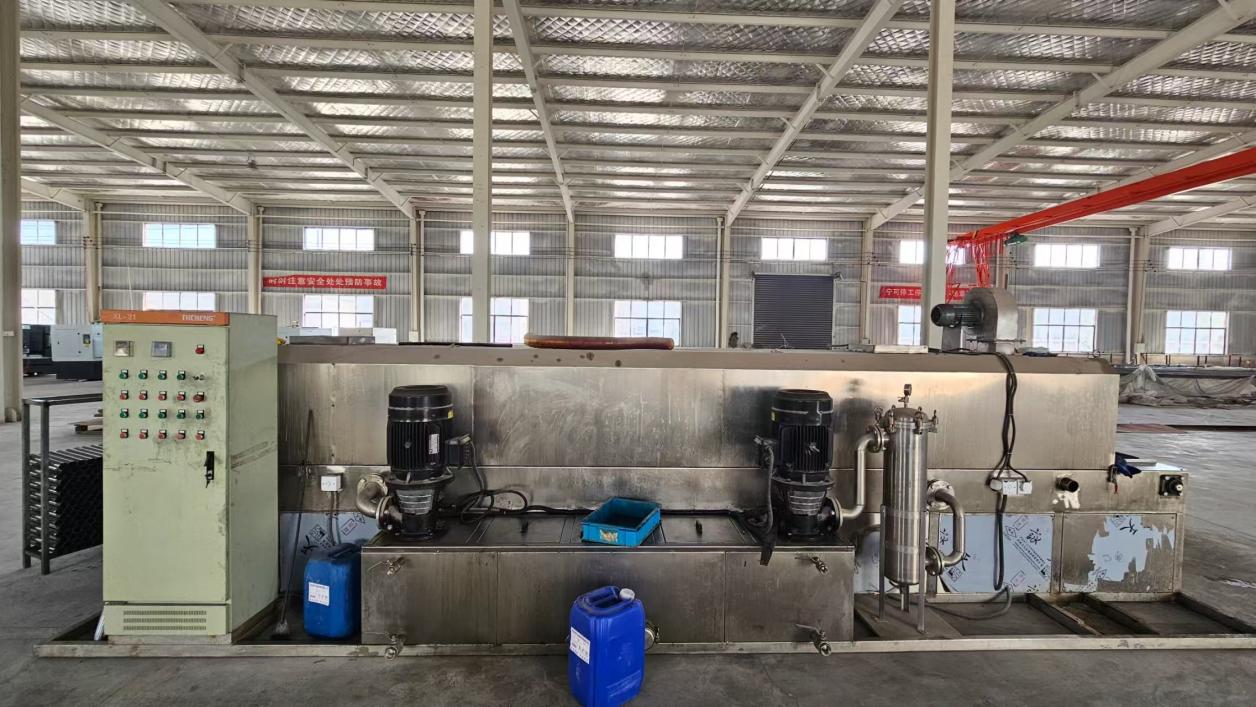
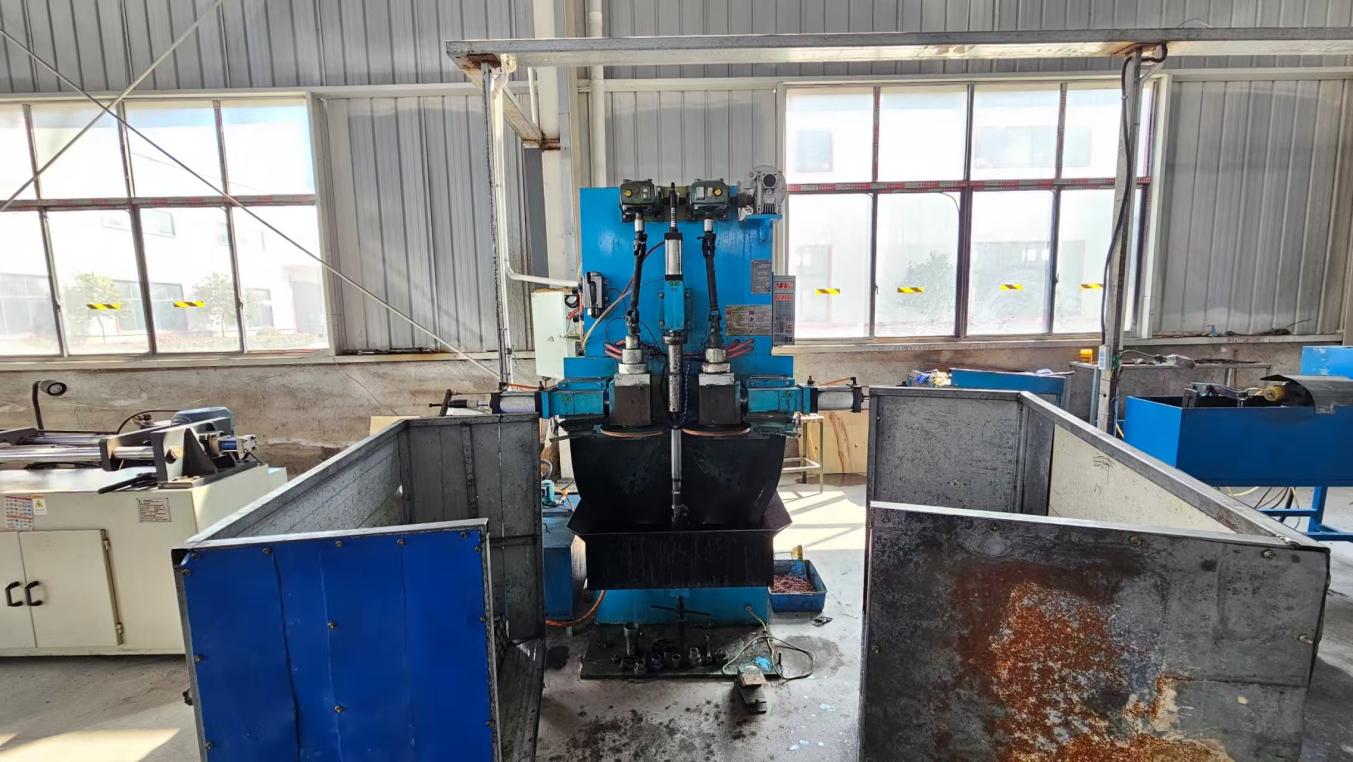
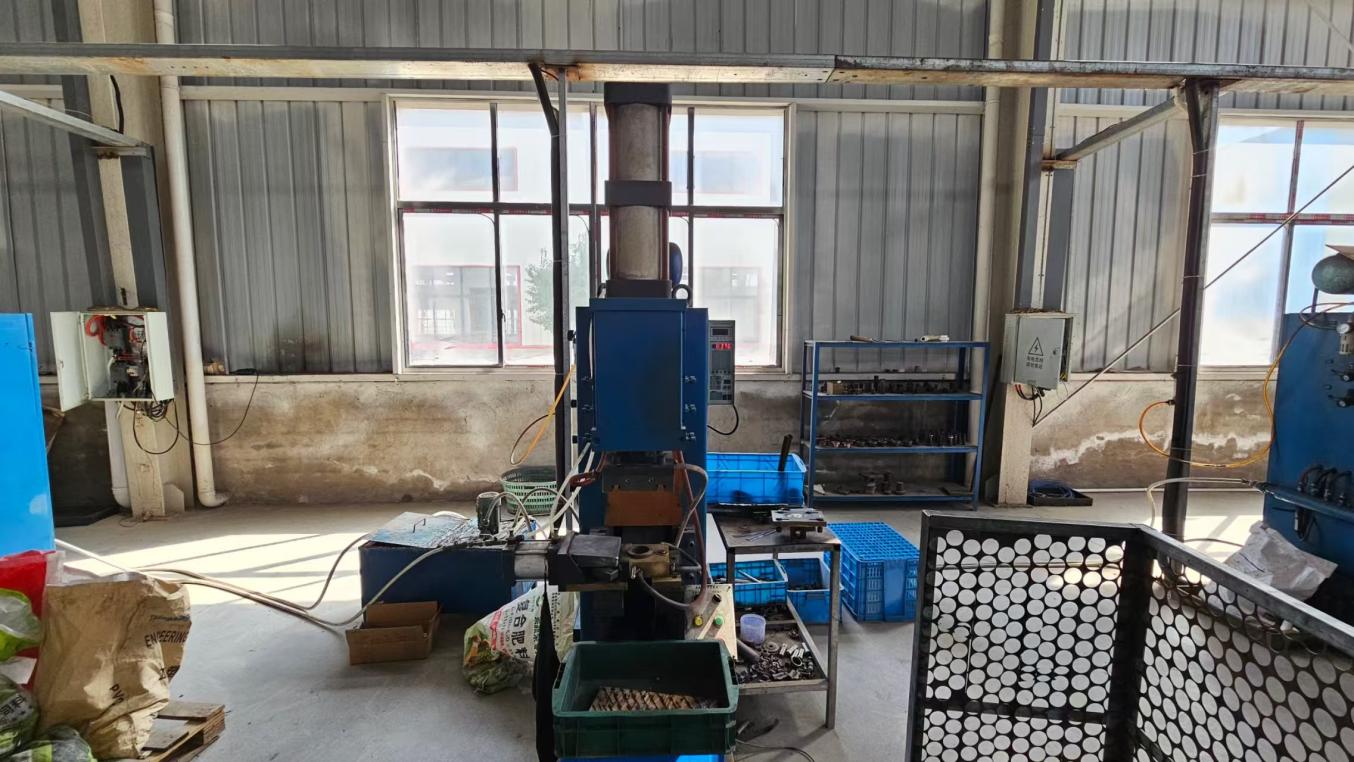
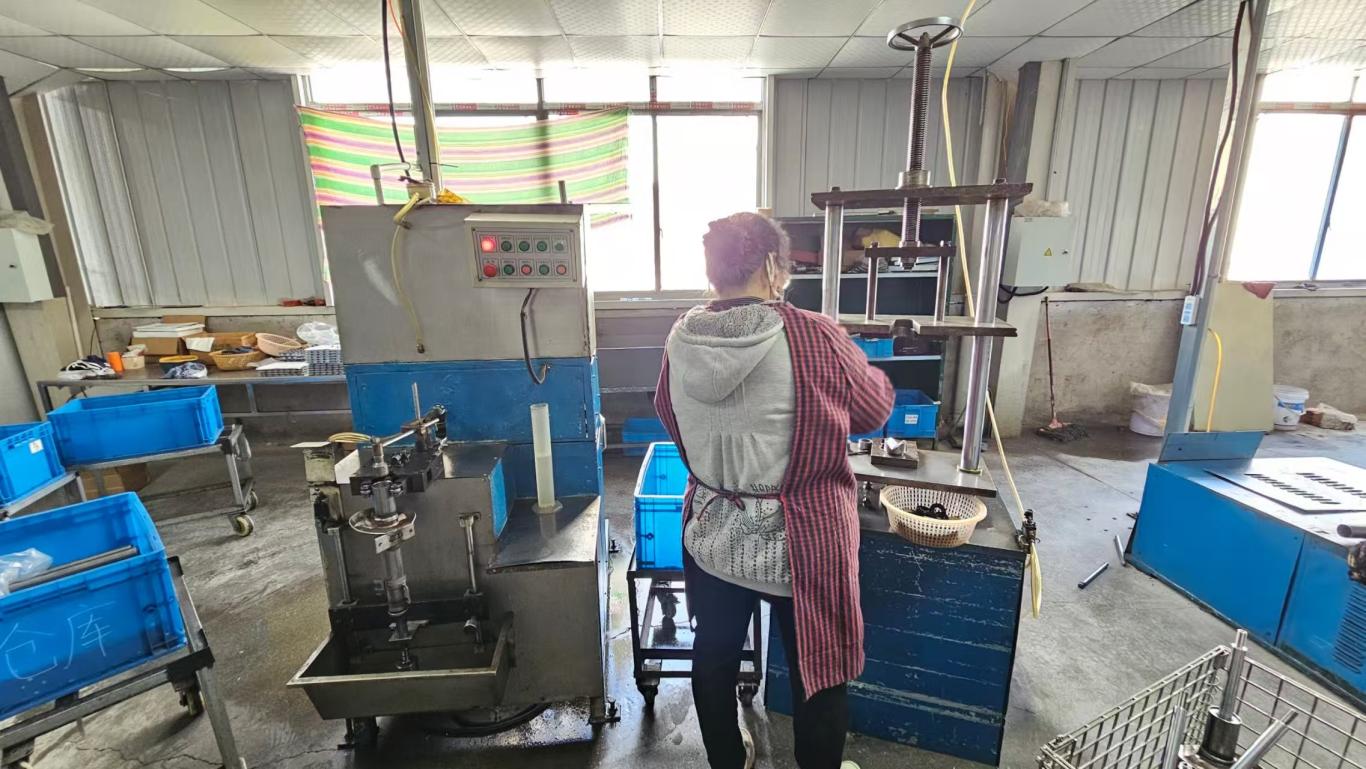
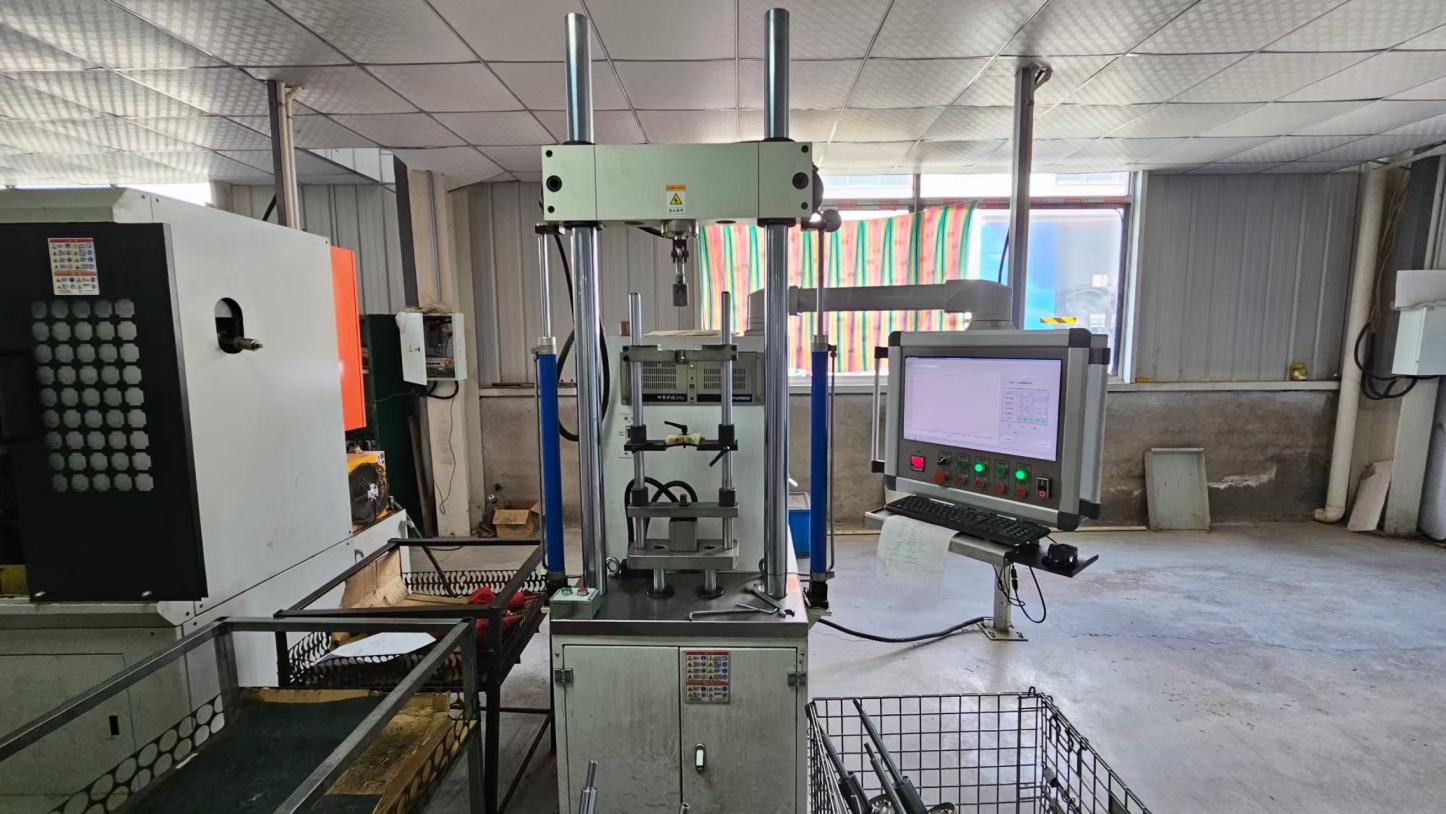
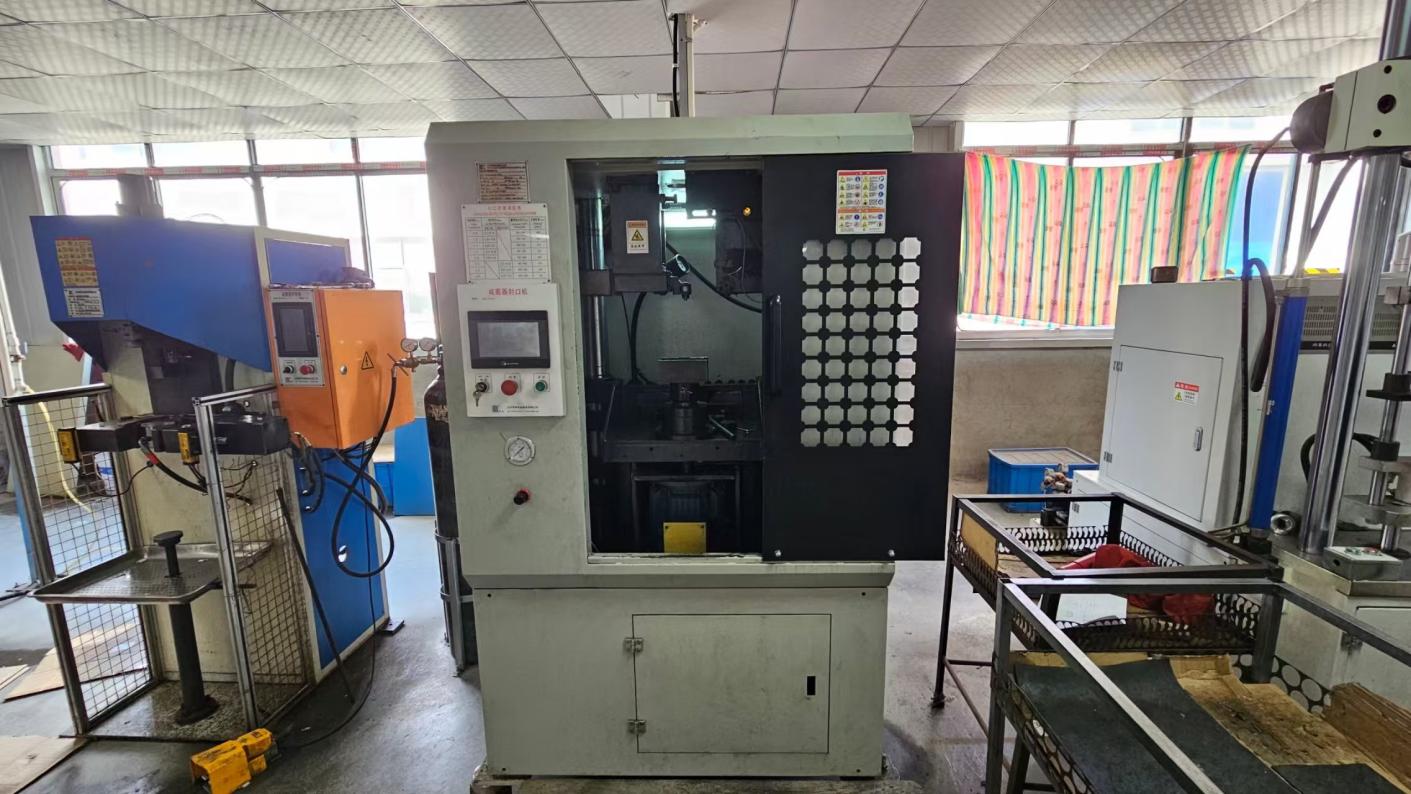
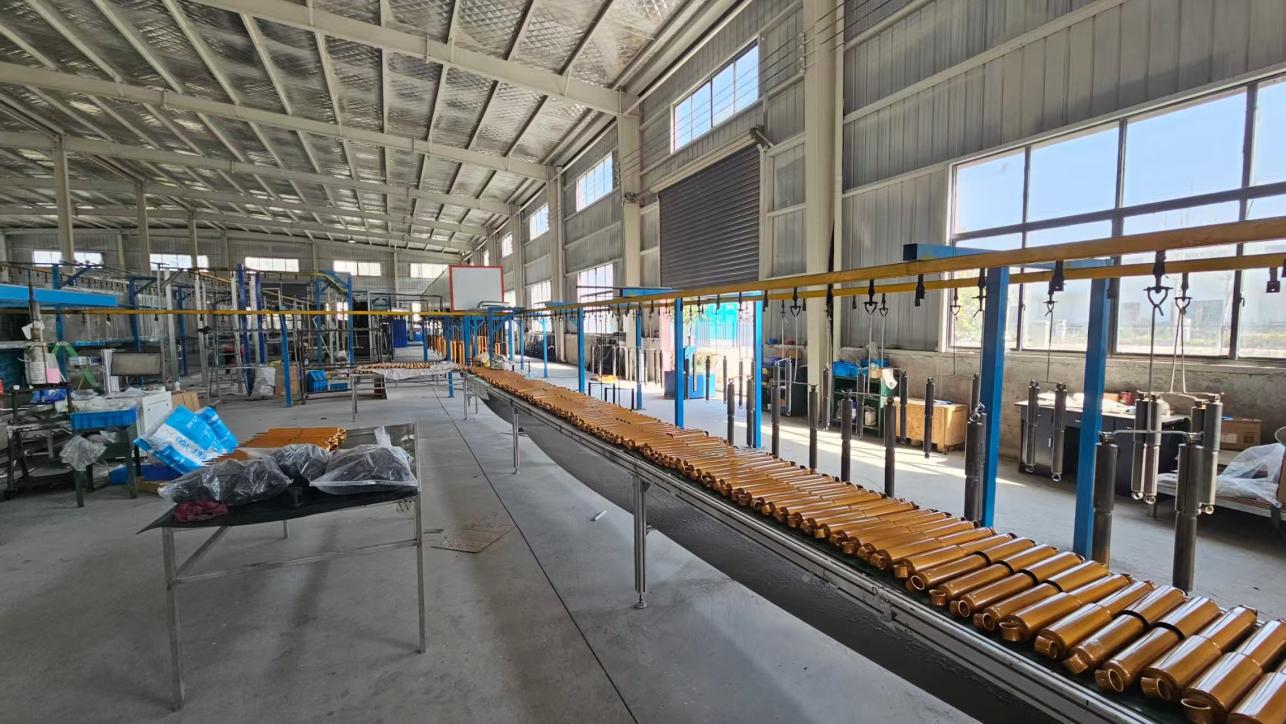
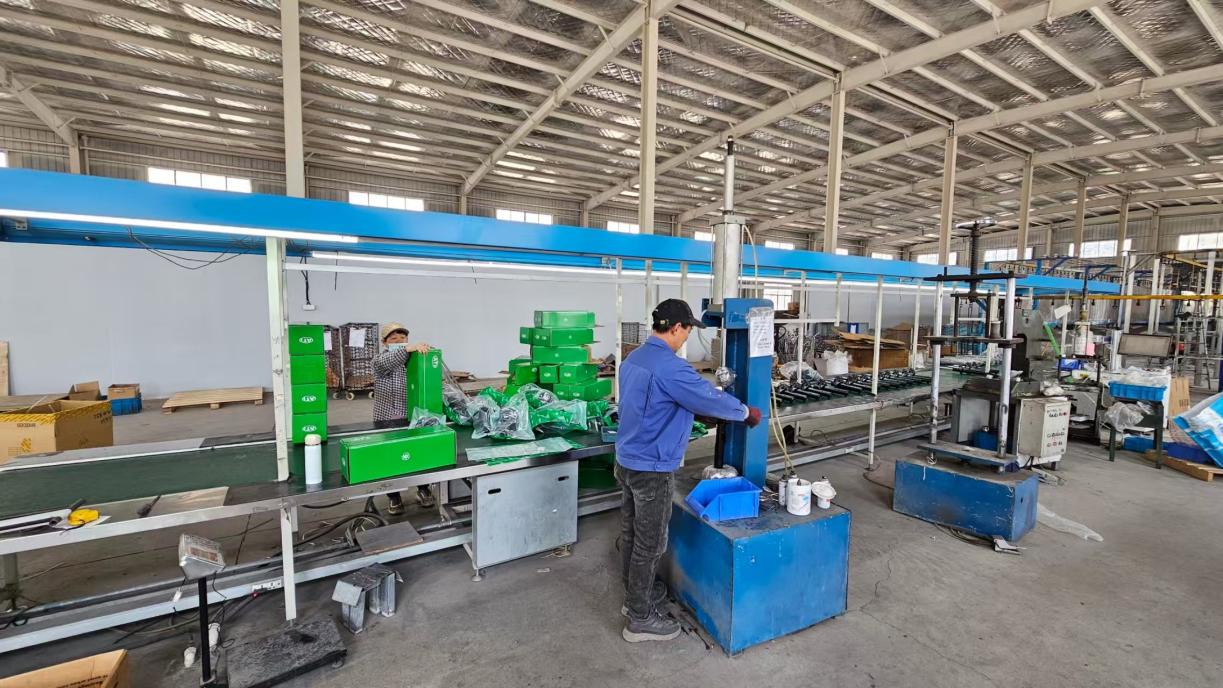
Bridging logistics challenges with specialized regional distribution setups.
Sourcing commercial auto parts for remote microstates like Kiribati demands thorough knowledge of maritime routes. We operate established shipping routes from major ports in Shandong (Qingdao) directly linking to transshipment points in Fiji (Suva) and Australia (Brisbane), before reaching Betio Port in South Tarawa.
Maintaining fleets in Remote Island communities requires direct engineering support. Shandong WAS Auto Co., Ltd. provides installation guidelines, diagnostic wear charts, and replacement schedules translated for local garage mechanics to optimize safety margins and reduce downtime.
Get Logistics Support PlanInnovating lighter, stronger, and more resilient braking materials designed for zero-carbon logistics.
Transitioning our casting processes to electric induction furnaces powered by renewable energy sources, significantly reducing the carbon footprint of structural cast parts.
Testing hybrid grey-iron ceramic matrices to increase dynamic friction coefficients and heat dissipation while reducing overall drum weight by up to 15%.
Integrating chemical thermal indicators on the drum exterior, helping operators instantly spot brake overheating during heavy vehicle operation.
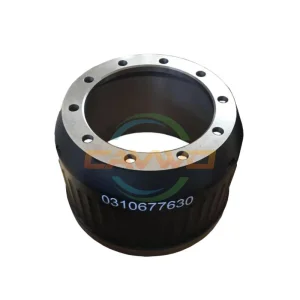
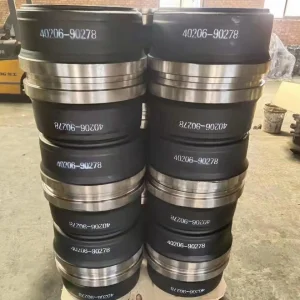
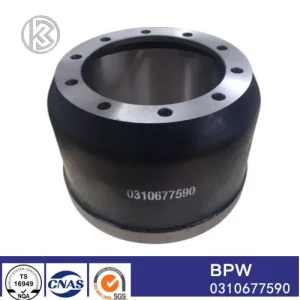
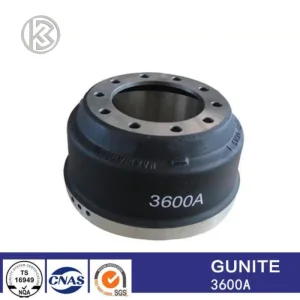
Engineered to handle severe loads, high torque, and rugged operations across South Pacific transport systems.
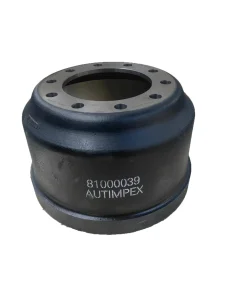
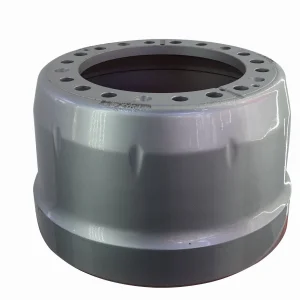
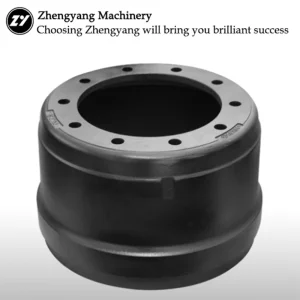
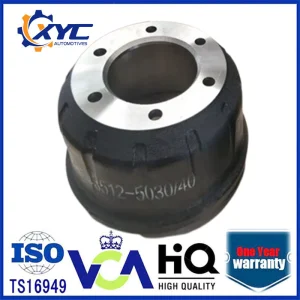
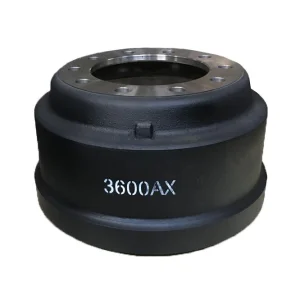
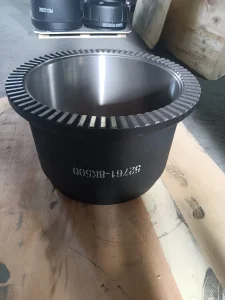
Technical clarifications, shipping methods, and customization options for procuring brake drums in the South Pacific.