WAS Auto
WAS Auto
WAS Auto
High-performance custom brake system elements engineered for global automotive, industrial, and heavy-duty applications.
Exploring the systemic transition from mechanical wear notification to electronic smart sensing architectures in global fleets.
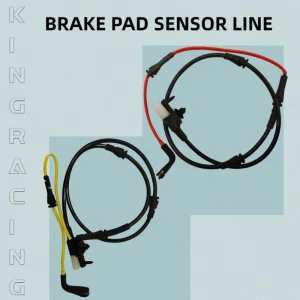
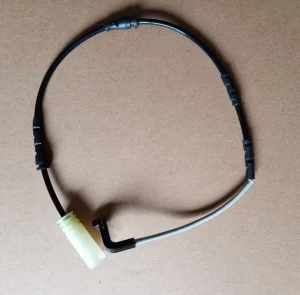
The transition from traditional mechanical acoustic squealers to electronic, continuous-resistance brake wear sensors represents a critical advancement in automotive active safety. Traditional mechanical wear indicators rely on high-hardness spring steel tabs that contact the brake rotor at a predetermined friction material thickness, generating a high-frequency acoustic warning. Modern applications require real-time telematics data to predict maintenance cycles, driving the demand for multi-stage electronic sensors that communicate directly with the vehicle’s ECU.
High-reliability brake wear sensors must withstand extreme environmental conditions under the chassis, including chemical de-icing agents, high-temperature thermal radiation during deceleration (exceeding 600°C at the pad face), and mechanical vibration. We utilize specialized engineered plastics such as Polyphenylene Sulfide (PPS) and Polyamide 66 (PA66) reinforced with glass fibers to manufacture sensor housings, ensuring dimensional stability and thermal resistance. Concurrently, the electrical lead wires are jacketed in high-durability Silicone or EPDM rubber to resist moisture ingress and stone impact.
With the rise of Electric Vehicles (EVs) and autonomous transport networks, the dynamics of brake wear have changed dramatically. Regenerative braking systems reduce mechanical brake usage, extending pad lifespan but exposing the braking hardware to prolonged moisture and corrosion cycles. Electronic wear indicators are now tasked with providing high-accuracy readings despite infrequent friction events. Smart sensors must continuously report integrity status to avoid failure from oxidation, necessitating a shift toward robust, sealed digital communication interfaces.
How procurement heads evaluate and mitigate risk when selecting international OEM/ODM brake component partners.
For B2B procurement managers and Tier-1 automotive system integrators, selecting a brake wear indicator manufacturer involves verifying compliance with strict international automotive standards. The baseline requirement is IATF 16949 certification, which governs defect prevention and continuous improvement processes in the automotive supply chain. Furthermore, components must adhere to OE performance specifications such as SAE J2468 (for electrical wear sensors) and ECE R90 (governing brake components in the European market).
Supply chain security has become as critical as technical performance. Buyers are shifting from single-source dependencies to resilient, geographically diverse partnerships that offer high manufacturing capacity and robust inventory management. High-volume export operations require manufacturers to provide comprehensive traceability, including batch-coded components and automated functional test logs, ensuring that any quality deviation can be localized and mitigated before impacting the assembly line.
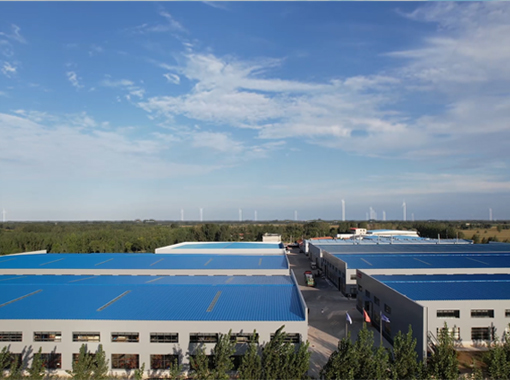
Leveraging smart manufacturing, automated quality control, and deep manufacturing infrastructure for global scale.
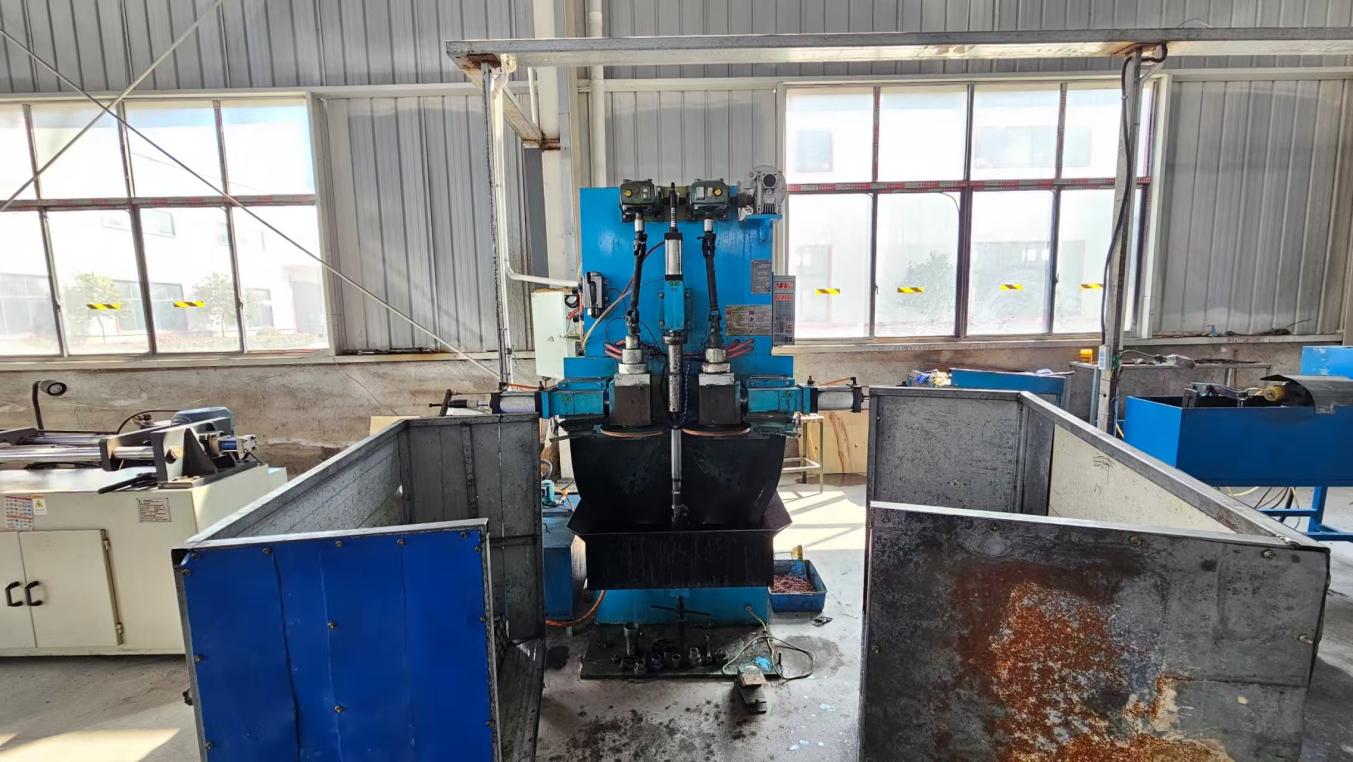
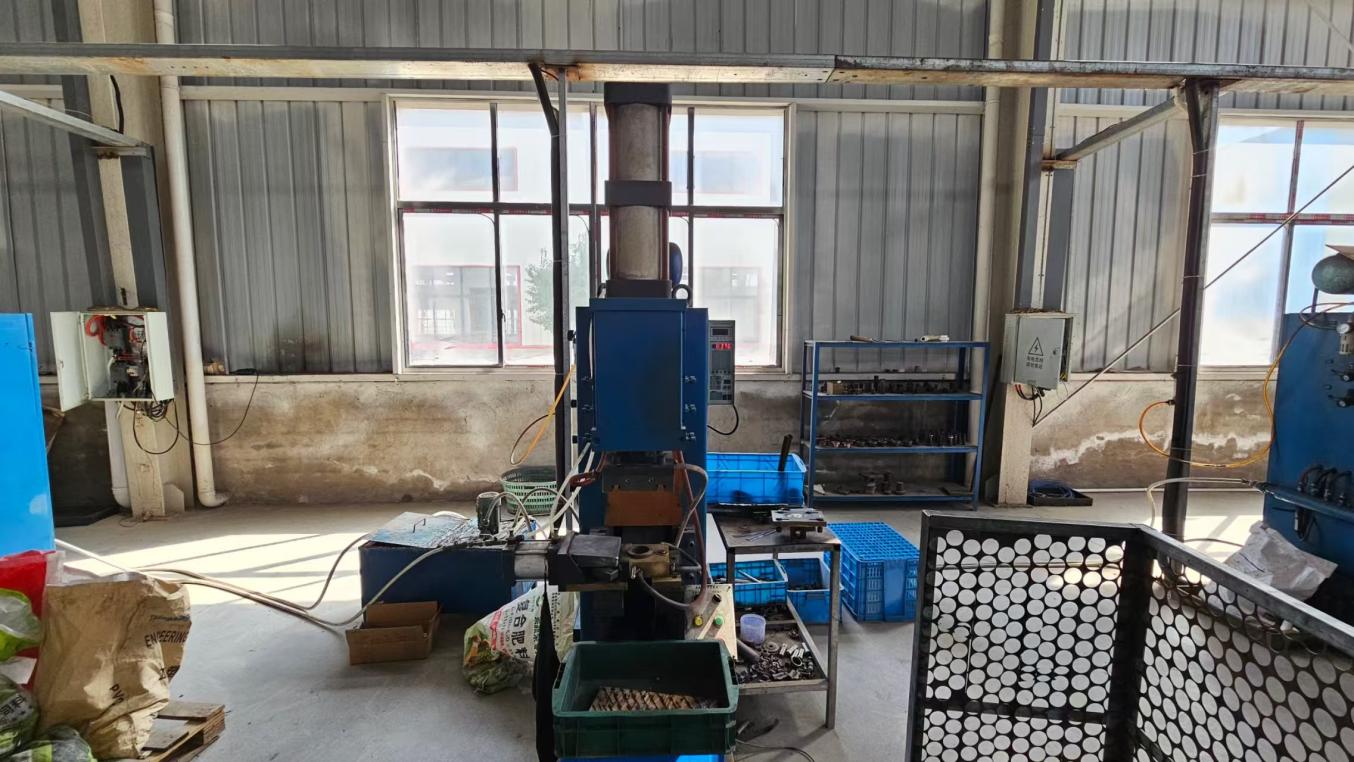
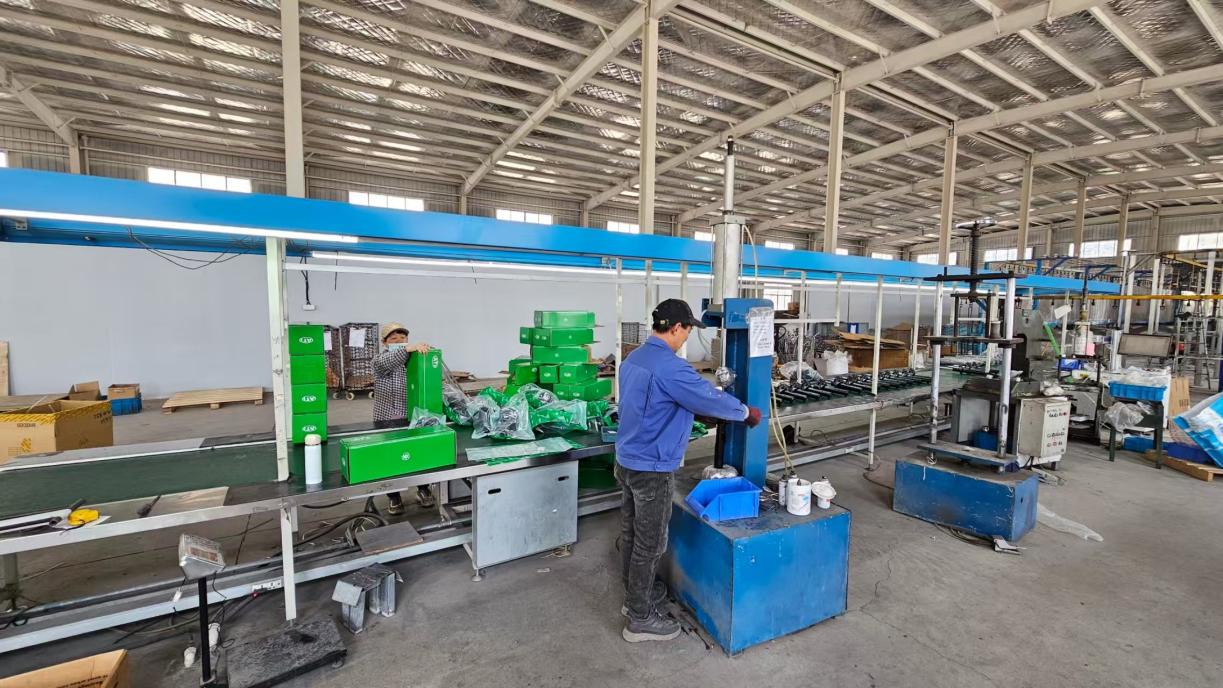
Automated assembly lines ensure consistency across millions of units. Our production process utilizes high-speed automated winding, precision wire stripping, and laser-welding systems that eliminate manual assembly variances. Laser-welding copper contacts to the sensor pins ensures low electrical contact resistance, preventing false dashboard warnings due to signal attenuation.
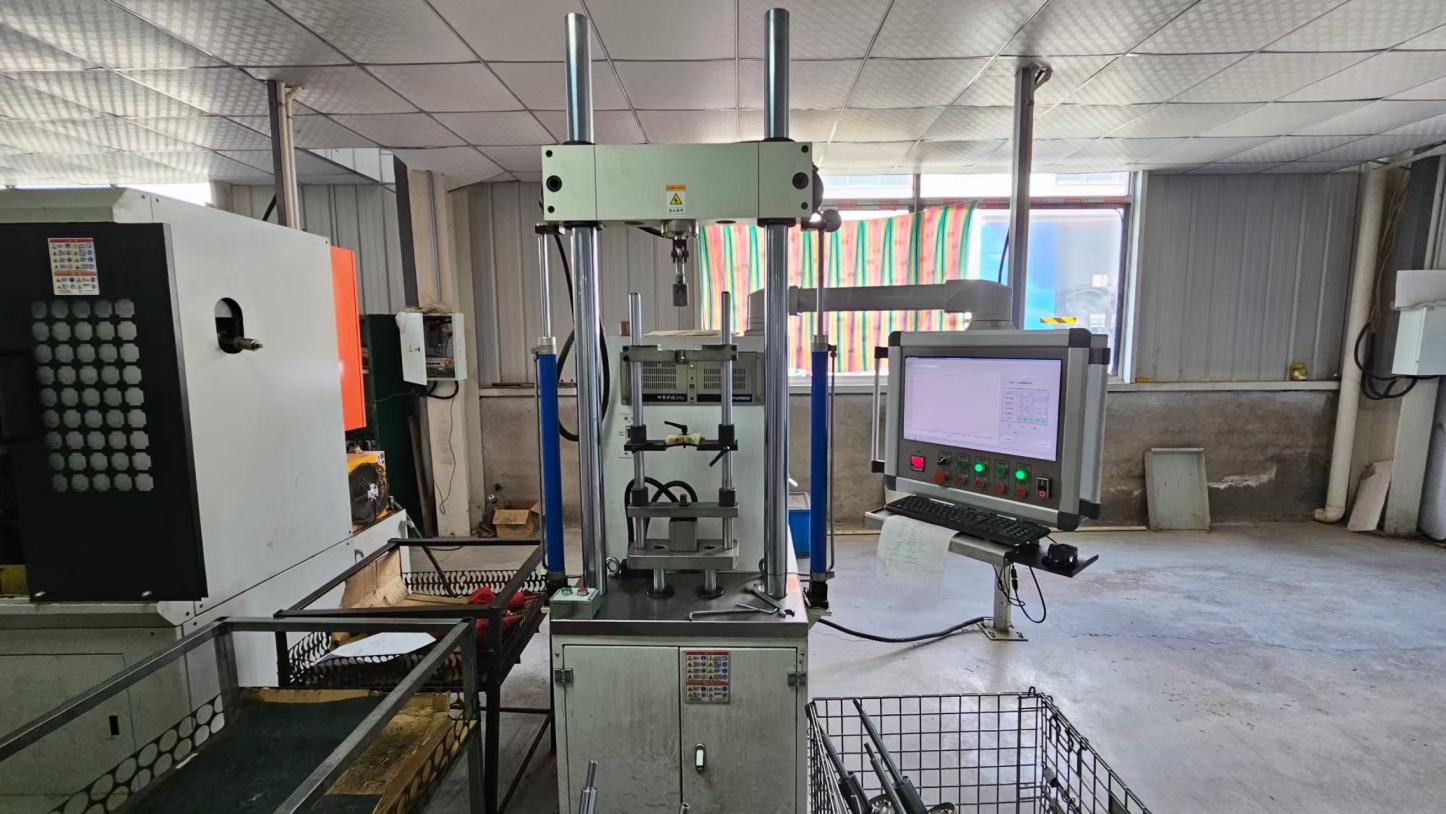
Quality control is integrated directly into the automated assembly process. Each sensor undergoes automated resistance checking, insulation testing, and dimensional scanning using high-resolution vision systems. By utilizing automated optical inspection (AOI), we identify micro-cracks in housing materials and solder defects instantly, enforcing a zero-defect policy prior to packaging.
China's automotive ecosystem offers a robust network of raw material refiners, specialized mold makers, and logistics centers. This density allows our manufacturing facility to quickly scale production from prototyping to high-volume runs. We maintain raw material buffers and utilize modular molding tools to deliver short lead times for custom ODM designs.
A premier manufacturer and exporter of automotive friction systems and electronic sensor accessories.
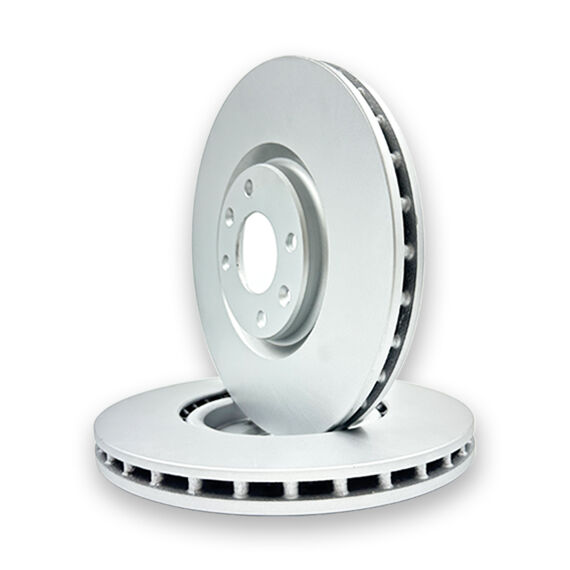
Shandong WAS Auto Co., Ltd. was established in 2014, specializing in the manufacturing of high-quality automotive brake components, including brake pads, brake discs, and brake shoes for all types of passenger vehicles. Over the years, WAS Auto has developed a variety of advanced brake pad formulations, including ceramic, semi-metallic, carbon-ceramic, and NAO (non-asbestos organic). Our products are known for their excellent high-temperature resistance, outstanding wear resistance, low noise, minimal dust, and consistent quality, ensuring reliable braking performance in all driving conditions.
Our Mission and Values: At WAS Auto, we are driven by our mission of "Safety, Innovation, and Sustainability." We are committed to providing global automotive users with efficient, eco-friendly, and dependable braking solutions. Recognizing the critical importance of braking systems in vehicle safety, we focus not only on product quality and performance but also on environmental responsibility and technological innovation. Every product undergoes rigorous testing and quality control to ensure it performs excellently in diverse driving environments.
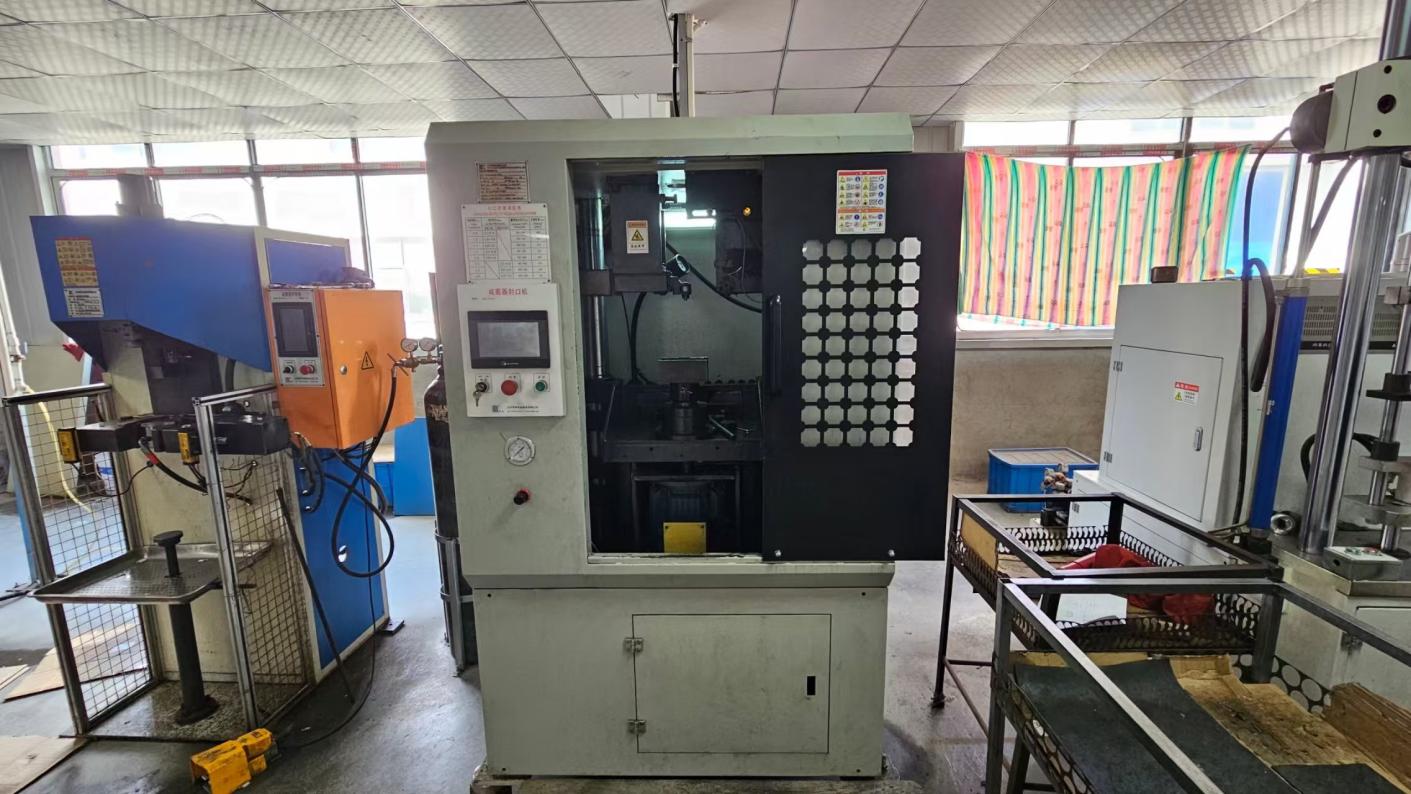
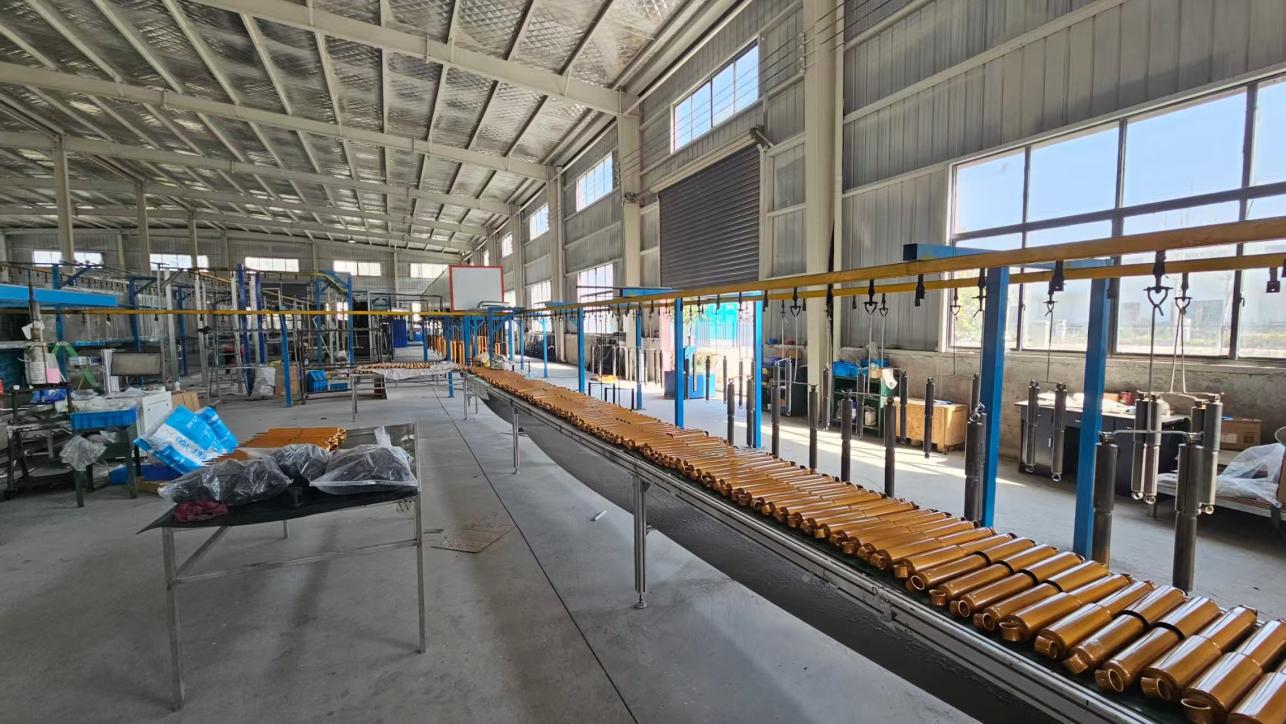
Our Technology and Production Capabilities: Our manufacturing facility is equipped with 80 hot pressing machines, 5 automated spraying lines, and precision grinding equipment, all integrated into a fully automated production system. This advanced production infrastructure allows us to maintain strict quality control, optimize production efficiency, and meet the highest industry standards. With these capabilities, we are able to handle large-scale production while ensuring each product meets our exacting standards of excellence.
Global Reach and Market Expansion: Over the past 11 years, WAS Auto has steadily expanded its presence in international markets. Our products are now exported to regions including the Middle East, East Asia, North America, and South America, and have earned positive reviews and trust from our customers. We not only meet the demands of these markets with strict quality standards but also offer customized solutions tailored to the unique needs of each region. Our products are widely used in various sectors, including passenger vehicles, commercial vehicles, and high-performance racing cars.
Innovation and Sustainability: We recognize that innovation is the driving force behind industry progress. WAS Auto continuously invests in research and development to enhance the performance and technology of our brake products. Our R&D team works closely with domestic and international universities and research institutions to explore new materials and technologies, ensuring our products are at the forefront of the industry. Additionally, we actively adopt green manufacturing practices to reduce energy consumption and emissions, contributing to a more sustainable future.
Future Outlook: Looking ahead, WAS Auto remains committed to our core values of "High Quality and Customer Focus." We will continue to improve our product technology and service levels, expand our presence in international markets, and contribute to the safety and sustainability of the global automotive industry. We look forward to working with more partners worldwide to create a brighter future for the automotive industry.
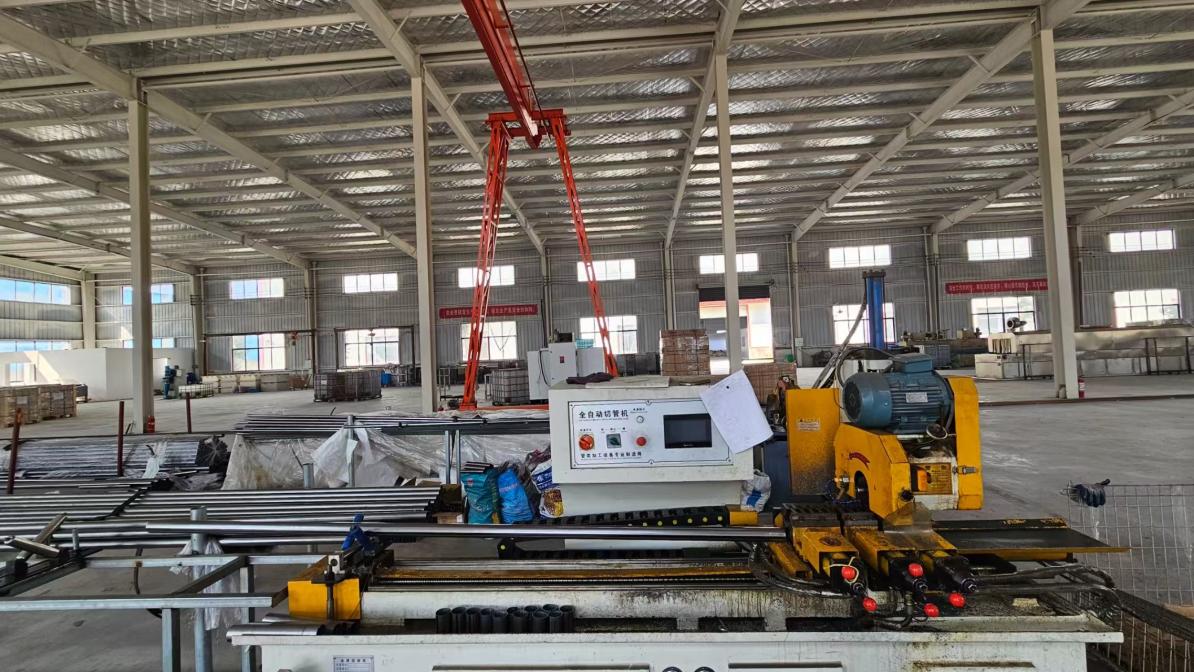
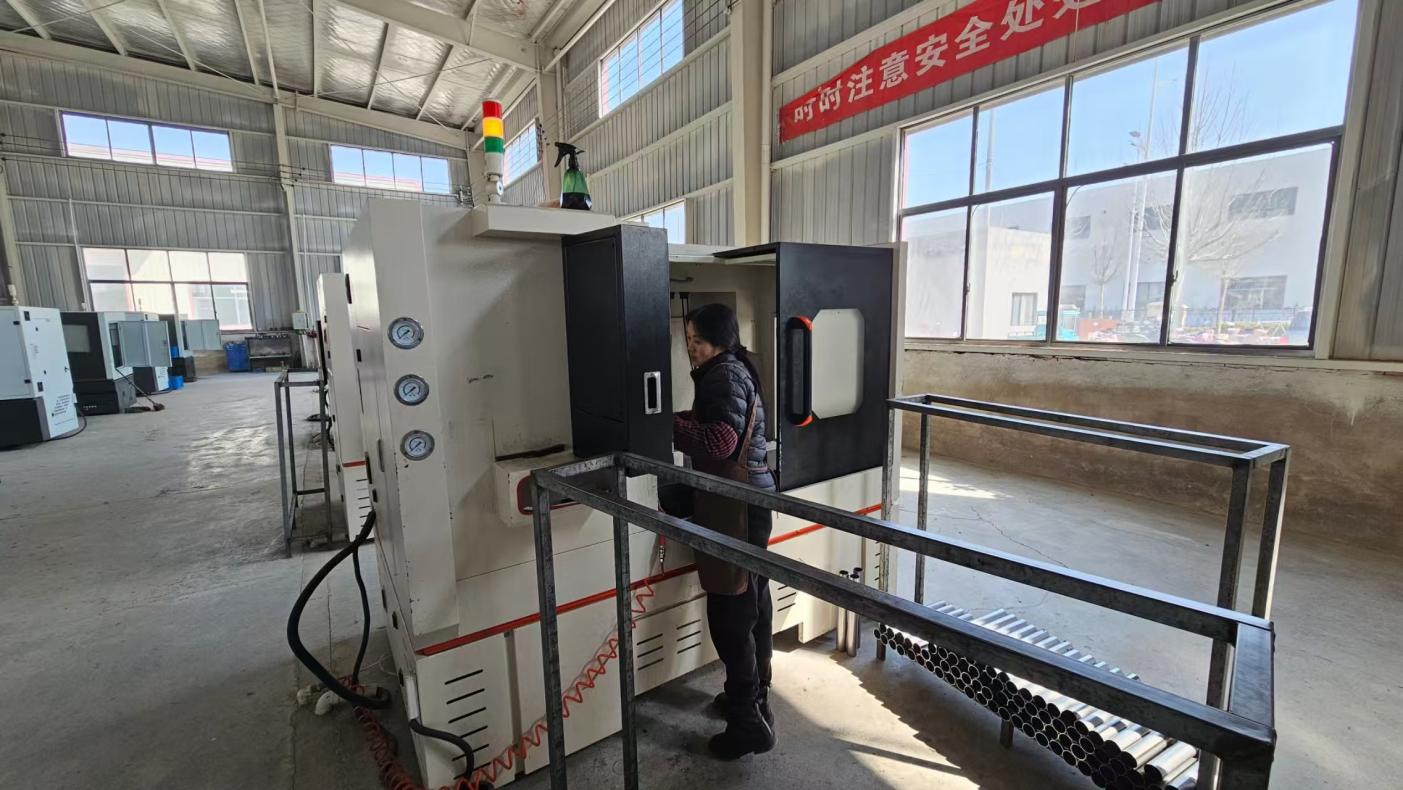
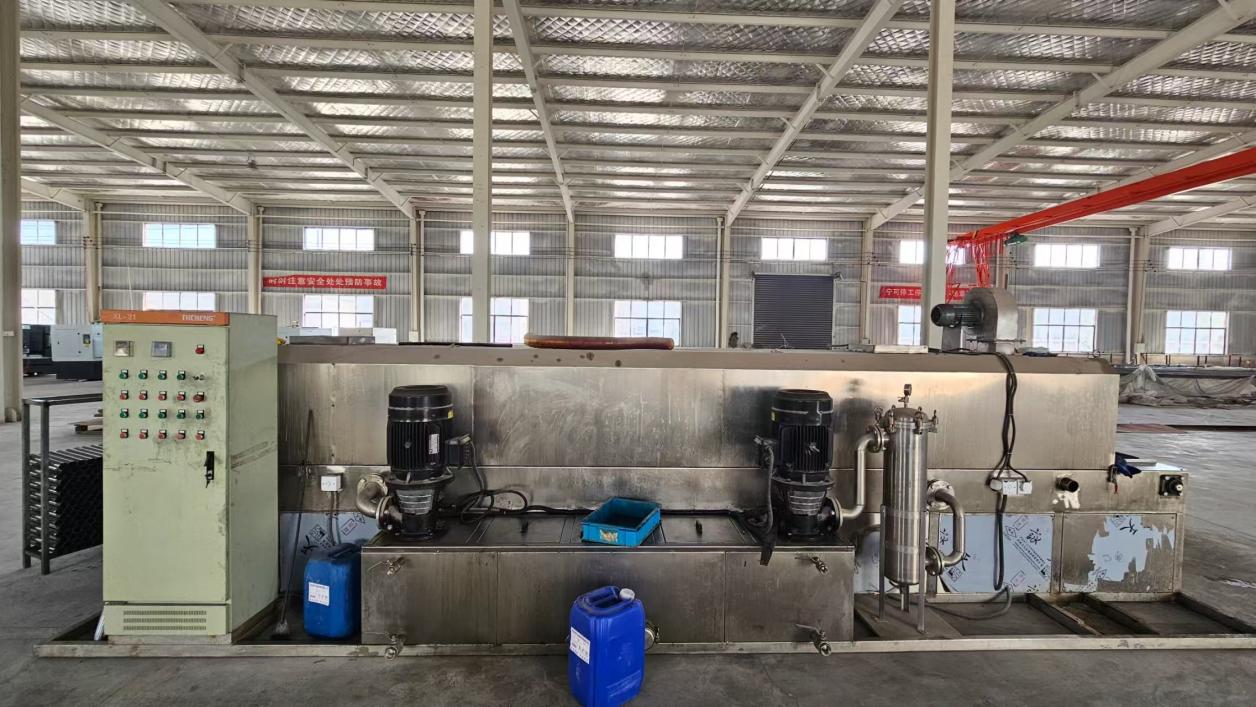
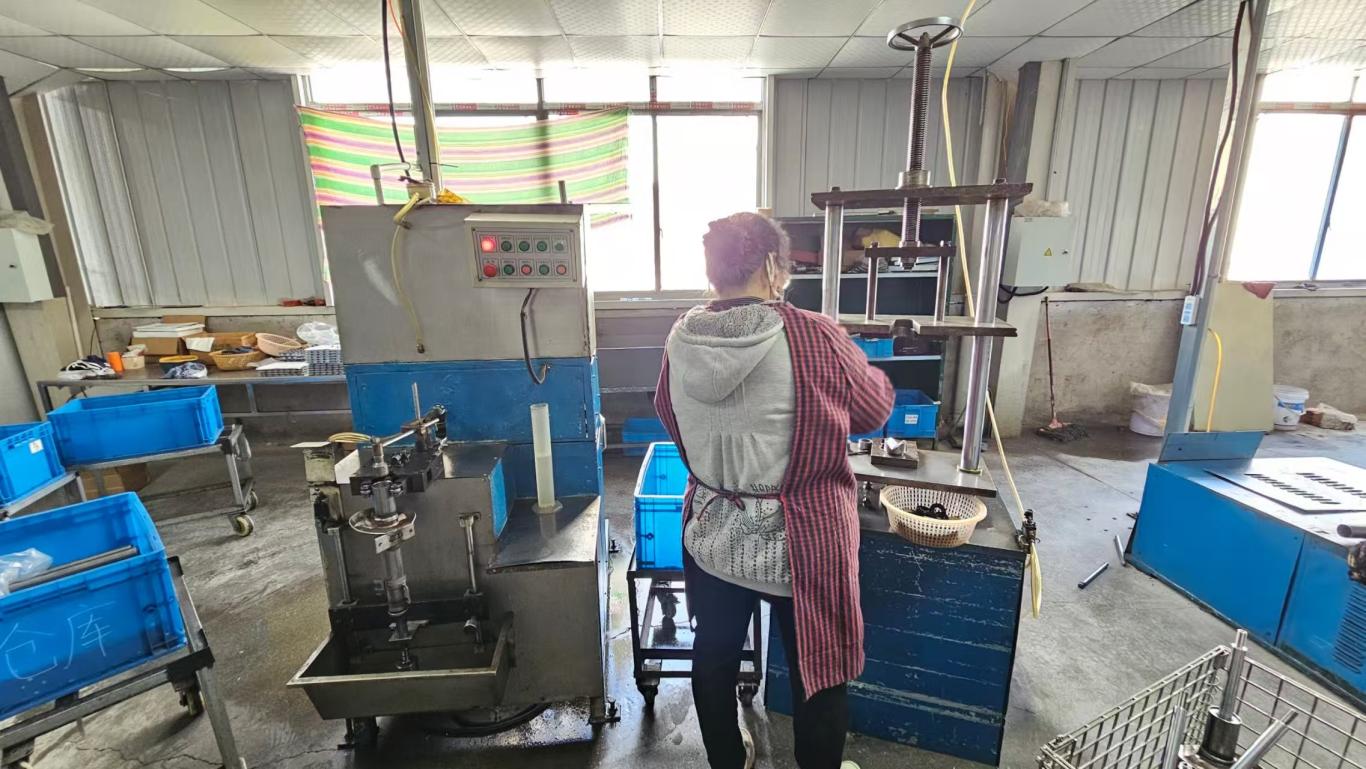
A step-by-step visual exploration of our specialized production processes, ensuring strict quality control from raw materials to final packaging.
How our brake wear systems perform under diverse environmental demands and localized industry applications.
Commercial shipping fleets operating in high-corrosion zones (such as coastal areas or winter-salted roads in Europe and North America) rely on our heavy-duty wear sensors. These components are protected by IP68-rated housings to prevent salt-water ingress, helping logistics managers avoid unexpected down-time and plan brake replacements during scheduled maintenance windows.
For high-performance sports cars and European passenger vehicles, heat management is critical. During repetitive deceleration from high speeds, brake discs can experience thermal spikes that deform inferior sensors. Our ceramic brake pads and companion sensors are rated to operate continuously at elevated temperatures, maintaining electrical resistance values for precise dashboard alerts.
Electric delivery vans operate in stop-and-go urban traffic, utilizing regenerative braking that generates low heat. This requires sensors capable of self-cleaning contact surfaces. Our electronic wear components feature dynamic resistance sweeps that remain accurate even when exposed to minimal mechanical force, preventing false warning signals in urban delivery fleets.
Expert technical answers to critical design, supply chain, and procurement questions for engineering teams.
Additional premium auto spare parts and hydraulic control elements engineered for global distributors.