WAS Auto
WAS Auto
WAS Auto
Optimized for rental fleets, coastal commercial transport, and extreme operating humidity in Mahe, Praslin, and La Digue.
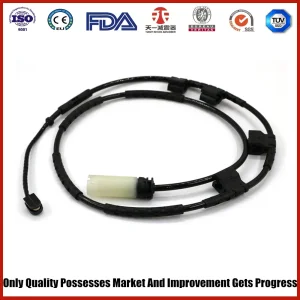
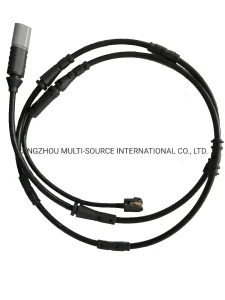
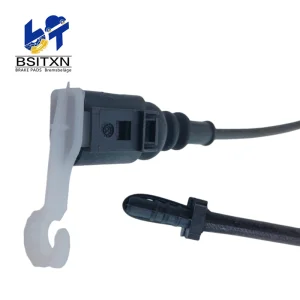
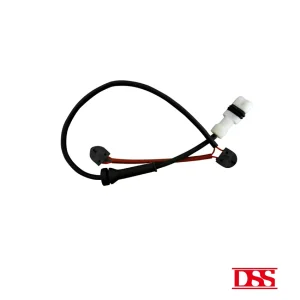
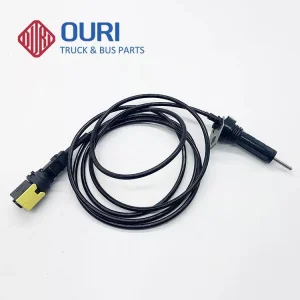
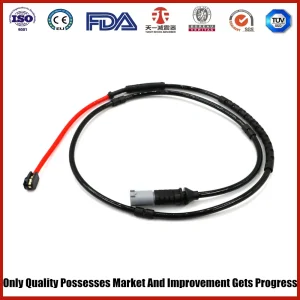
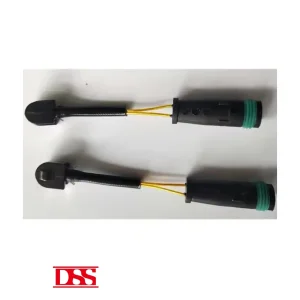
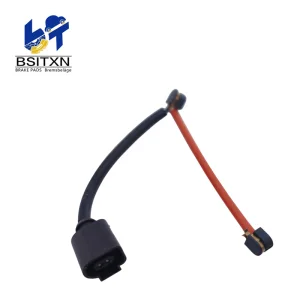
The global automotive industry is witnessing a transition from traditional friction-material diagnostics to integrated smart-braking networks. Once simple open-loop electrical contacts, modern brake wear indicators are critical components in Vehicle Dynamic Control (VDC), Advanced Driver Assistance Systems (ADAS), and Electronic Brakeforce Distribution (EBD). In modern vehicles, early detection of pad wear is not merely a convenience—it is a baseline parameters constraint for active collision-mitigation systems.
Industrial Insight: The global automotive sensor market is projected to reach USD 45 billion by 2028. Sensor resilience under severe climatic stress has become the core metric for manufacturing reliability.
For high-performance luxury SUVs, electric vehicles (EVs), and medium commercial transport, manufacturers must develop brake sensors utilizing polyphenylenesulfide (PPS) polymers capable of sustained exposure to 350°C and resistance against moisture penetration (IP67/IP69K sealing standard). This global benchmark is particularly critical for markets characterized by isolated logistics and aggressive microclimates.
How the unique marine atmosphere and geographical landscape of the archipelago dictate component engineering.
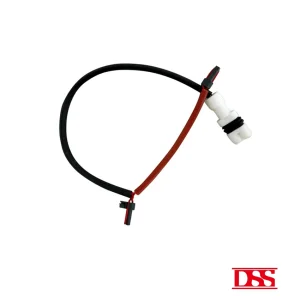
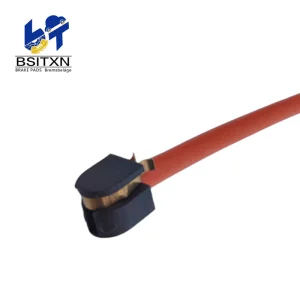
Seychelles routes run adjacent to the Indian Ocean coastlines. The constant presence of salt spray leads to rapid electrochemical degradation of standard sensor terminals. Our sensors utilize tin-plated or gold-plated connectors enclosed in silicone boots to eliminate electrolytic bridging and false readings.
Routes such as Sans Soucis Road in Mahe, connecting Victoria to Port Glaud, subject vehicle brakes to massive thermal loads due to constant downhill friction. Standard sensor cables can melt or harden when exposed to extreme hub temperatures. We specify high-temperature Teflon jacketed wire leads capable of withstanding peak rotor heat.
Car rental companies (serving tourists) and the Seychelles Public Transport Corporation (SPTC) operate vehicles almost continuously in stop-and-go patterns. Inconsistent preventative maintenance schedules mean electronic warning systems must perform with zero failure rates to protect mechanical assemblies.
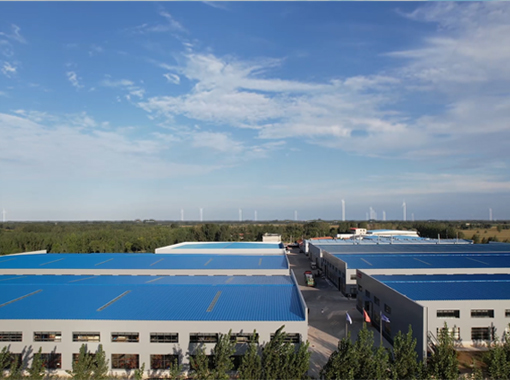
A look inside Shandong WAS Auto's automated facility, combining 80 hot pressing machines and automated testing pipelines.
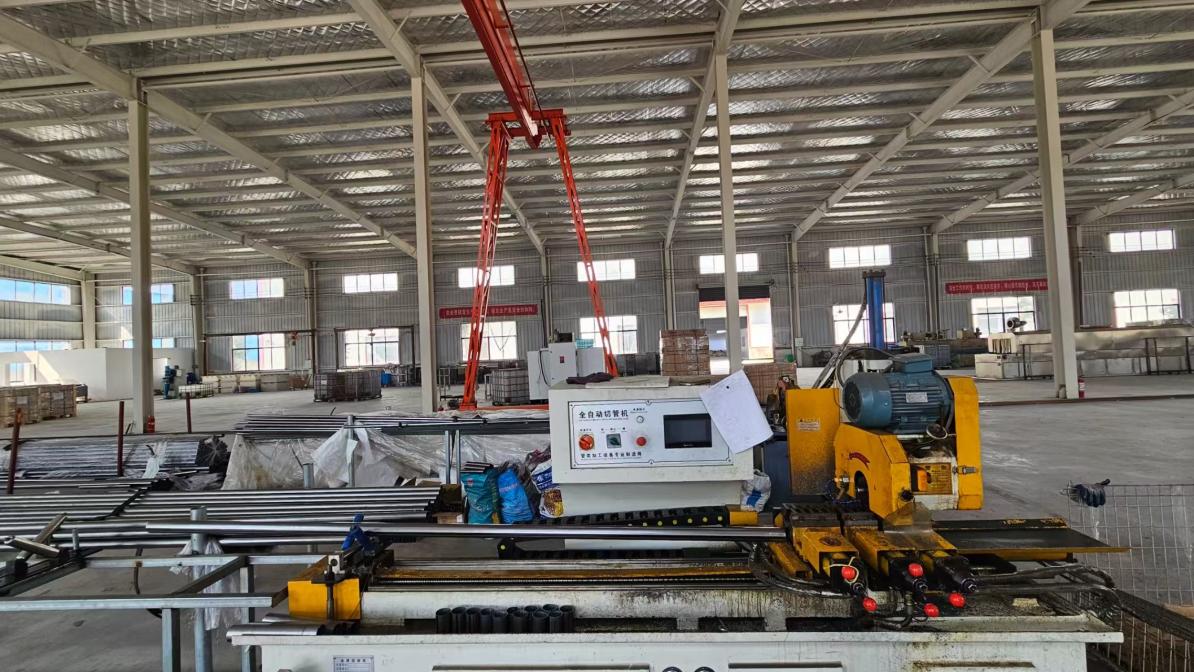
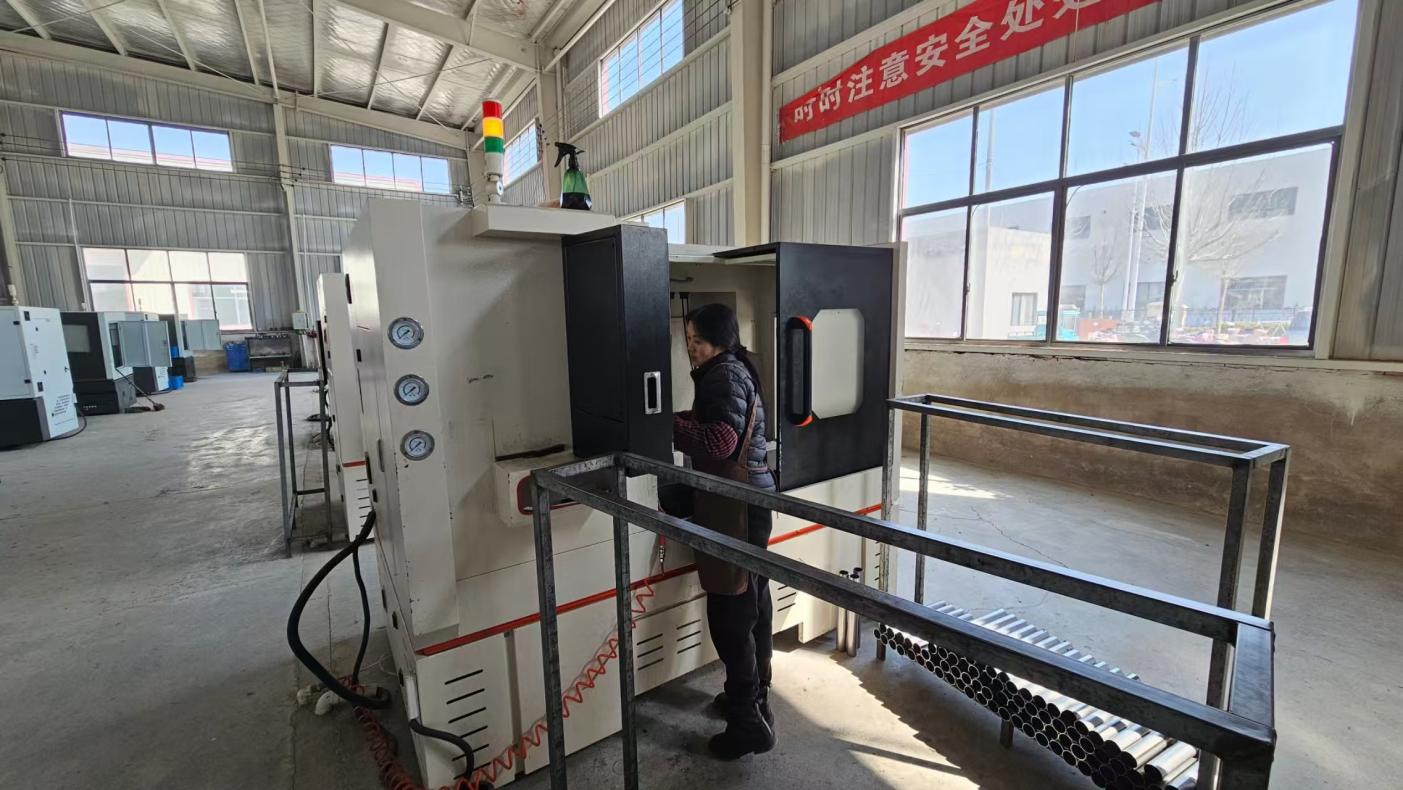
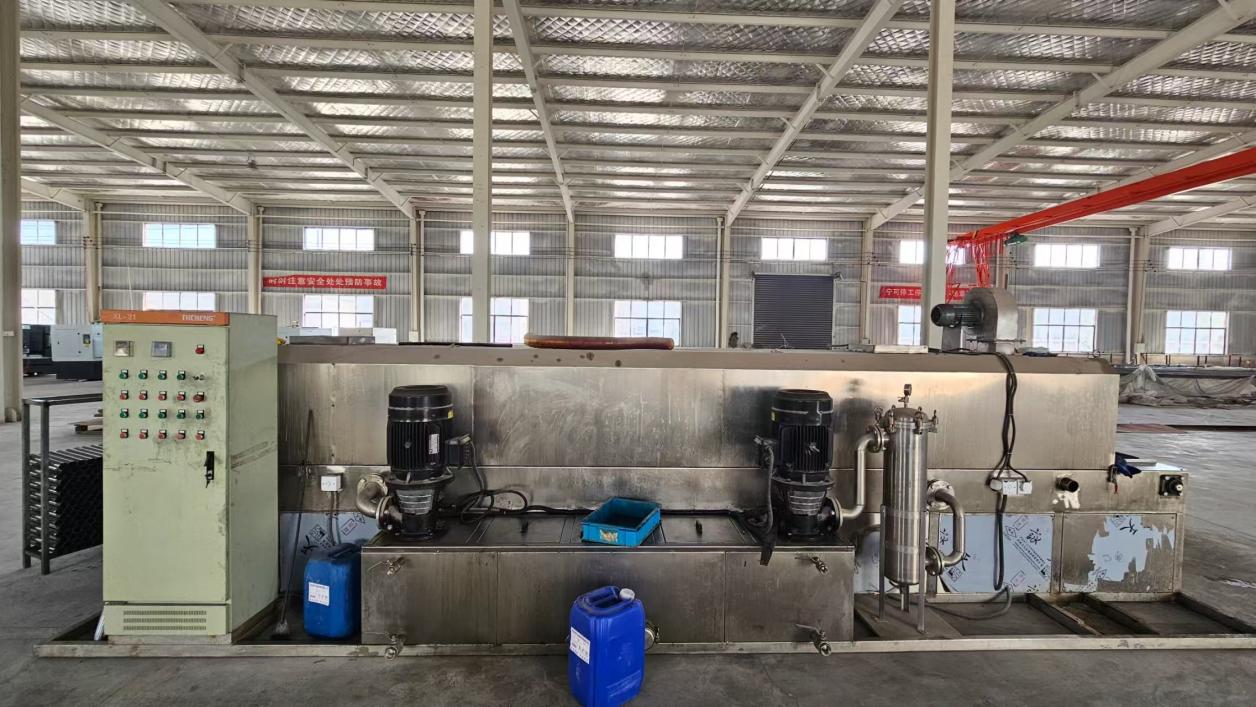
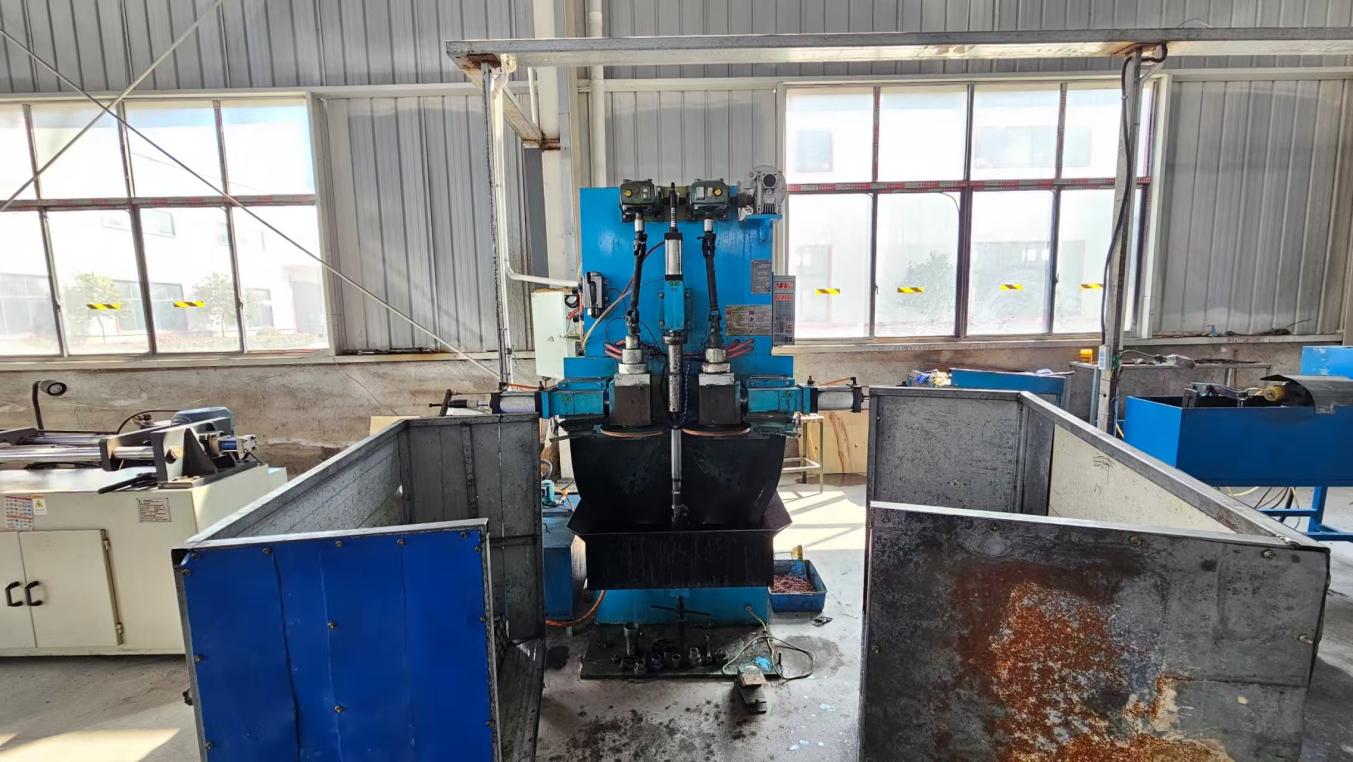
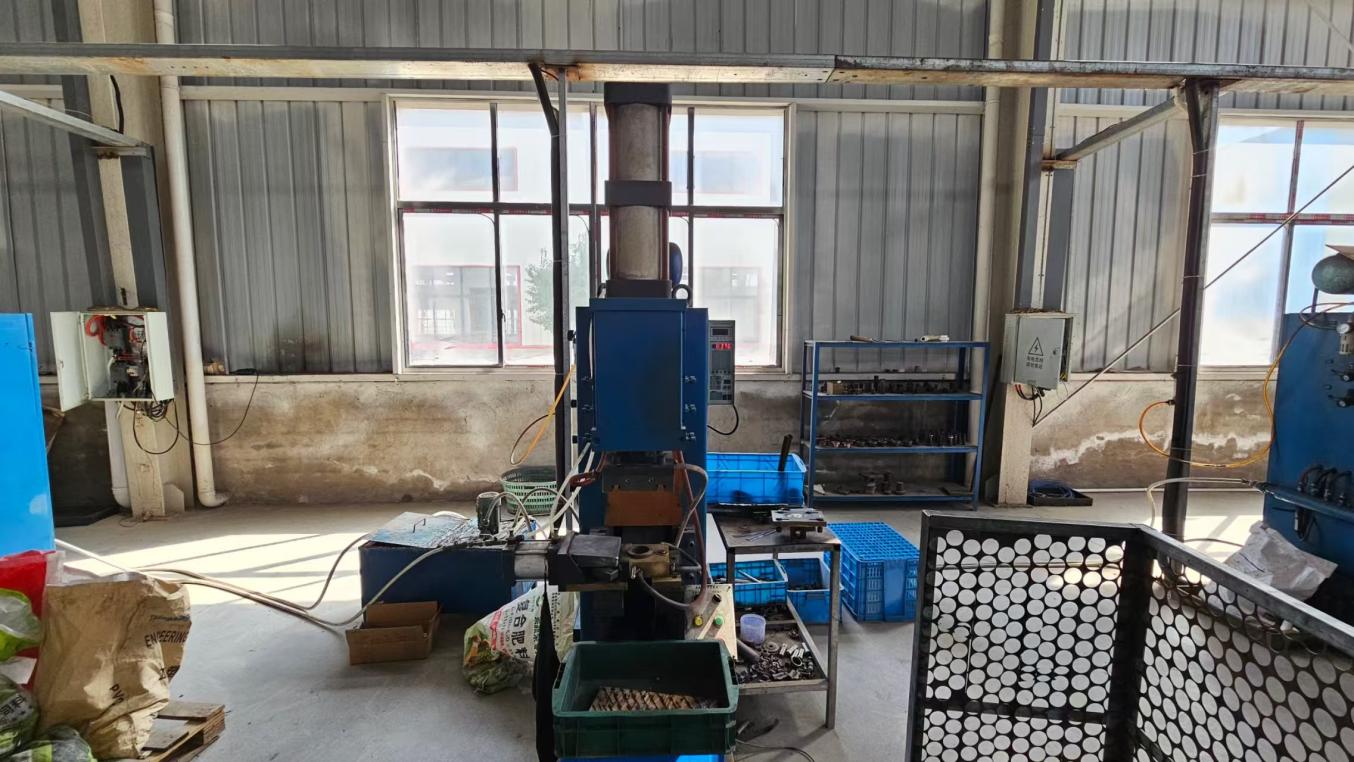
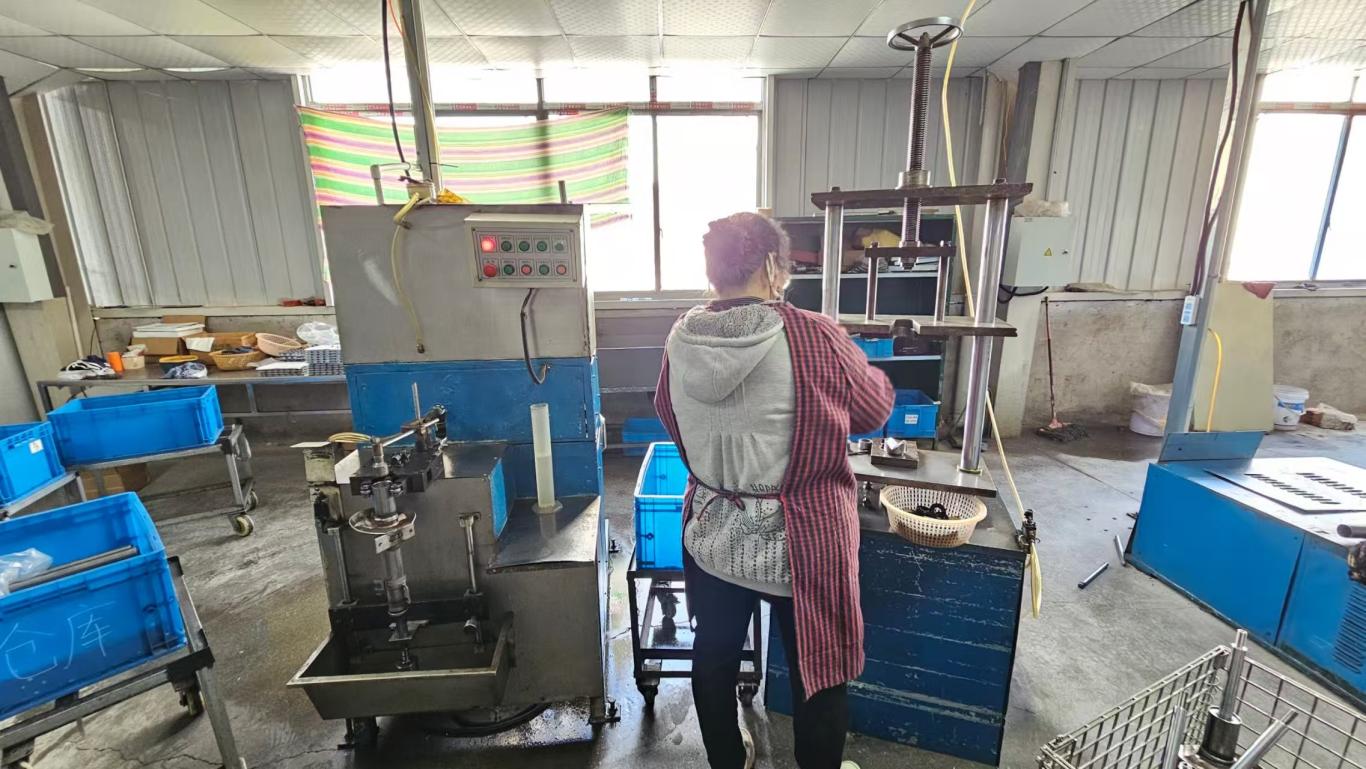
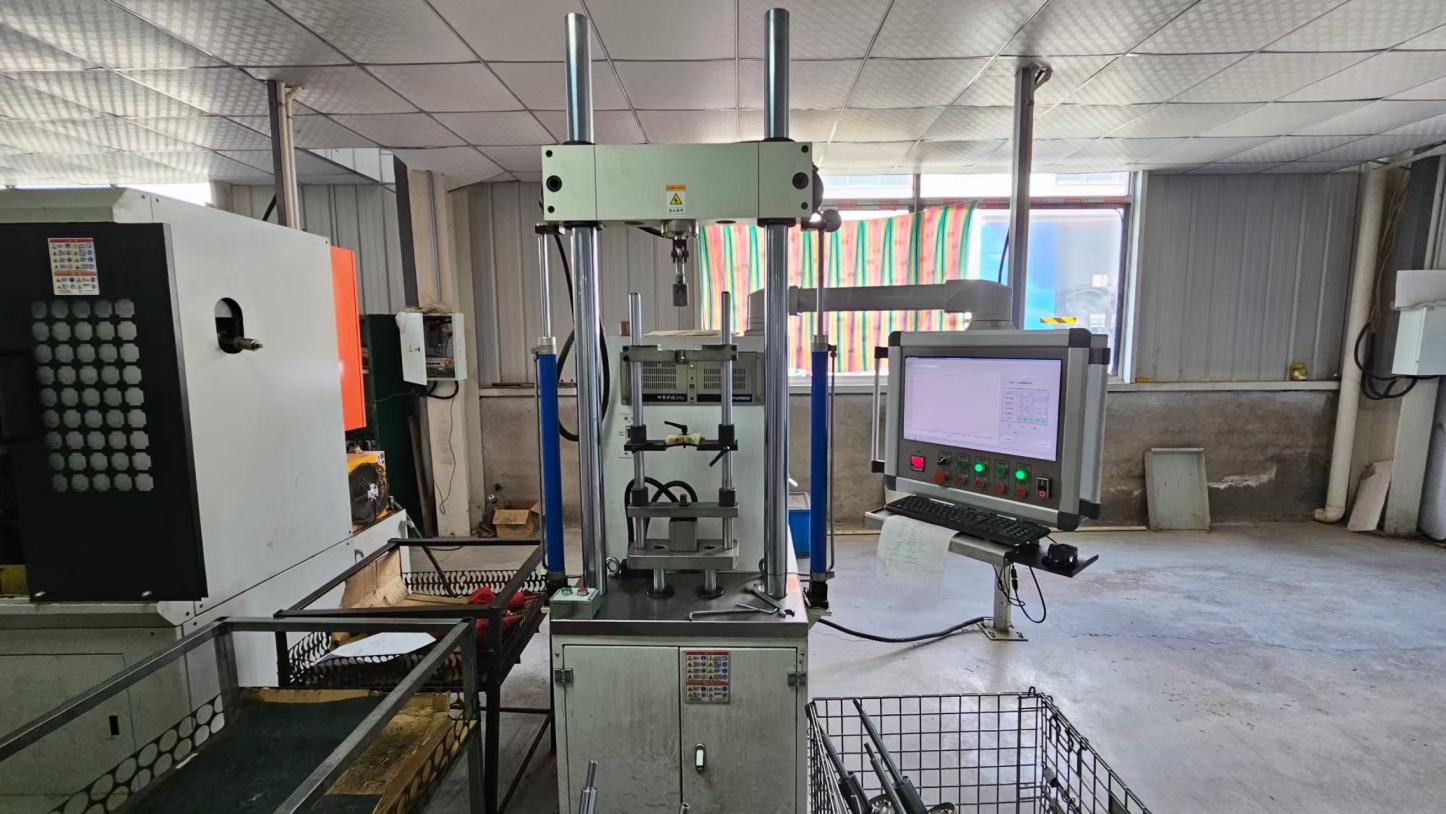
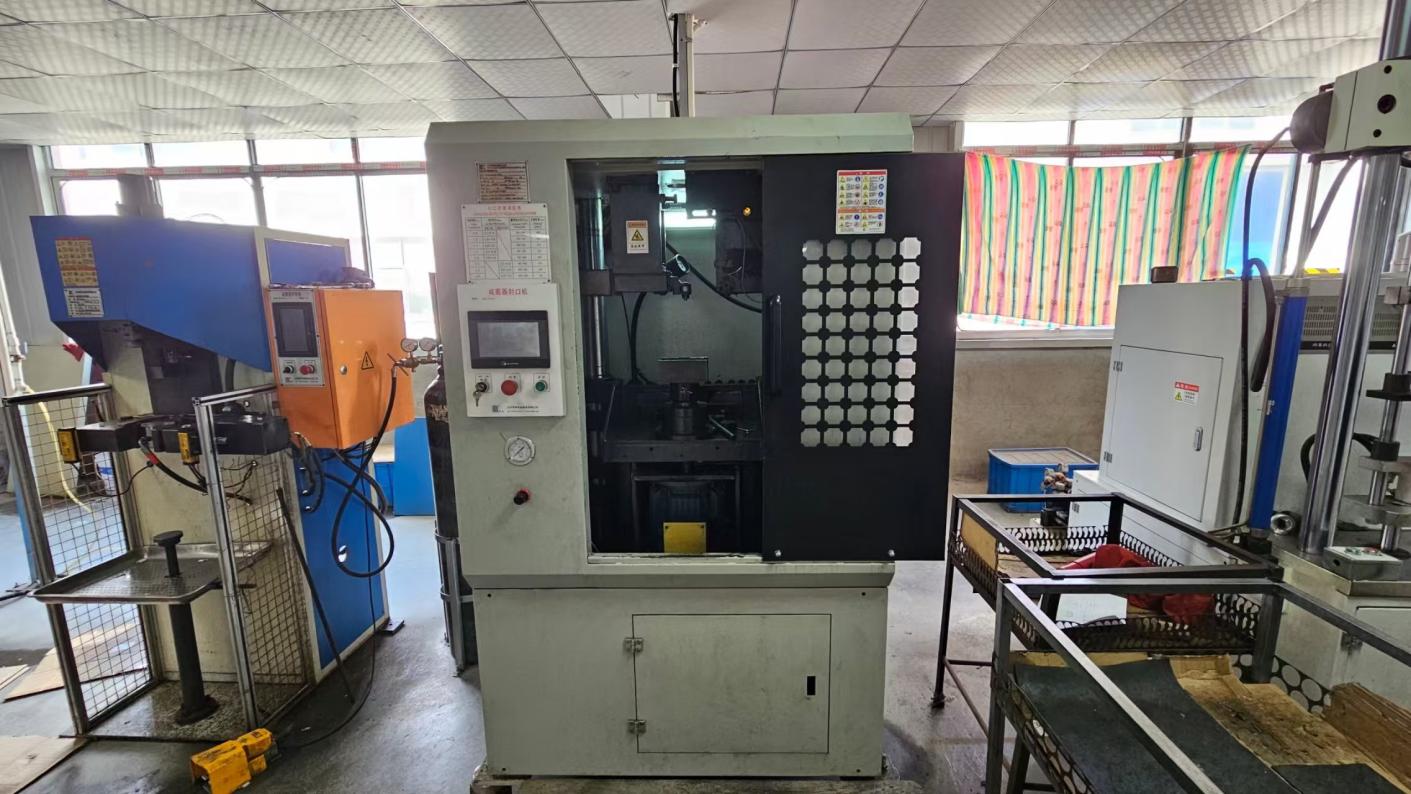
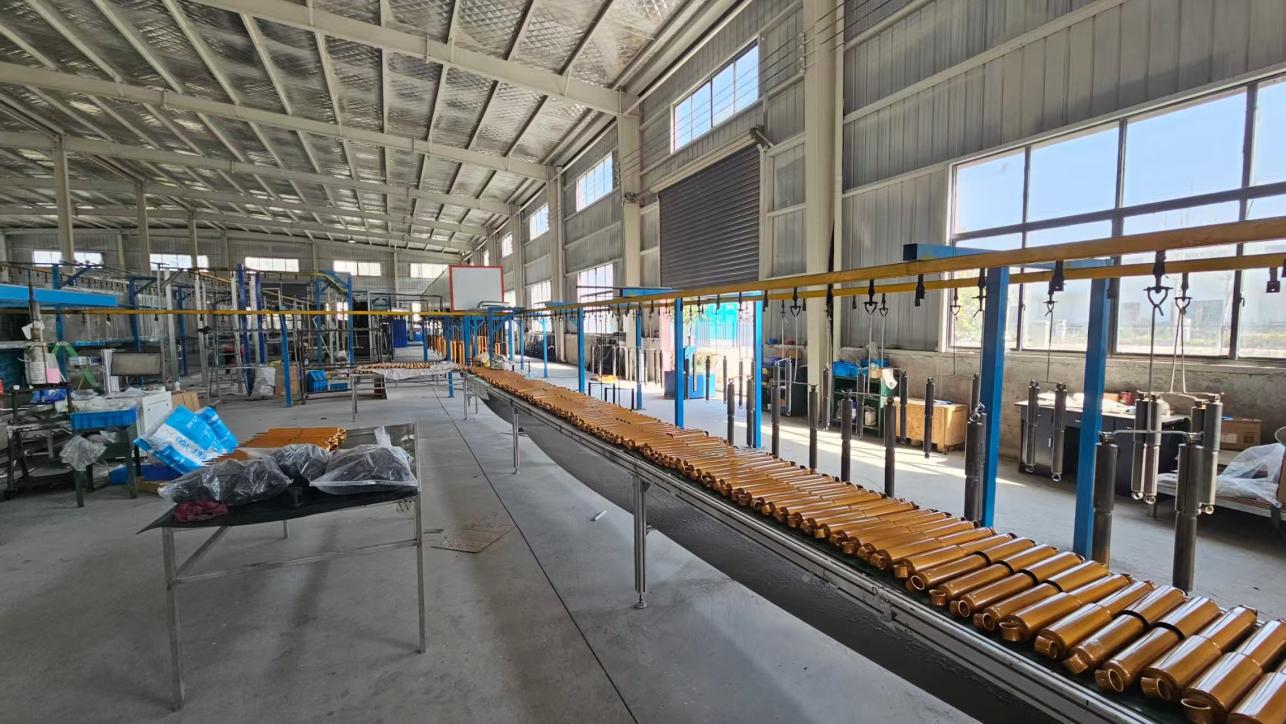
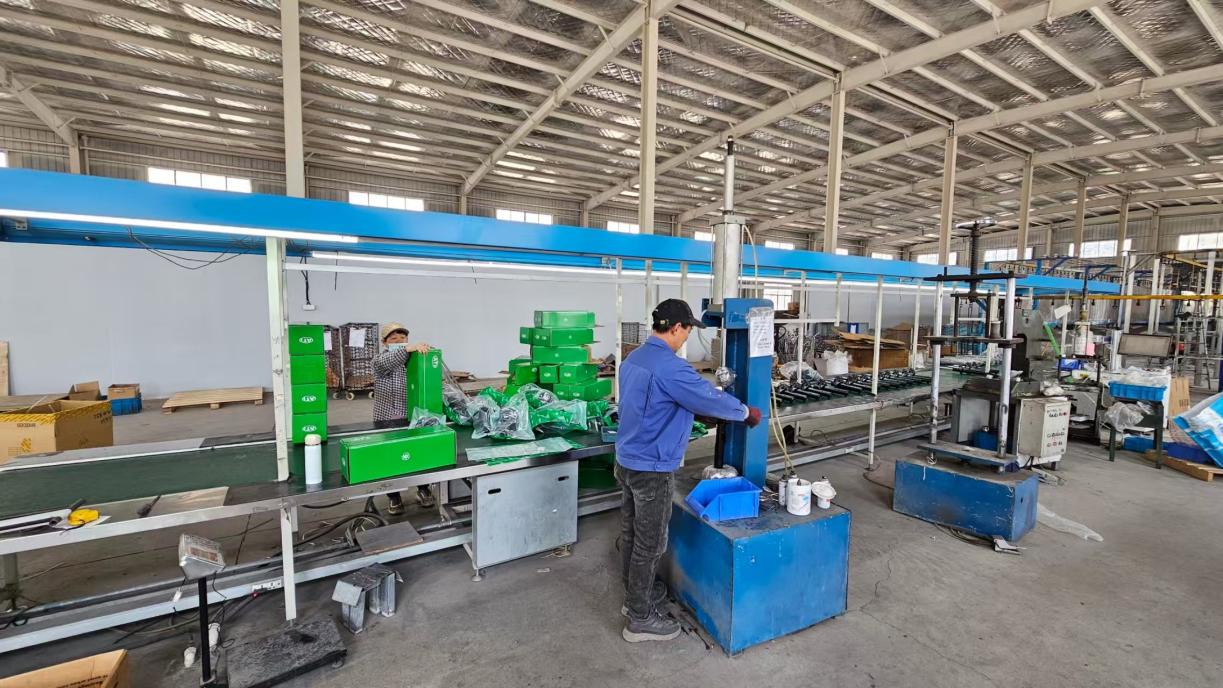
Every single brake wear sensor manufactured by Shandong WAS Auto Co., Ltd. is subjected to rigorous electrical and thermal validation. We ensure that our terminal crimping, copper strand diameter, and insulator compound properties withstand over 500,000 thermal fatigue cycles from -40°C to +350°C.
Our automated testing equipment evaluates electrical circuit continuity and resistor loop tolerances under simulated coastal atmospheric moisture levels. This prevents the primary driver of premature sensor alerts in high-humidity markets: capillary water infiltration.
Est. 2014 | Global Exporter of Premium Braking Systems
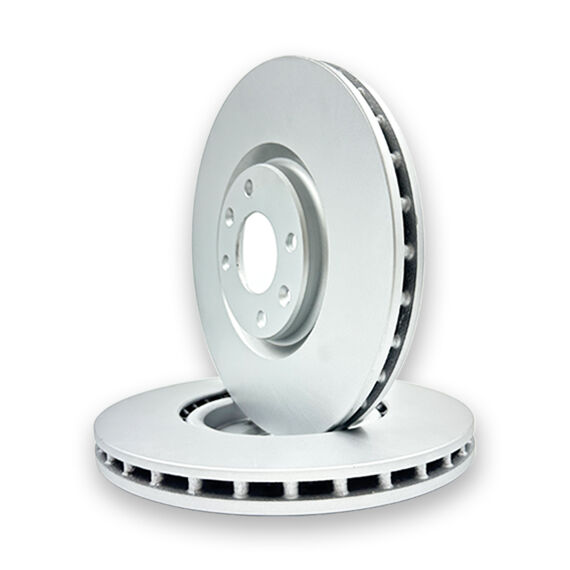
Established in 2014, Shandong WAS Auto Co., Ltd. specializes in the manufacturing of high-quality automotive brake components, including brake pads, brake discs, and brake shoes for all types of passenger and commercial vehicles. Over the years, WAS Auto has developed a variety of advanced formulations, including ceramic, semi-metallic, carbon-ceramic, and NAO (non-asbestos organic) friction materials.
Our mission is driven by our commitment to "Safety, Innovation, and Sustainability." We focus not only on high-temperature endurance, noise elimination, and low dust generation, but also on green manufacturing practices to minimize global ecological footprints. By integrating our mechanical pad engineering with high-fidelity electronic indicators, we provide complete, integrated braking system assurances for international markets, including Europe, the Middle East, North America, and the unique island economies of East Africa.
How our component engineering mitigates downtime in key transport sectors across the Seychelles islands.
Rental agencies in Beau Vallon and Eden Island deploy fleets of compact VWs, Hyundais, and Toyotas. Unexperienced drivers navigating winding, steep roads often apply excessive, continuous braking pressure, accelerating pad wear. Electronic sensors ensure owners are alerted prior to metal-on-metal rotor damage.
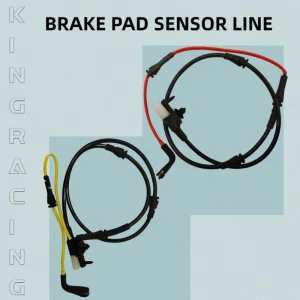
Medium-duty diesel and electric transit buses operating in Victoria require robust wear indicators. Brake maintenance cycles are demanding. Installing OEM-spec sensor lines reduces mechanical overhead and prevents route disruptions on narrow urban roads.
Premium hotels in Praslin use premium German multi-passenger vans and SUVs (Mercedes V-Class, Audi Q7, BMW X5) to transport guests. Ensuring zero braking failures is key to guest satisfaction. High-precision indicators help fleet managers monitor wear levels via vehicle dashboard systems.
The current generation of single-stage open circuit indicators is evolving. Shandong WAS Auto is actively piloting multi-stage resistive sensors and non-contact electromagnetic wear estimation frameworks. These systems do not merely signal when a pad has run thin—they compute live remaining pad thickness in millimeters, sending telemetry directly to vehicle fleet tracking portals.
Stepwise voltage feedback alerts fleet hubs of 50%, 25%, and 0% lining thickness, allowing advance planning of replacement inventory.
Our next-gen designs integrate with GSM/GPS tracking systems to digitize fleet maintenance schedules automatically.
Connect with our automotive technical support unit to custom-engineer sensor lengths, plugs, and resistance properties for your specialized local market fleet.
Request Technical ConsultingDirect supply line from our automated facility to Seychelles logistics ports, compatible with European and Asian vehicle platforms.

Addressing the common questions raised by logistics managers and industrial distributors operating in Seychelles.
Partner with a certified, research-driven brake component manufacturer. Minimize vehicle downtime and optimize safety performance in heavy-duty coastal environments.