WAS Auto
WAS Auto
WAS Auto
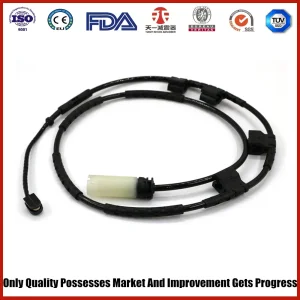
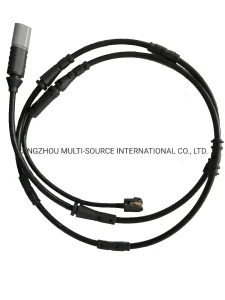
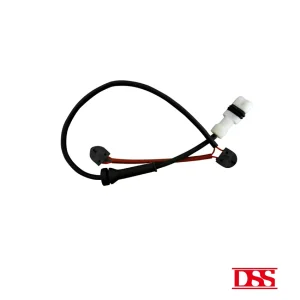
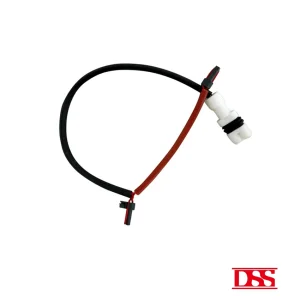
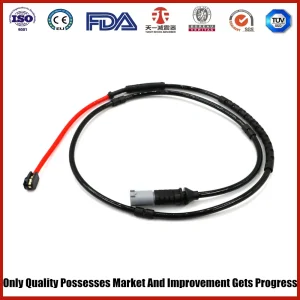
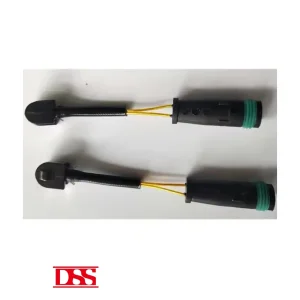
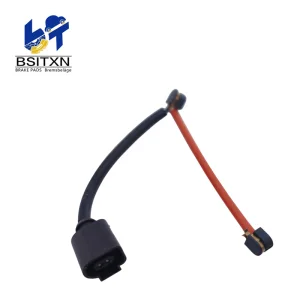
The industrial landscape of North Korea (DPRK) presents a unique and evolving demand for automotive safety components. As the nation focuses on modernizing its domestic transport infrastructure and heavy-duty mining sectors—specifically in regions like Chongjin and Nampo—the reliability of braking systems has become a paramount concern. Brake Wear Sensors, once considered a luxury component, are now integral to the maintenance cycles of commercial logistics and government fleets across the peninsula.
In the North Korean market, automotive hardware must withstand extreme environmental stressors: from the sub-zero winters of the northern mountainous regions to the high-torque requirements of coal and mineral transport vehicles. Shandong WAS Auto Co., Ltd., as a leading exporter, understands that "Standard" is not enough. We provide high-fidelity electronic indicators designed to prevent catastrophic brake failure by providing real-time telemetry between the friction material and the vehicle's control unit.
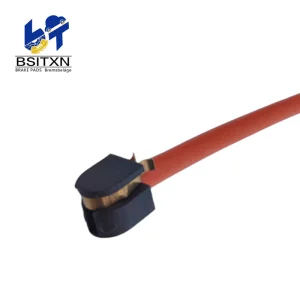
Our sensors utilize reinforced PPS housings to resist chemical corrosion from road salts and industrial runoff common in North Korean ports.
By preventing "metal-on-metal" contact, our sensors reduce maintenance costs for DPRK fleet operators by up to 35% annually.
Manufacturing protocols follow IATF 16949:2016, ensuring that sensors exported to East Asia meet the same rigor as those sent to Europe.
At Shandong WAS Auto Co., Ltd., we bridge the gap between traditional mechanical engineering and modern sensory electronics. Our manufacturing facility, established in 2014, has evolved into a powerhouse of innovation. We don't just produce parts; we engineer "safety增量" (Safety Increment).
Our sensors for the North Korean market utilize a multi-stage technological approach:
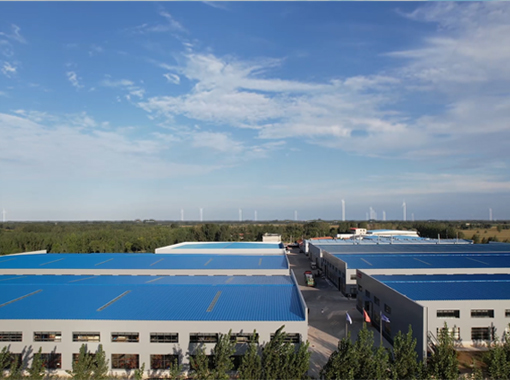
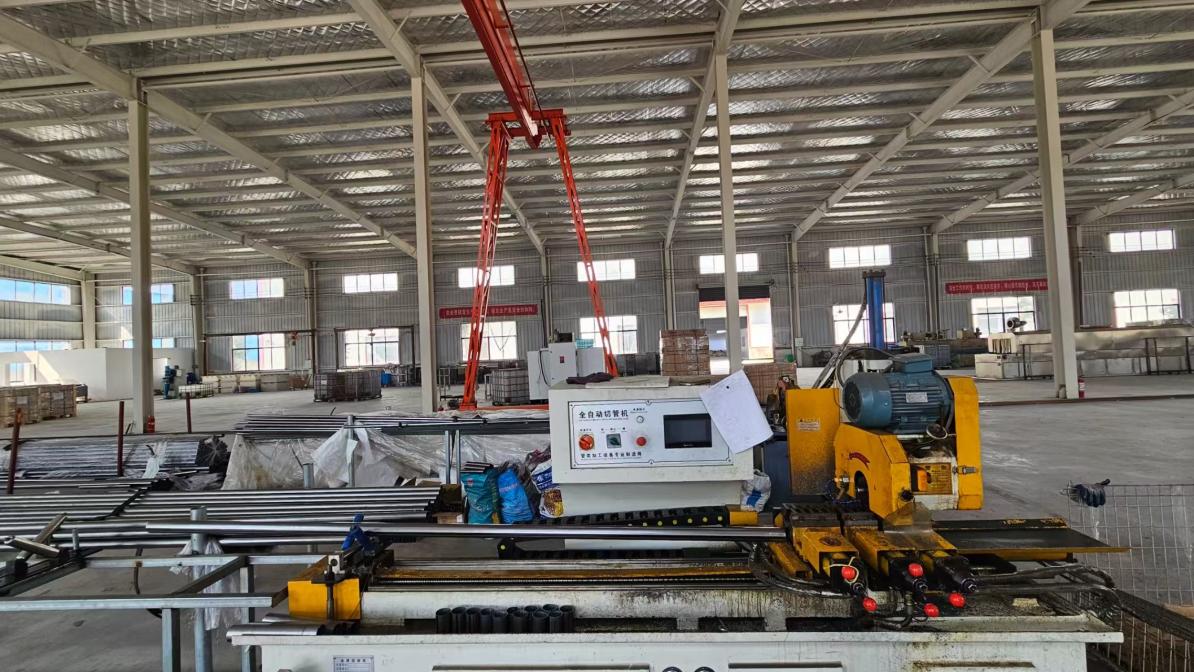
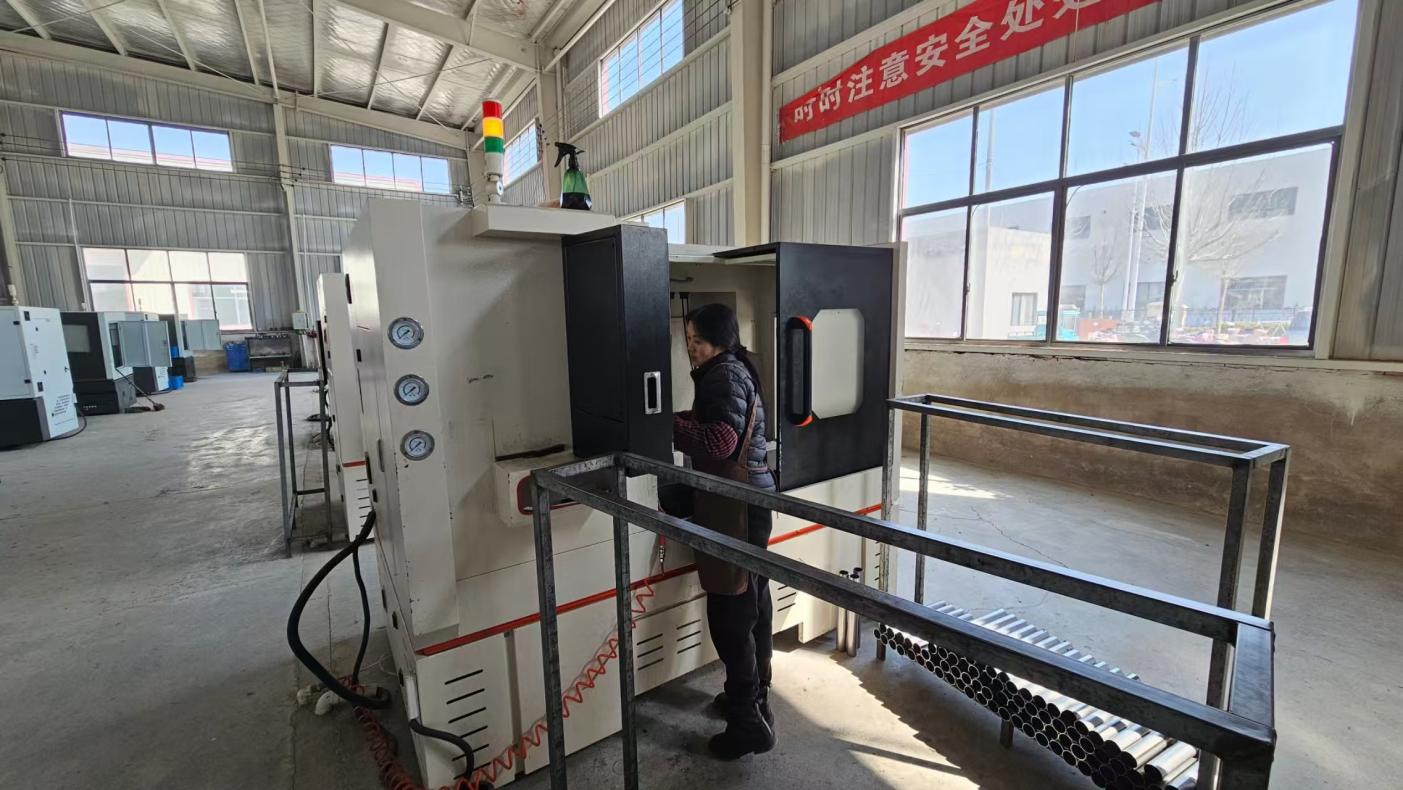
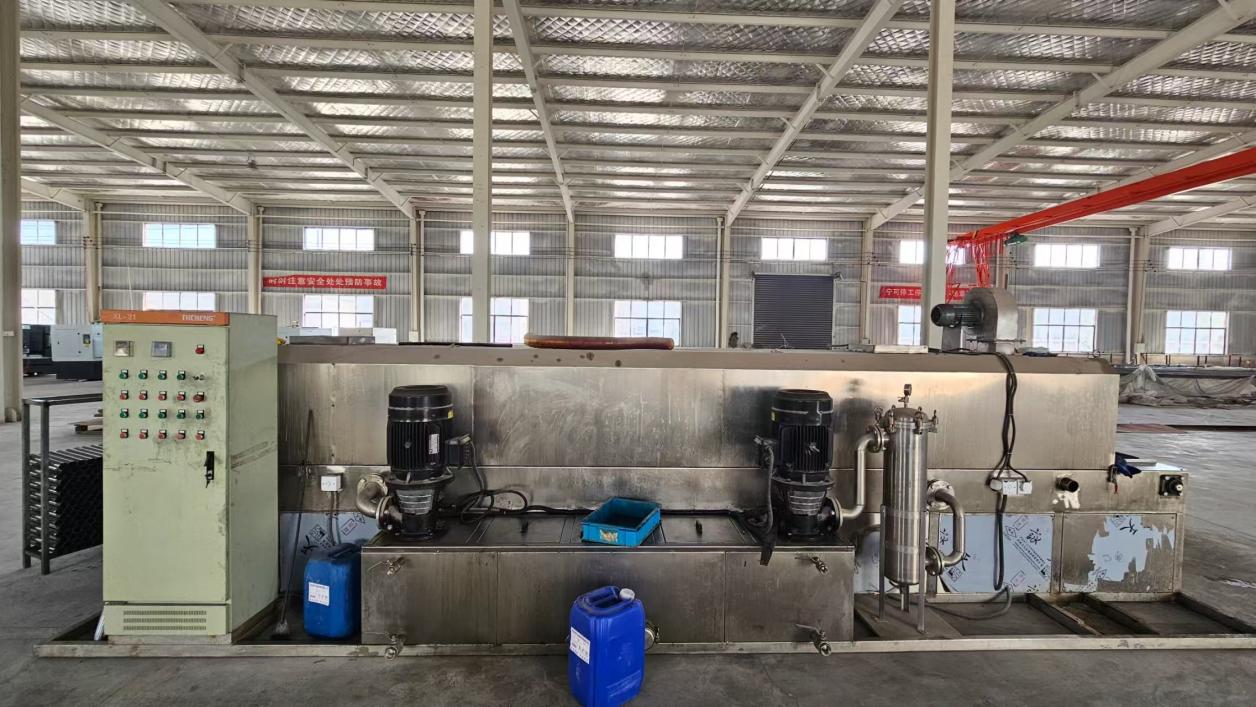
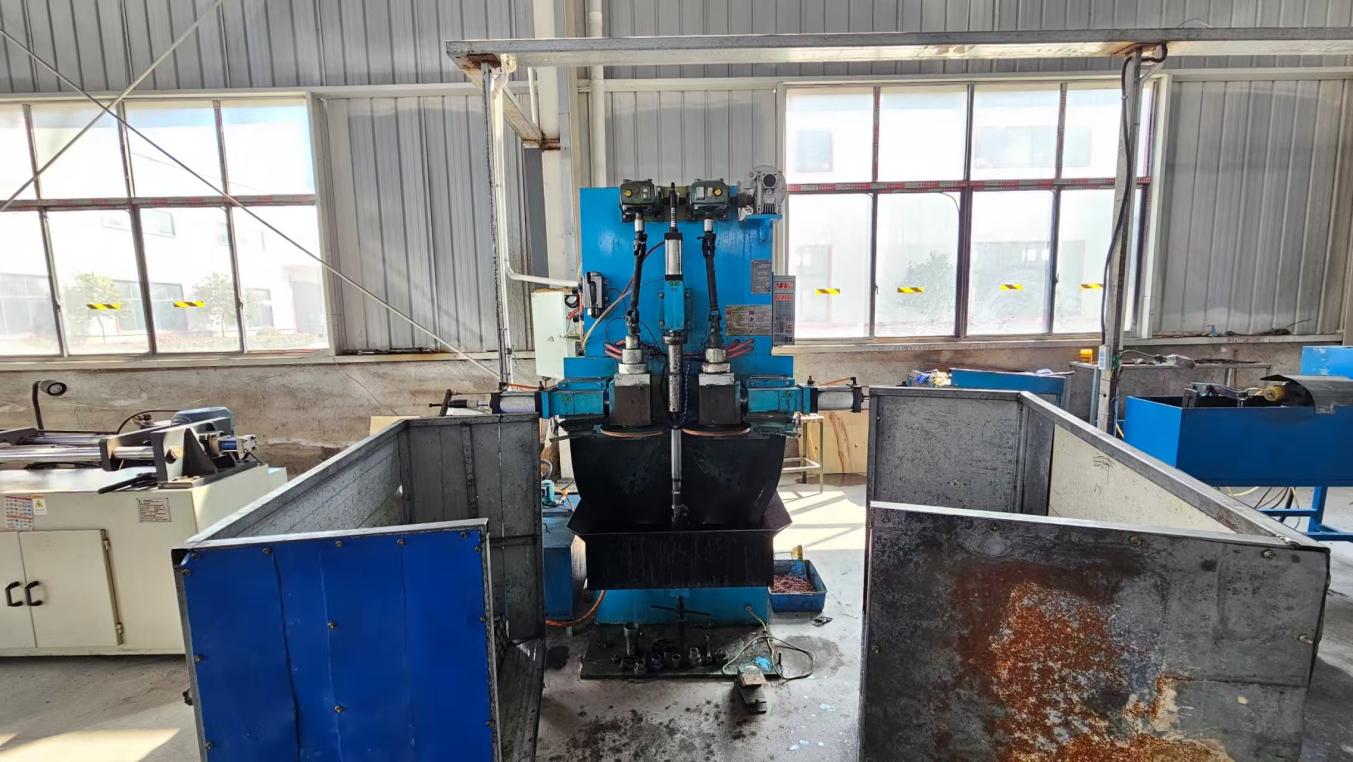
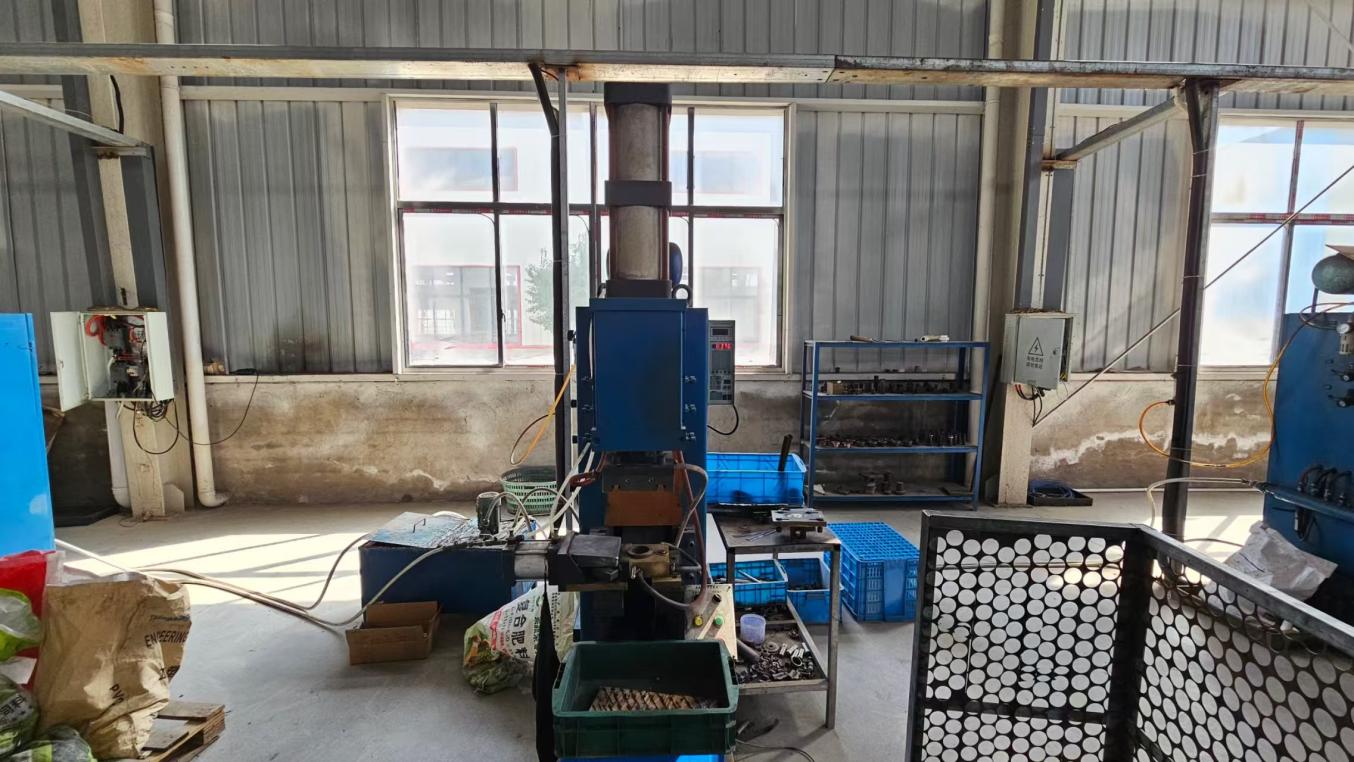
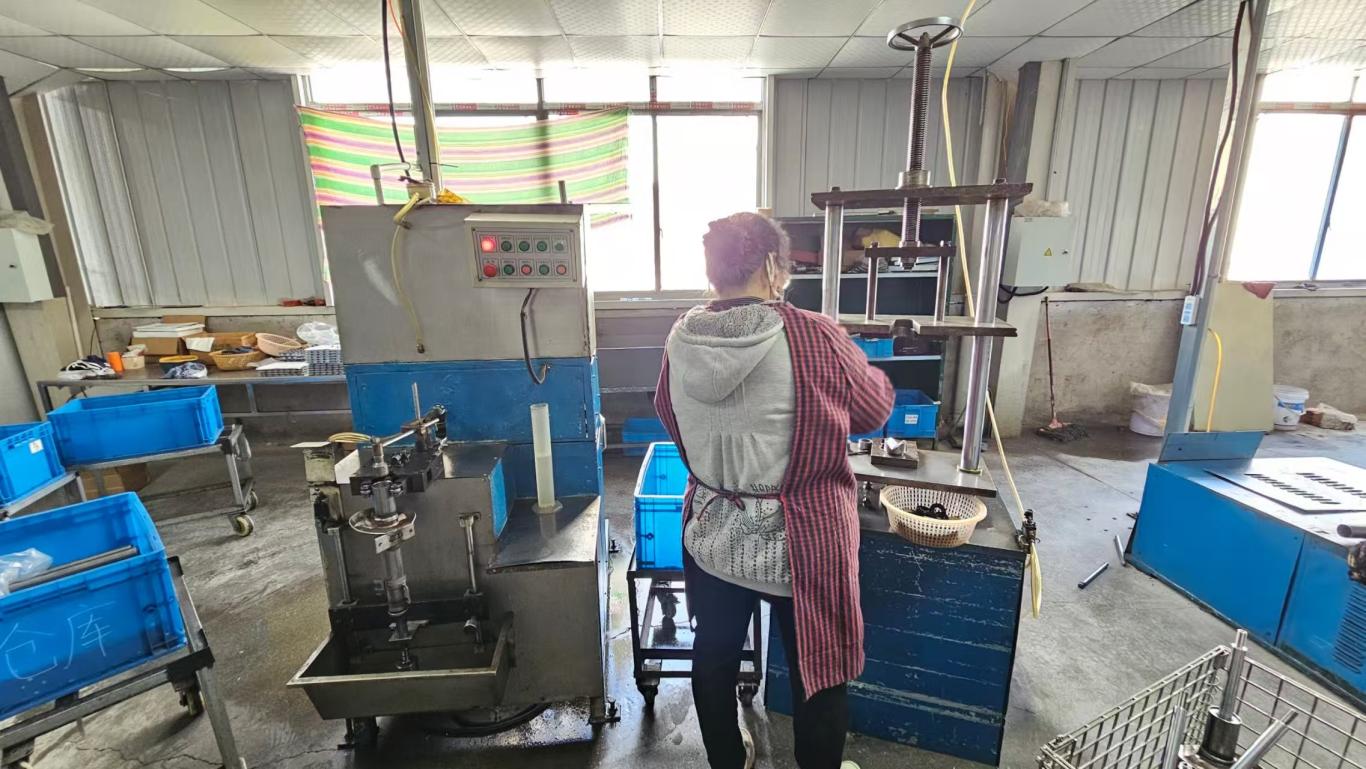
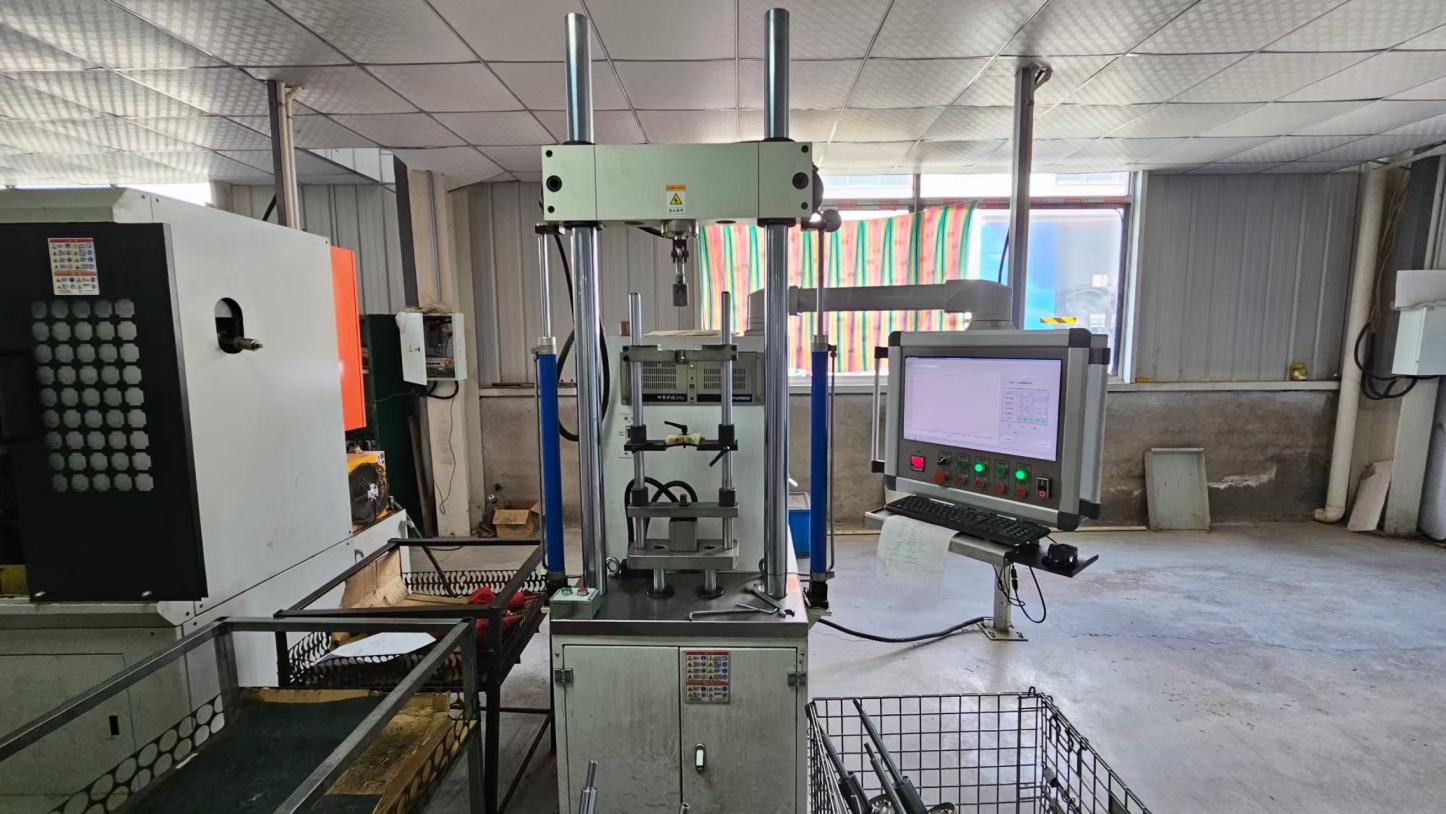
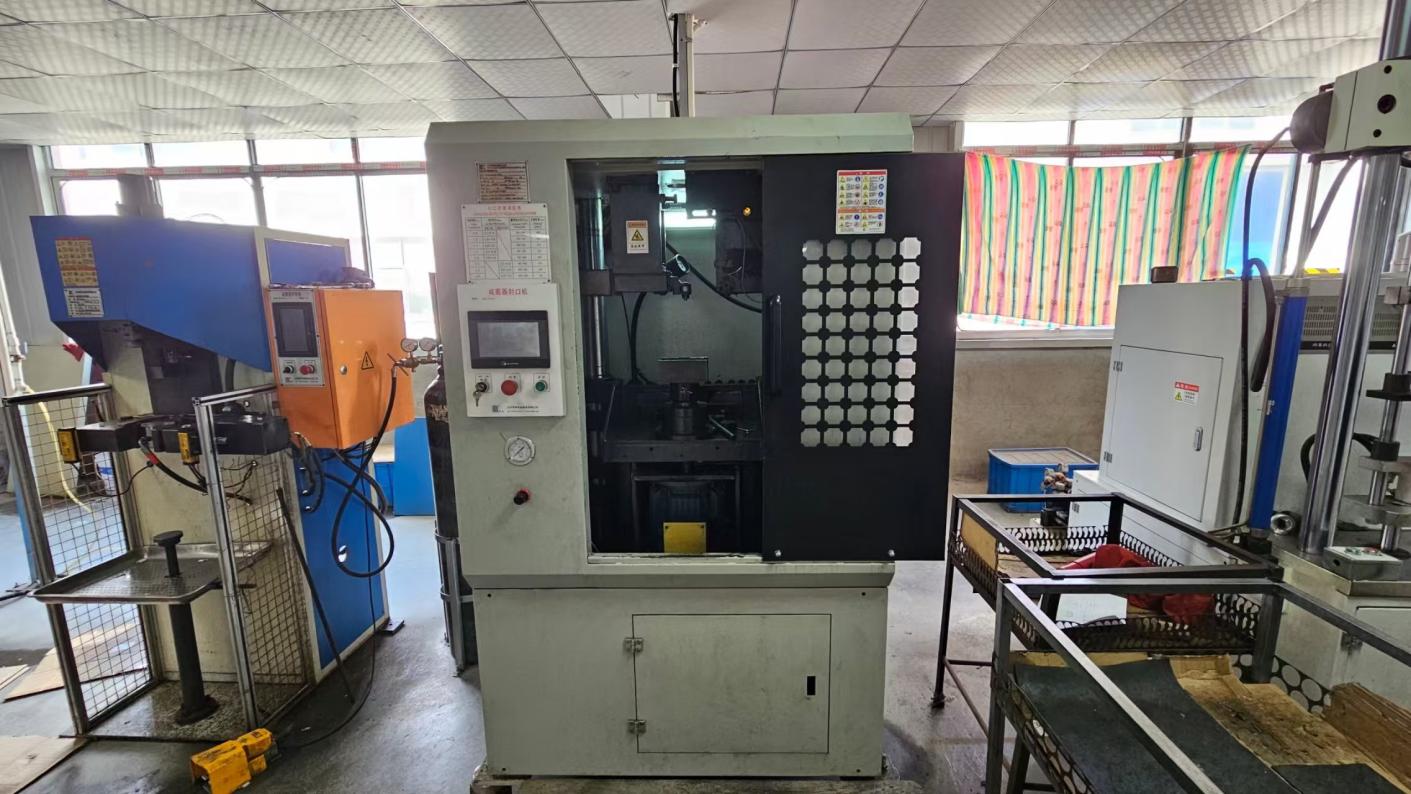
Our facility is equipped with 80 hot pressing machines and 5 automated spraying lines. This scale allows us to maintain a "Zero Defect" policy. For our clients serving the North Korea market, this means consistency. Every sensor in a 10,000-unit shipment will perform exactly like the tested prototype.
The global automotive industry is shifting toward Autonomous, Connected, Electric, and Shared (ACES) mobility. While North Korea’s current market is heavily dominated by internal combustion engines (ICE) and heavy-duty commercial transport, the global "Information Gain" from Western and Chinese EV markets is trickling down.
1. Smart Telemetry: Future sensors will not just be "on/off" switches. We are developing Analog-to-Digital (ADC) sensors that measure the rate of wear, allowing AI-driven fleet management systems in Pyongyang to predict exactly when a vehicle will need service weeks in advance.
2. Sustainable Materials: In line with North Korea's focus on national resource efficiency, WAS Auto is pioneering sensors that are 100% recyclable, reducing the environmental footprint of automotive waste.
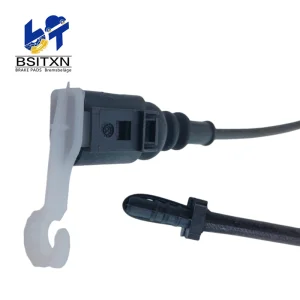
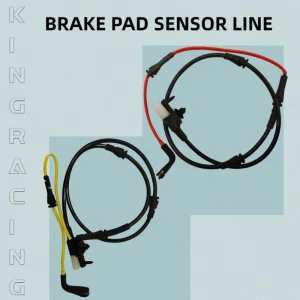
3. Localization: For the DPRK market, we are customizing lead lengths and connector types to fit older vehicle models that remain in service, ensuring that safety technology is accessible to all vehicle generations.
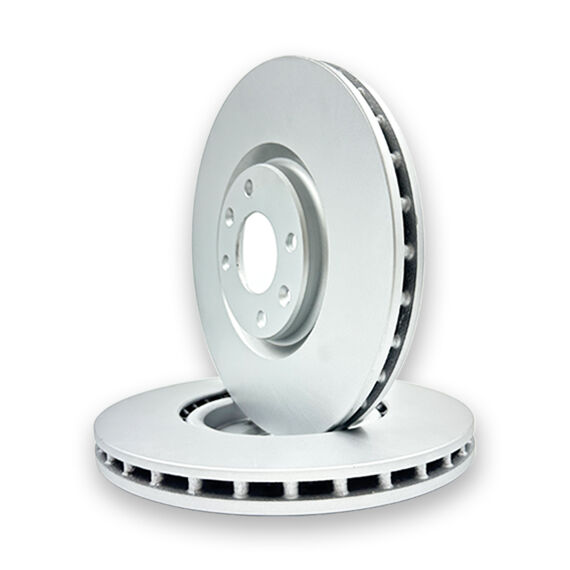
Shandong WAS Auto Co., Ltd. was established in 2014, specializing in the manufacturing of high-quality automotive brake components, including brake pads, brake discs, and brake shoes for all types of passenger vehicles. Over the years, WAS Auto has developed a variety of advanced brake pad formulations, including ceramic, semi-metallic, carbon-ceramic, and NAO (non-asbestos organic).
Our products are known for their excellent high-temperature resistance, outstanding wear resistance, low noise, minimal dust, and consistent quality, ensuring reliable braking performance in all driving conditions. Our mission of "Safety, Innovation, and Sustainability" drives us to provide global automotive users with efficient, eco-friendly, and dependable braking solutions.