WAS Auto
WAS Auto
WAS Auto
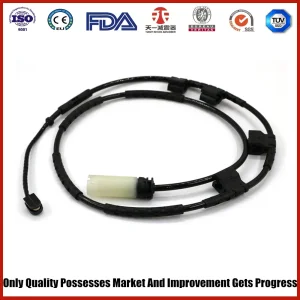
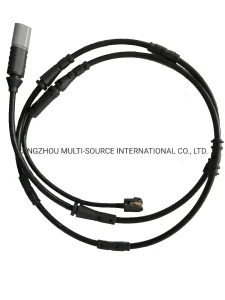
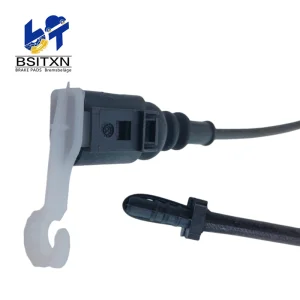
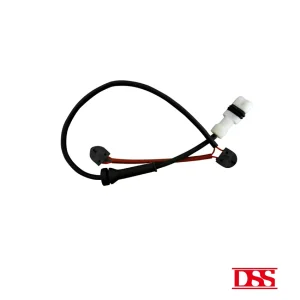
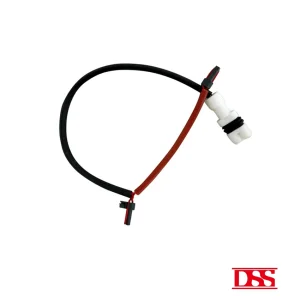
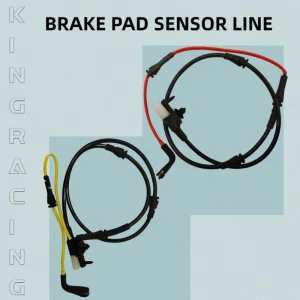
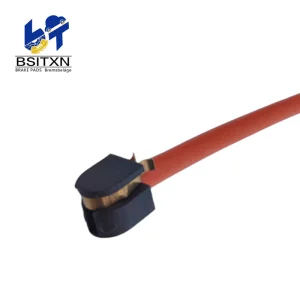
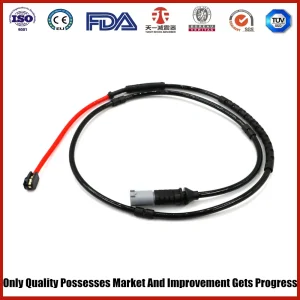
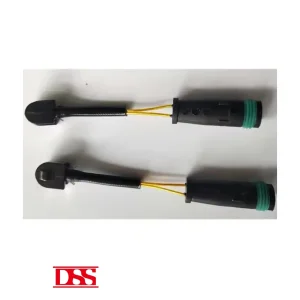
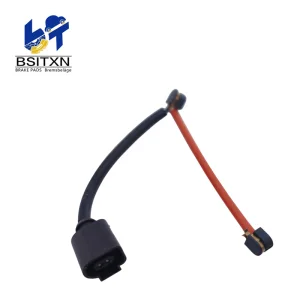
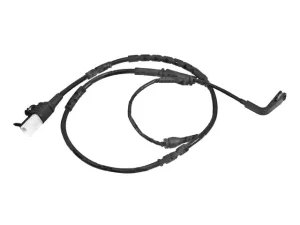
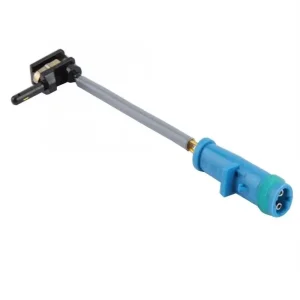
🛞 Local Commercial & Industrial Context: Uganda’s automotive landscape is undergoing a radical shift. As a vital hub for the "Northern Corridor" logistics route, the demand for reliable commercial vehicle components has skyrocketed. In Kampala and across the Entebbe-Kampala Expressway, there is a surging influx of European and Japanese vehicle imports. However, the high-dust environment and tropical humidity of the Lake Victoria basin pose significant challenges to standard braking components. Our brake wear sensors are specifically engineered with high-grade PPS (Polyphenylene Sulfide) and reinforced cables to prevent corrosion and premature failure in Uganda's unique climate.
📈 Global Market Trends: The global brake wear sensor market is transitioning from simple "contact-based" analog loops to intelligent Contactless Inductive Sensors. As ESG (Environmental, Social, and Governance) standards tighten, manufacturers like Shandong WAS Auto are leading the charge by reducing lead and asbestos content in all friction-related electronics, ensuring compliance with global environmental regulations while maintaining E-Mark safety standards.
Automated Hot Press Machines
Years Global Export Experience
OEM Compatible SKUs
Noise & Low Dust Compliance
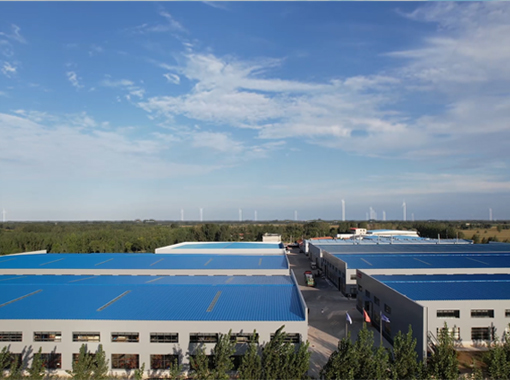
Established in 2014, Shandong WAS Auto Co., Ltd. has redefined the standards of automotive friction systems. We don't just manufacture; we engineer safety. Our R&D department focuses on the Semantic Search of failure modes in brake sensors—analyzing how sensors respond to extreme thermal cycles.
Our mission—"Safety, Innovation, and Sustainability"—is backed by 5 automated spraying lines and precision grinding equipment. For our Uganda partners, this means every sensor delivered is a product of rigorous laboratory testing, ensuring consistent signal transmission even under the heavy loads of commercial haulage.
Implementation of silicone-coated high-temp wiring to withstand the 300°C+ temperatures common in heavy-duty braking on Uganda's mountain passes.
Development of smart sensors compatible with OBD-II telematics, allowing fleet managers in Kampala to monitor brake wear in real-time via GPS.
Transitioning to 100% recyclable thermoplastic components, reducing the environmental footprint of automotive maintenance in East Africa.
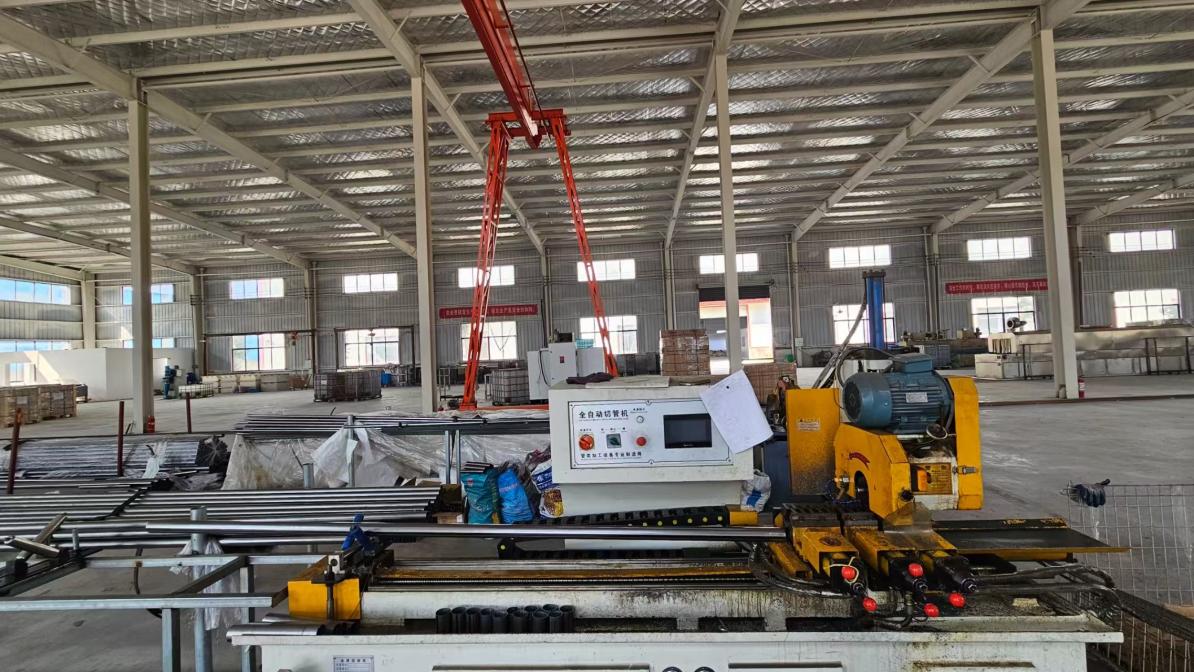
Precision Cutting
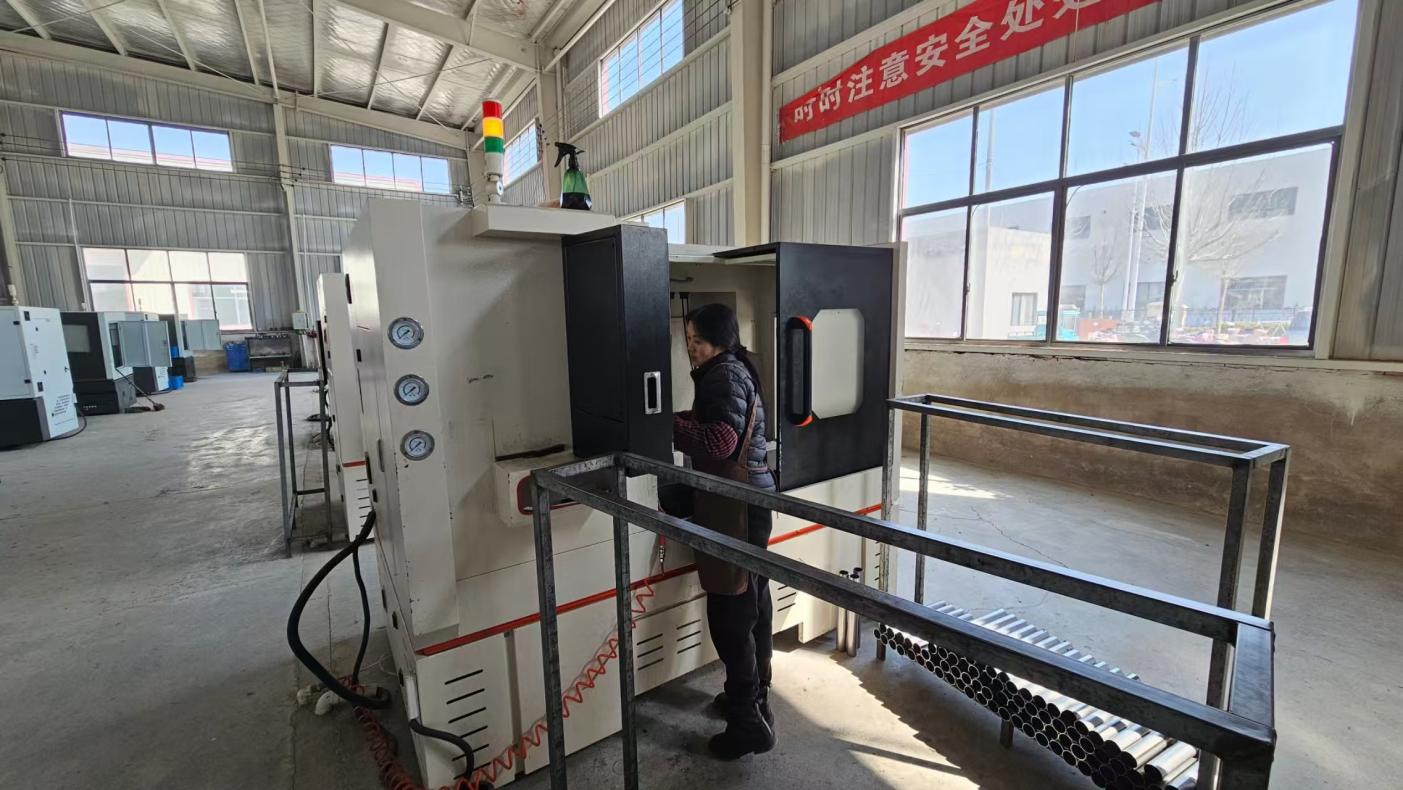
Flat Head Chamfer
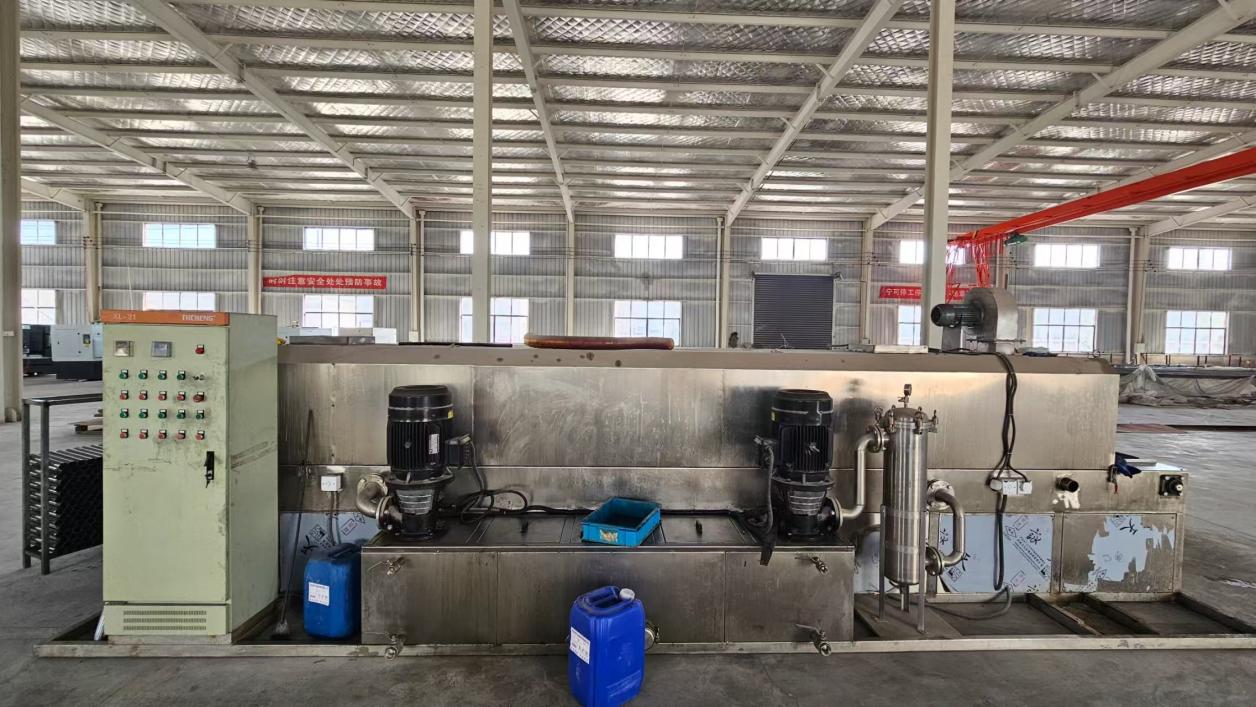
Ultrasonic Cleaning
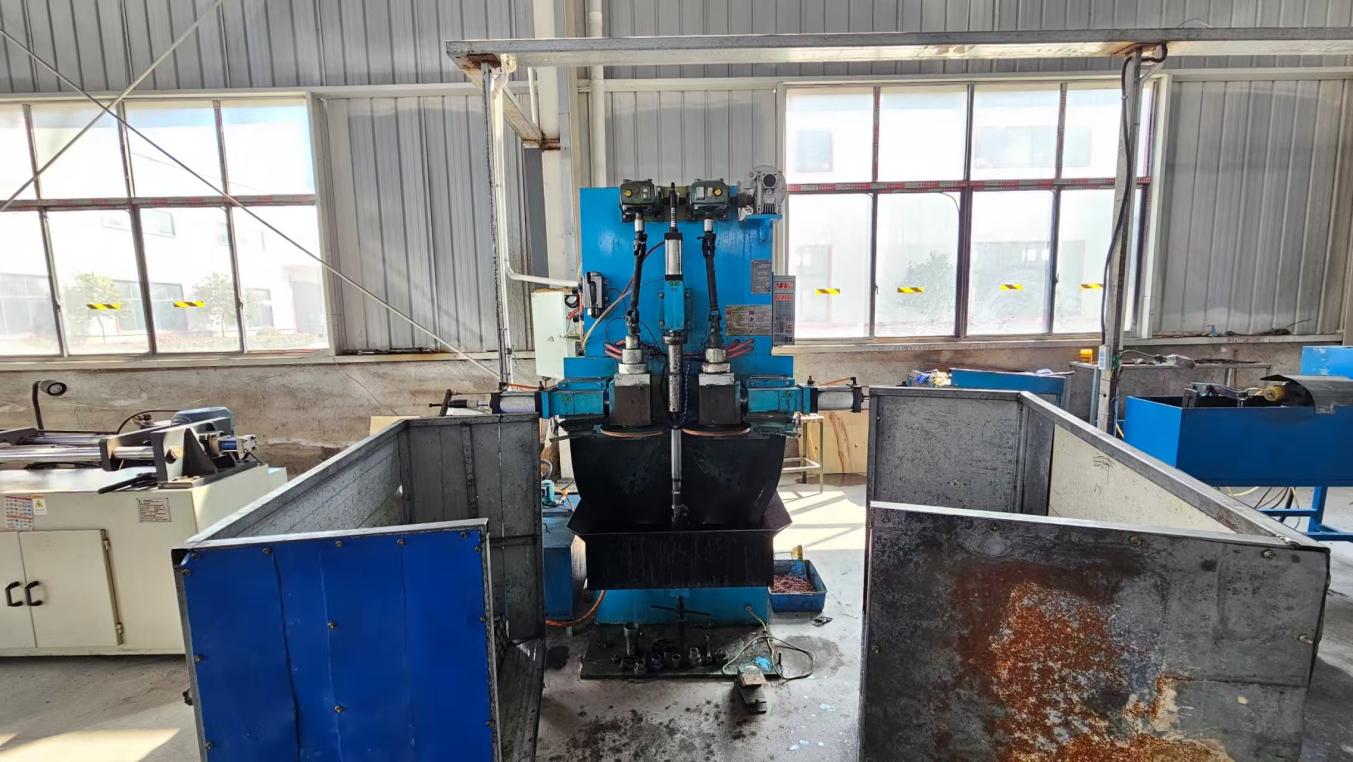
Automated Weld 1
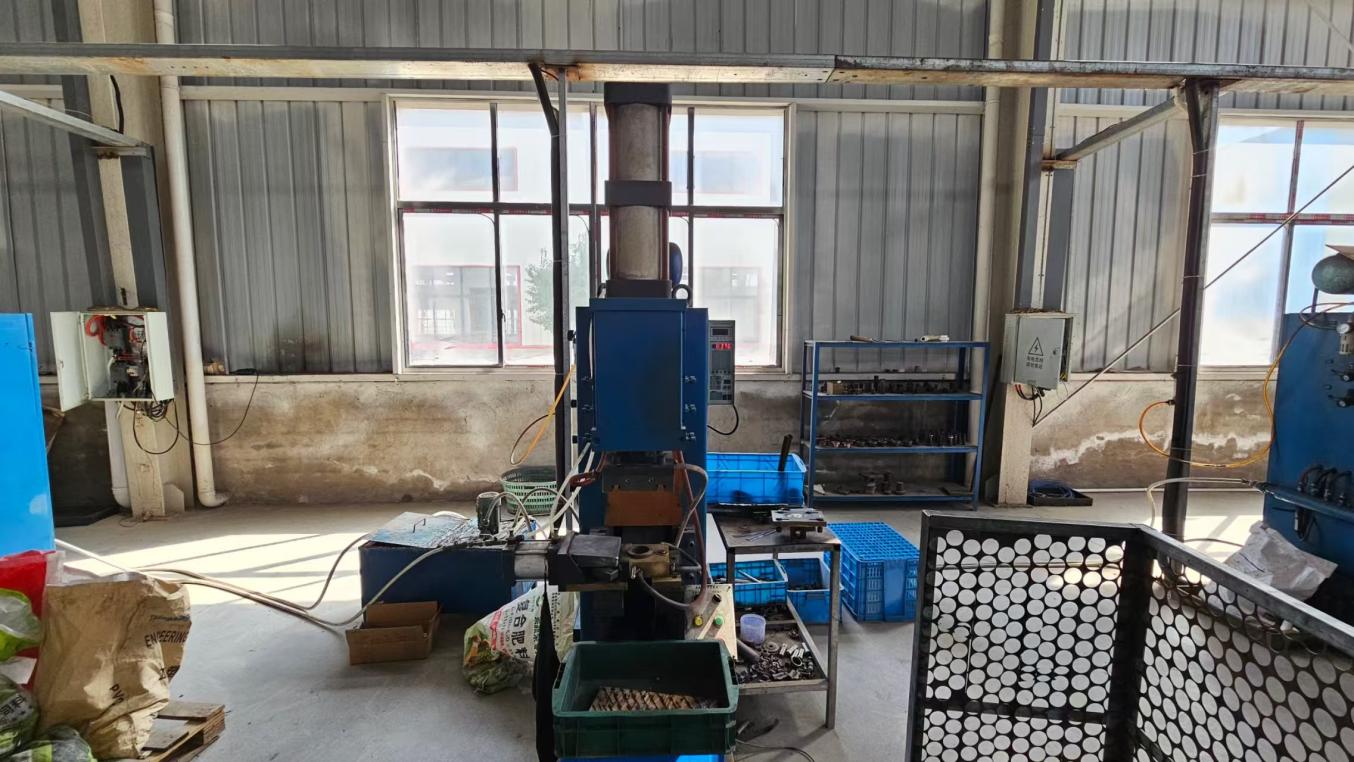
Automated Weld 2
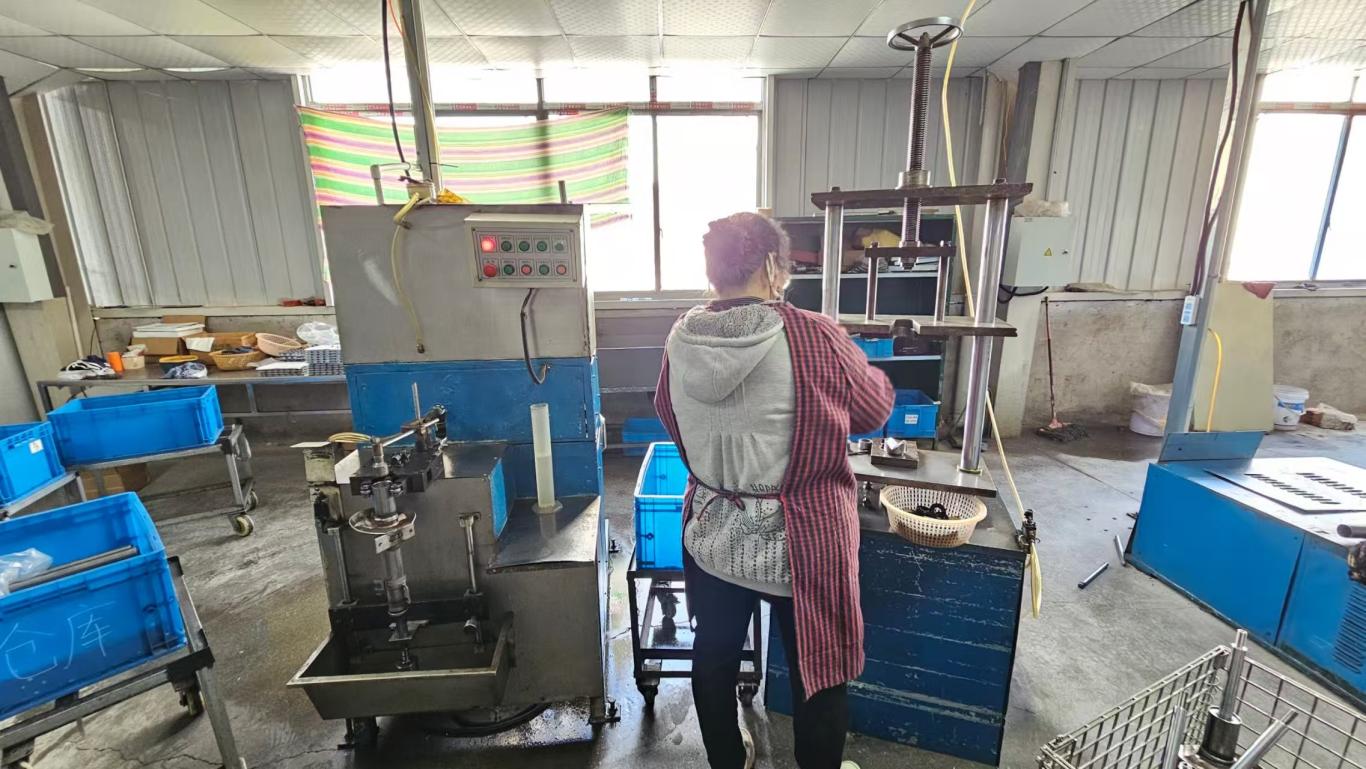
Precision Oiling
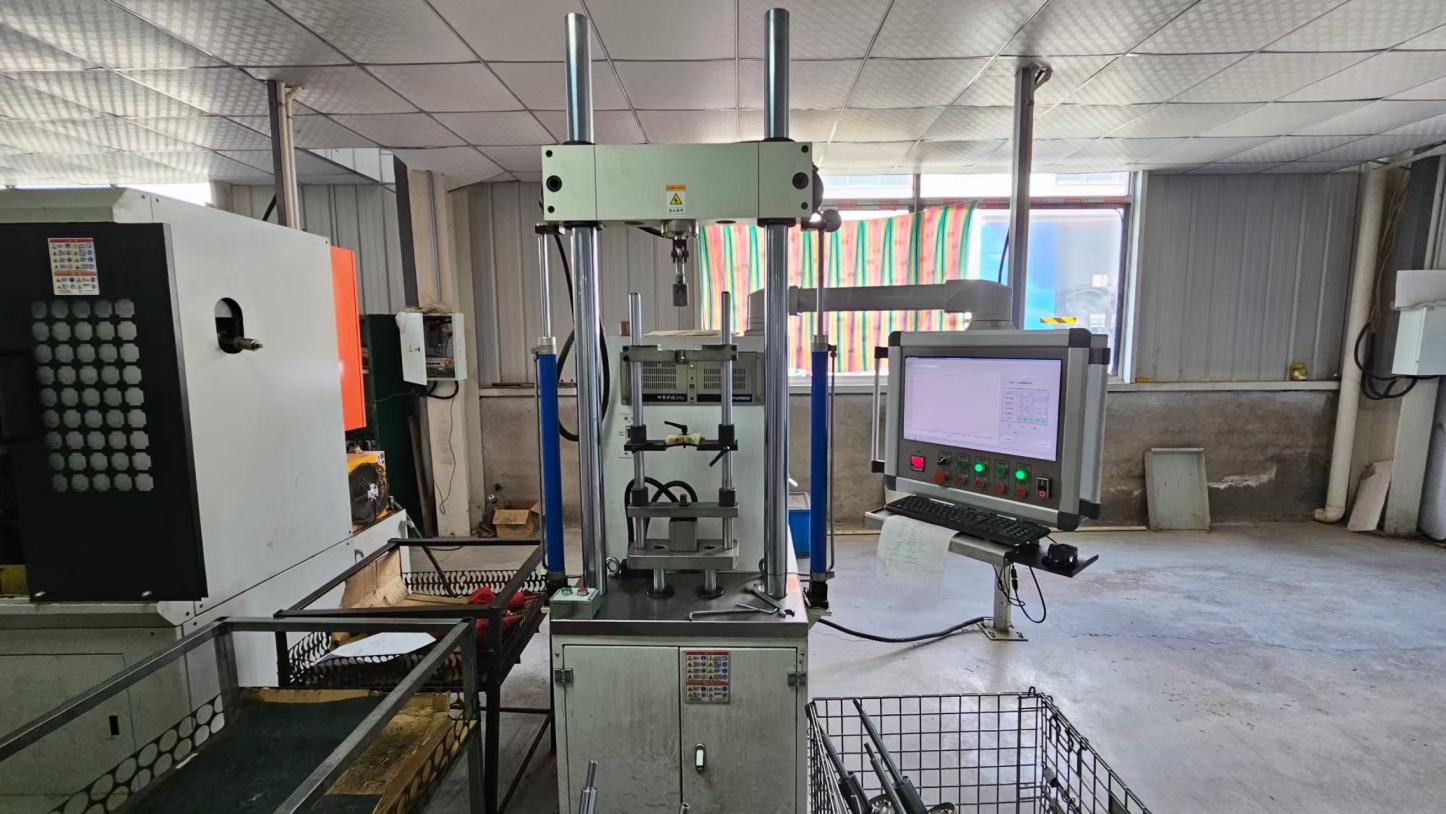
QC Electrical Test
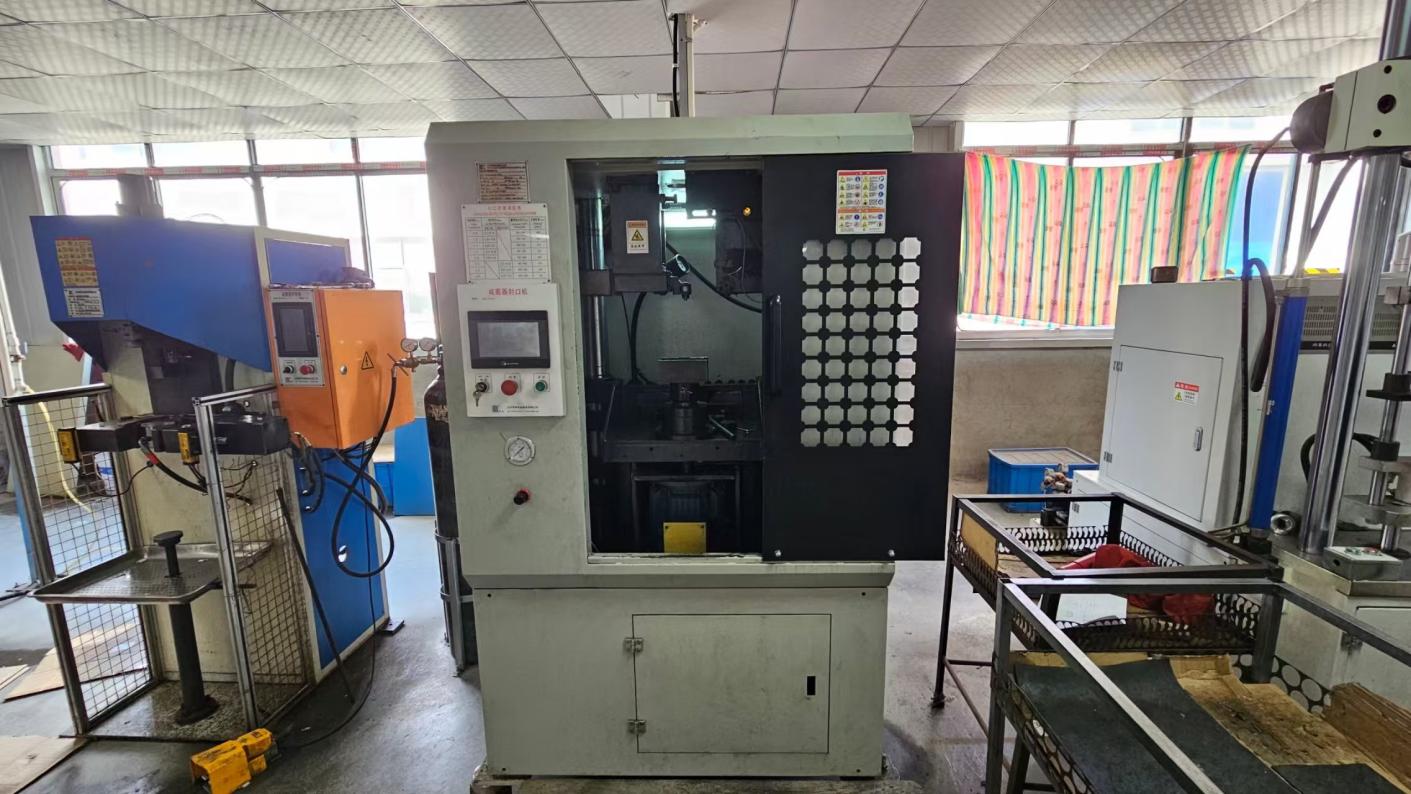
Vacuum Sealing
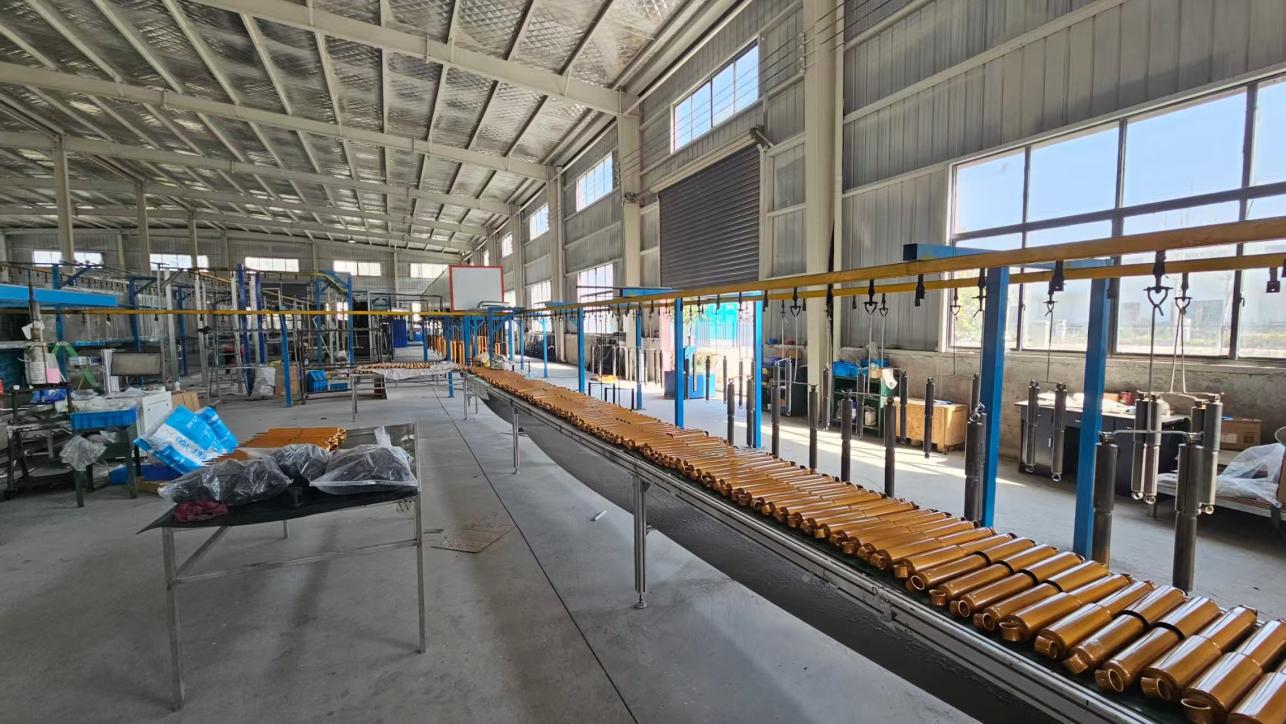
Automated Coating
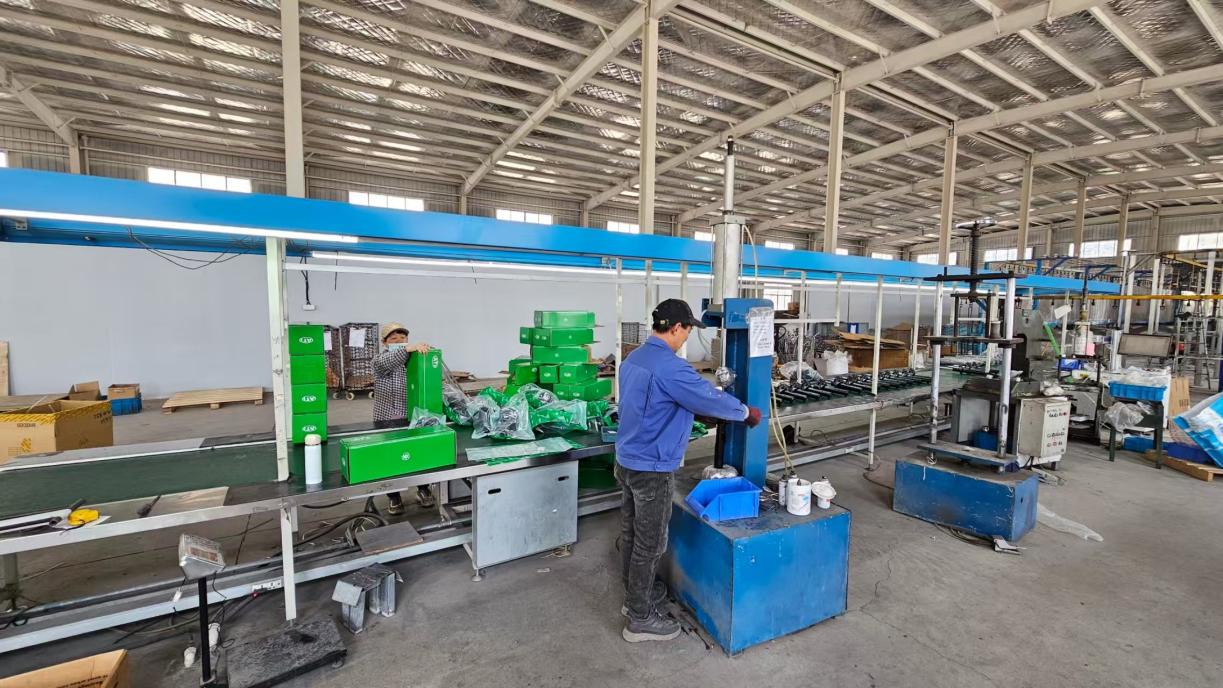
Export Packaging
For large-scale importers and fleet owners in Uganda, we provide more than just components. We offer Friction Lifecycle Management. By analyzing wear data from various African regions, we have developed a Hybrid-Metallic sensor housing that resists the alkaline dust found in the East African Rift Valley. This information increment—knowing the specific environmental stressors—allows our partners to extend maintenance intervals by up to 22%, drastically reducing the Total Cost of Ownership (TCO) for logistics companies operating between Mombasa and Kampala.
Q1: How do I know if the sensor is compatible with Uganda's high-temperature conditions?
Our sensors are tested up to 400°C and use Teflon-insulated wiring which prevents melting during intense braking on steep descents or heavy Kampala traffic.
Q2: Do you offer bulk shipping to Uganda?
Yes, we have a streamlined logistics pipeline for East Africa. We handle all export documentation and ensure products are packed to withstand sea-freight humidity.
Q3: Why should I choose WAS Auto over cheaper generic alternatives?
Safety and E-E-A-T. Cheap sensors often fail prematurely due to poor insulation, leading to false alarms or, worse, failure to alert when pads are dangerously thin. Our OE-certification ensures your vehicle safety systems remain intact.