WAS Auto
Industrial & Environmental Realities in Antigua and Barbuda
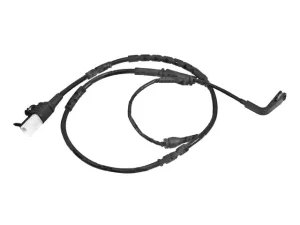
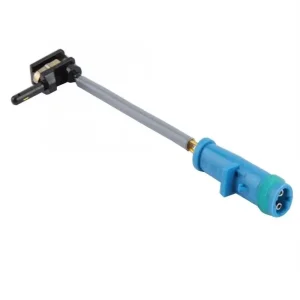
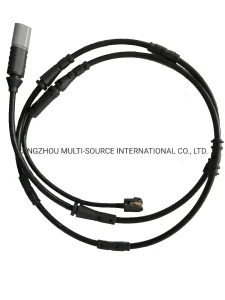
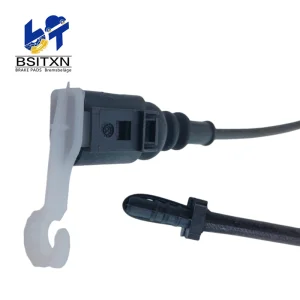
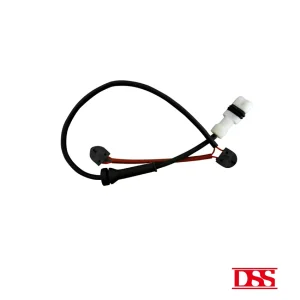
Located in the heart of the Leeward Islands, Antigua and Barbuda presents a unique landscape for automotive component wear and supply chain logistics. With its thriving tourism sector driving passenger transit fleets, taxi associations, and car rental agencies, the demand for highly reliable, OEM-grade brake safety systems is paramount. However, local environments pose severe challenges to traditional brake wear indicators.
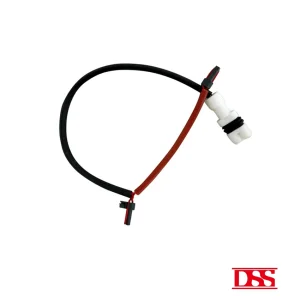
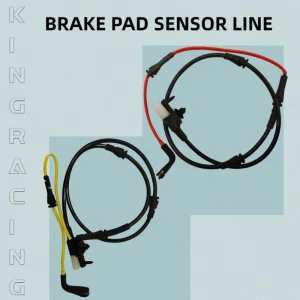
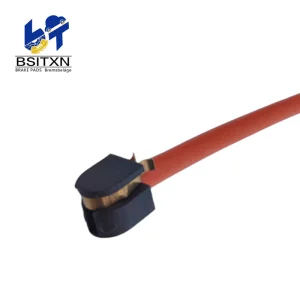
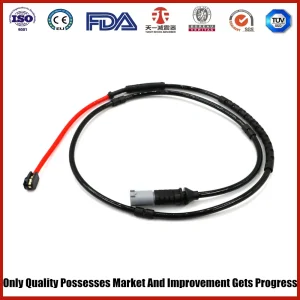
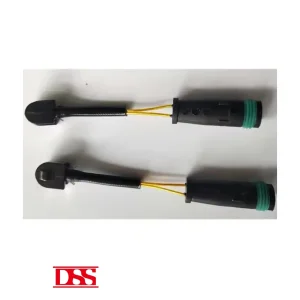
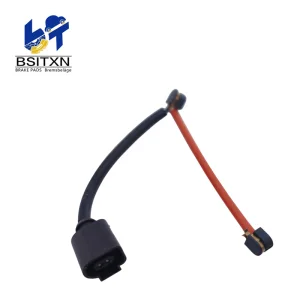
The combination of high atmospheric salinity, intense tropical humidity, and ambient temperatures exceeding 32°C introduces accelerated electrochemical galvanic corrosion in vehicle chassis components. Standard electronic brake wear sensors often fail prematurely due to micro-cracking of the plastic housing or moisture intrusion along the copper conductors. This creates a high risk of sensor failure—either reporting false warning lights to vehicle instrument clusters or failing to alert drivers when friction material is dangerously low.
For B2B procurement managers and fleet operations directors operating within St. John's and across the wider Caribbean Community (CARICOM), sourcing brake components designed specifically to resist these saline and thermal stressors is crucial. Utilizing materials such as high-temperature polyphenylene sulfide (PPS) for the sensor head housing and fluorinated ethylene propylene (FEP) for the cable insulation ensures prolonged lifetime, minimized vehicle downtime, and unmatched passenger safety.