WAS Auto
WAS Auto
WAS Auto
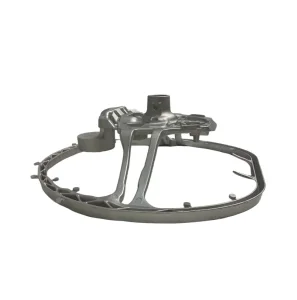
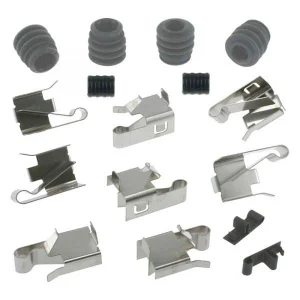
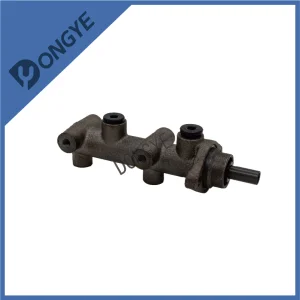
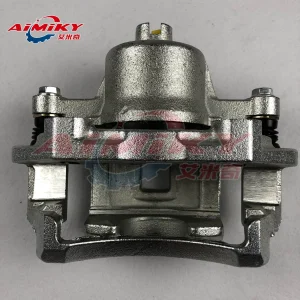
In the global automotive supply chain, the caliper bracket serves as the structural foundation of the disc brake assembly. Tasked with bearing the massive torsional forces generated during deceleration, this component links the brake caliper to the steering knuckle or spindle. Minor structural deviations or metallurgical defects can compromise the alignment of the brake pads, leading to uneven wear, rotor warping, localized thermal hotspots, or catastrophic structural failure.
For B2B procurement managers, sourcing caliper brackets is not merely a pricing negotiation. It is a critical audit of engineering integrity, casting methods, CNC machining tolerances, and surface treatments. This guide breaks down the global manufacturing ecosystem, highlighting the competitive advantages of modern production hubs—specifically in regions like Shandong, China—while providing a data-backed blueprint to evaluate top-tier suppliers.
Depending on the application—from lightweight passenger Electric Vehicles (EVs) to heavy commercial transport—the mechanical demands on caliper brackets vary significantly. In EVs, the bracket must handle long-term exposure to road salts with minimal usage due to regenerative braking, which requires high-grade rustproofing like Geomet or E-coating. Conversely, commercial fleet brackets must survive constant thermal cycling.
| Material Specification | Tensile Strength (MPa) | Yield Strength (MPa) | Typical Application Scenario | Corrosion Resistance Coating |
|---|---|---|---|---|
| Ductile Iron QT450-10 | ≥ 450 | ≥ 310 | Standard Passenger Cars / Daily Commuters | Zinc Electroplating / Hexavalent Chrome-Free |
| Ductile Iron QT500-7 | ≥ 500 | ≥ 320 | High-performance SUVs / Commercial Trucks | Geomet 321/500 Coating |
| Gray Cast Iron HT250 | ≥ 250 | -- | Legacy Fleet Systems / Heavy-Duty Static Brackets | Black Electrodeposition Coating (E-Coat) |
| Aluminum Magnesium Alloy | ≥ 300 | ≥ 220 | Premium Performance EVs / Lightweight Racing | Anodized Anti-Oxidization Treatment |
The manufacturing process dictates performance. Spheroidal graphite (ductile) cast iron has replaced gray cast iron in modern caliper brackets due to its superior ductility and impact resistance. This prevents sudden failure under panic-braking loads.
For global Tier-1 automotive suppliers, sourcing caliper brackets from China provides a competitive edge driven by manufacturing clusters, deep technical capabilities, and integrated supply chains. Industry-leading hubs in Shandong leverage adjacent metal casting foundries and CNC machinery hubs to lower transit times and raw material costs. Key advantages include:
Shandong WAS Auto Co., Ltd. was established in 2014, specializing in the manufacturing of high-quality automotive brake components, including brake pads, brake discs, and brake shoes for all types of passenger vehicles. Over the years, WAS Auto has developed a variety of advanced brake pad formulations, including ceramic, semi-metallic, carbon-ceramic, and NAO (non-asbestos organic). Our products are known for their excellent high-temperature resistance, outstanding wear resistance, low noise, minimal dust, and consistent quality, ensuring reliable braking performance in all driving conditions.
Recognizing the critical importance of braking systems in vehicle safety, we focus not only on product quality and performance but also on environmental responsibility and technological innovation. Every product undergoes rigorous testing and quality control to ensure it performs excellently in diverse driving environments.
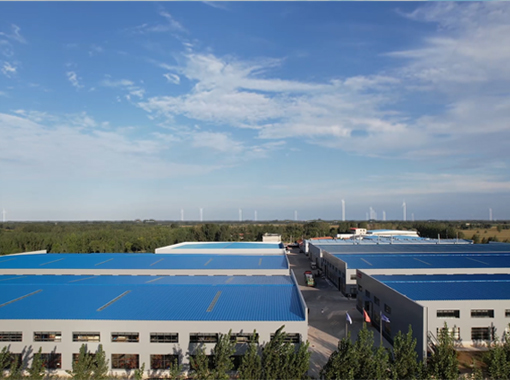
Our manufacturing facility is equipped with 80 hot pressing machines, 5 automated spraying lines, and precision grinding equipment, all integrated into a fully automated production system. This advanced production infrastructure allows us to maintain strict quality control, optimize production efficiency, and meet the highest industry standards. With these capabilities, we are able to handle large-scale production while ensuring each product meets our exacting standards of excellence.
Over the past 11 years, WAS Auto has steadily expanded its presence in international markets. Our products are now exported to regions including the Middle East, East Asia, North America, and South America, and have earned positive reviews and trust from our customers. We not only meet the demands of these markets with strict quality standards but also offer customized solutions tailored to the unique needs of each region. Our products are widely used in various sectors, including passenger vehicles, commercial vehicles, and high-performance racing cars.
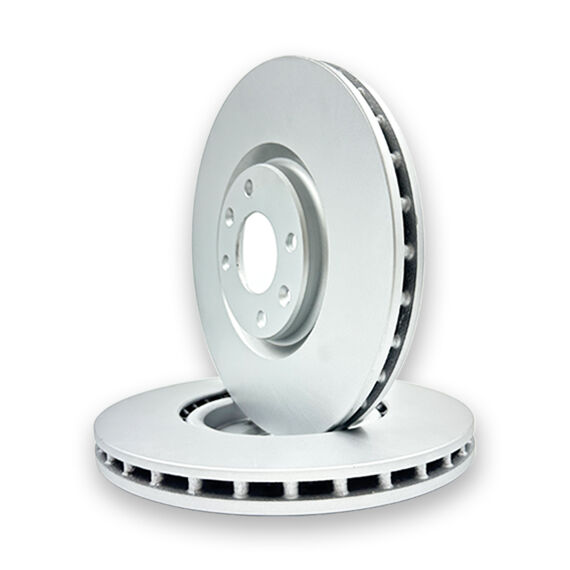
From raw cast billet to the final anti-corrosion layer, explore how our engineering workflows ensure consistent safety and performance.
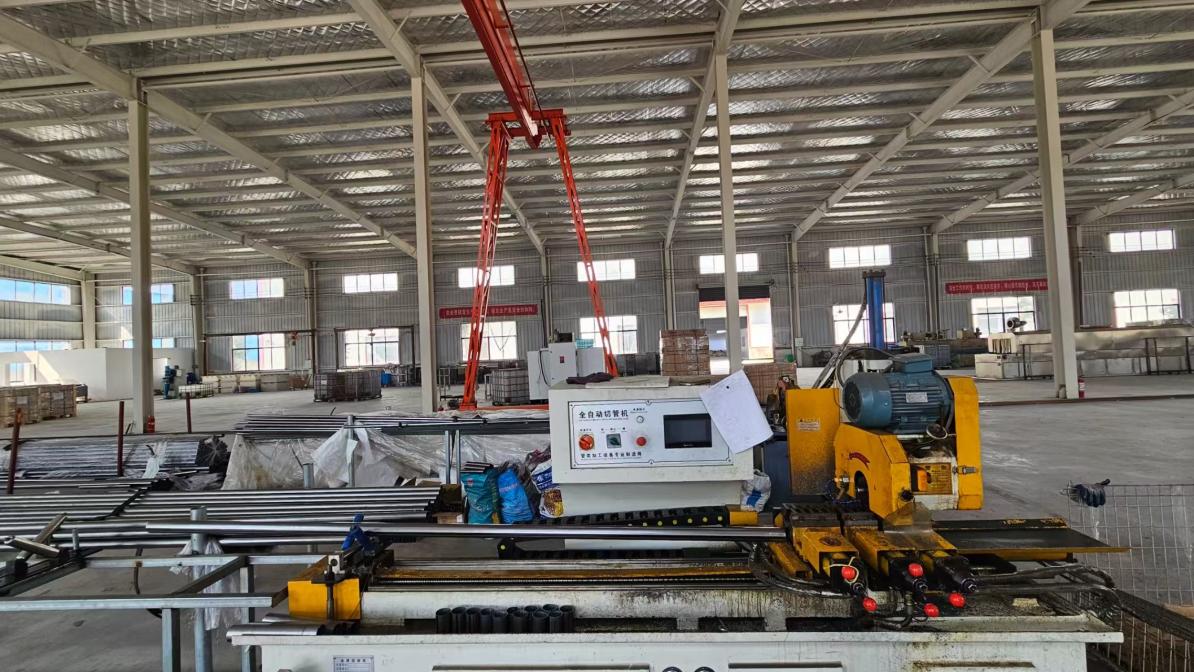
High-precision raw material shearing and sizing ensures the initial billets match density requirements.
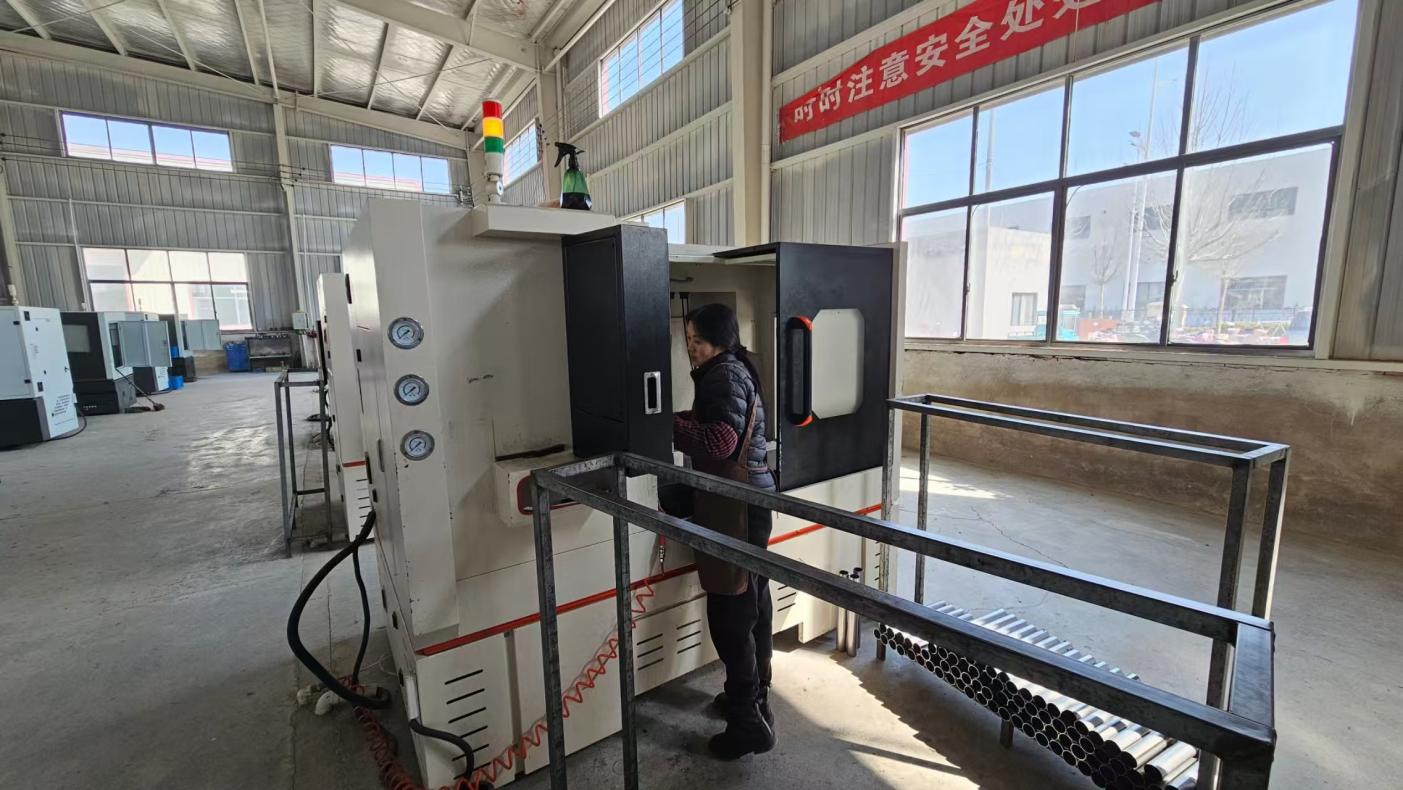
Removing sharp edges and burrs prepares the contact interfaces for subsequent machining stages.
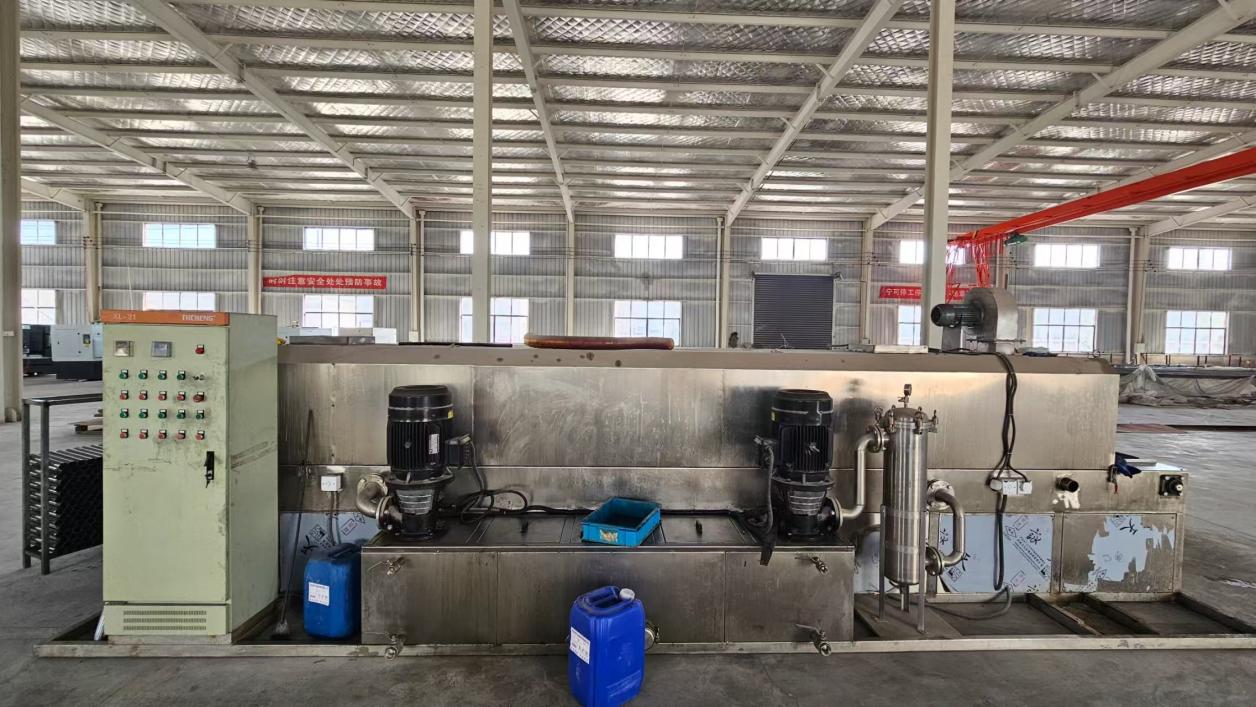
Ultrasonic degreasing and particle wash processes remove oil residues and microscopic metal dust.
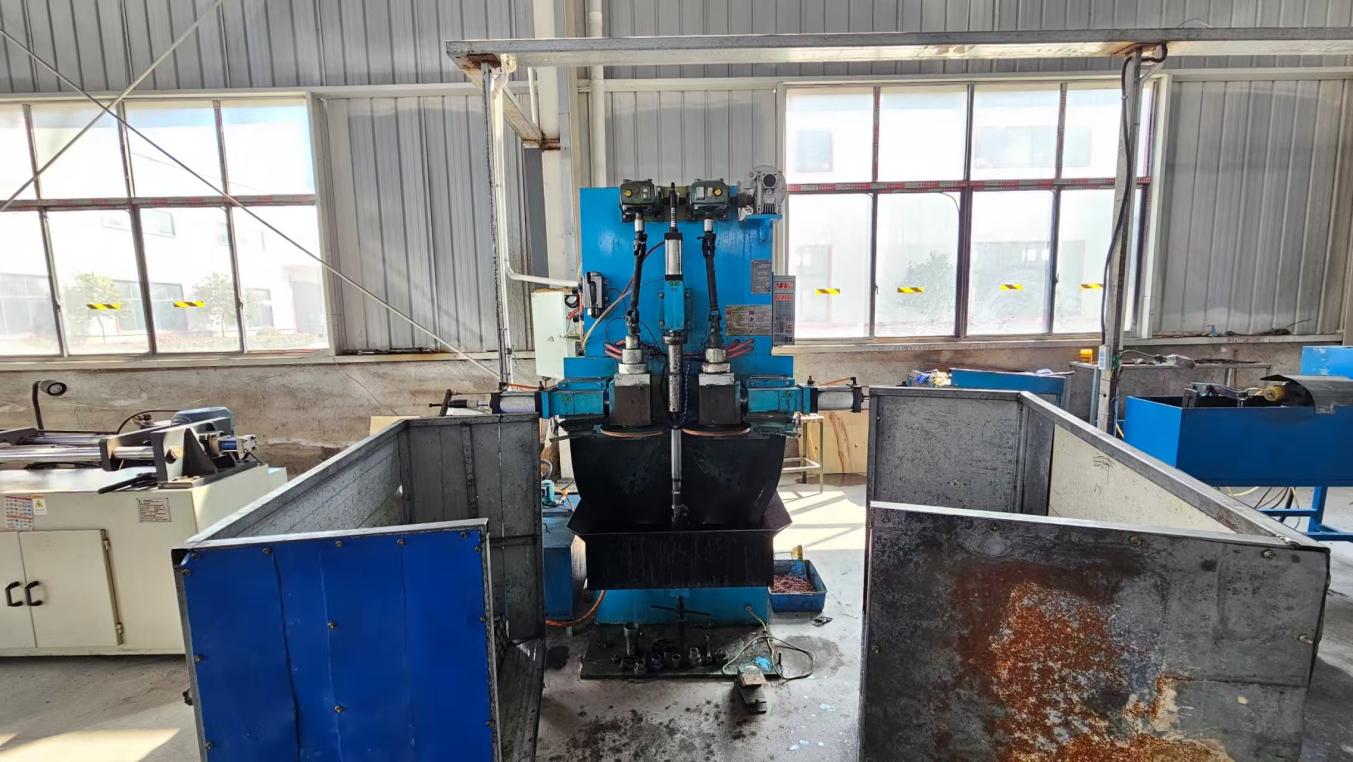
Structural components undergo primary structural welding under inert gas shielding.
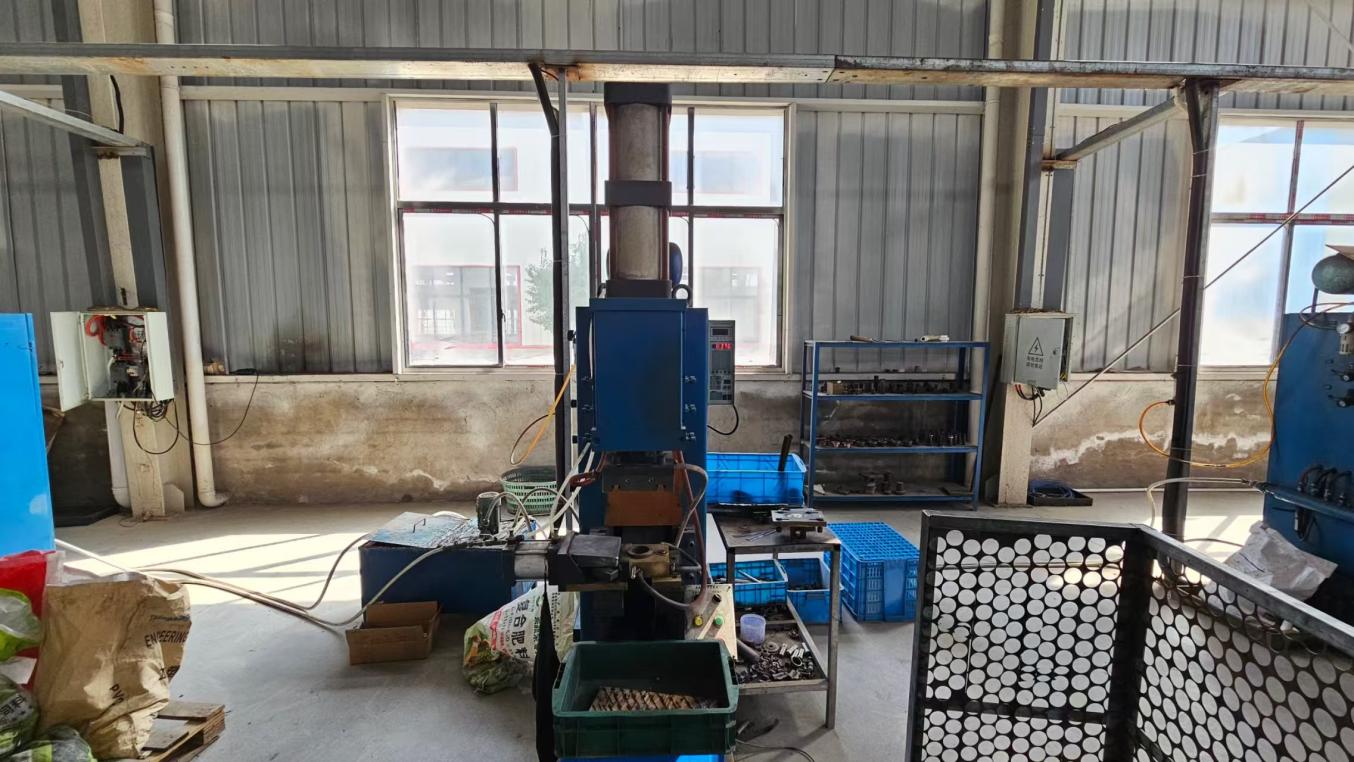
Reinforcement welding secures mounting lugs to handle high-torque stopping conditions.
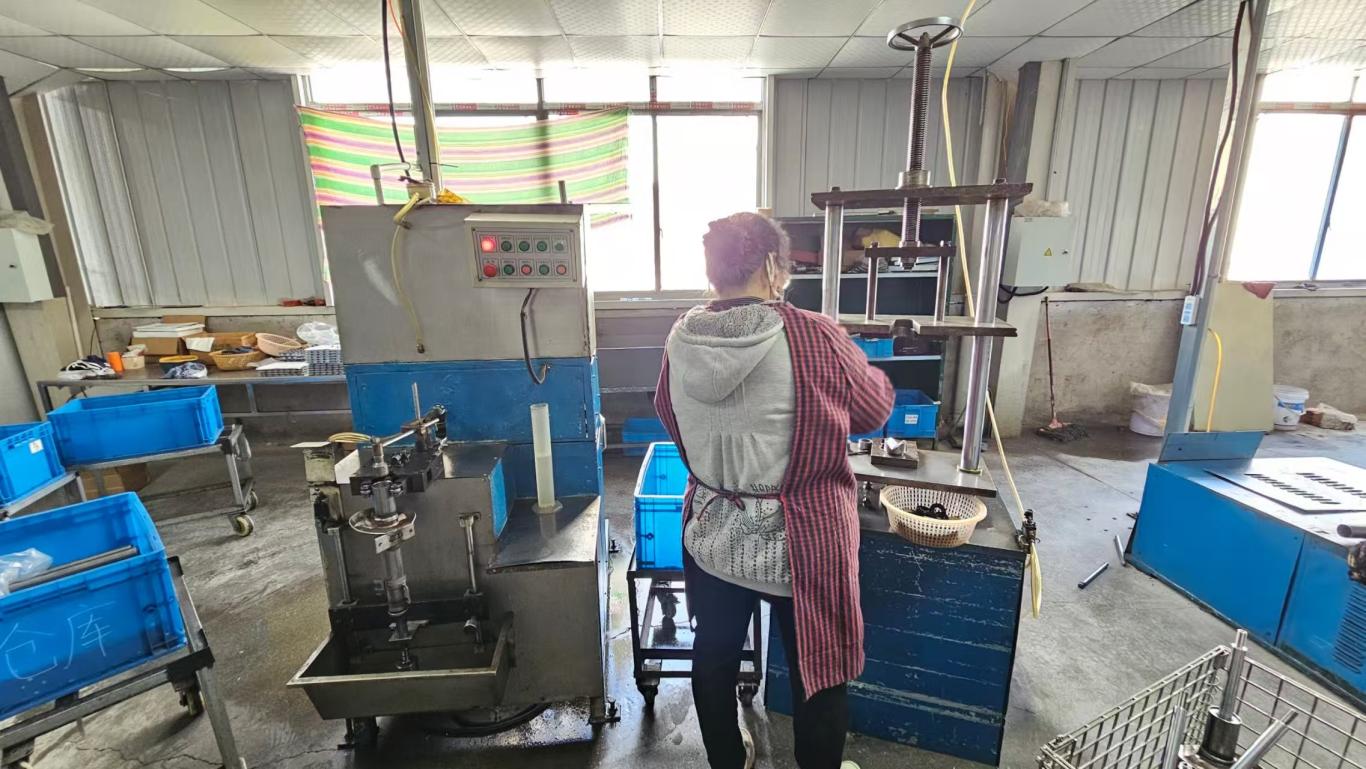
Applying anti-corrosion rust-preventative oil preserves raw metal surfaces between processing steps.
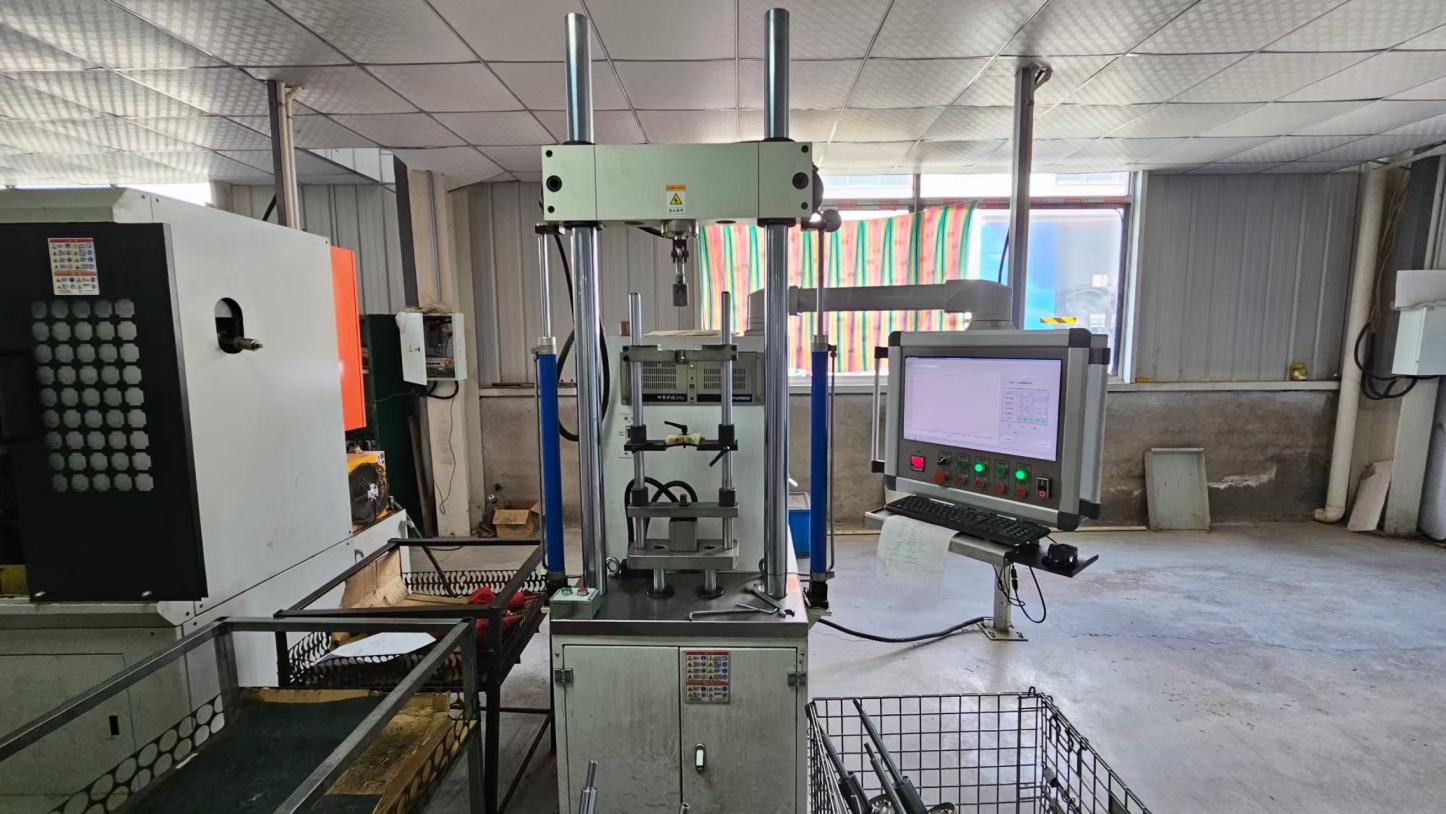
Non-destructive testing (NDT), dimensional verifications, and stress trials confirm structural safety.
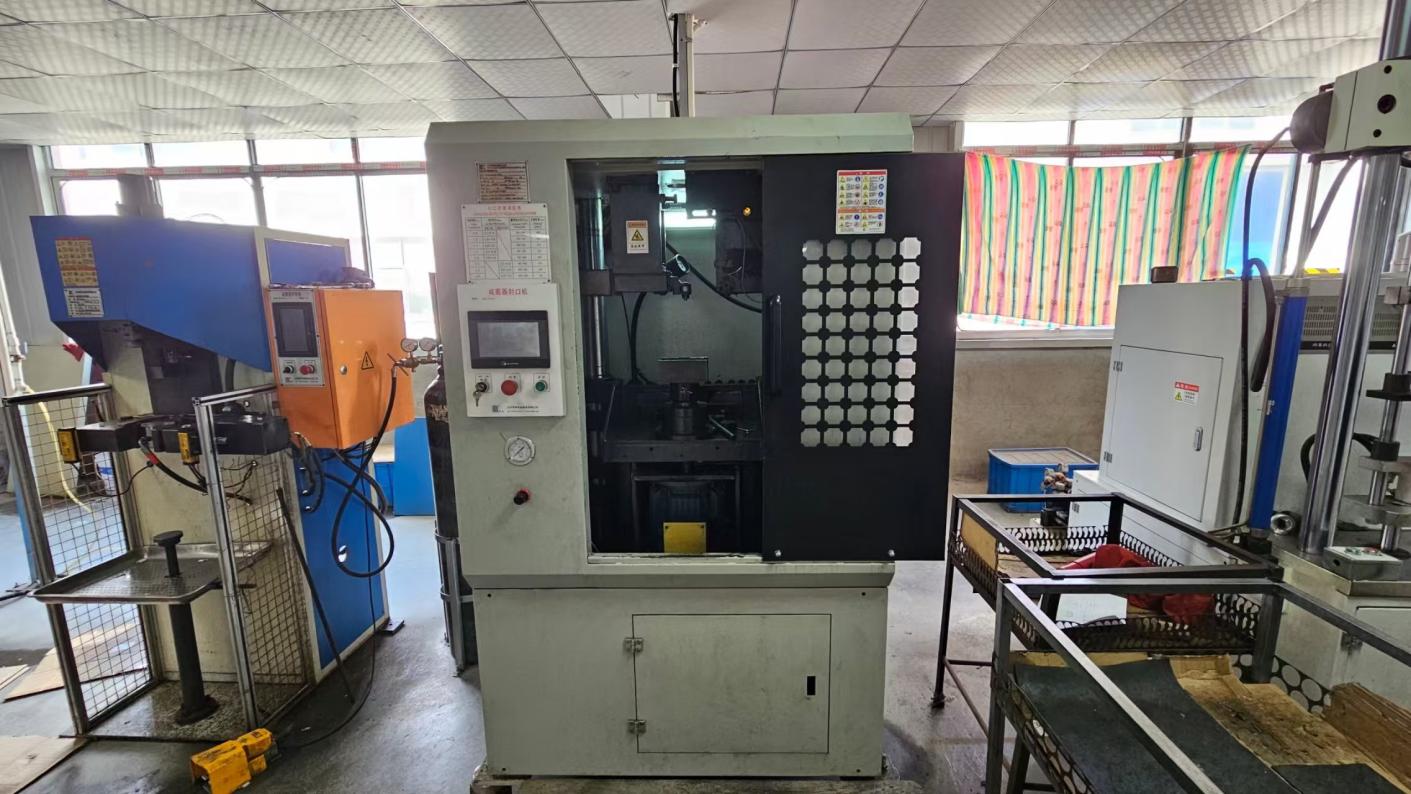
Applying high-performance sealants protects joint surfaces from moisture and road grit.
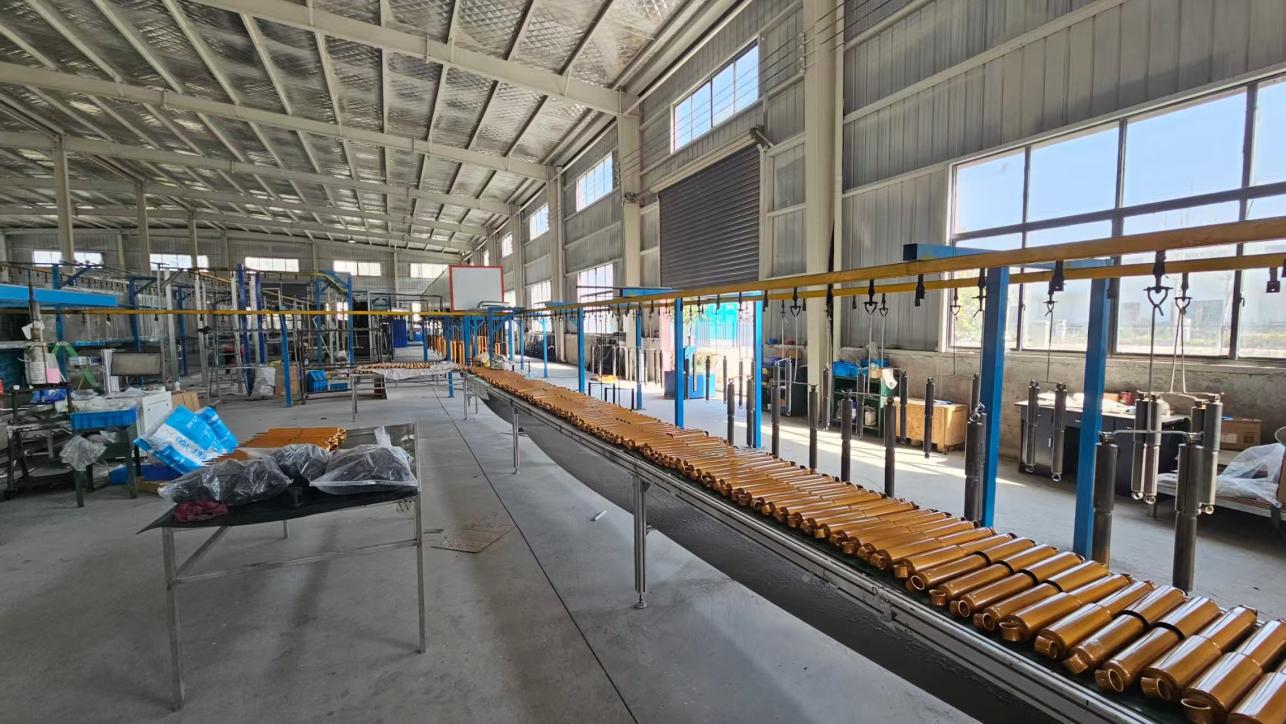
An automated paint line applies high-temperature anti-rust topcoats to all brackets.
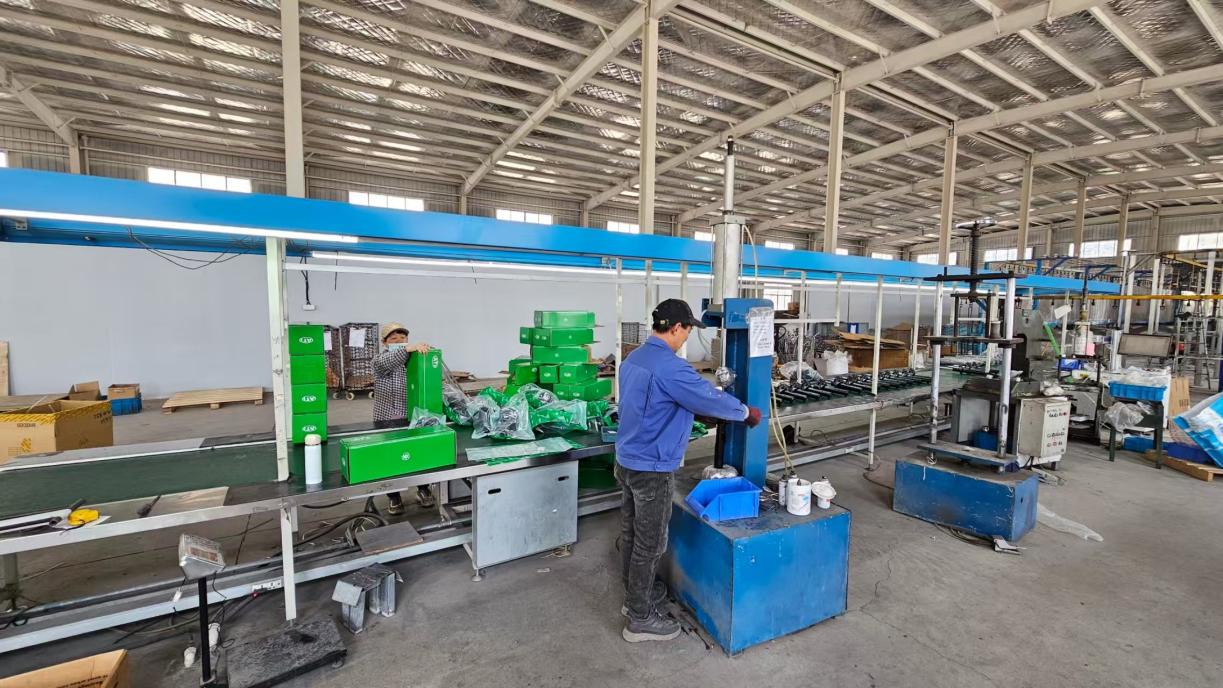
Secure VCI anti-rust wrapping and custom molded inserts protect components during transit.
Before issuing a Request for Quotation (RFQ) to any caliper bracket manufacturer, technical purchasing groups must verify the supplier's compliance across these engineering benchmarks:
Leading manufacturers like Shandong WAS Auto Co., Ltd. maintain advanced traceability systems. In these setups, every single casting is marked with a unique batch number, linking it to the raw material melt, furnace data, and specific CNC processing line.