WAS Auto
WAS Auto
WAS Auto
Premium OEM-grade replacement and diagnostic components designed for peak field endurance.
The global automotive manufacturing and inspection sectors have seen a monumental shift toward digitalized dynamic testing. A brake test bench is no longer just a mechanics' tool; it is the cornerstone of vehicle dynamic certification, active safety compliance, and OEM end-of-line verification. As heavy duty transport and high-performance passenger vehicles push boundaries, testing setups must accurately replicate high inertial loads, thermal stress cycles, and real-time electronic safety responses.
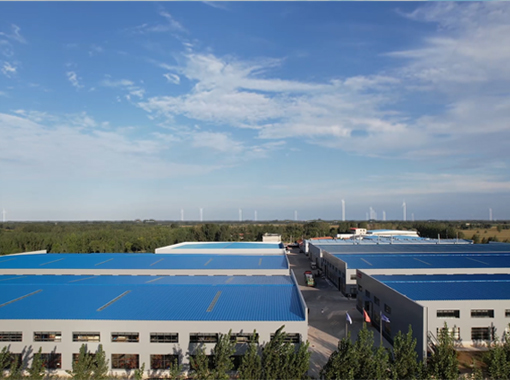
Shandong WAS Auto Co., Ltd., since its establishment in 2014, has sat at the intersection of precision friction manufacturing and diagnostic technology development. Standardizing on testing parameters defined by ECE R90, FMVSS, and ISO 21069, modern brake test benches enable continuous performance evaluations, torque calculations, and friction factor analysis across multi-axle configurations.
Analyzing key advancements, vehicle integration, and high-frequency data collection systems.
The global transition to electric mobility has introduced complex regenerative braking systems where friction components interact seamlessly with electric motor braking. Modern brake testing benches must decouple these dynamics to isolate raw pad/disc friction coefficients and assess safety margins during battery management system (BMS) failures.
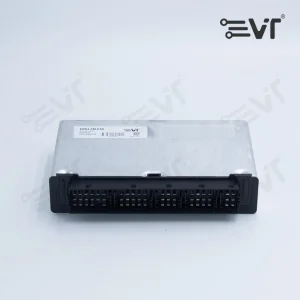
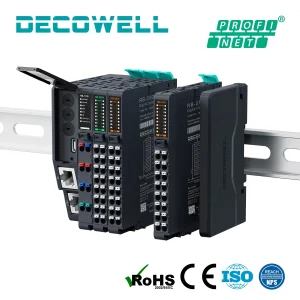
Contemporary test setups demand low-latency, modular instrumentation. Utilizing high-performance hot-swappable expansion IO modules supporting EtherNet/IP, Modbus RTU, and Profinet guarantees that load cells, optical tachometers, and hydraulic sensors feed microsecond-precise telemetry back to Central Diagnostics.
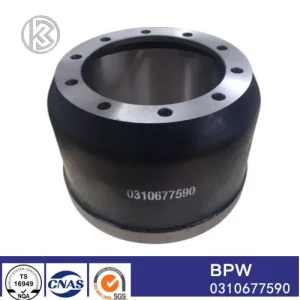
Heavy-duty applications like transit and heavy-haul truck configurations generate severe thermal gradients exceeding 600°C. Testing must involve real-world duty cycles to monitor structural deformation, brake fade boundaries, and out-of-round expansion metrics across cast iron drums and ventilated carbon-ceramic rotors.
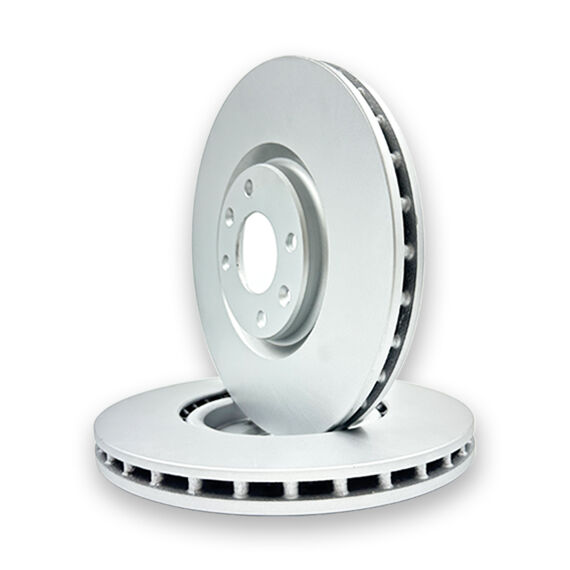
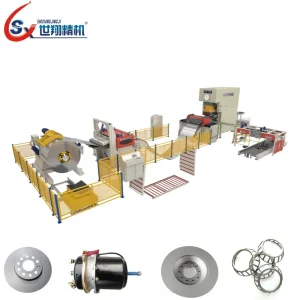
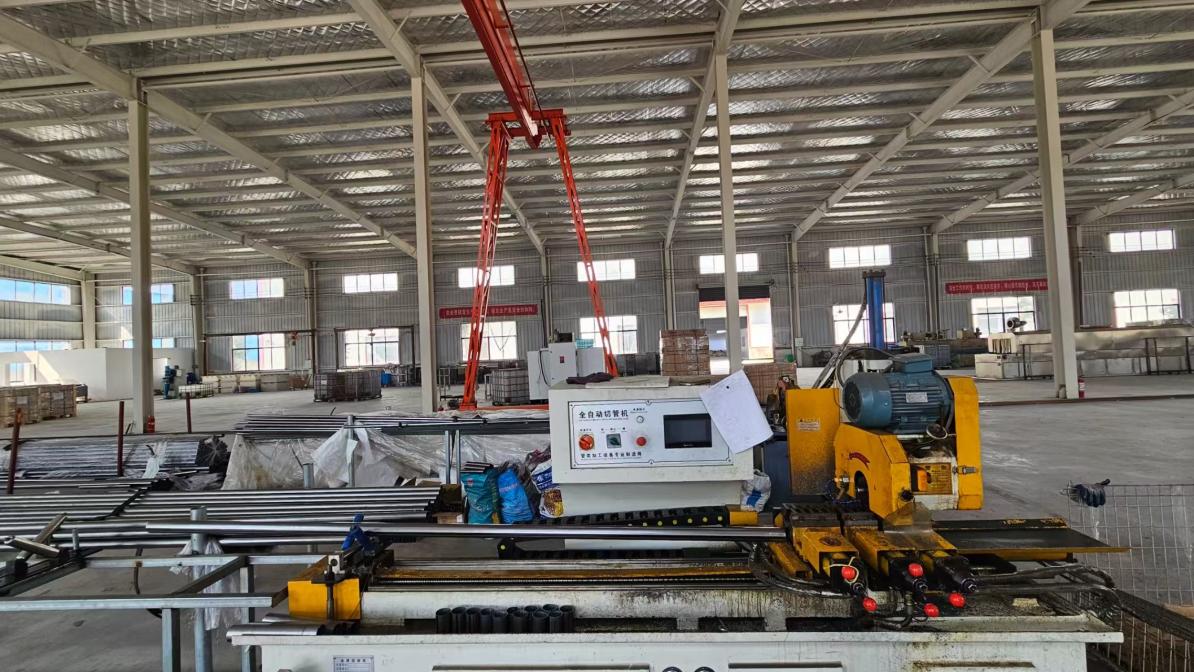
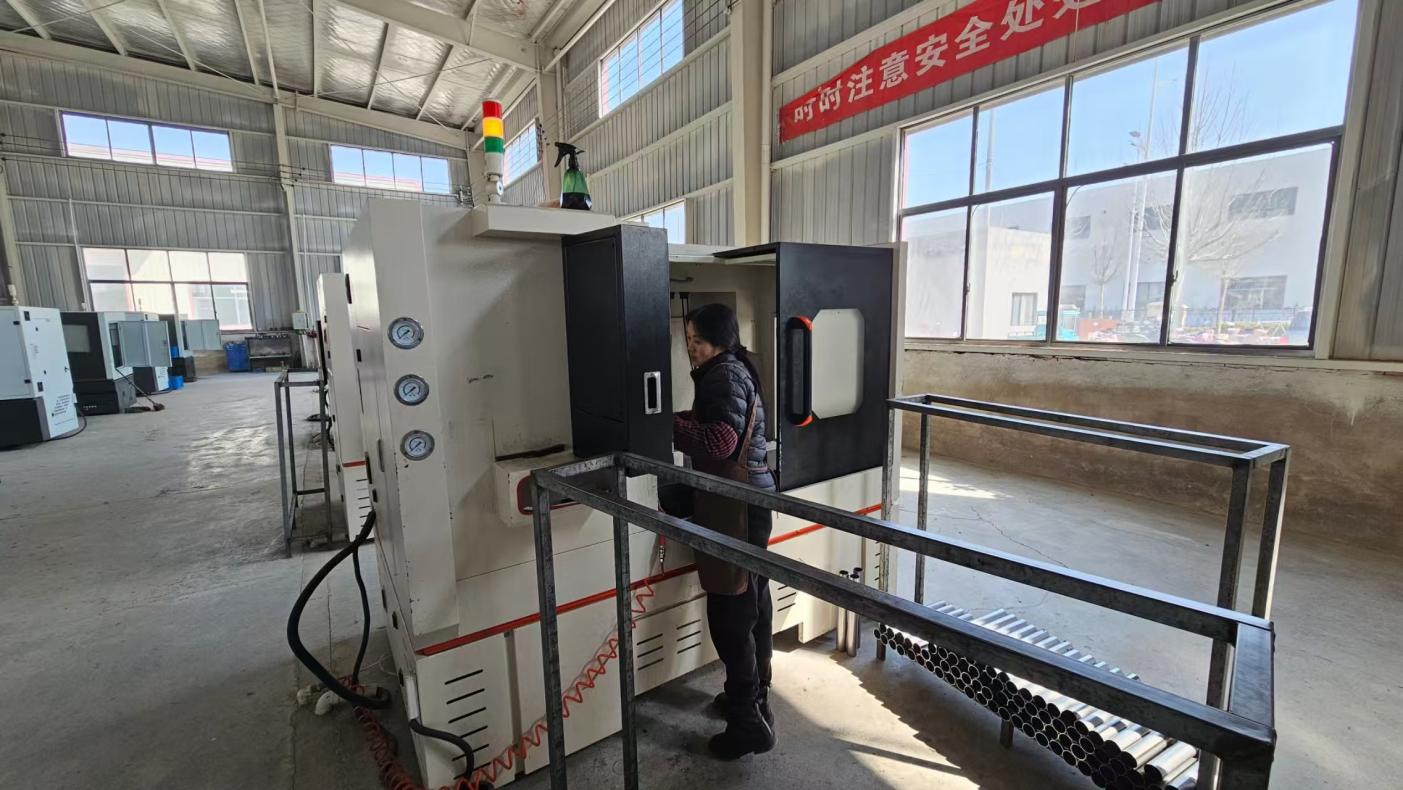
Shandong WAS Auto Co., Ltd. leverages a highly optimized production pipeline. Our facility houses 80 heavy-duty hot pressing machines, precision grinders, and fully automated spray lines. This layout enables high-capacity output and guarantees strict adherence to tolerances down to the sub-micron level.
A sequential breakdown of our industrial production and integrated quality inspection stages.
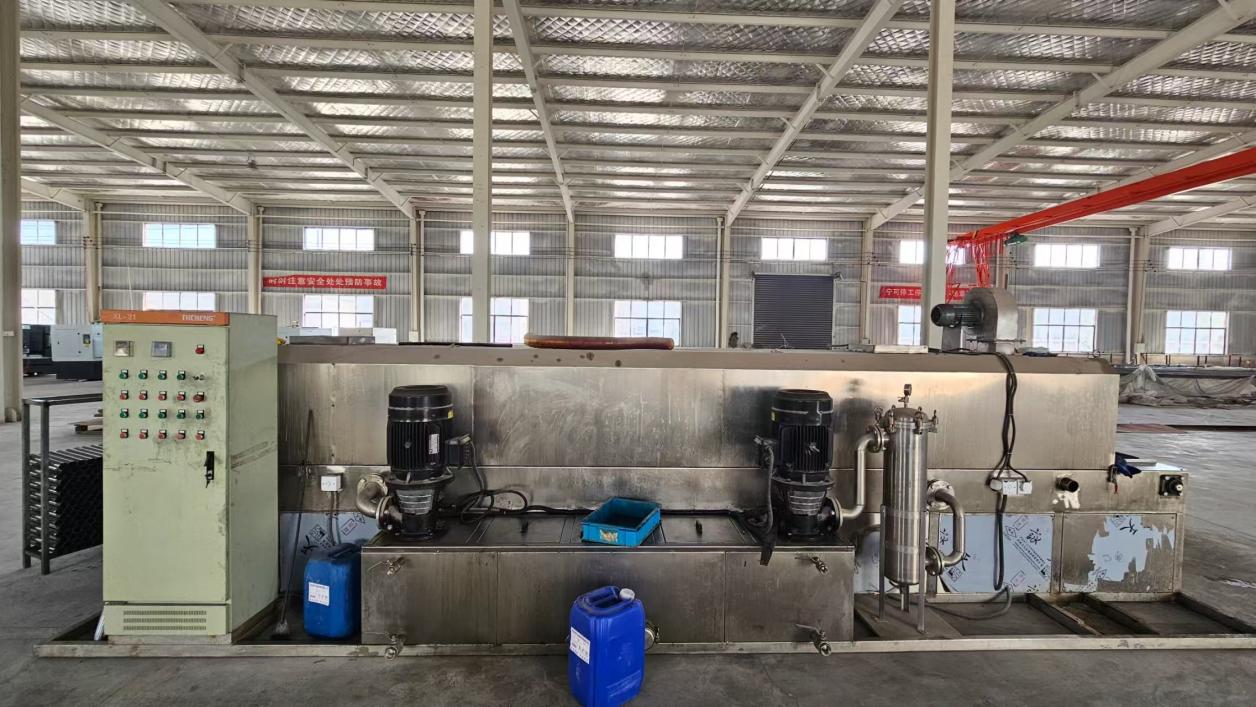
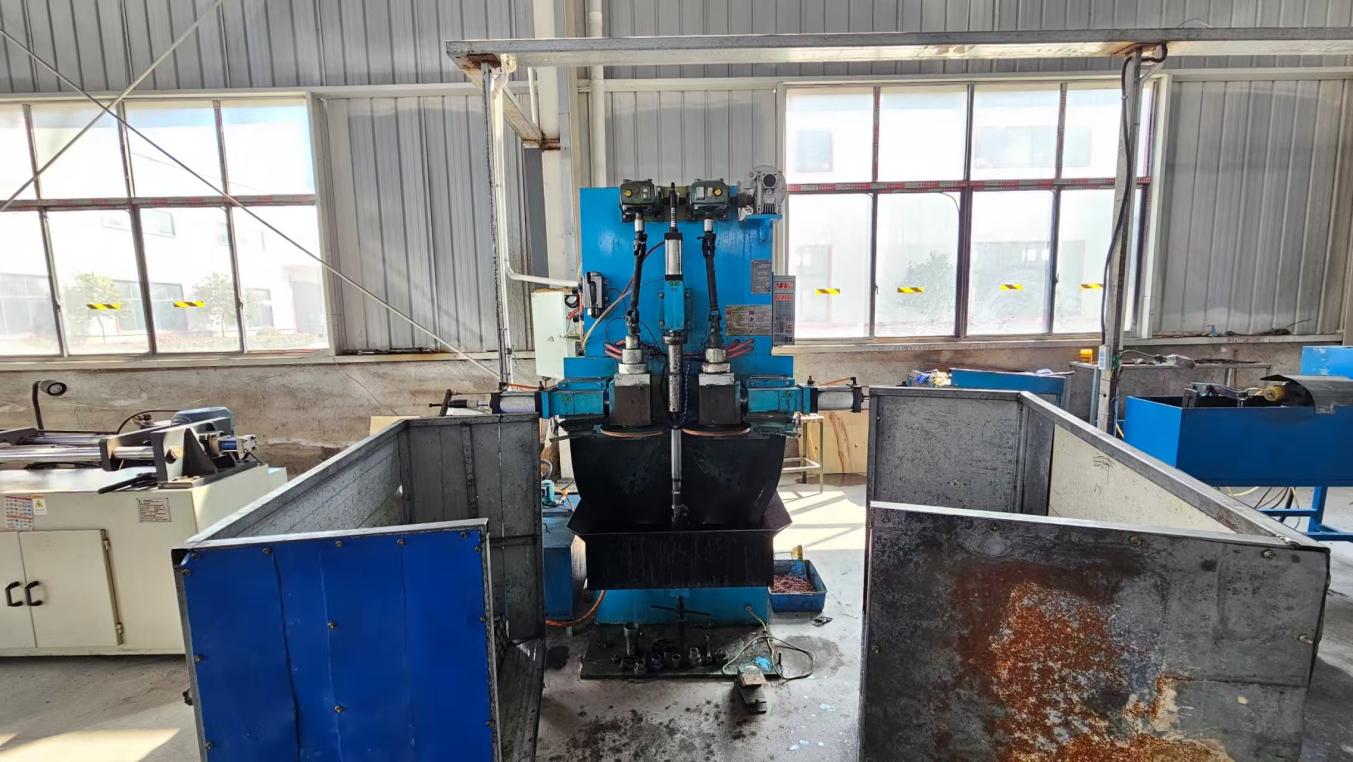
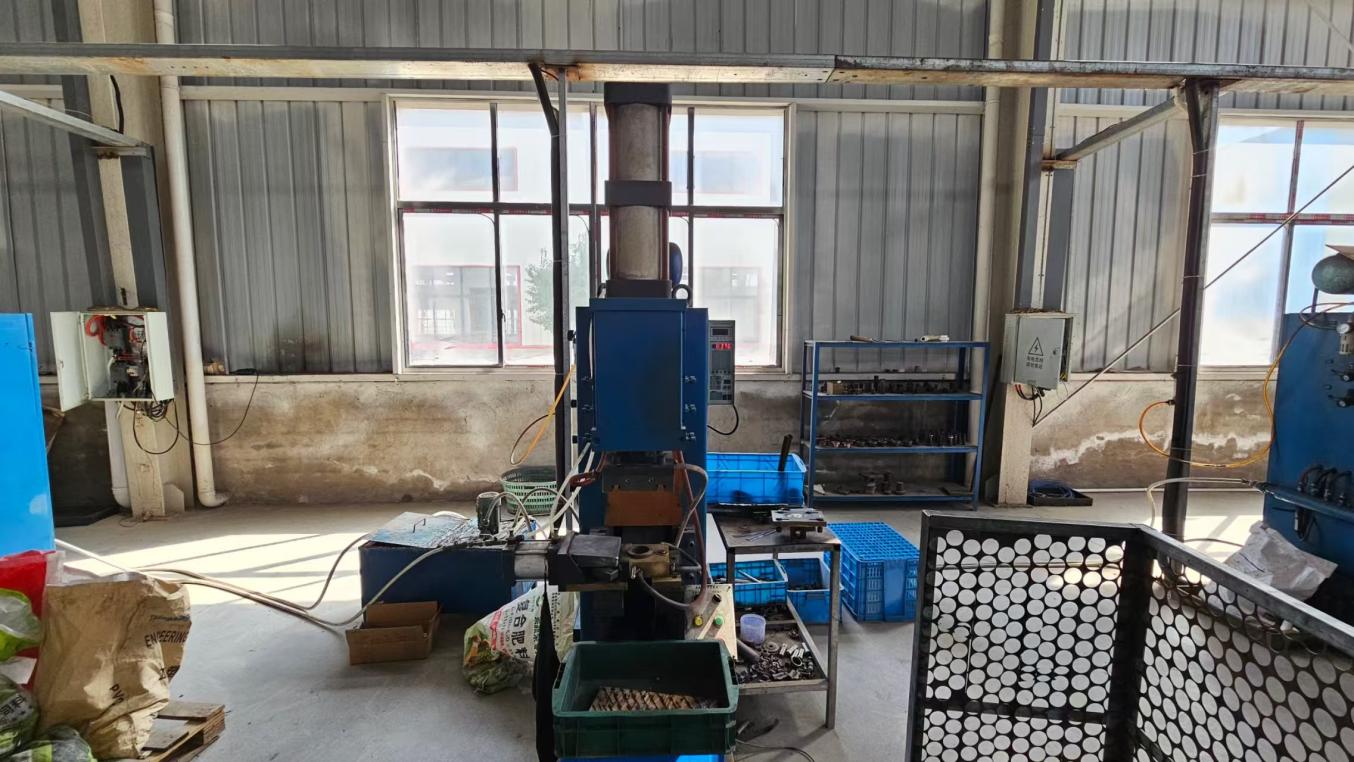
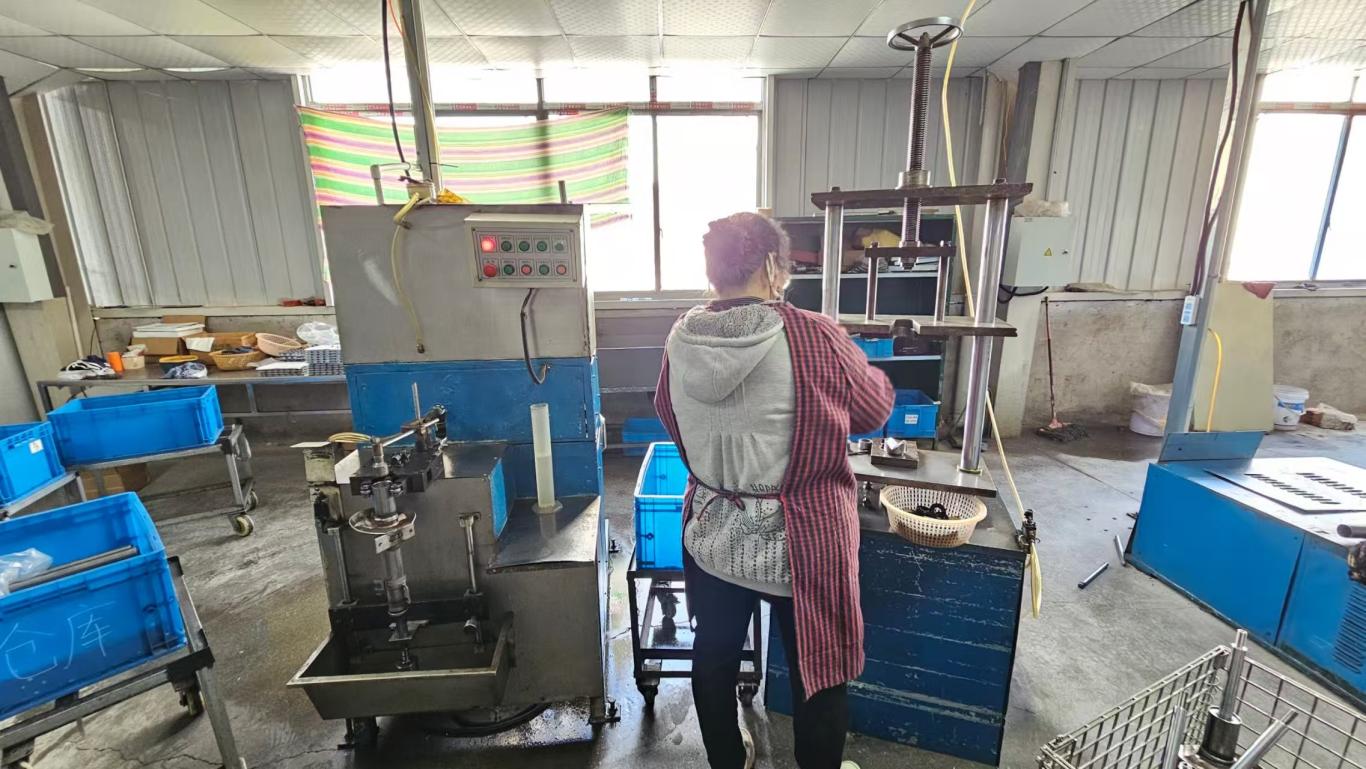
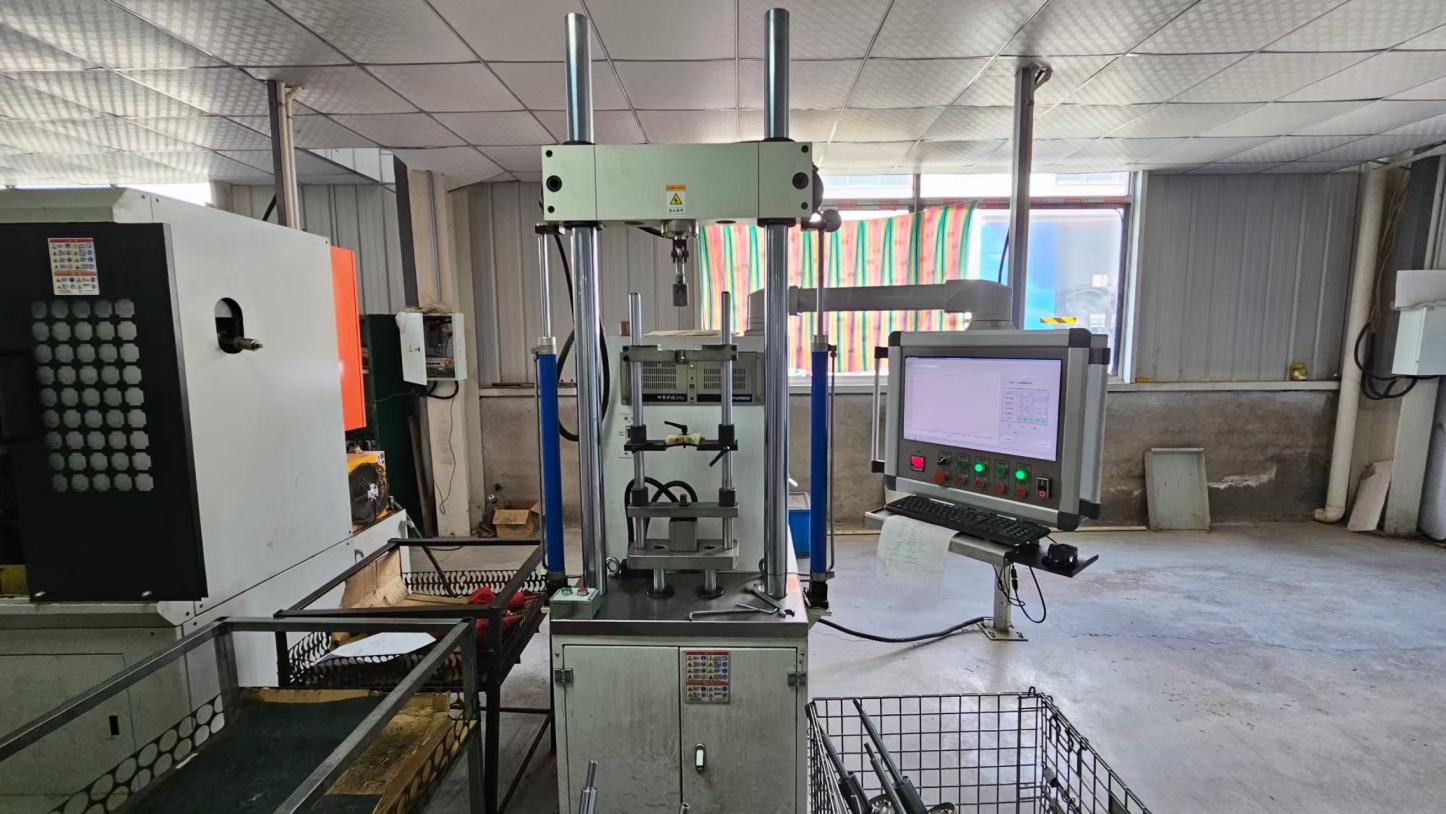
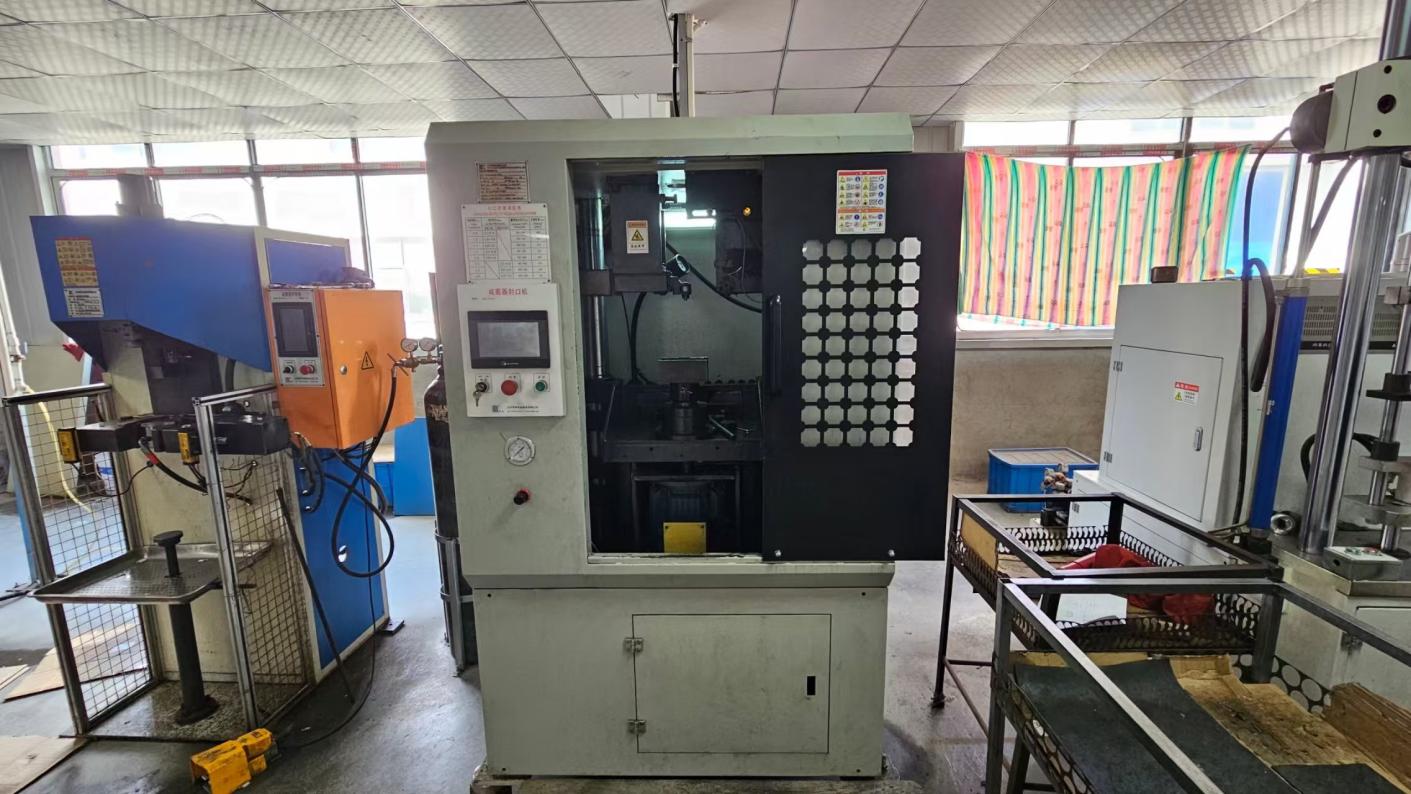
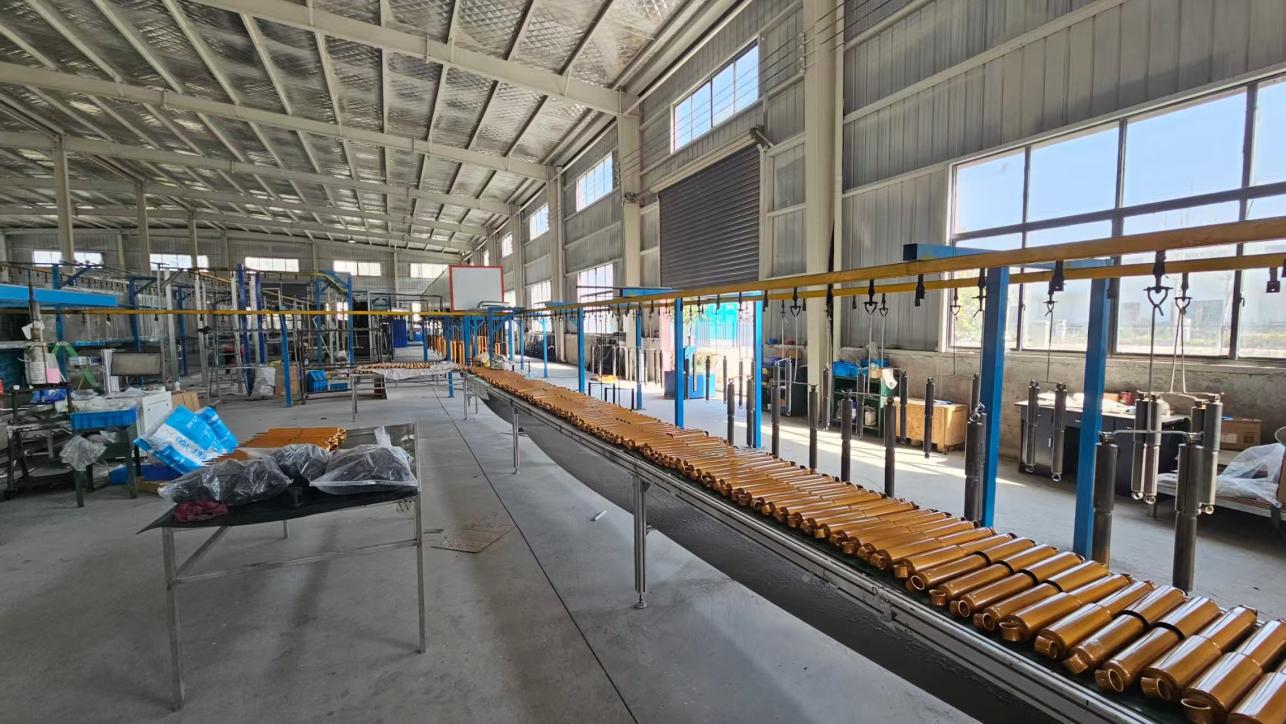
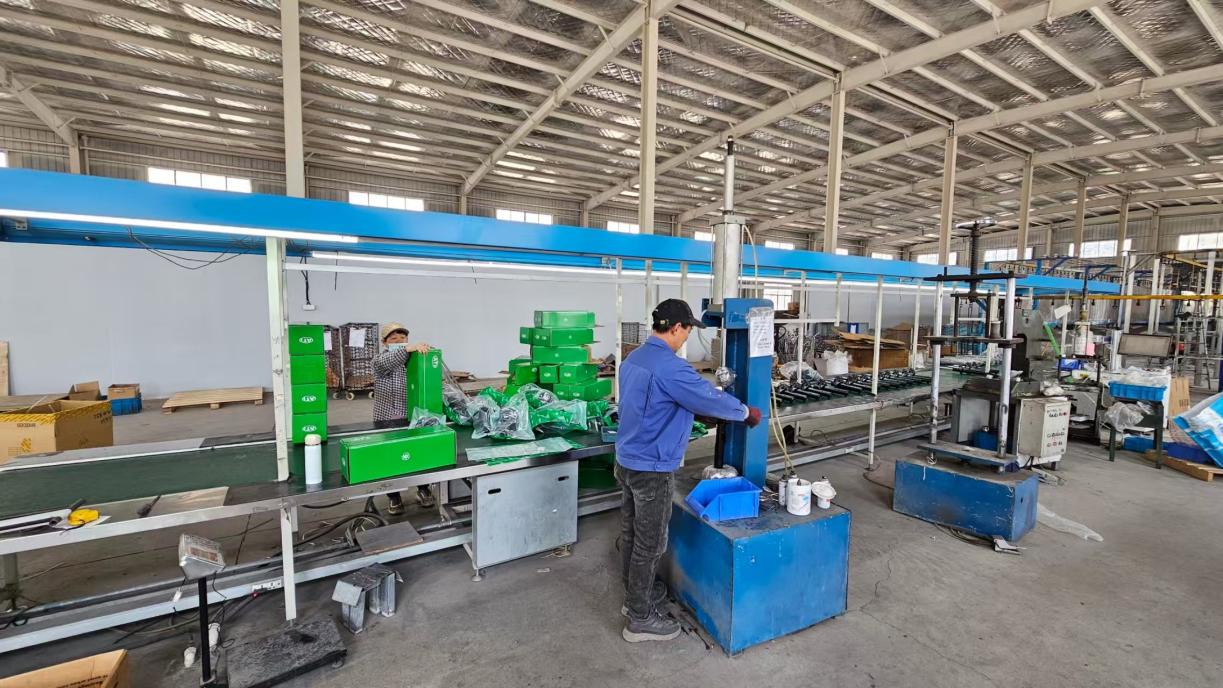
Tailoring active testing methodologies for global logistics hubs and municipal fleet operations.
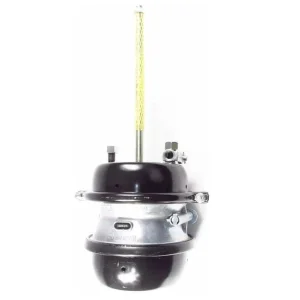
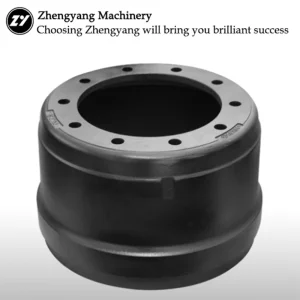
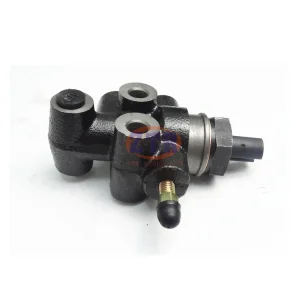
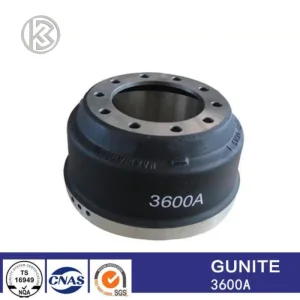
Heavy-duty Class 8 commercial vehicles rely on pneumatic brakes (air brake chambers like T3030 and dynamic proportioning valves) operating at peak system pressures. Out-of-spec actuation latency can lead to trailer jackknifing. A roller-based brake test bench measures individual dynamic tire-to-roller braking forces, validating ABS valve pulsing and wear limits. This helps fleet mechanics replace high-temperature wear components like 3600A cast iron drums before highway failures occur.
Passenger safety and ride comfort require low-noise, vibration-free friction surfaces. By utilizing test benches that feature customized flywheels to simulate structural inertia, engineering teams can evaluate low-metallic and organic formulations under high load limits. Automated grinding and chamfer lines ensure friction materials eliminate low-frequency harmonic resonance before transit fleet installation.
Expert answers addressing the technical aspects of brake testing, system diagnostics, and hardware integration.
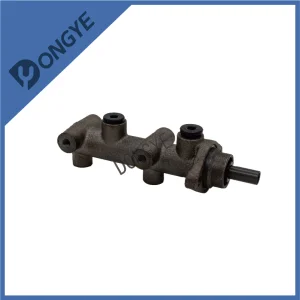
Essential sub-system hardware to maintain optimal operation on modern light, medium, and heavy-duty vehicles.