WAS Auto
WAS Auto
WAS Auto
In the high-stakes world of automotive safety, the Brake Pressure Regulator stands as a critical sentinel. As a leading Custom OEM Brake Pressure Regulator Manufacturer, Shandong WAS Auto Co., Ltd. understands that braking is not merely about stopping; it is about controlled deceleration, stability, and the intelligent distribution of hydraulic forces. This white paper explores the current industrial landscape, technological shifts, and future roadmaps of pressure regulation systems.
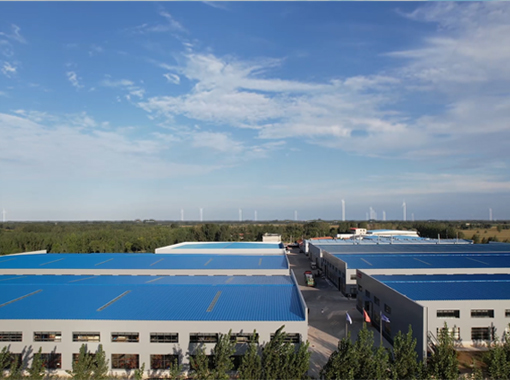
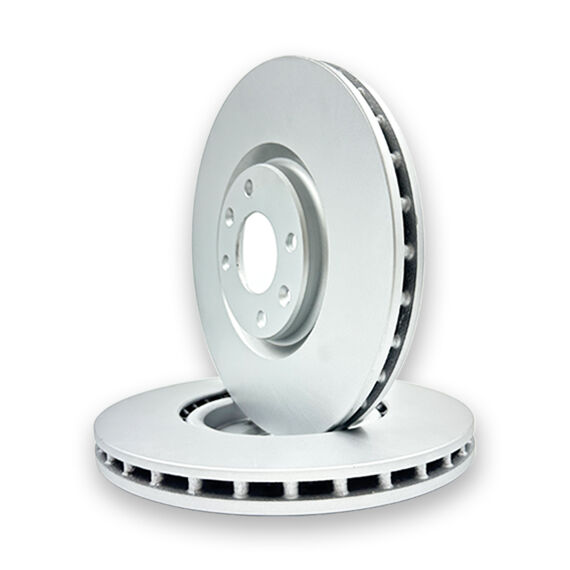
Shandong WAS Auto Co., Ltd. was established in 2014, specializing in the manufacturing of high-quality automotive brake components, including brake pads, brake discs, and brake shoes for all types of passenger vehicles. Over the years, WAS Auto has developed a variety of advanced brake pad formulations, including ceramic, semi-metallic, carbon-ceramic, and NAO (non-asbestos organic). Our products are known for their excellent high-temperature resistance, outstanding wear resistance, low noise, minimal dust, and consistent quality, ensuring reliable braking performance in all driving conditions.
Driven by "Safety, Innovation, and Sustainability," we provide global users with eco-friendly and dependable braking solutions. Every product undergoes rigorous testing to ensure excellence in diverse driving environments.
Our facility is equipped with 80 hot pressing machines and 5 automated spraying lines, integrated into a fully automated system to maintain strict quality control and optimize efficiency.
Exporting to the Middle East, East Asia, North America, and South America, we offer customized solutions tailored to regional needs across passenger and commercial sectors.
We invest heavily in R&D and green manufacturing practices to reduce energy consumption, collaborating with international institutions to pioneer new materials.
The global brake pressure regulator market is currently undergoing a paradigm shift. Traditionally dominated by mechanical proportioning valves, the industry is pivoting toward Electronic Brakeforce Distribution (EBD) and Electro-Hydraulic Braking (EHB) systems. This transition is driven by the increasing stringency of safety regulations (such as UN ECE R13H) and the rise of Autonomous Emergency Braking (AEB) systems.
| Market Segment | Current Status | Growth Driver |
|---|---|---|
| Passenger Vehicles | High integration with ABS/ESC modules | Consumer demand for comfort and safety |
| Commercial Trucks | Shift to Load-Sensing Proportioning Valves (LSPV) | Payload safety and jackknife prevention |
| Electric Vehicles (EV) | Regenerative braking integration | Efficiency and range extension |
| Off-Road/Industrial | Heavy-duty hydraulic reliability | Extreme environment durability |
Integration of AI sensors to predict brake fade and adjust pressure dynamically based on real-time road friction coefficients.
Use of high-strength aluminum alloys and composite polymers to reduce unsprung weight, crucial for the next generation of EVs.
Eliminating physical hydraulic links in favor of electronic signals, allowing for millisecond-fast pressure adjustments.
Quality in brake regulation starts with the manufacturing process. As a Brake Pressure Regulator Factory, we adhere to the strictest OE specifications. Below is a visual walkthrough of our high-precision production line:
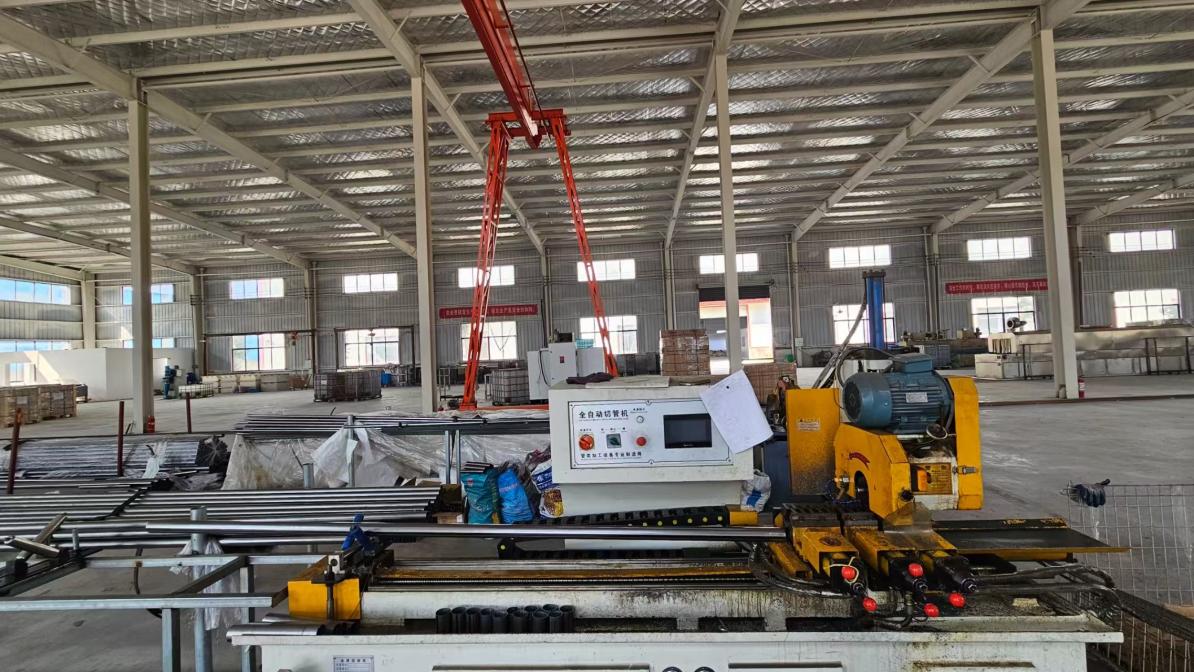
Cutting
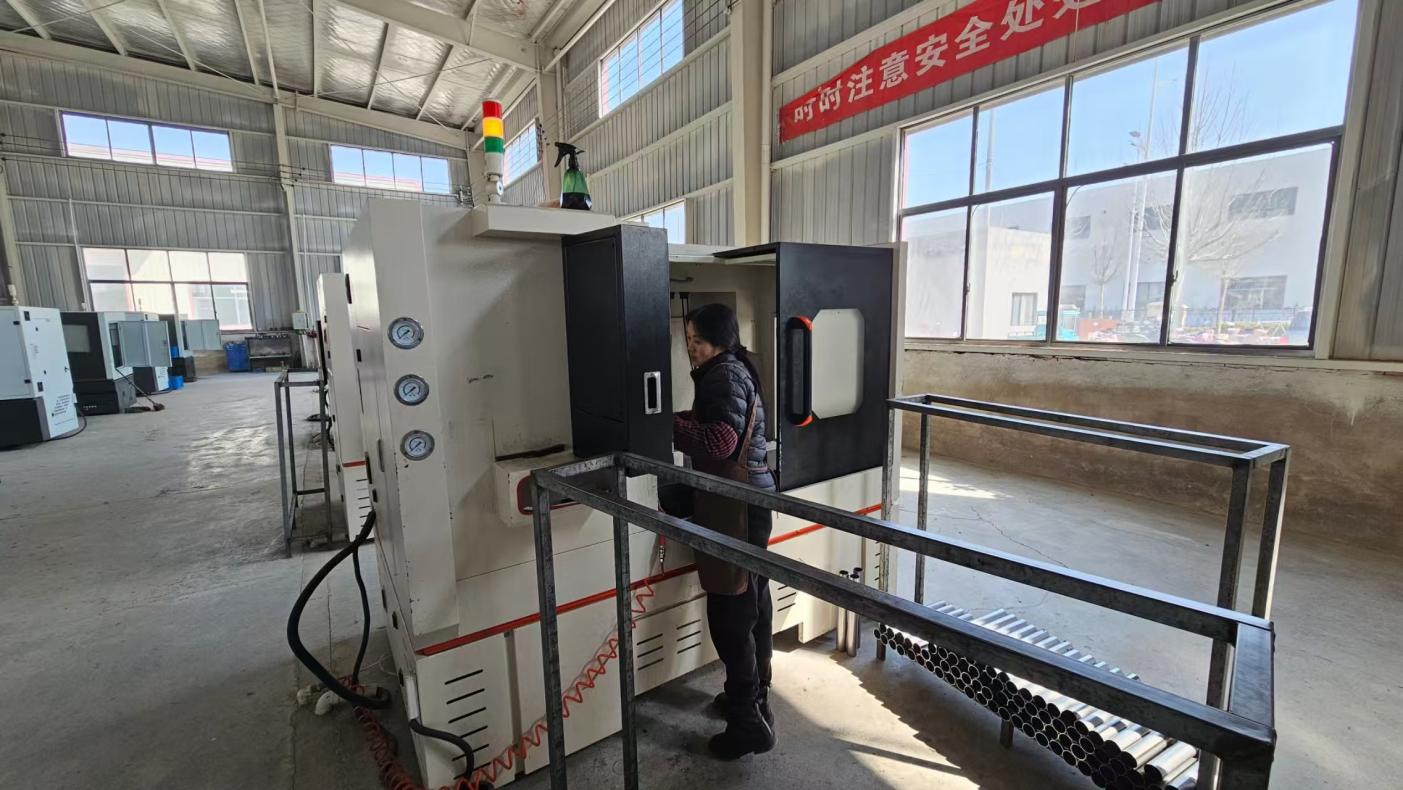
Flat Head Chamfer
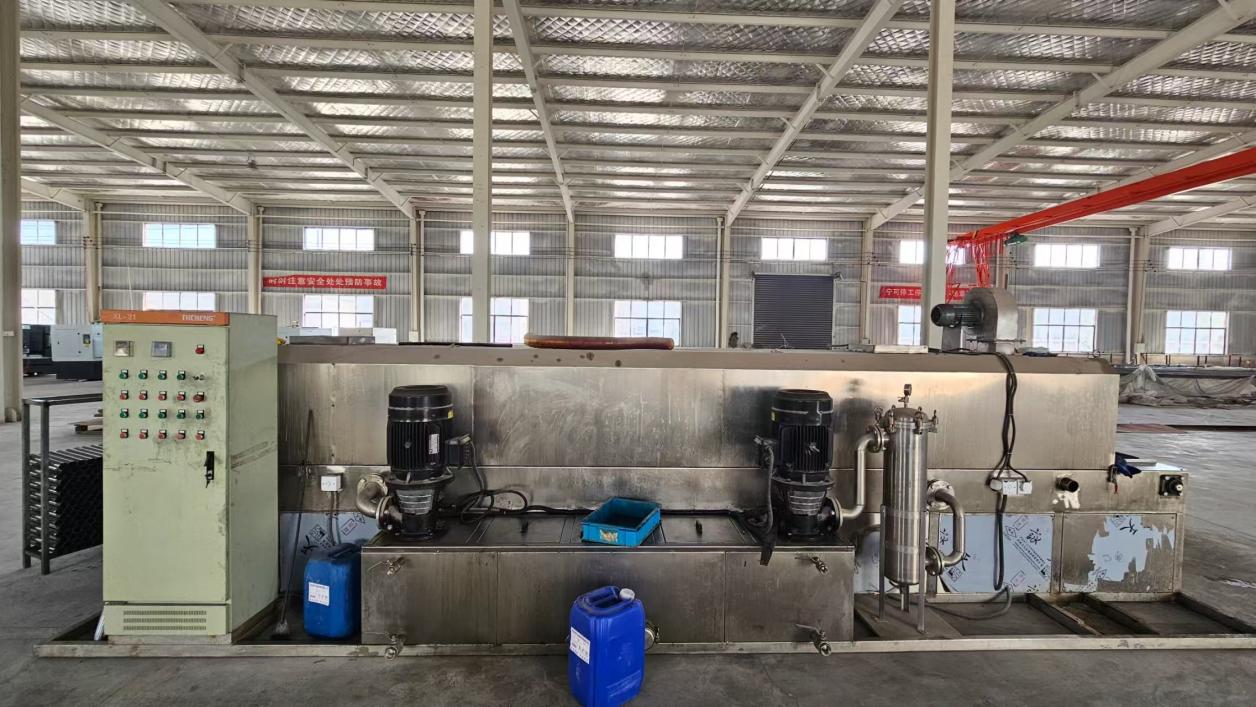
Cleaning
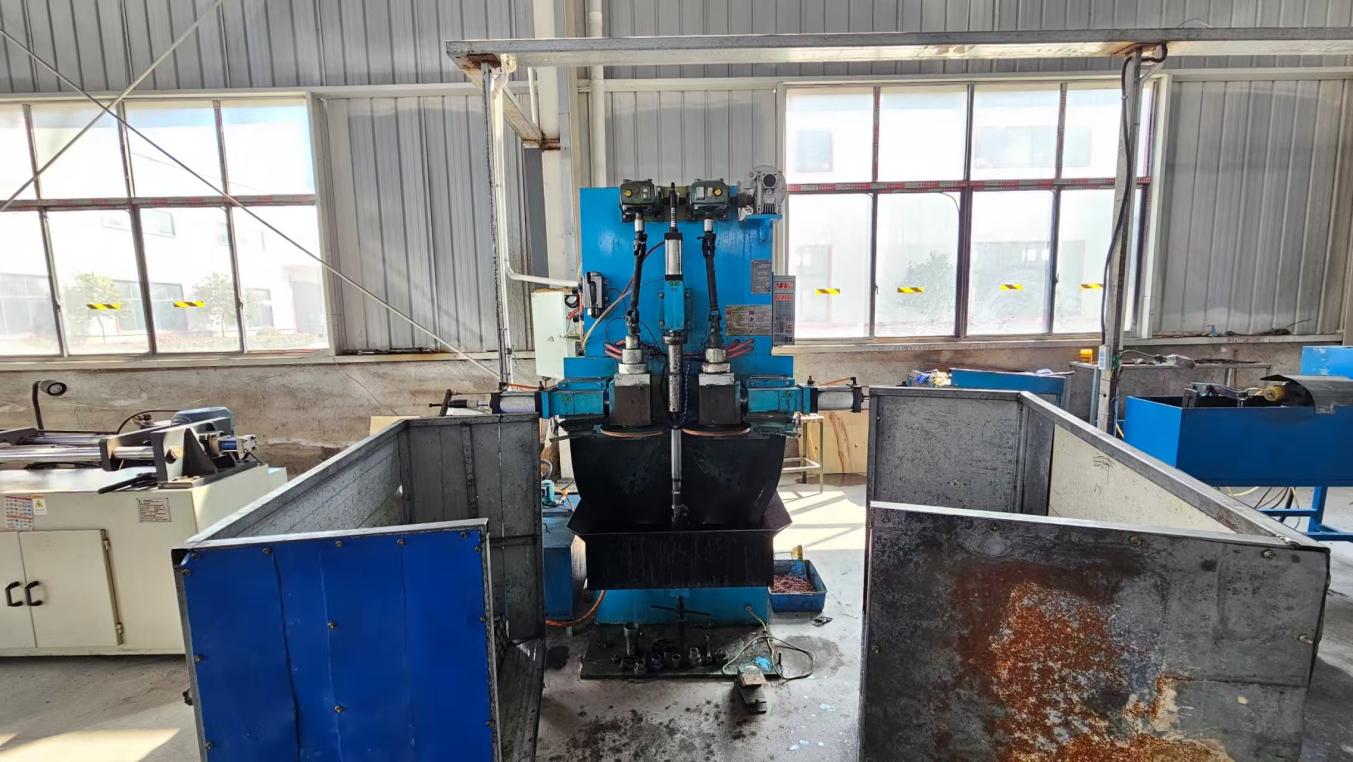
Weld 1
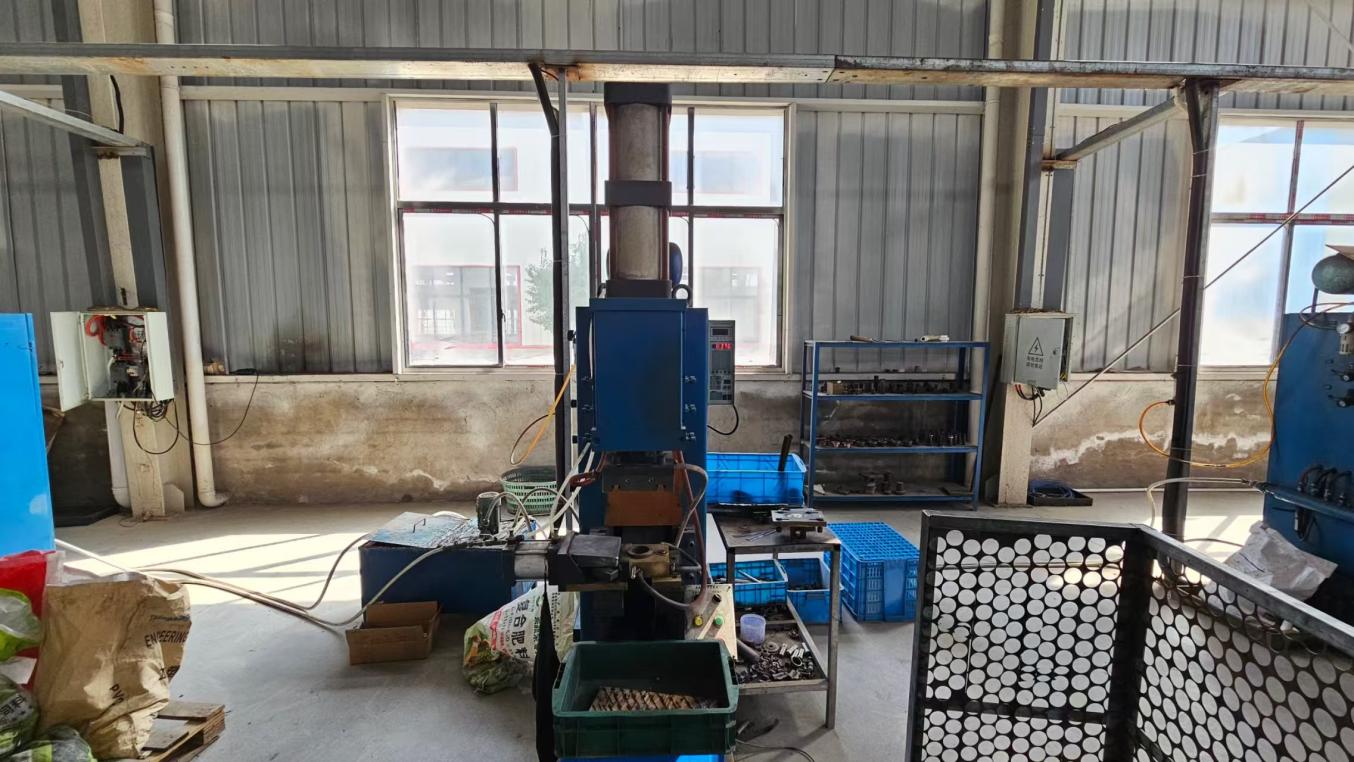
Weld 2
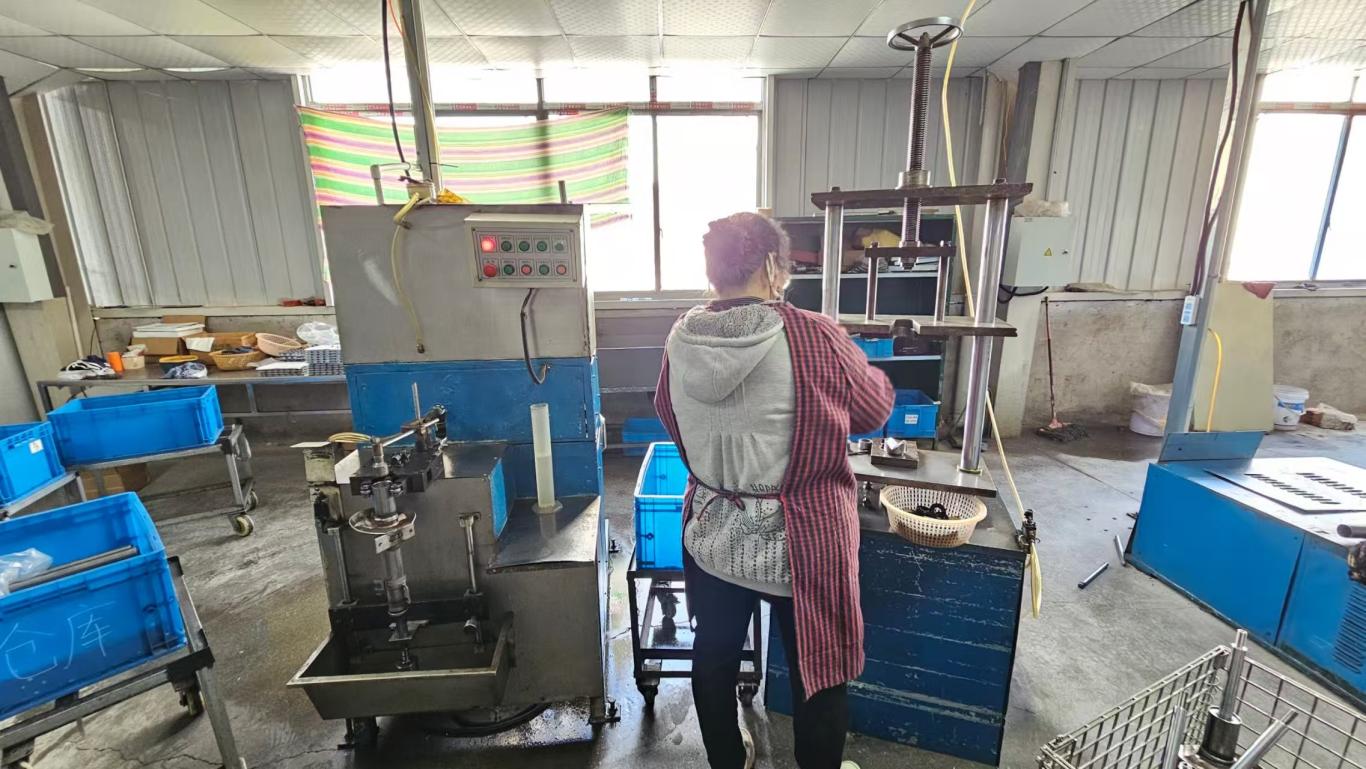
Oiling
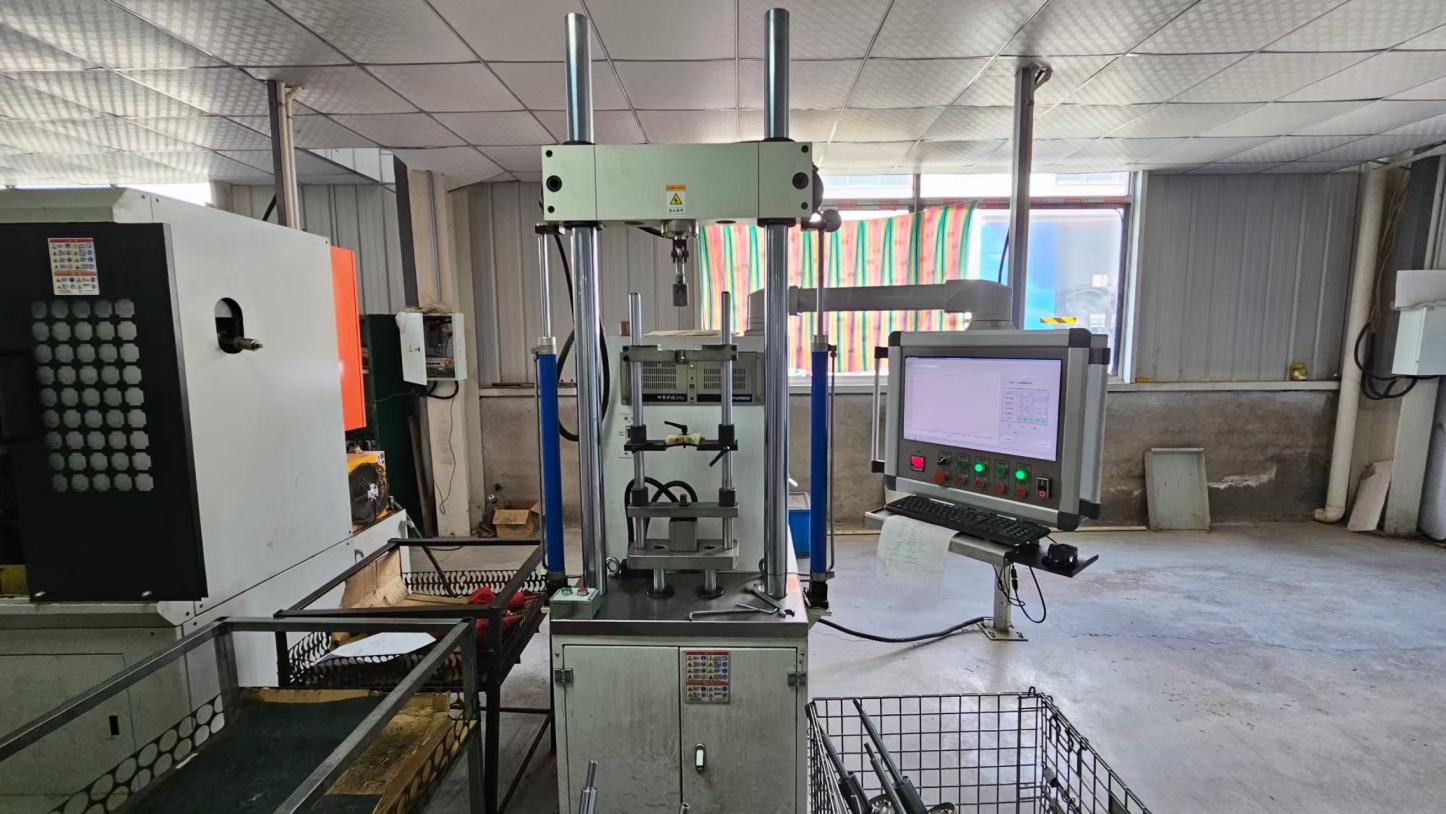
Test
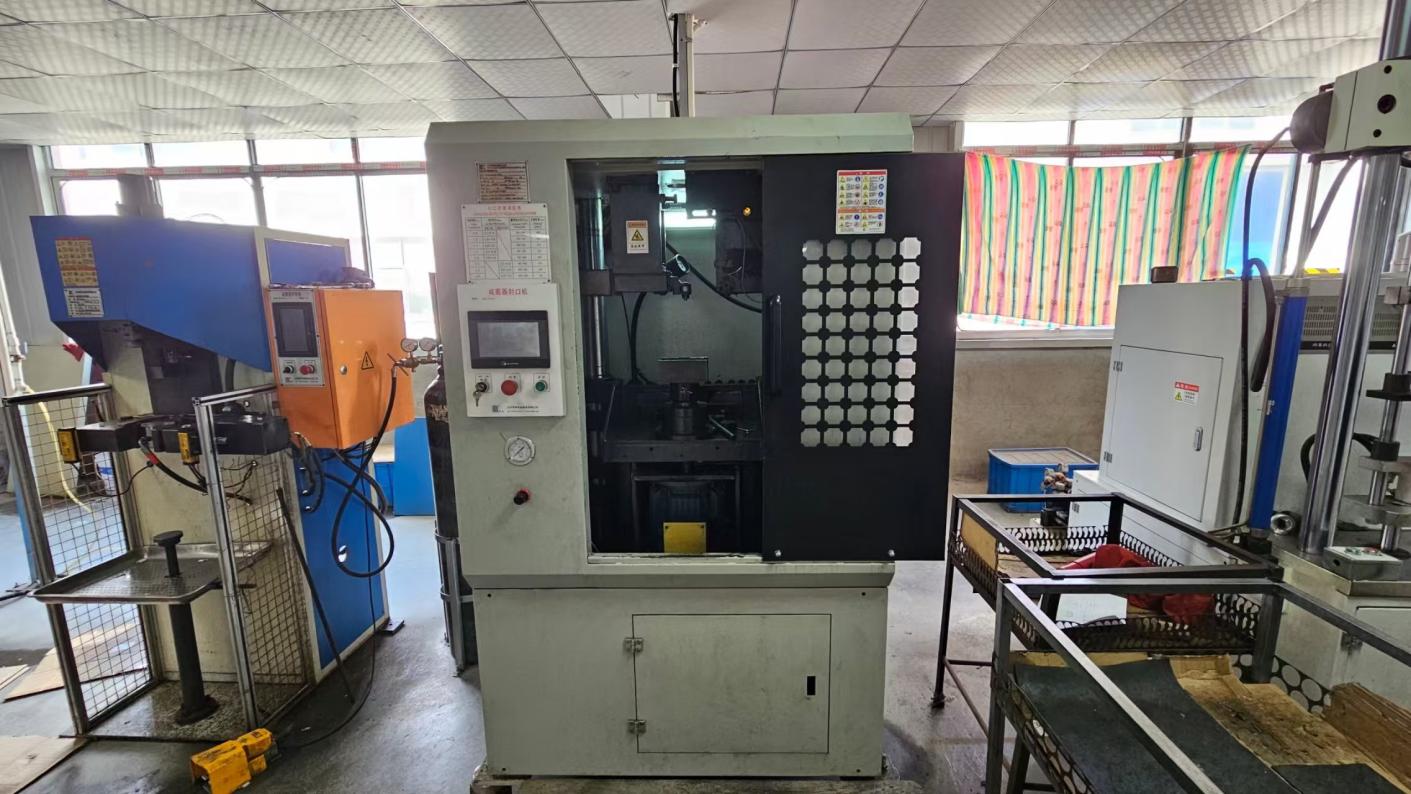
Sealing
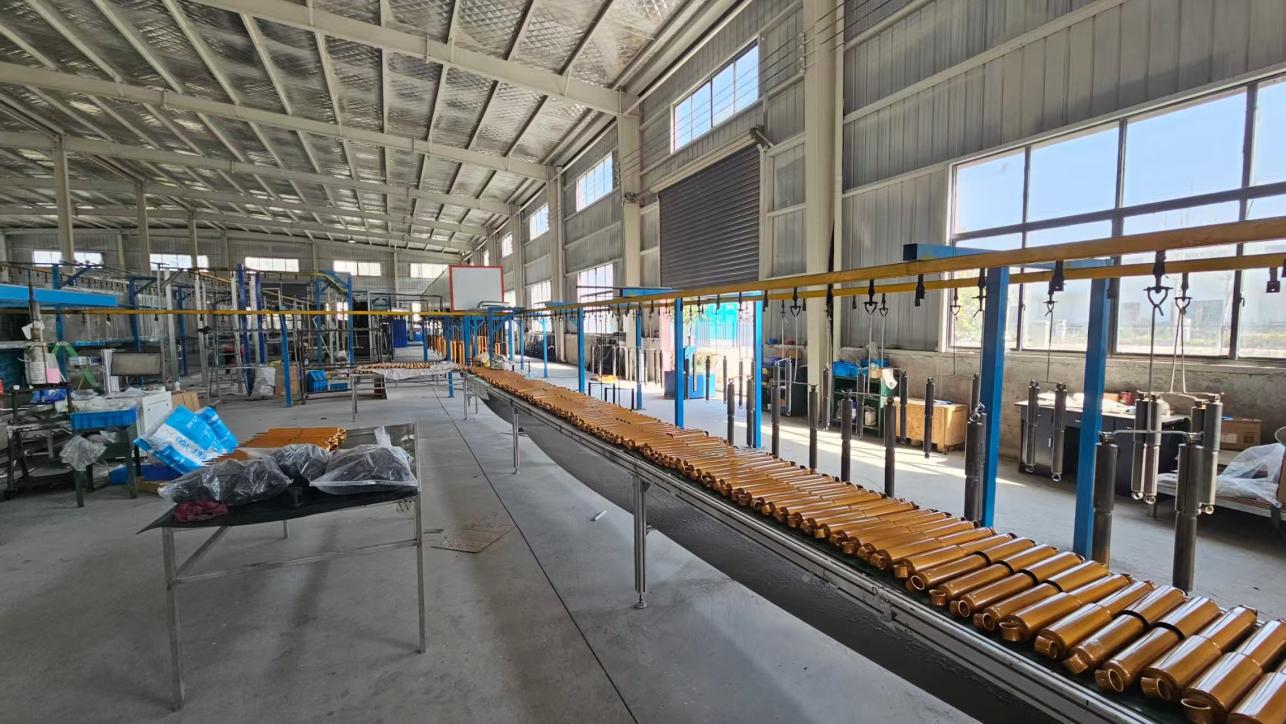
Spray Painting
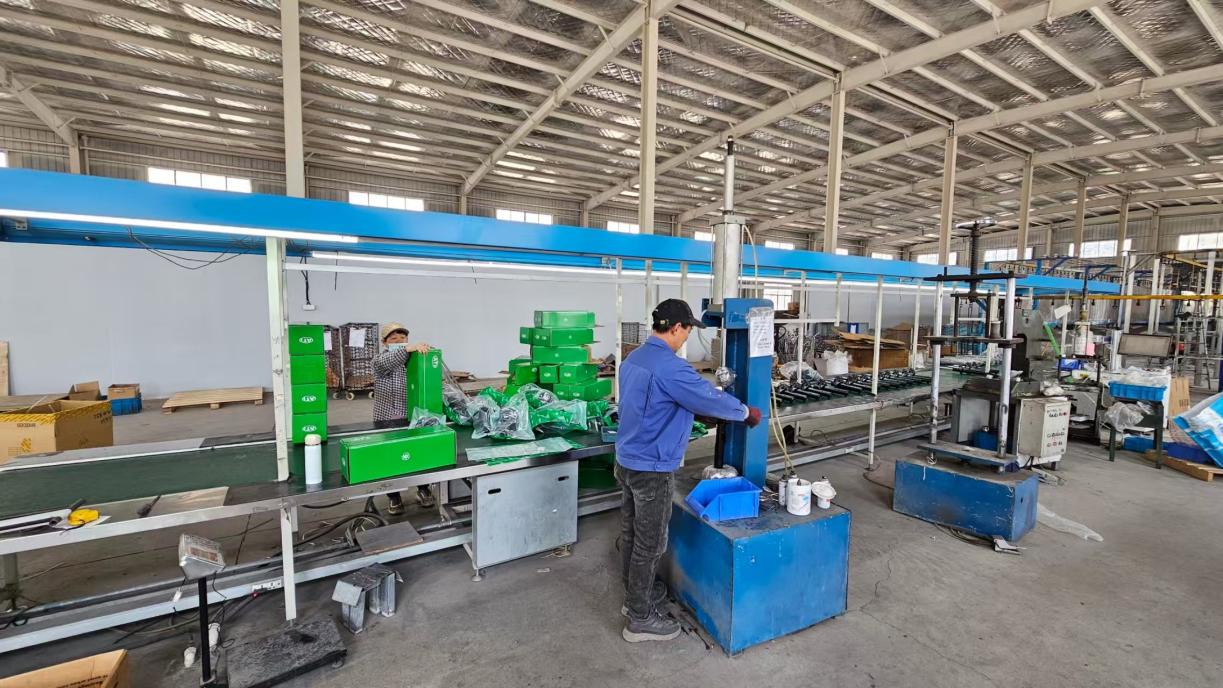
Packaging
The roadmap for 2025-2030 is defined by the integration of Cyber-Physical Systems. Future regulators will not just respond to pedal pressure; they will communicate with the vehicle's V2X (Vehicle-to-Everything) cloud to optimize stopping distance based on upcoming traffic or weather conditions.
Pressure regulators optimized for low oxygen and extreme cold, ensuring the boiling point of brake fluid is managed and seals remain pliable.
Designed for high-frequency stop-and-go cycles, reducing the thermal fatigue common in delivery vans and light commercial vehicles.
Adjustable bias valves that allow drivers to shift the brake balance from front to rear on the fly, maximizing cornering efficiency.