WAS Auto
WAS Auto
WAS Auto
Explore our foundational heavy-duty components and diagnostic tools engineered for maximum durability and safety parameters.
In the modern automotive paradigm, the braking system stands as the primary, non-negotiable active safety assembly. As globalization increases demand for commercial transit networks and passenger vehicles, the technological expectations placed on brake pedal manufacturing, link assemblies, and hydraulic control circuits have escalated dramatically. We are currently witnessing an industry-wide structural shift from purely mechanical-hydraulic actuation mechanisms towards lightweight, consolidated modular systems. The rise of hybrid and fully Electric Vehicles (EVs) has forced engineers to redesign the traditional cabin pedal box, integrating tactile force-sensors, electronic switches, and regenerative braking regulators.
China has solidified its position as the critical manufacturing nerve center for these complex structural component systems. Leveraging highly integrated steel and aluminum supply chains, state-of-the-art metallurgical tooling, and advanced robotic welding setups, Chinese manufacturers deliver critical structural tolerances at unparalleled production economies. The modern wholesale export of vehicle control pedals is no longer simply about bending structural steel; it requires deep compliance validation, metallurgy engineering, and robust NVH (Noise, Vibration, and Harshness) suppression.
Established in 2014, Shandong WAS Auto Co., Ltd. has grown into an industry-leading manufacturer of high-quality automotive braking components and structural pedal hardware. Headquartered in China's industrial manufacturing heartland, WAS Auto is dedicated to the processing, manufacturing, and global export of braking systems for both passenger vehicles and commercial applications.
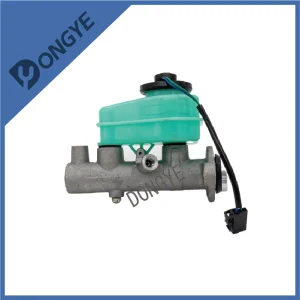
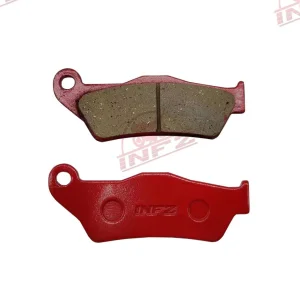
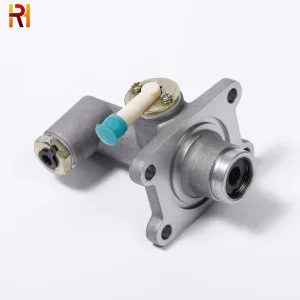
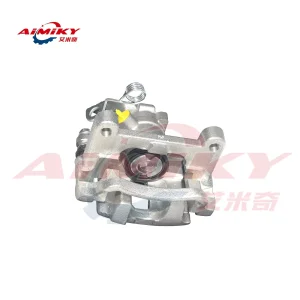
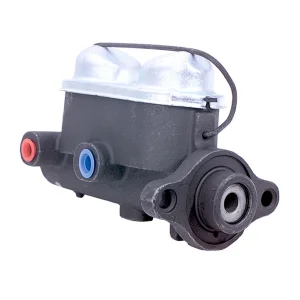
Over the years, our R&D divisions have successfully engineered, validated, and manufactured a wide matrix of brake pad friction configurations, caliper systems, master cylinders, and structural link assemblies. The product scope encompasses Ceramic, Semi-Metallic, Carbon-Ceramic, and Non-Asbestos Organic (NAO) friction linings, paired with heavy-duty structural steel linkages. This holistic manufacturing control ensures that all parts, from the driver's foot down to the wheel rotor, perform with uncompromising safety, heat dissipation, and structural integrity.
Our core mission is structured around "Safety, Innovation, and Sustainability." By treating the brake pedal and its peripheral assembly as a unified engineering system rather than isolated parts, we solve issues like structural deflection, premature wear of internal bushings, and linkage fatigue. Through the utilization of automated stamping, precision CNC chamfering, and high-reliability MIG/TIG welding, Shandong WAS Auto Co., Ltd. ensures each batch meets the rigorous mechanical stress tests requested by Tier-1 buyers globally.
An OEM-grade brake pedal requires highly managed, continuous manufacturing stages. Minor defects in welding or metallurgy could cause structural failure under sudden load-bearing emergency braking conditions (often exceeding 1,200 Newtons of force). Below is the engineered flow of WAS Auto’s production line, showcasing how raw structural steel is transformed into a certified braking component:
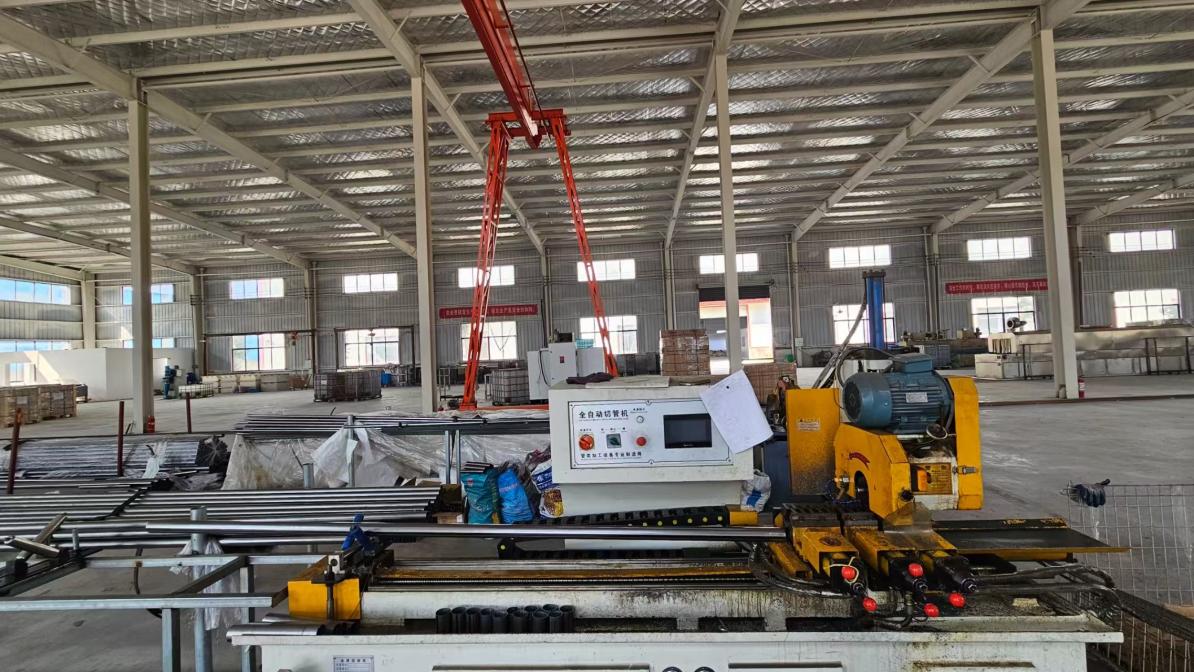
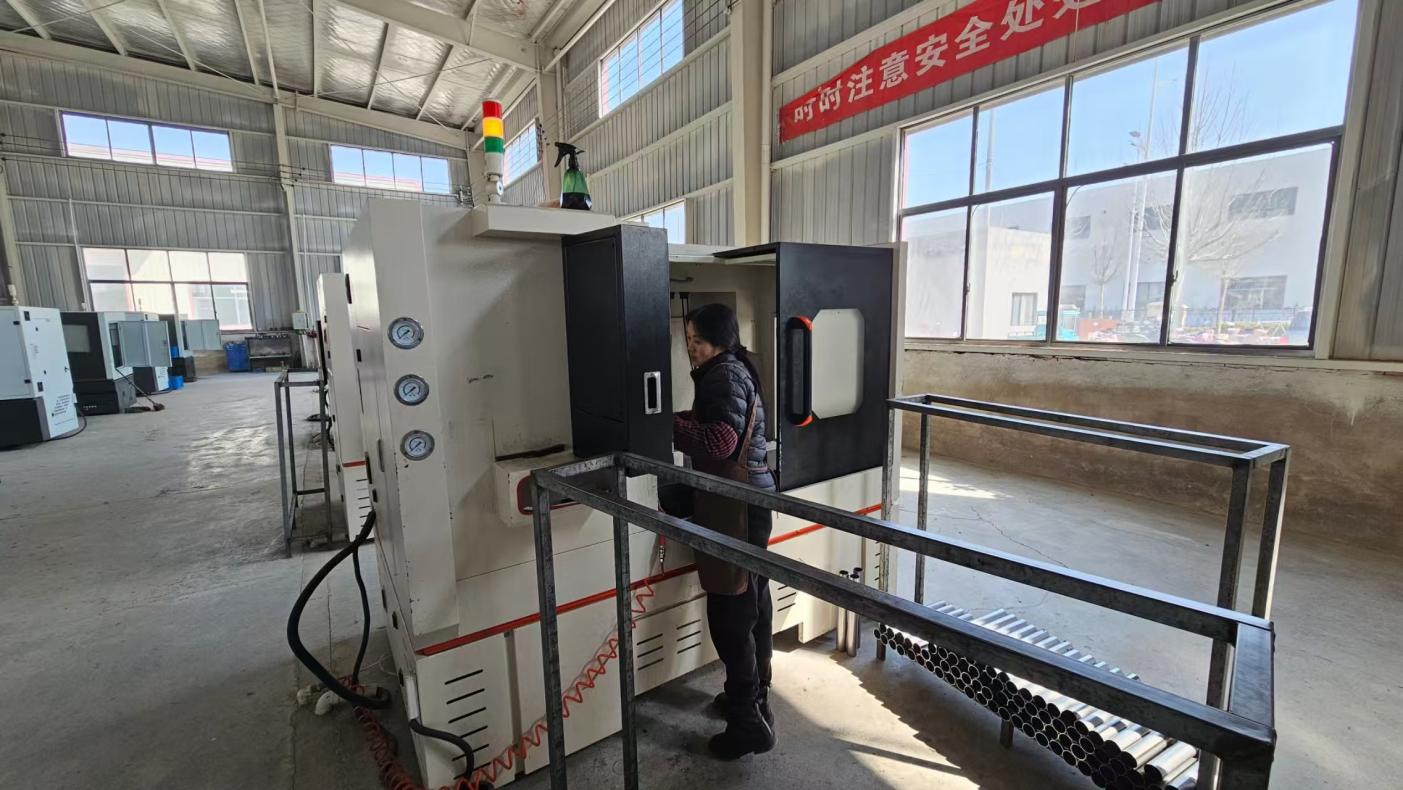
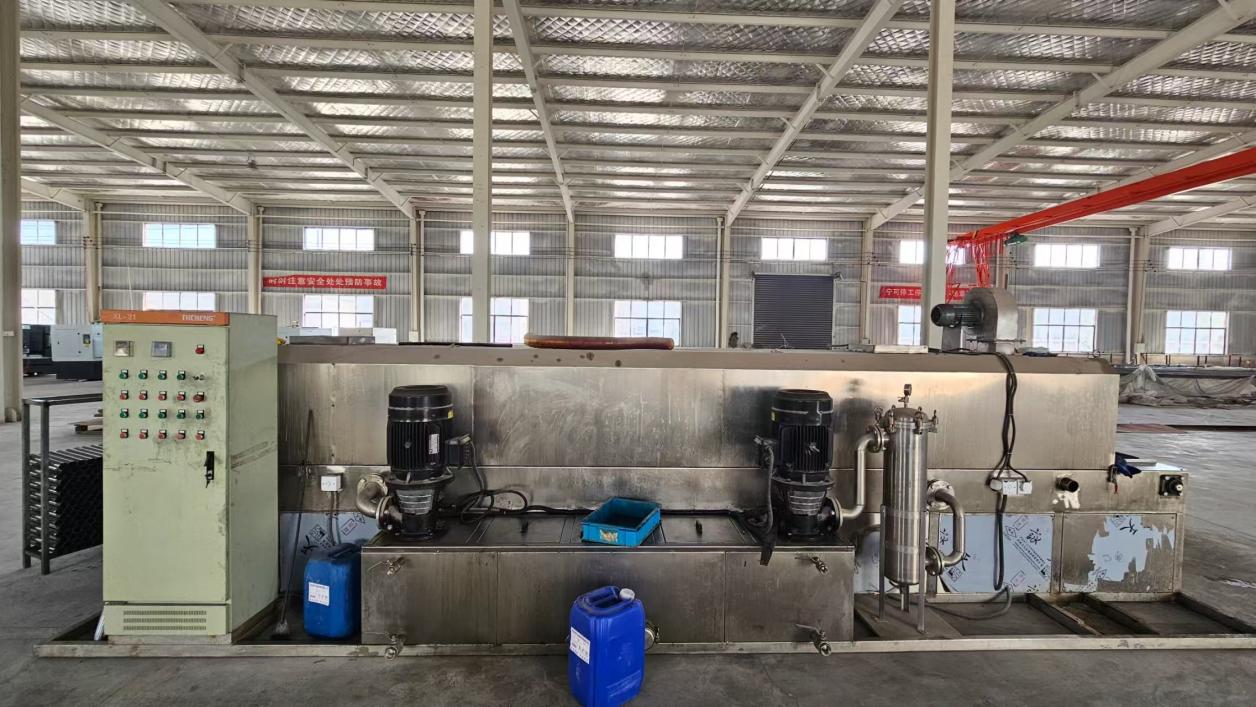
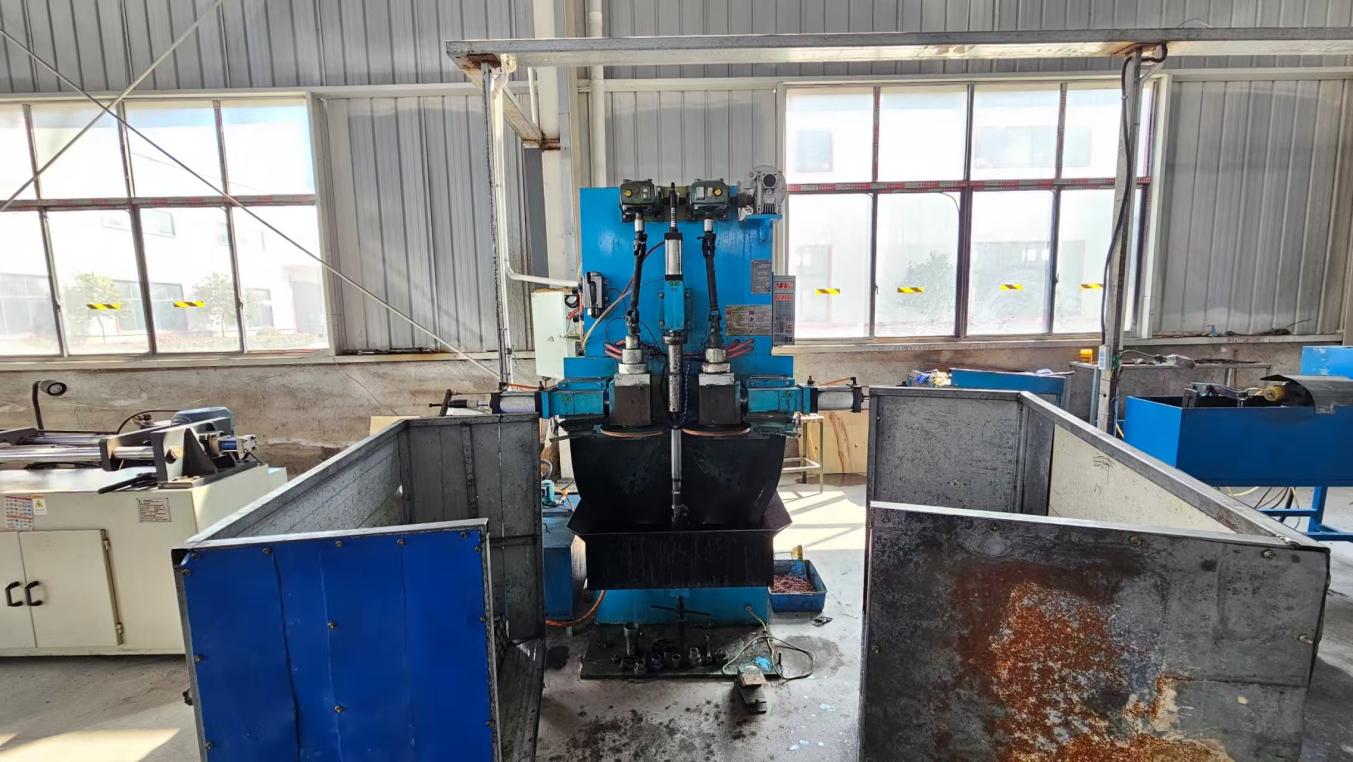
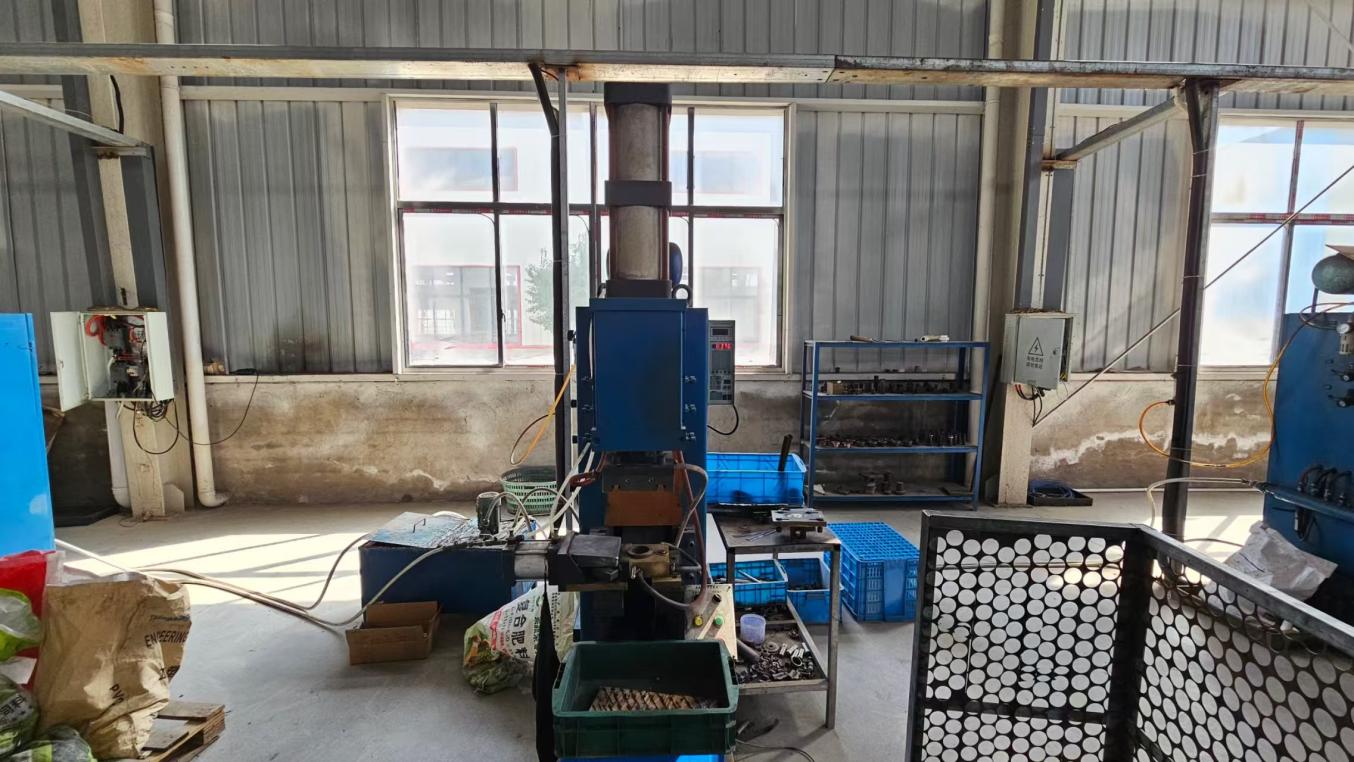
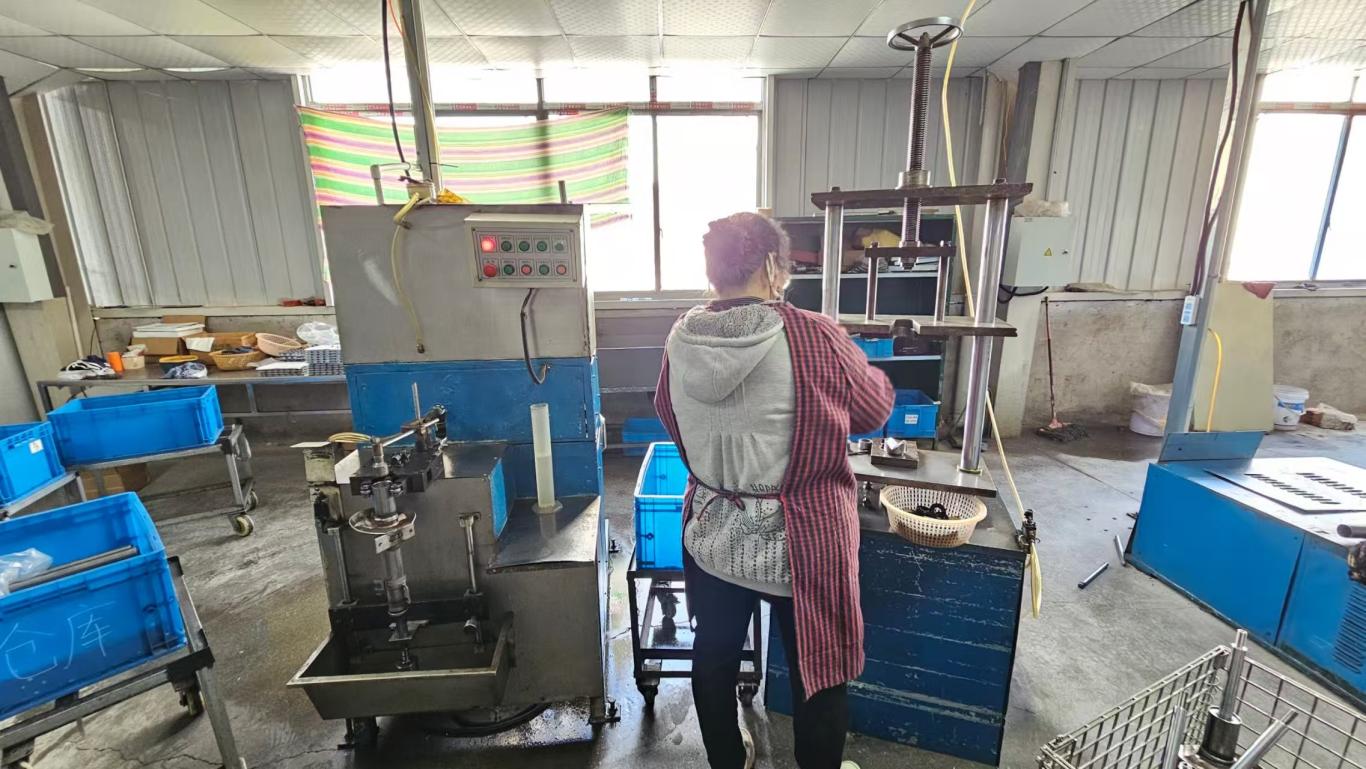

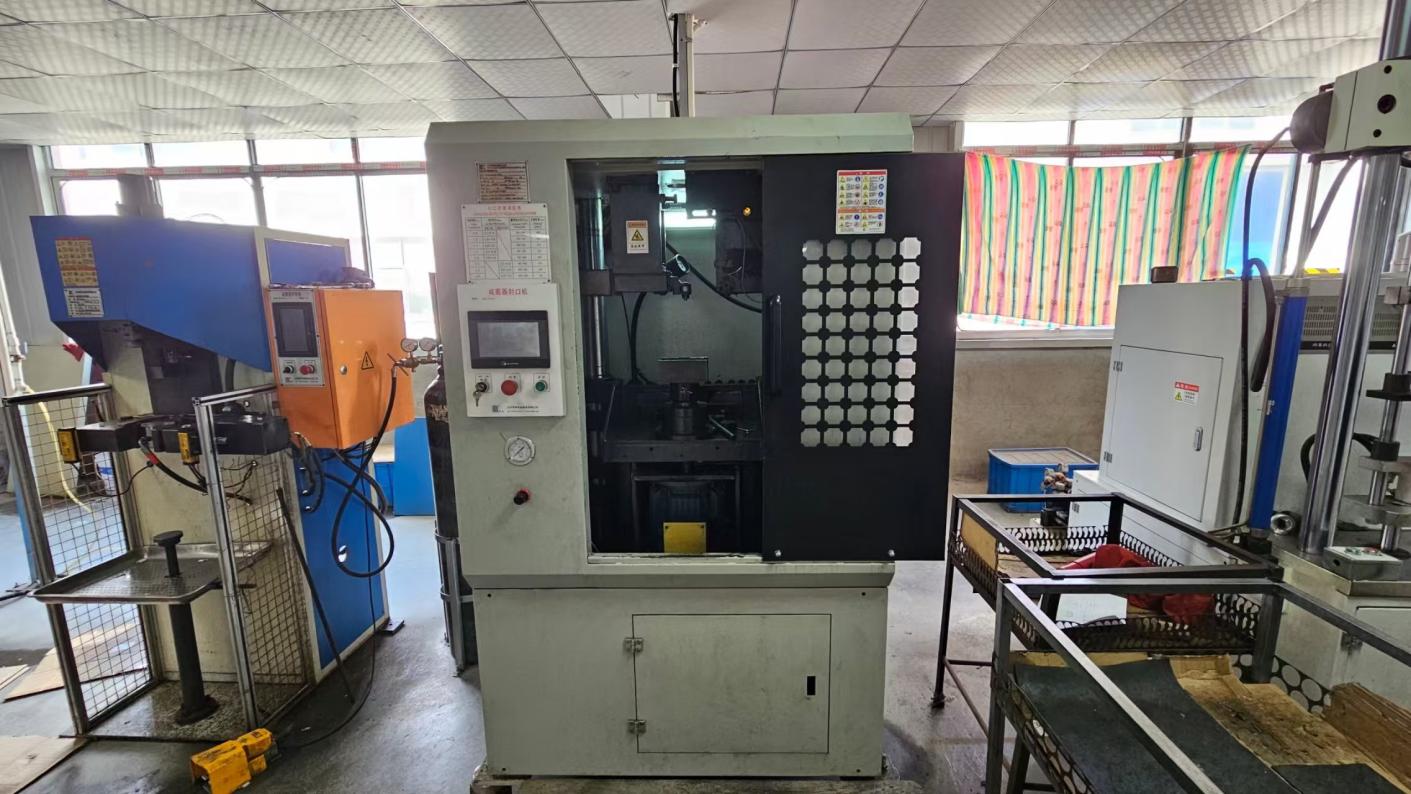
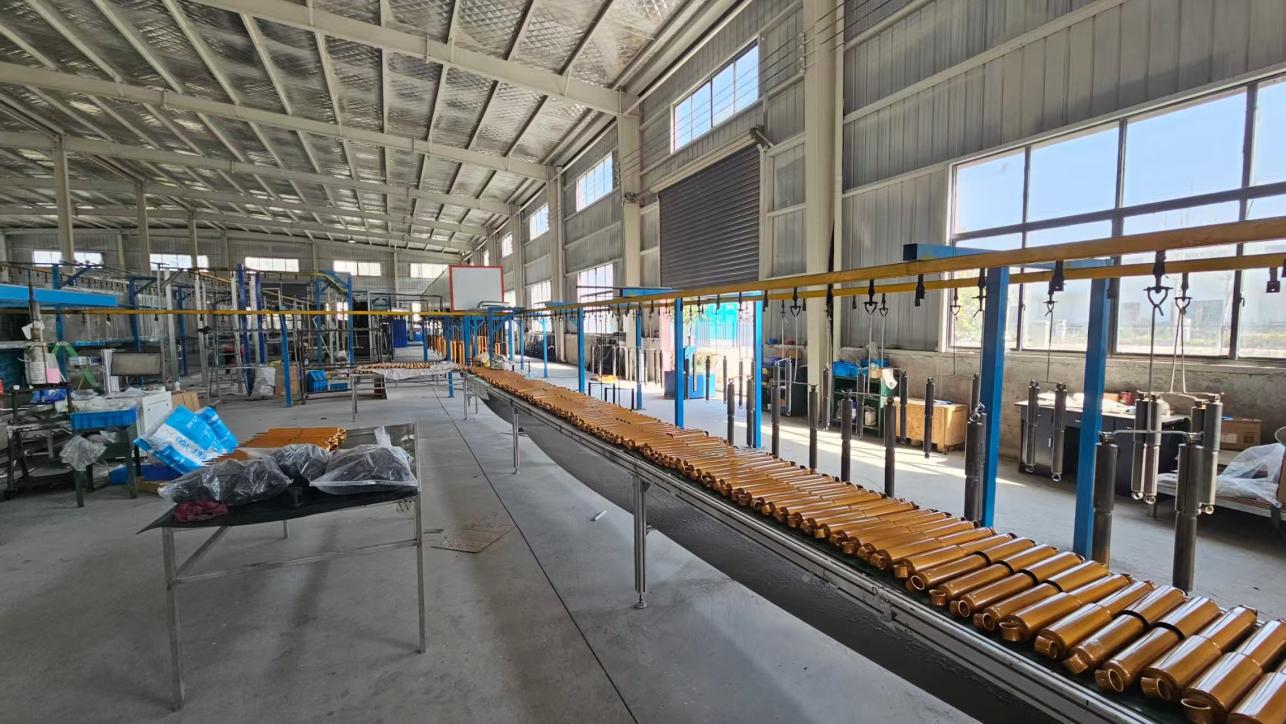
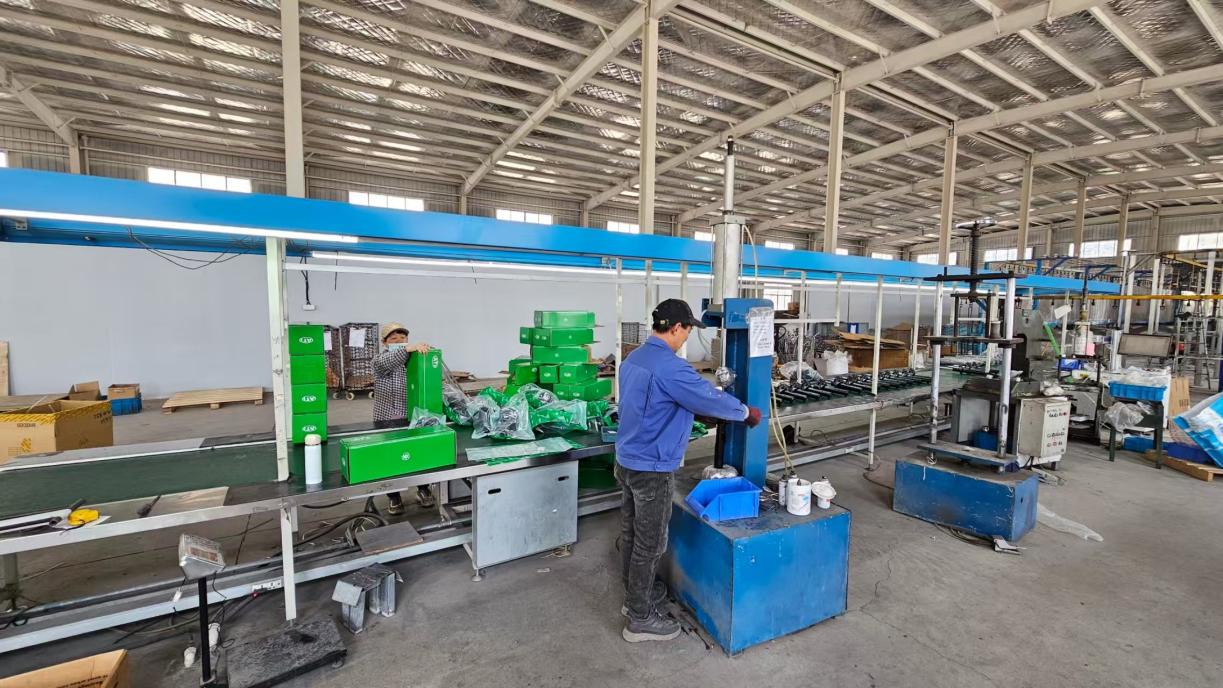
The production pipeline begins with Precision Cutting of cold-rolled alloy structural steel or lightweight reinforced aluminum blanks. Next, the raw edges undergo Flat Head Chamfering to eliminate micro-burrs and edge irregularities that could serve as stress-concentration points under heavy fatigue. The components then enter a high-pressure ultrasonic Cleaning chamber to wash away industrial processing lubricants and metal shavings.
During Weld 1 & Weld 2 stages, advanced robotic arms execute precise gas metal arc welding (GMAW) to unite the pedal lever with the pivot bushing sleeve and foot pad. Post-welding, the components are run through a temporary protective rust-inhibiting Oiling bath before facing strict hydraulic stress, dimensional verification, and alignment Testing. To guard against environmental salt spray and oxidation, the parts undergo Sealing, electro-deposition powder coating on our automated Spray Painting Line, and final protective Packaging for long-distance maritime shipping.
A brake pedal works in concert with friction linings to decelerate the vehicle. To optimize stopping performance across different applications (e.g., passenger vs. heavy truck), the overall system stiffness and brake pad compound must align. The table below represents a scientific breakdown of standard friction materials produced by Shandong WAS Auto Co., Ltd., contrasting performance attributes critical to global purchasing managers:
| Formulation Type | CoF Range (μ) | Thermal Fade Limit | Wear Rate Index | Optimal Applications |
|---|---|---|---|---|
| Ceramic Compounds | 0.35 - 0.45 | Up to 650°C | Very Low | Premium Sedans, Daily Passenger Cars |
| Semi-Metallic Alloys | 0.38 - 0.50 | Up to 800°C | Moderate | Heavy-Duty Commercial Trucks, Fleet Vans |
| Carbon-Ceramic Composites | 0.45 - 0.58 | Up to 1000°C | Extremely Low | High-Performance Sports Cars, Race Platforms |
| NAO (Non-Asbestos Organic) | 0.30 - 0.40 | Up to 400°C | High | Lightweight Commuter Cars, Urban EVs |
For global automotive component sourcing, reliability is determined by certification benchmarks. At WAS Auto, we ensure all designs comply with the strict regulatory framework defined by major importing countries. Every wholesale shipment is backed by verified trace documentation and quality control reports.
Looking forward, Shandong WAS Auto Co., Ltd. is continuously adapting to the technological transformation of the global automotive sector. Our engineering roadmaps focus heavily on weight reduction, safety integrations, and eco-friendly manufacturing:
Lightweight Structural Materials: Over the next 5 years, we are expanding our production capability for hot-stamped boron steels and structural glass-fiber reinforced plastics (GFRP). These materials reduce brake pedal assembly weight by up to 35% without sacrificing mechanical strength.
Regenerative Sensor Integrations: Working alongside global research institutions, we are designing smart pedal systems with integrated contact-less hall sensors that monitor pedal speed and depth. This allows EVs to switch seamlessly between electric regeneration and mechanical braking.
Green Production Practices: We continue to optimize our environmental footprint. By using eco-friendly copper-free formulations and low-emission electrostatic spray painting lines, we comply with strict environmental policies like REACH and CA Proposition 65.
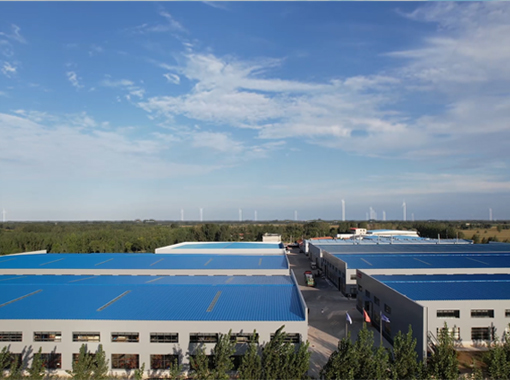
Operating out of our fully integrated manufacturing site, our facility utilizes modern hot-pressing and CNC machining machinery to deliver high-quality, reliable braking components globally.
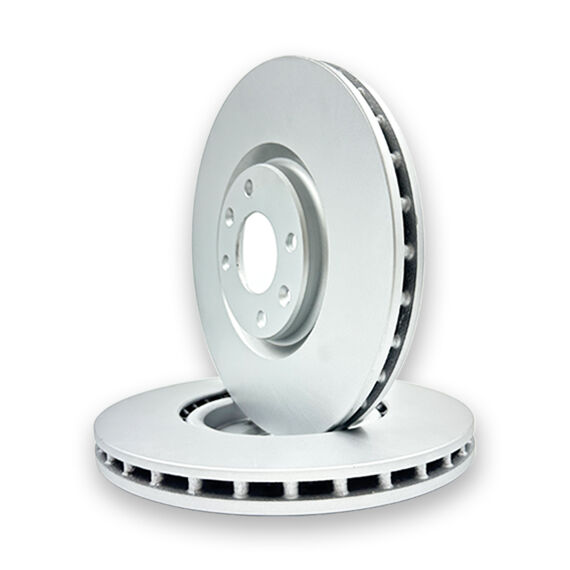
With over 11 years of international expansion, we export our certified parts to North America, South America, East Asia, and the Middle East.
Answers to critical engineering, manufacturing, and shipping questions for procurement managers.
Yes, we offer comprehensive OEM and ODM support. B2B buyers can supply 3D CAD files (STEP, IGES, SolidWorks formats). Our engineering team will assess draft angles, mechanical load paths, and weld integrity before creating prototype tooling for your verification.
We typically utilize high-tensile structural carbon steels (such as Q235B, Q355B, or SAE 1045) and reinforced cold-rolled steel sheets. These materials provide the necessary toughness to prevent bending or cracking under emergency deceleration forces.
Our manufacturing process relies on automated robotic welding arms (Weld 1 & Weld 2) to maintain precise gas and wire feed control. Each batch is inspected via non-destructive testing (NDT), macro-etch checks, and cyclic stress test benches to ensure safety and structural compliance.
New tooling creation and initial prototype validation takes about 30 to 45 days. Once prototypes are approved, standard container-load production takes approximately 25 to 35 days, depending on order size and scheduling.
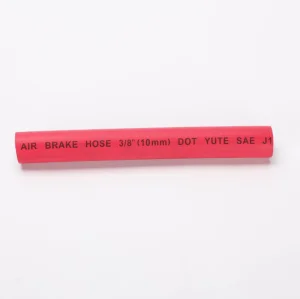
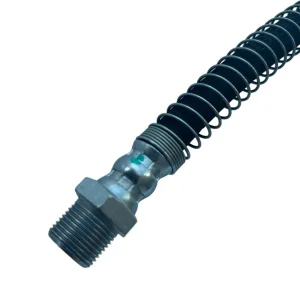
Yes, our rubber air brake hoses and lines are engineered to meet or exceed SAE J1402 and DOT standards. They undergo testing for burst pressure, tensile strength, ozone resistance, and low-temperature flexibility to ensure performance in cold climates.
Absolutely. We offer low-copper and copper-free ceramic and organic formulations that meet strict environmental regulations in states like California and Washington, ensuring compliance with the Better Brakes Rules.
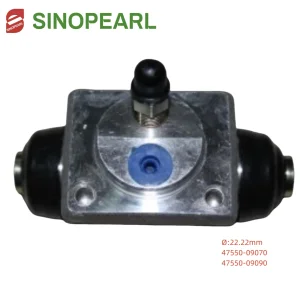
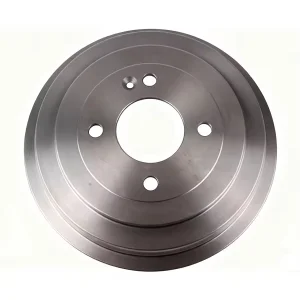
Explore our specialized truck air brake modules, master cylinders, drums, and heavy network PLC control systems.