WAS Auto
WAS Auto
WAS Auto
In the modern automotive industry, the Anti-lock Braking System (ABS) sensor is no longer just a luxury component; it is a critical pillar of vehicle safety and stability. As global regulations like the UN R13 and FMVSS 121 tighten, the demand for high-precision, CE-certified ABS sensor factories has surged. Today’s market is transitioning from simple inductive sensors to sophisticated Hall-effect and magnetoresistive technologies that integrate seamlessly with Advanced Driver Assistance Systems (ADAS).
Global commercial and industrial trends indicate a shift toward intelligent braking ecosystems. In North America and Europe, the focus is on predictive maintenance, where ABS sensors feed data into cloud-based AI to anticipate component failure. In emerging markets like Southeast Asia and South America, the primary driver is the modernization of commercial fleets and the adoption of safety standards in passenger vehicles.
Transitioning from traditional passive sensors to active intelligent wheel speed sensors with bi-directional data transmission.
Mandatory ABS integration in both heavy-duty trucks and high-speed passenger vehicles across 85% of global markets.
Sensors are now "edge devices" that communicate with the vehicle's ECU to optimize brake torque in real-time.
China has established itself as the world's most efficient hub for ABS sensor manufacturing, not just through scale, but through supply chain vertical integration. Companies like Shandong WAS Auto Co., Ltd. leverage a unique ecosystem that combines raw material proximity with high-end automated assembly lines.
The efficiency advantage of a Chinese factory lies in the "Cluster Effect." For instance, our facility in Shandong benefits from being within a 100km radius of high-grade copper wire producers, rare-earth magnet suppliers, and specialized plastic injection molding plants. This proximity reduces lead times by up to 40% compared to Western manufacturers and allows for rapid prototyping (from CAD design to physical sample in under 15 days).
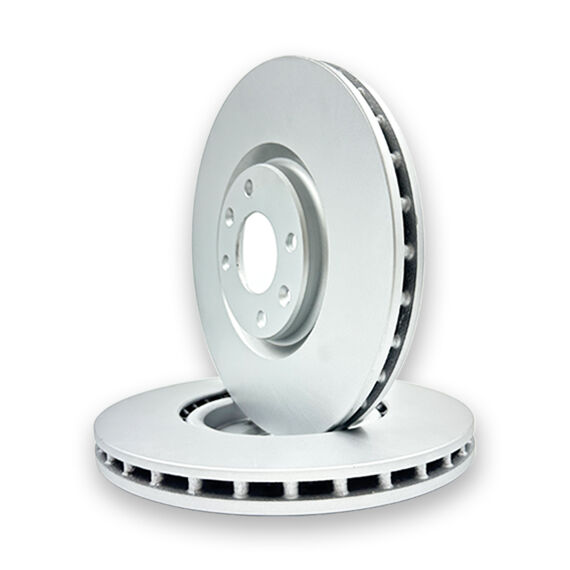
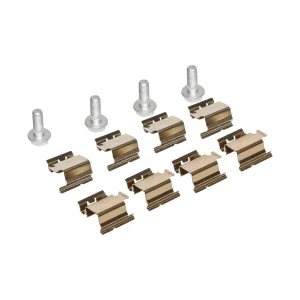
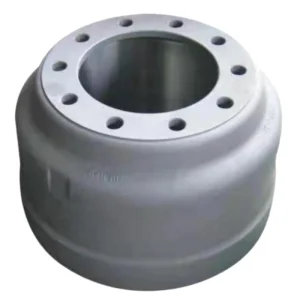
Shandong WAS Auto Co., Ltd. was established in 2014, specializing in the manufacturing of high-quality automotive brake components, including brake pads, brake discs, and brake shoes for all types of passenger vehicles. Over the years, WAS Auto has developed a variety of advanced brake pad formulations, including ceramic, semi-metallic, carbon-ceramic, and NAO (non-asbestos organic). Our products are known for their excellent high-temperature resistance, outstanding wear resistance, low noise, minimal dust, and consistent quality, ensuring reliable braking performance in all driving conditions.
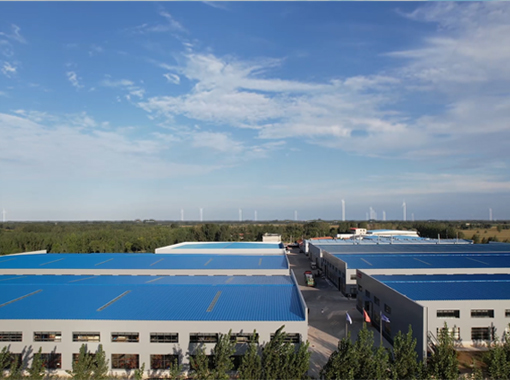
At WAS Auto, we are driven by our mission of "Safety, Innovation, and Sustainability." Recognizing the critical importance of braking systems in vehicle safety, we focus not only on product quality and performance but also on environmental responsibility. Every product undergoes rigorous testing and quality control to ensure it performs excellently in diverse driving environments, from the icy roads of Northern Europe to the humid conditions of Southeast Asia.
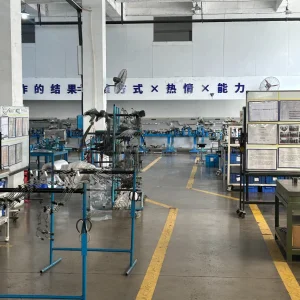
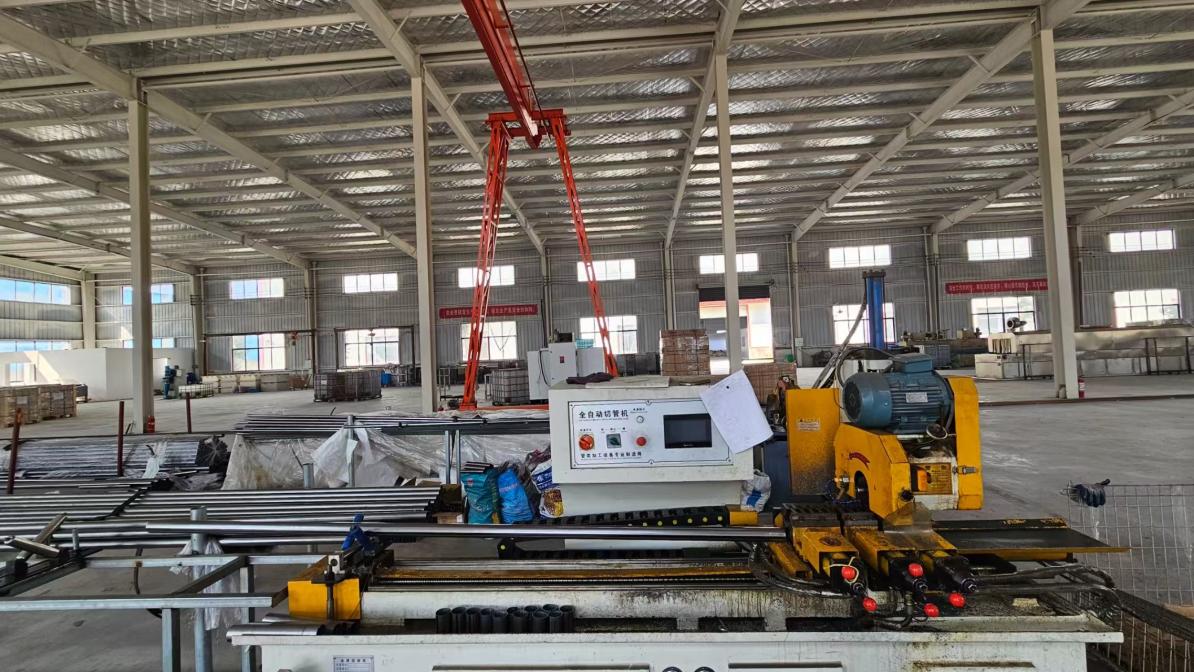
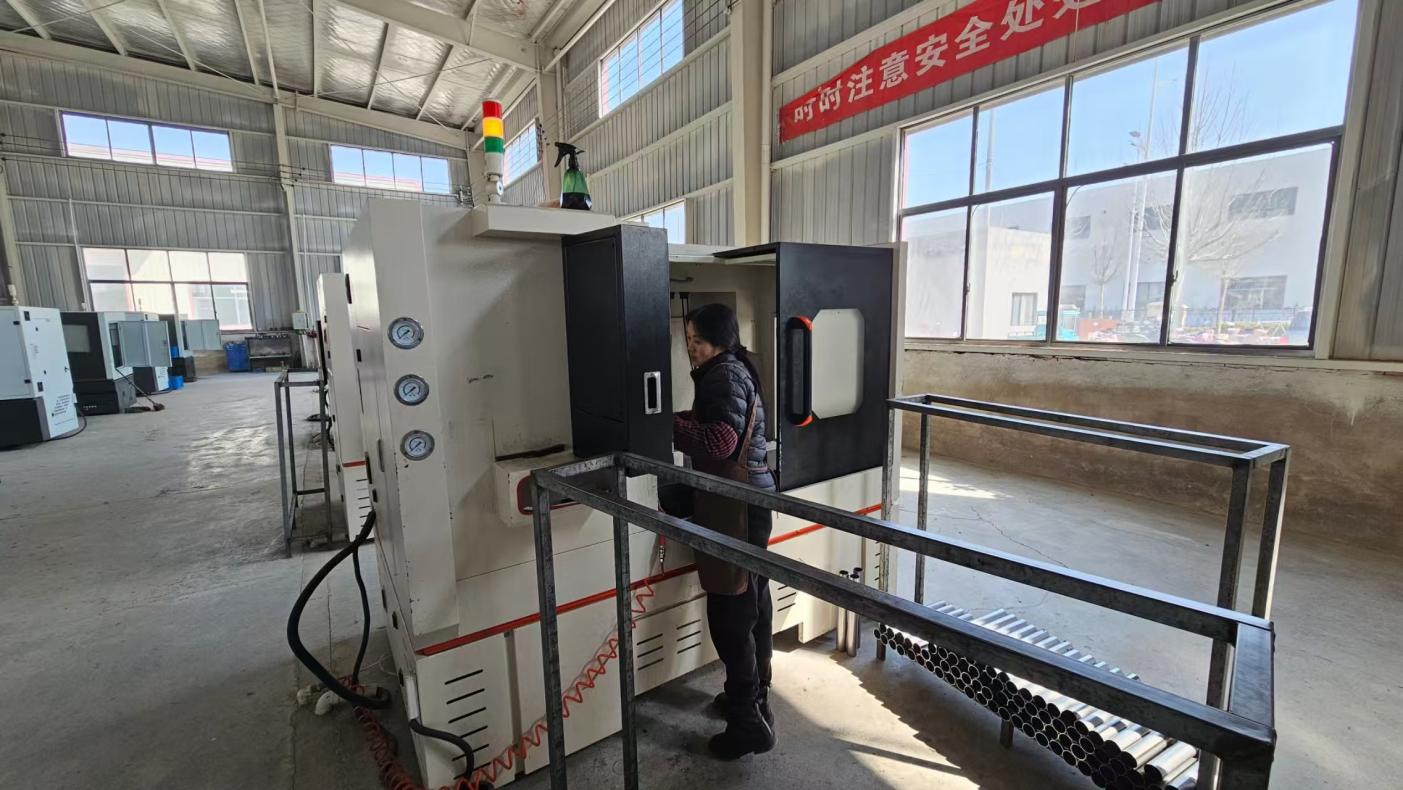
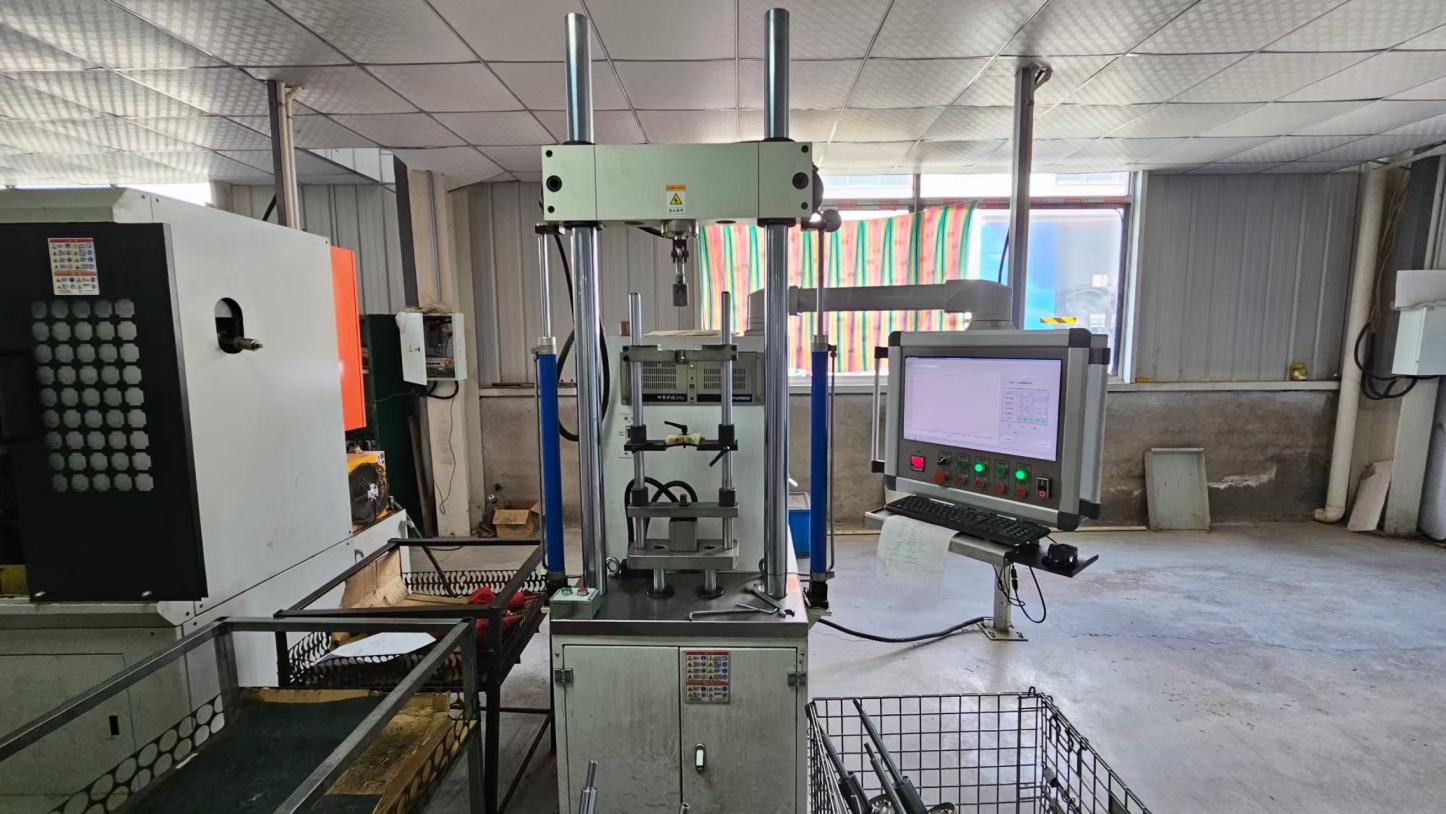
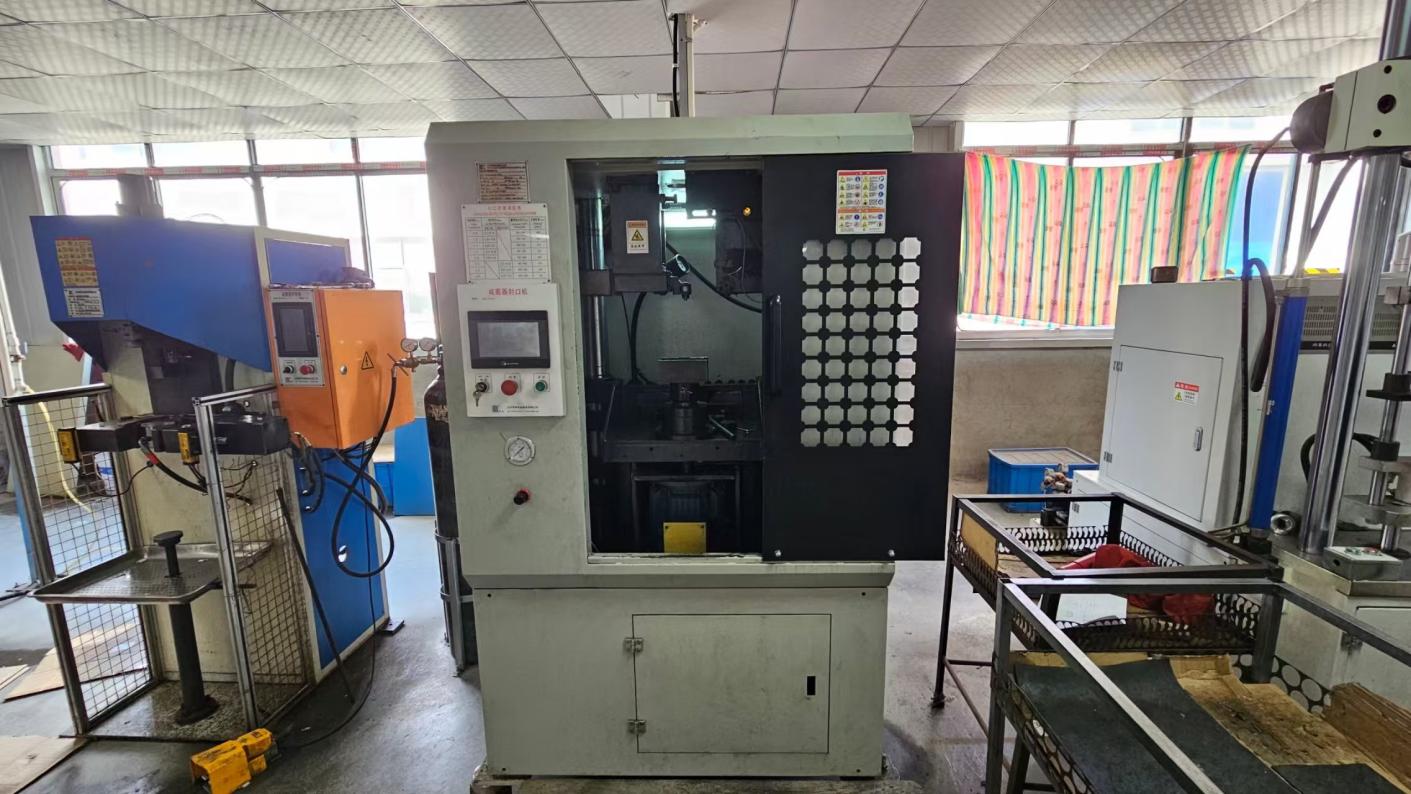
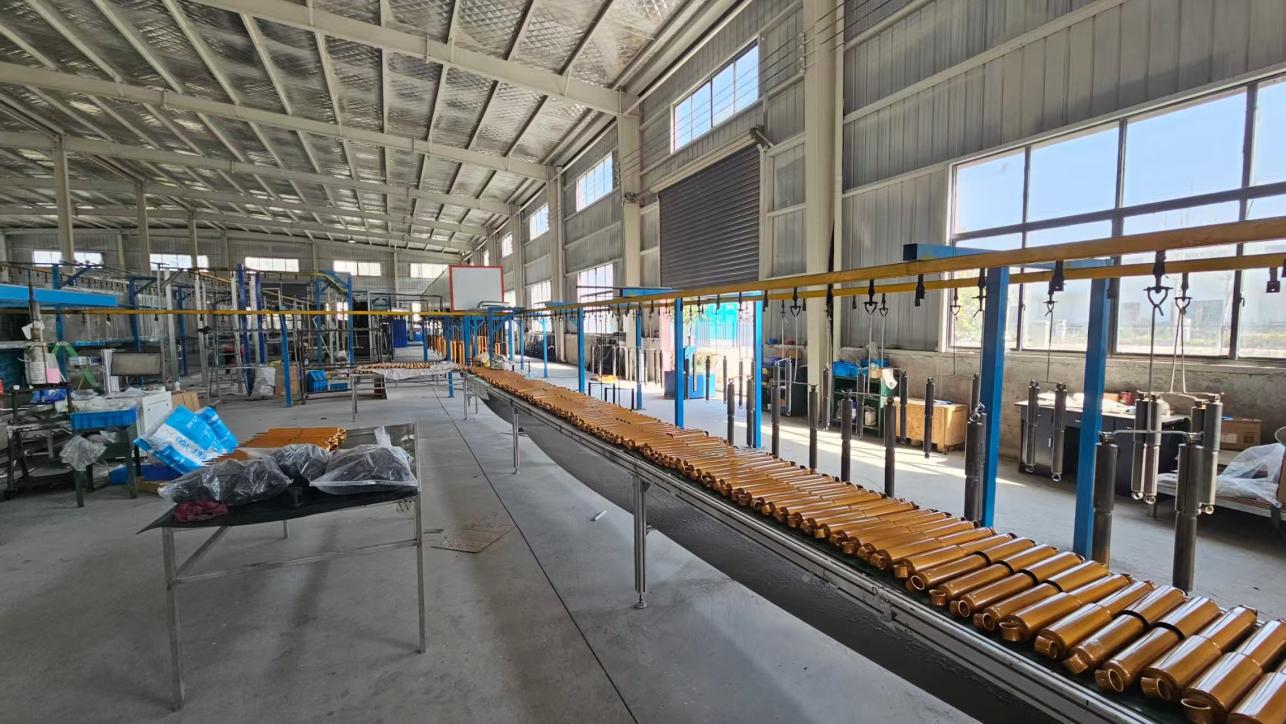
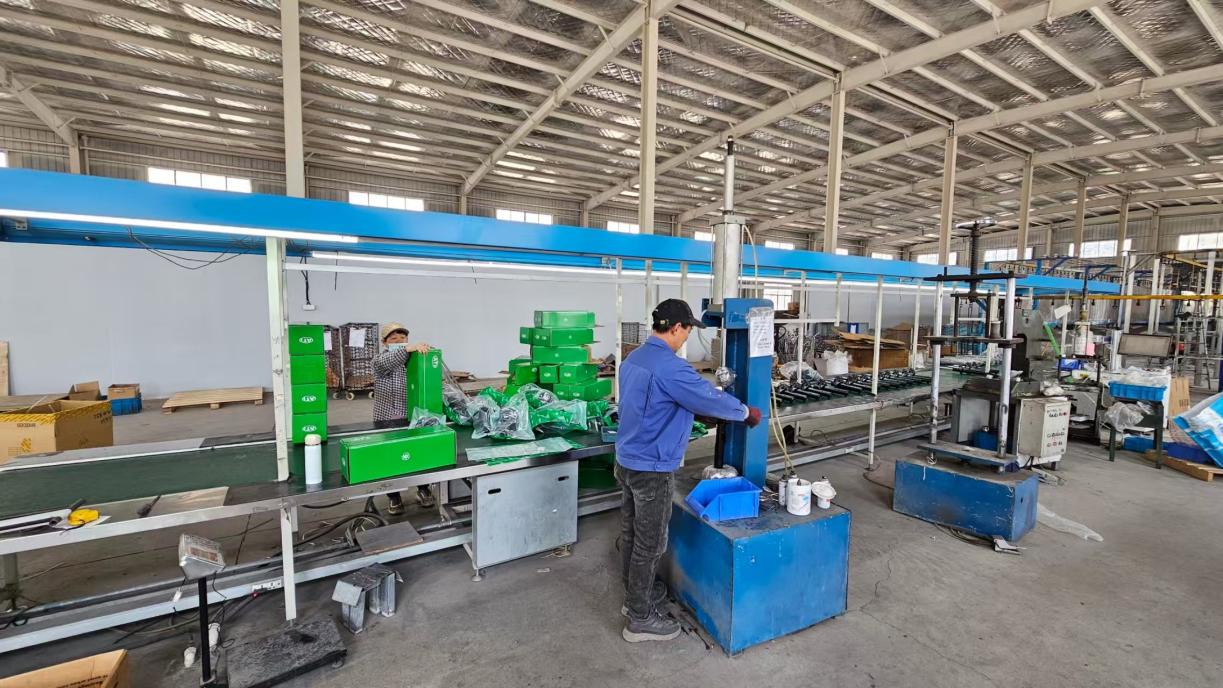
Our manufacturing facility is equipped with 80 hot pressing machines, 5 automated spraying lines, and precision grinding equipment, all integrated into a fully automated production system. This advanced production infrastructure allows us to maintain strict quality control, optimize production efficiency, and meet the highest industry standards. Below is a detailed look at our precision manufacturing stages:
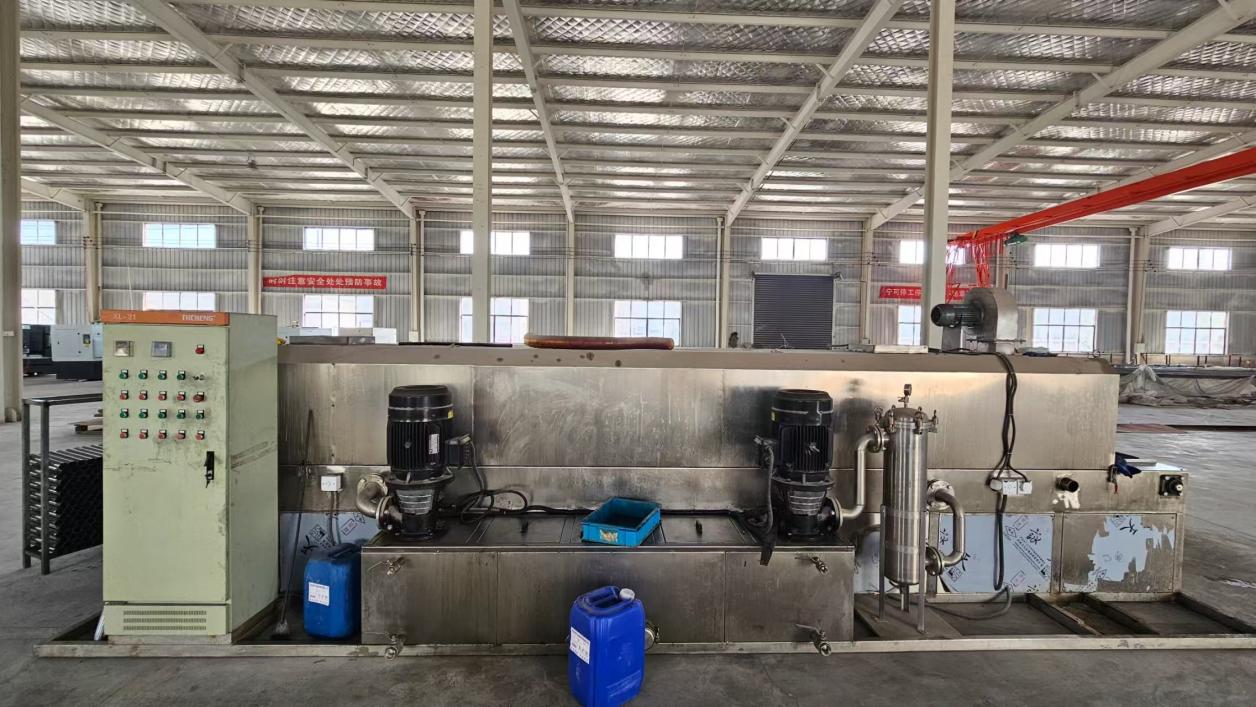
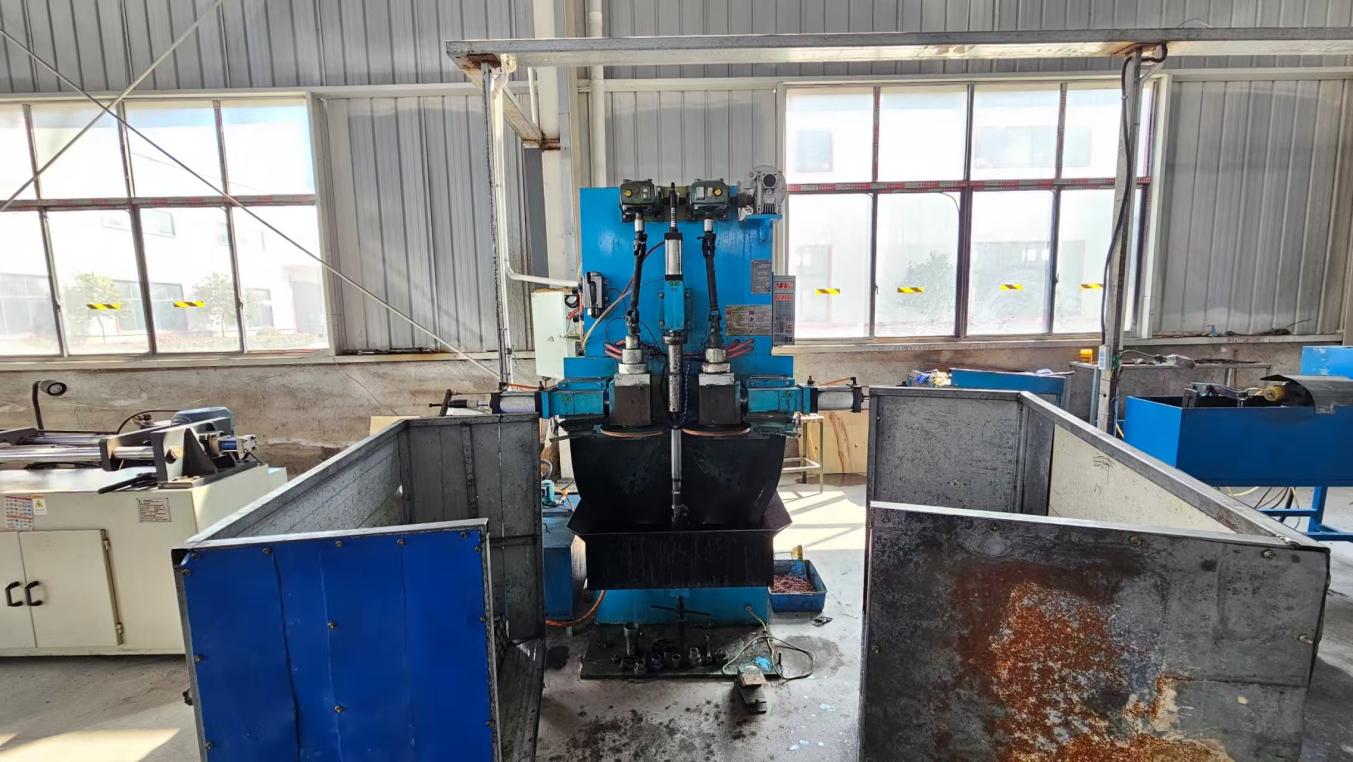
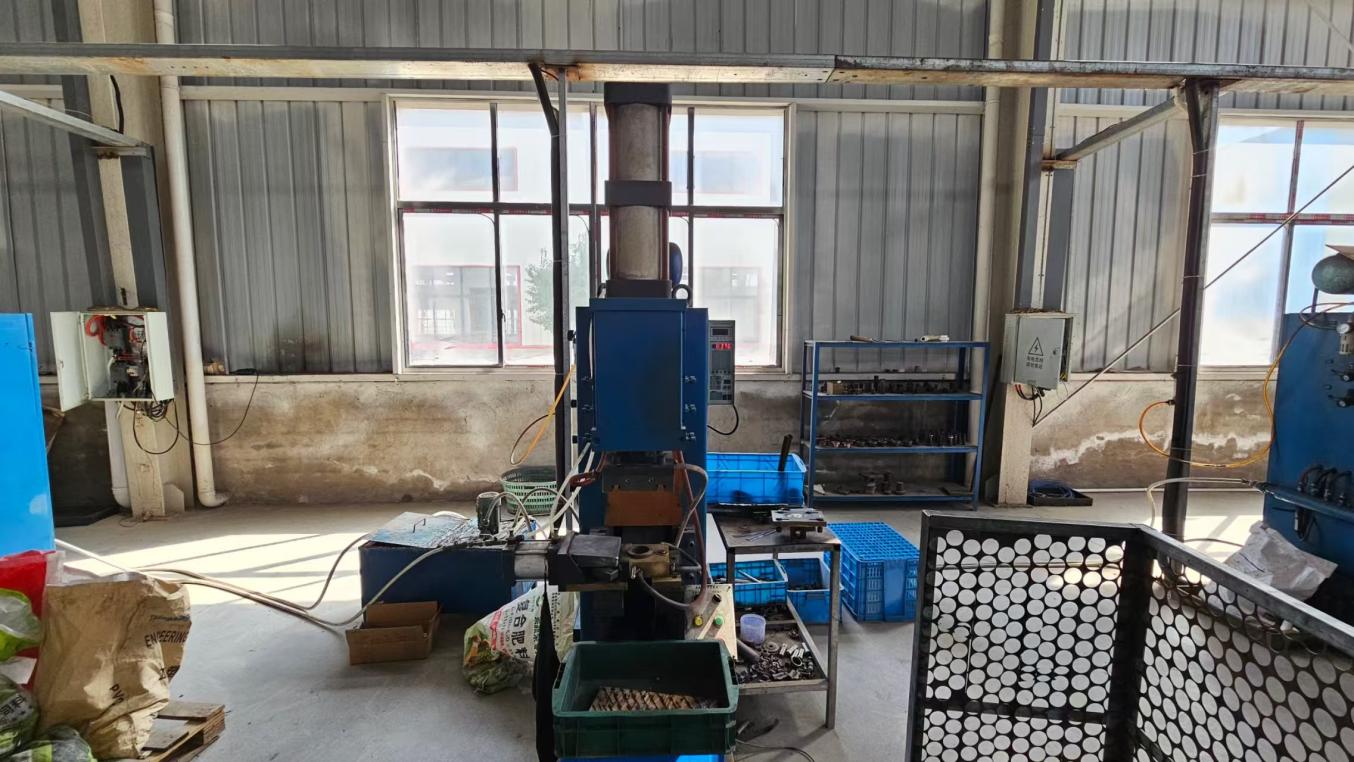
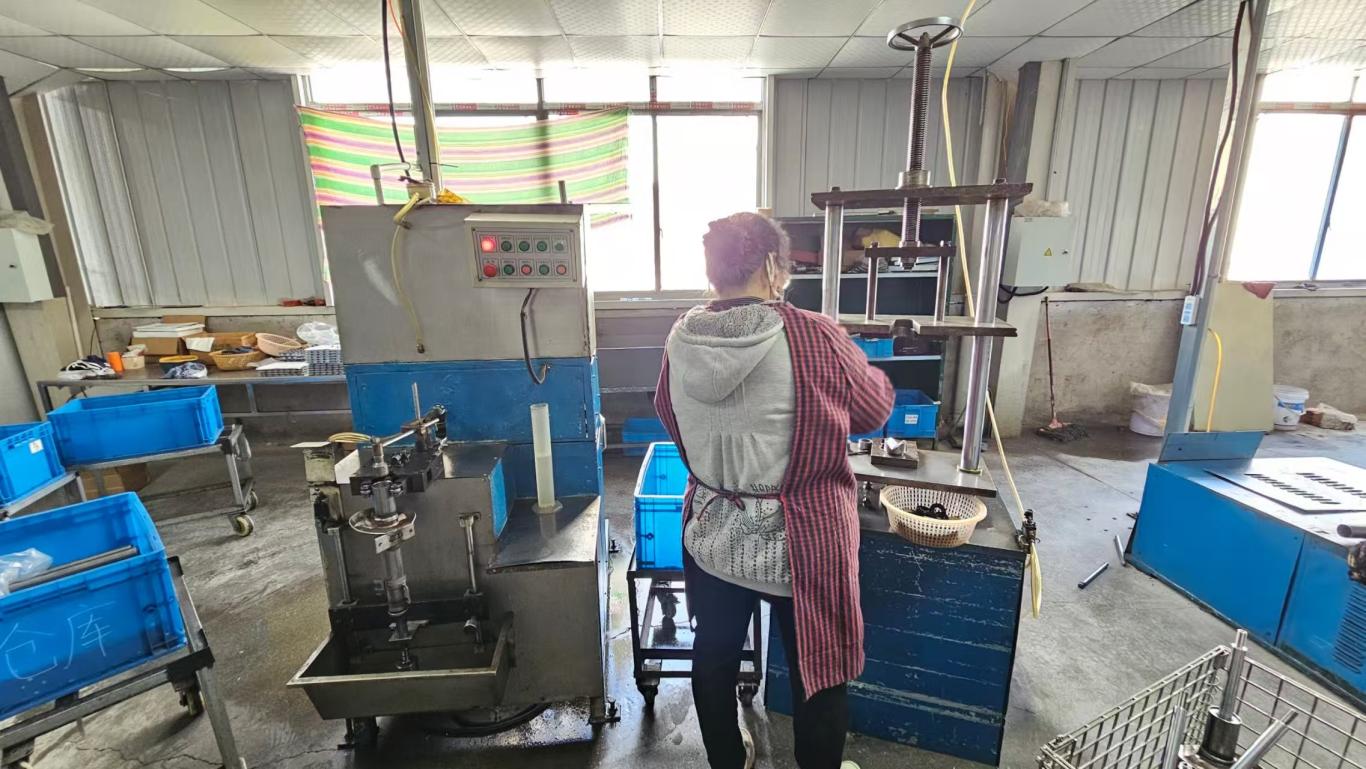
Heavy-duty trucks (MP4/MP5) require high-durability ABS sensors to manage heavy loads and heat dissipation during long-haul transport.
Carbon-ceramic brake pads paired with ultra-sensitive wheel speed sensors ensure millisecond response times on the track.
New Energy Vehicles (NEVs) rely on ABS sensors for regenerative braking synchronization, maximizing battery efficiency.