WAS Auto
WAS Auto
WAS Auto
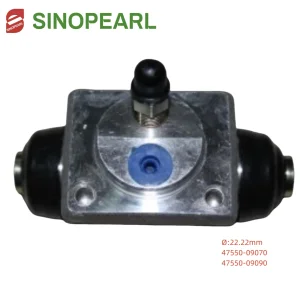
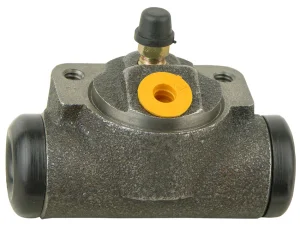
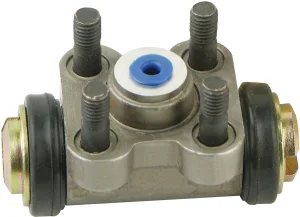
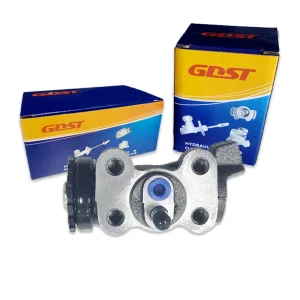
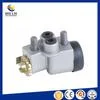
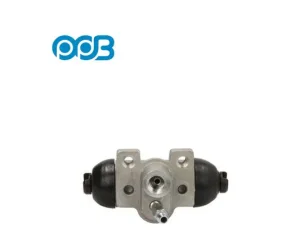
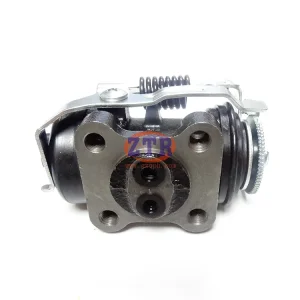
Engineered for high temperature resistance and structural durability. Direct factory supply for critical fleet operation hubs.
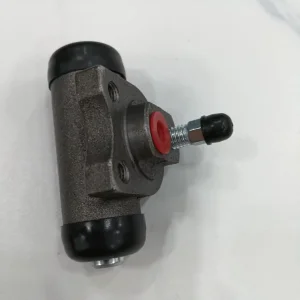
A technical guide on how extreme operating environments demand high-integrity hydraulic components.
Kaédi, positioned strategically on the Senegal River and acting as the capital of the Gorgol Region in southern Mauritania, plays a vital role in trans-Sahelian trade. The local economy relies heavily on agriculture, livestock transport, and cross-border commercial links with Senegal. The vehicles navigating these routes—ranging from heavy commercial distribution trucks to light pick-ups and municipal shuttle buses—experience some of the most unforgiving road and climatic conditions on Earth.
Operating environments in the Sahel region are characterized by high ambient temperatures rising above 45°C, pervasive airborne sand particles, and corrugated unpaved arterial roads. For hydraulic braking systems, these elements represent a combination of severe stress factors: continuous thermal load, abrasive grit contamination, and severe mechanical vibration. High-grade brake wheel cylinders are not merely standard replacement parts here; they are safety-critical infrastructure components necessary to prevent catastrophic failure on long-distance logistics corridors.
Standard automotive braking components often fail prematurely in Kaédi due to the degradation of elastomeric seals. When temperatures rise, typical rubber cups lose elasticity, causing fluid leaks and sudden hydraulic pressure loss.
Our specialized brake wheel cylinders combat this challenge through three primary innovations:
"In heavy transport logistics traversing Gorgol and surrounding regions, the integrity of the hydraulic system is the thin line between operational continuity and catastrophic roadside downtime. Our components are custom-engineered to withstand these exact conditions."
Established in 2014, Shandong WAS Auto Co., Ltd. specializes in manufacturing high-performance automotive brake components. Our extensive product portfolio includes premium-grade brake pads, brake discs, brake shoes, and hydraulic cylinders designed for a wide range of passenger and light commercial vehicles.
Over the years, we have developed advanced brake formulations, including ceramic, semi-metallic, carbon-ceramic, and non-asbestos organic (NAO) compounds. Our focus on engineering excellence ensures that every product delivers dependable stopping power, minimal noise, and reliable service under extreme temperatures.
Our mission—"Safety, Innovation, and Sustainability"—drives us to continually upgrade our manufacturing methods. By adopting state-of-the-art testing systems, we deliver heavy-duty components that meet the expectations of distributors, fleet operators, and automotive workshops globally.
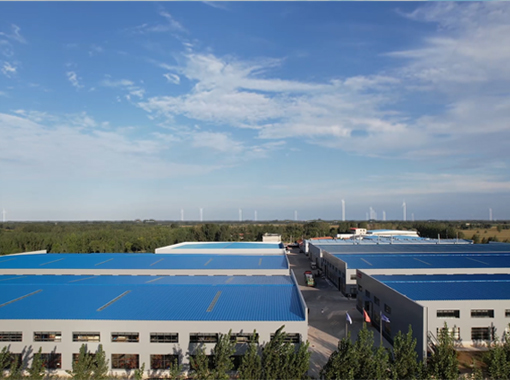
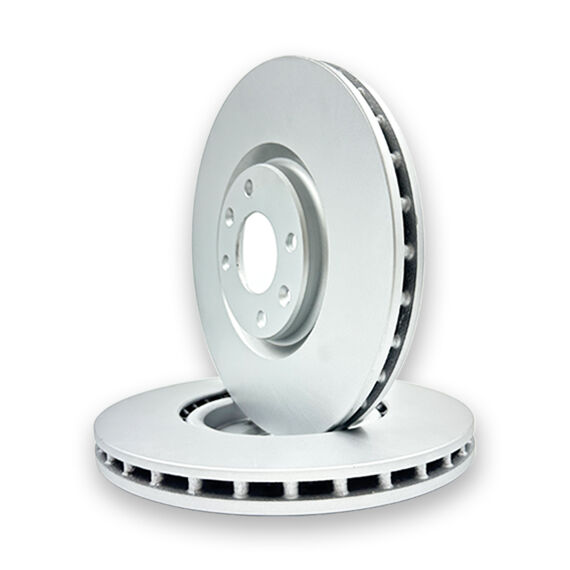
Our modern facility is equipped to handle large-scale orders while maintaining precision tolerances. The production floor features 80 hot pressing machines, 5 automated spraying lines, and specialized grinding machinery integrated into a cohesive quality assurance loop.
This infrastructure enables us to control every step of production. From metal cutting and chamfering to final pressure testing, each phase is monitored to ensure compliance with strict international quality metrics.
For regions like Kaédi, we offer tailor-made solutions. This includes specifying high-grade metal castings for commercial vehicles and utilizing corrosion-resistant surface coatings optimized for the extreme conditions of West African transport corridors.
Every step of our process is monitored to ensure each cylinder meets OEM performance benchmarks.
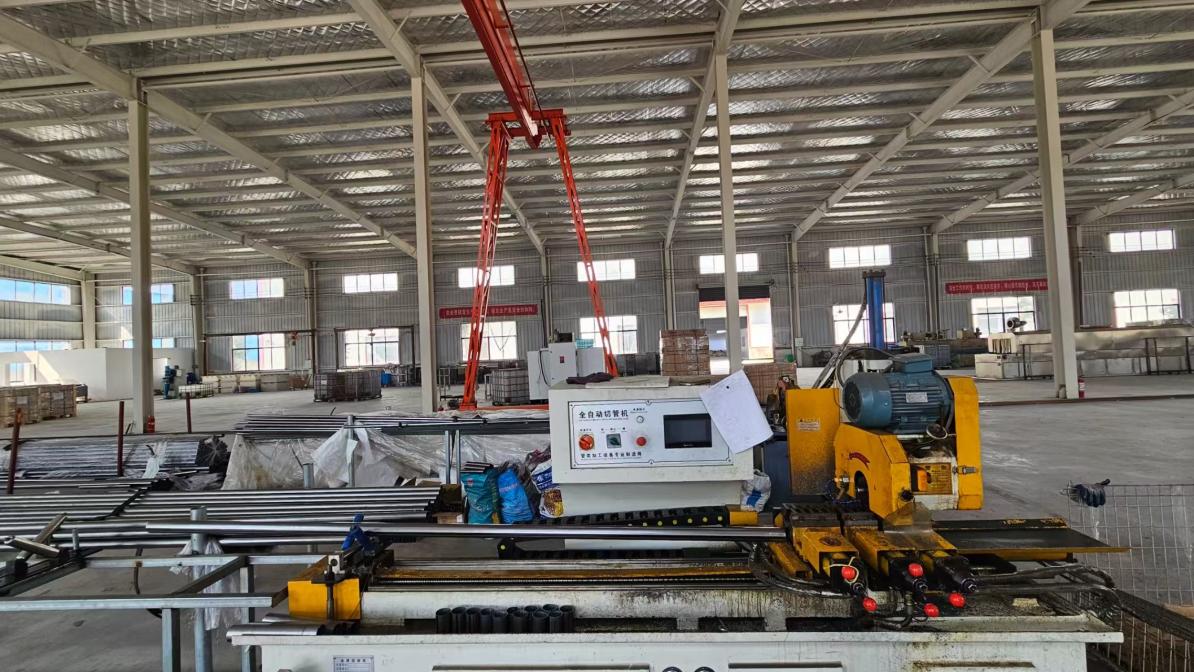
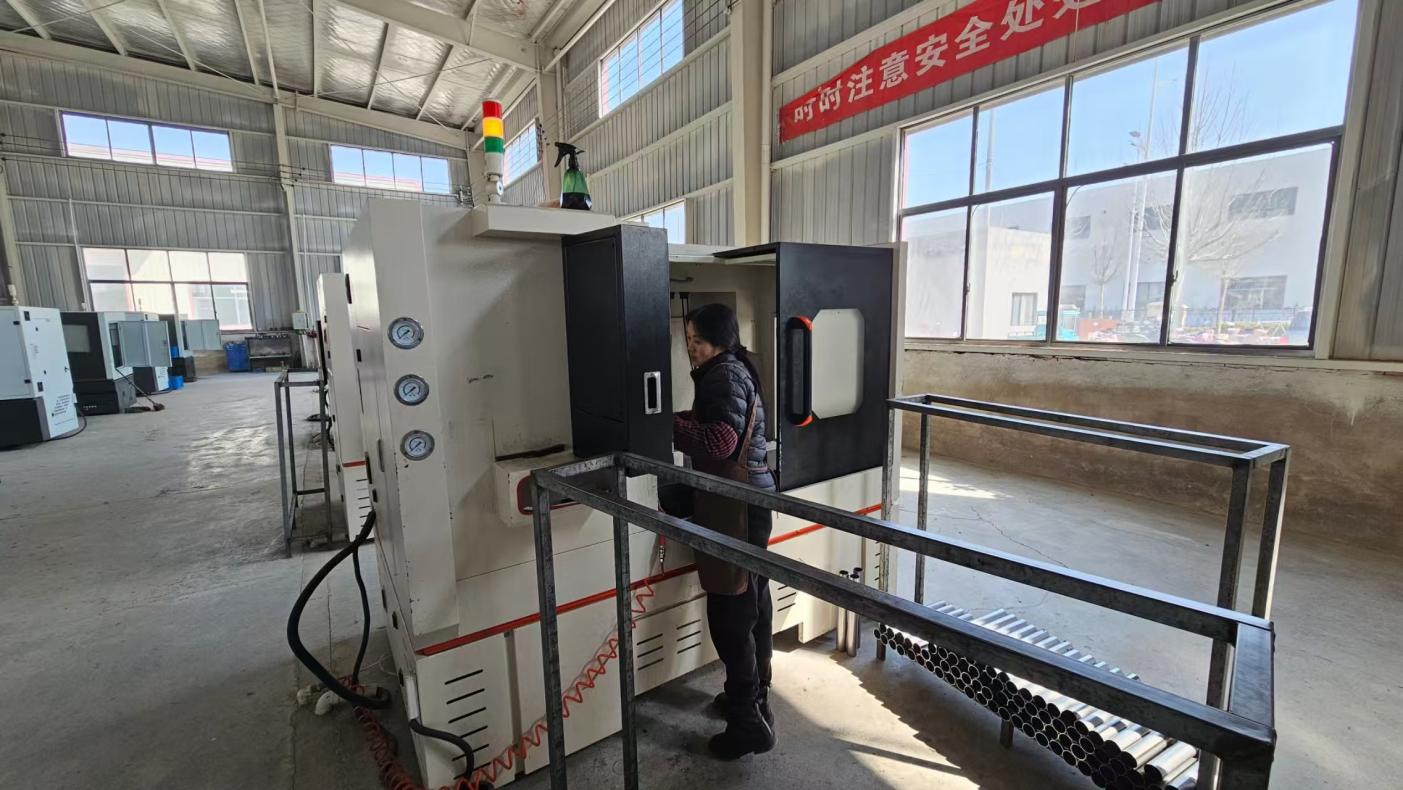
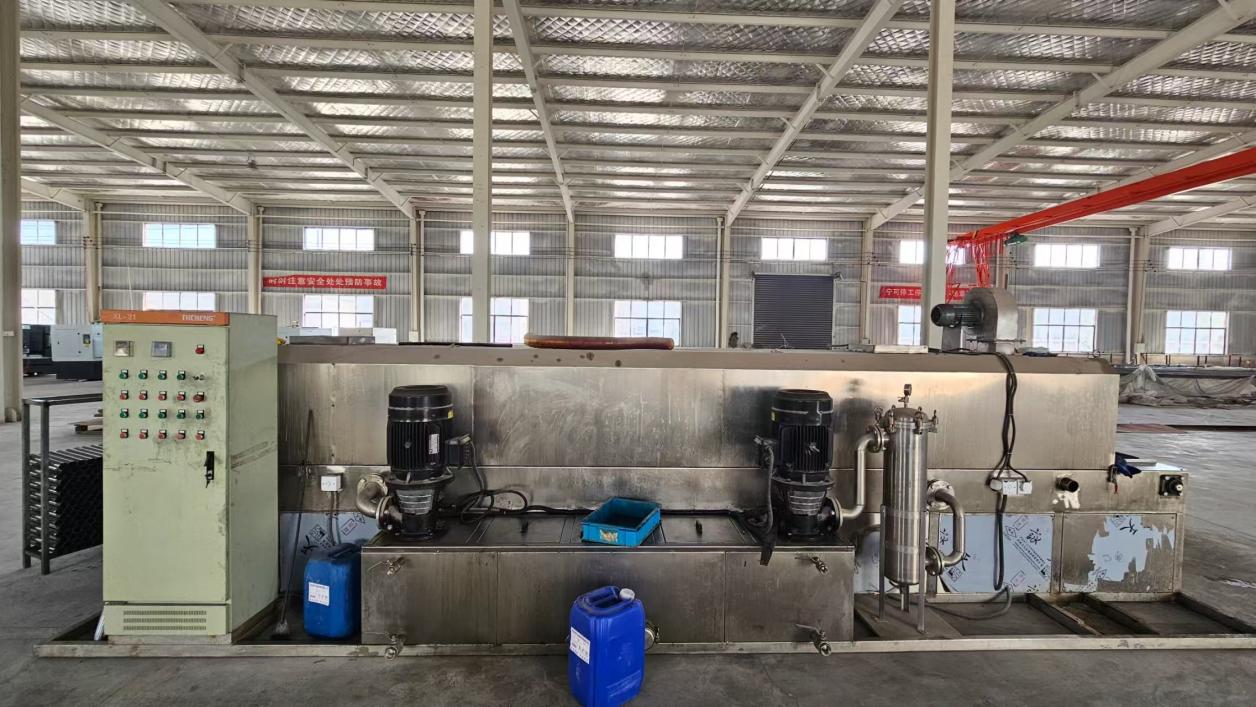
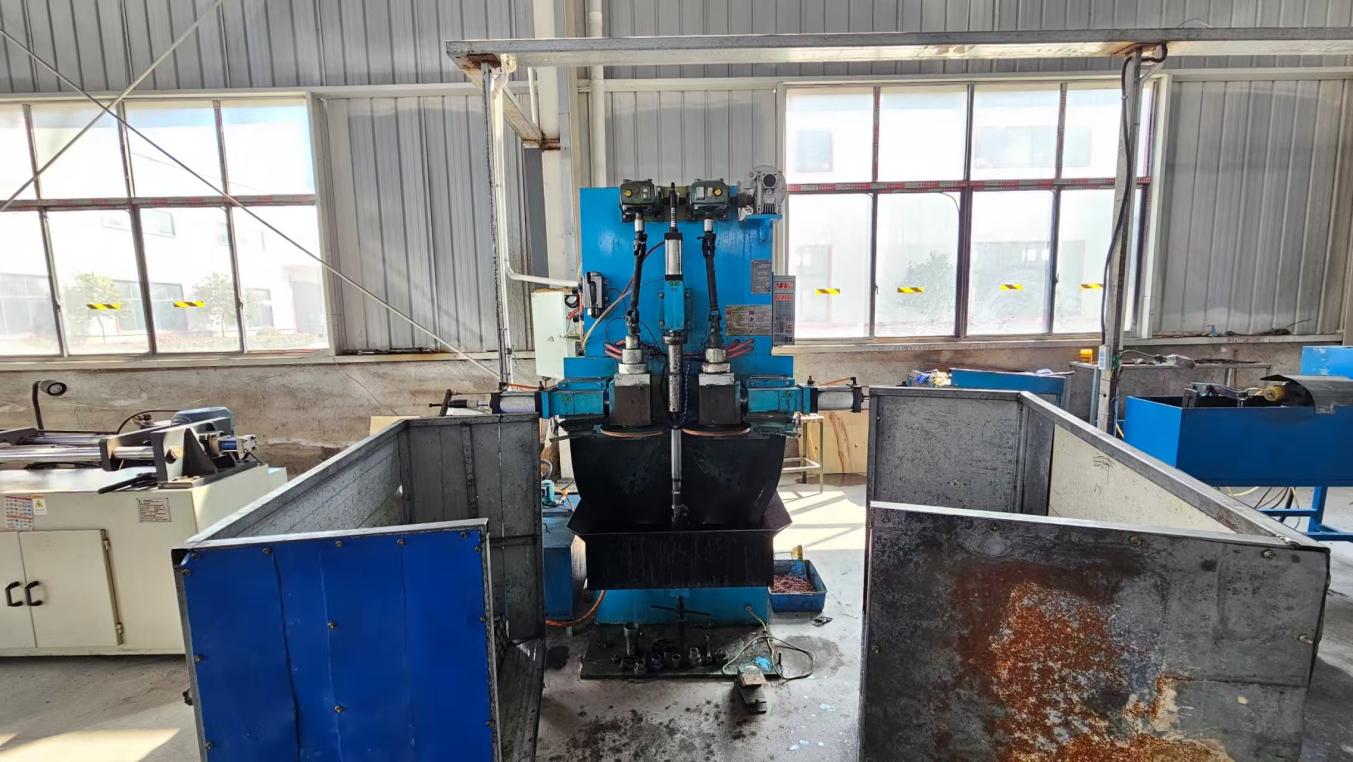
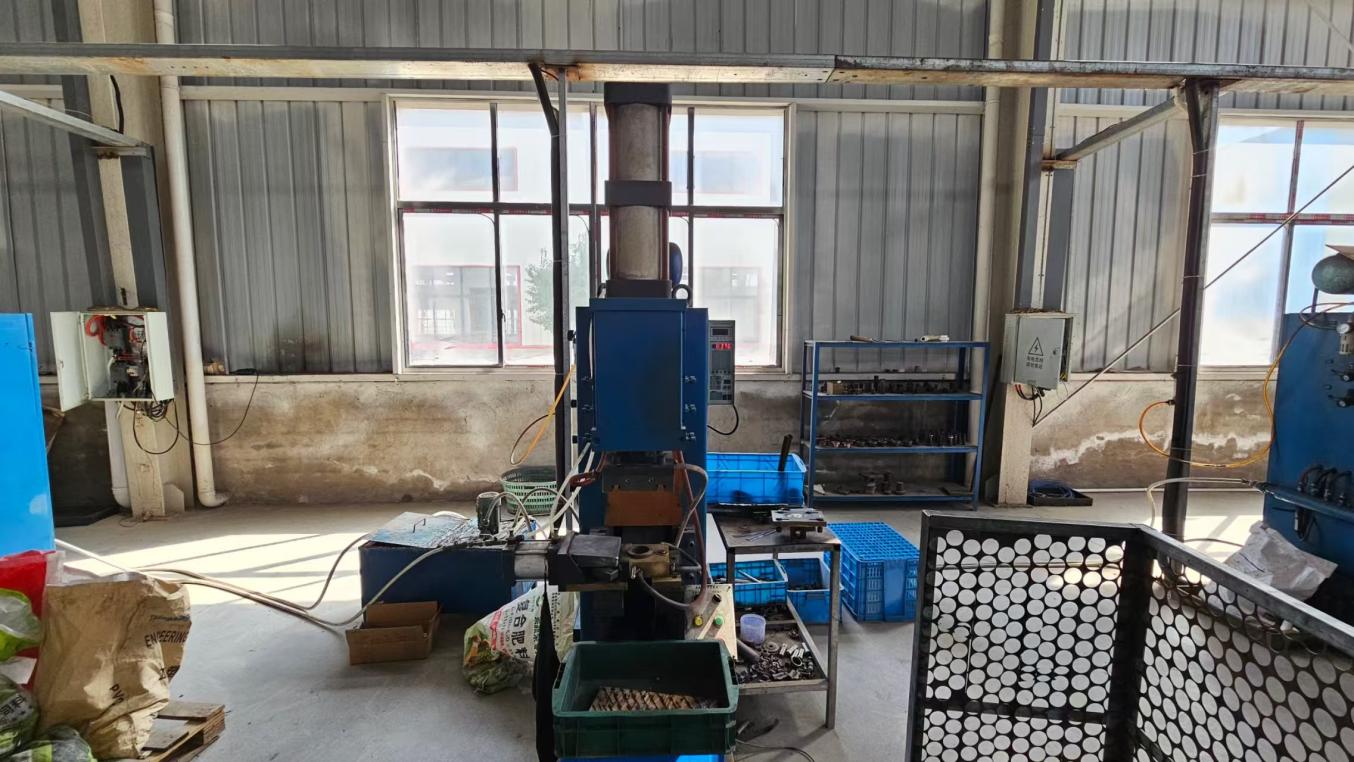
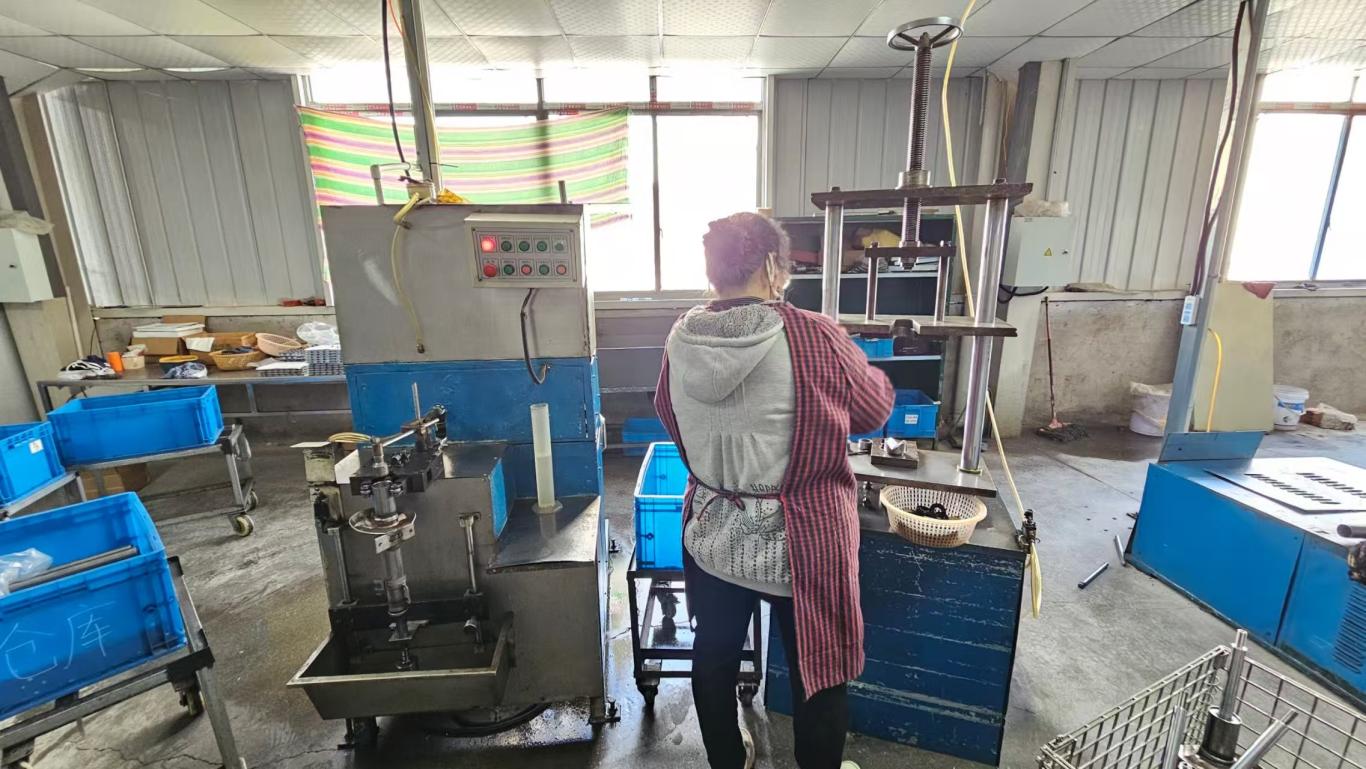
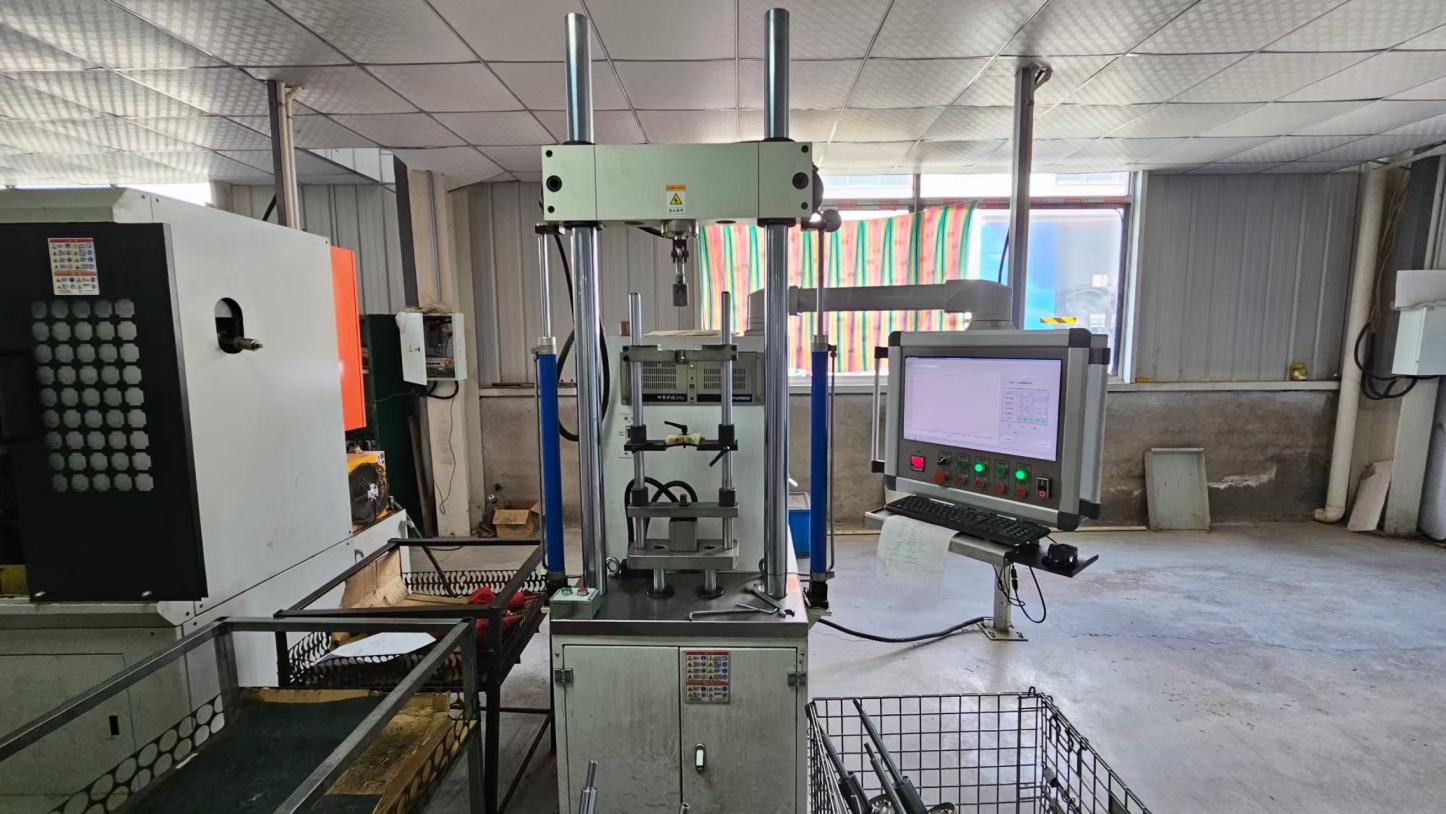
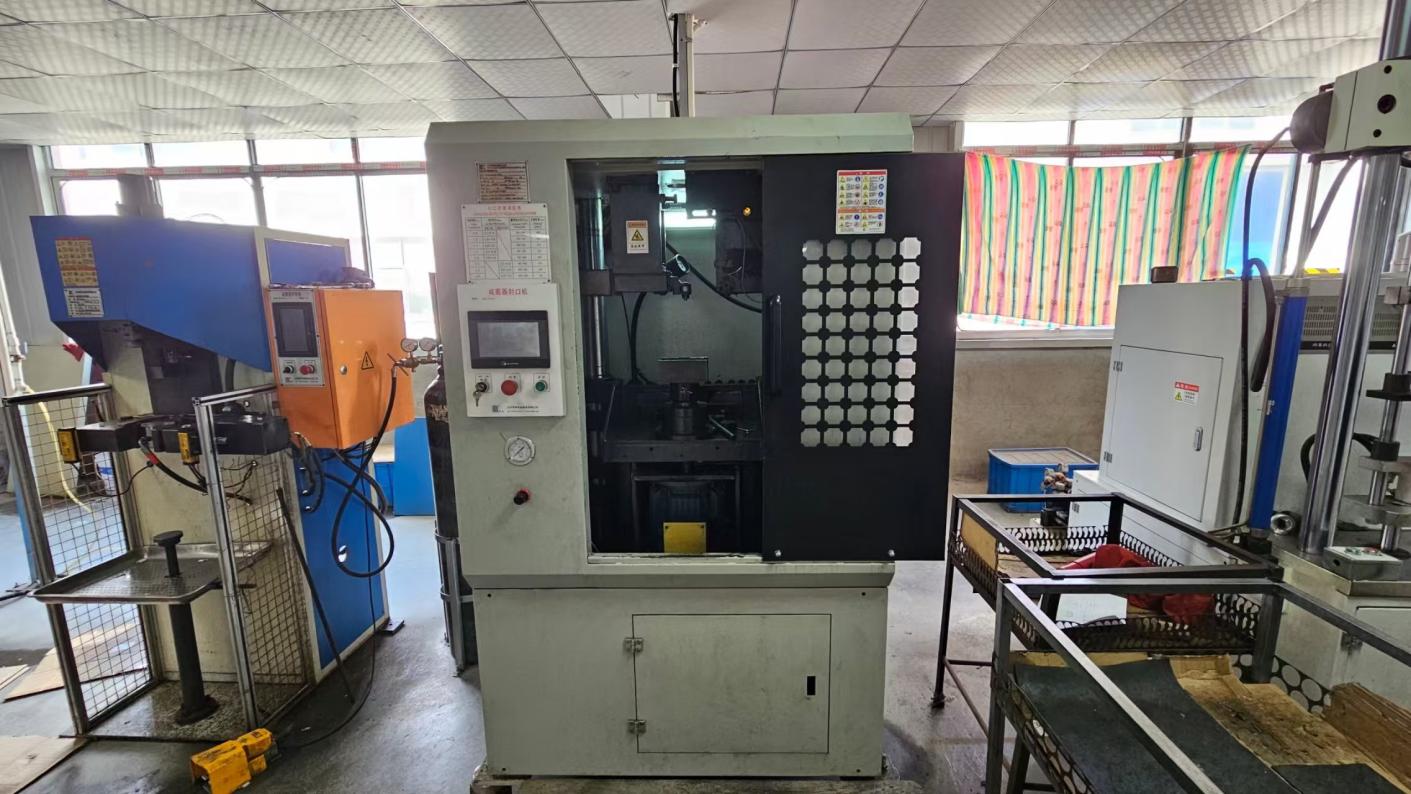
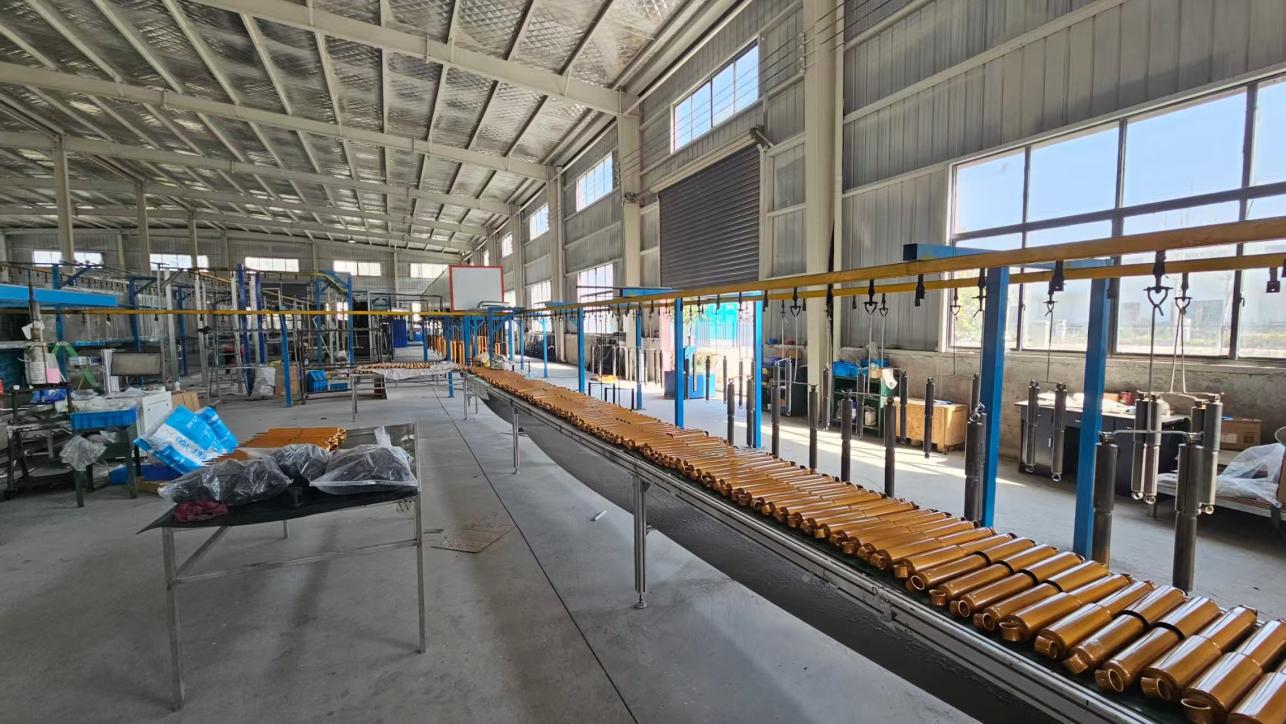
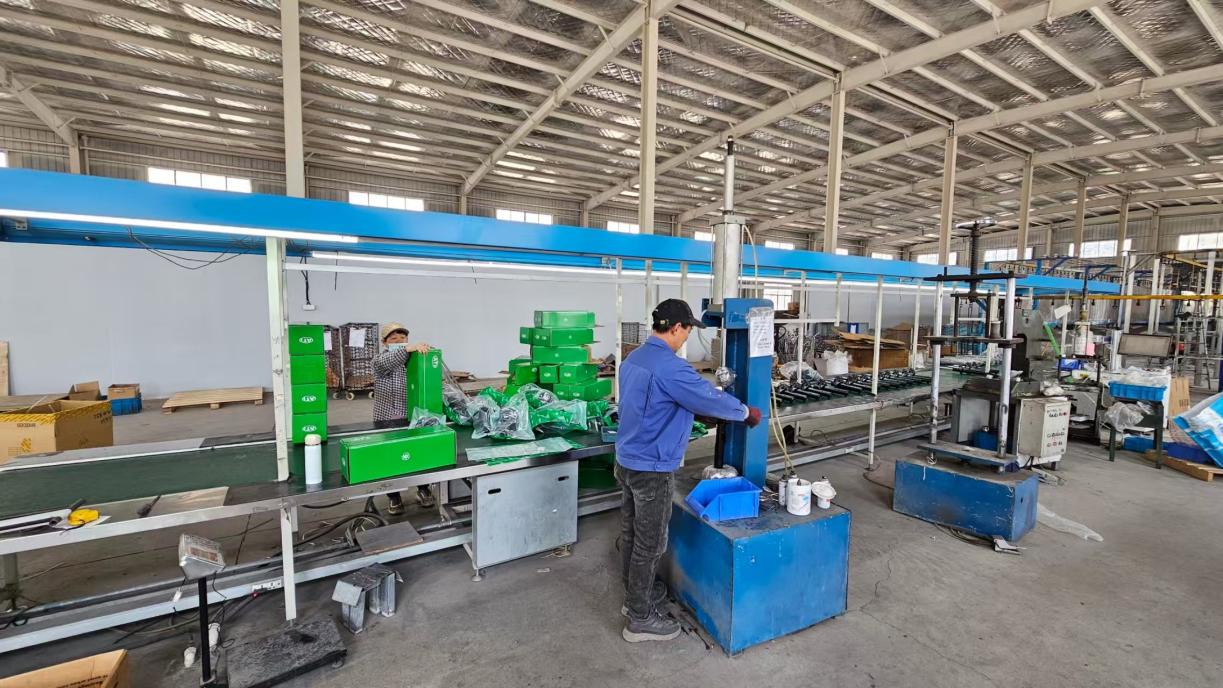
Automotive safety depends on strict adherence to international standardizations. Shandong WAS Auto Co., Ltd. builds and verifies products according to IATF 16949:2016 and ISO 9001:2015 quality frameworks.
Our material selection process is key to this performance. The cast iron utilized for our cylinder bodies undergoes chemical composition checks to ensure high tensile strength and casting integrity. This prevents cracking or deformation under extreme pedal pressure. Furthermore, every cylinder undergoes pneumatic leak testing at both high pressure (simulating emergency braking) and low pressure (detecting minor seepage).
Importing critical automotive parts into Mauritania requires a reliable shipping partner. We coordinate logistics from our factory to primary international maritime shipping lanes, delivering via the Port of Nouakchott. From there, we assist with customs clearance documentation and inland transit coordination to Kaédi.
To ensure components remain rust-free during transit and storage, all orders are packed using Vapor Corrosion Inhibitor (VCI) poly bags. This prevents moisture damage, ensuring the parts are ready for immediate installation upon arrival.
In Mauritania, passenger vehicles and commercial fleets face demanding driving conditions. Our products are engineered for three primary localized application scenarios:
As vehicle dynamics evolve, hydraulic drum brakes remain critical for light commercial vehicles, pick-ups, and rear-axle setups due to their reliable holding power and durability.
Our research focuses on eco-friendly surface coatings that replace traditional hexavalent chromium finishes. We are also testing advanced polymer composite pistons to reduce weight while preserving thermal stability, helping global transport operators improve efficiency and lower emissions.
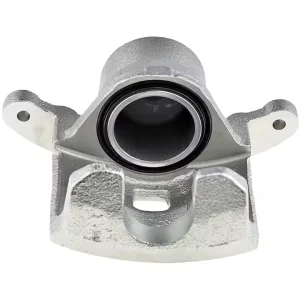
Direct replacements matching original equipment standards for commercial vehicles and passenger cars in Kaédi.
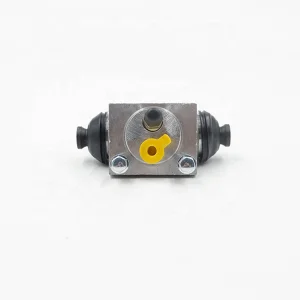
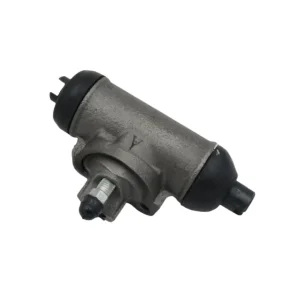
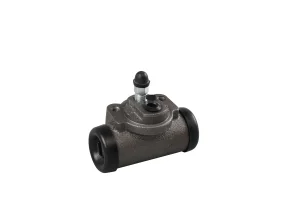
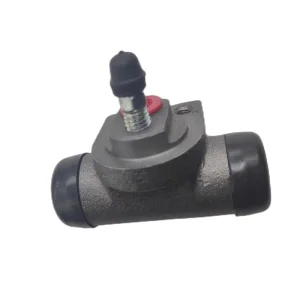
Technical answers for wholesale buyers and maintenance supervisors in West Africa.
In regions like Kaédi, premature failure is typically caused by two factors: heat-induced hardening of the rubber cup seals and abrasive dust ingress. Dry sand particles break down external dust boots, allowing grit to enter the cylinder bore. This wears down the seal lips during use, causing brake fluid to leak and reducing braking pressure.
EPDM (Ethylene Propylene Diene Monomer) provides excellent resistance to heat, ozone, and glycol-based brake fluids (DOT 3, DOT 4, and DOT 5.1). Unlike standard nitrile rubber, which degrades and shrinks when exposed to high heat and brake fluid, EPDM retains its elasticity. This prevents pressure loss and fluid leaks.
Our quality program includes raw material testing, online digital inspection, and 100% functional testing. Every wheel cylinder is tested for leaks under low pneumatic pressure to verify seal placement, and under high hydraulic pressure to test structural strength. Each part is stamped with a tracking code for full quality traceability from cast processing to packaging.
Standard production lead times range from 30 to 45 days, depending on order size. Shipments are loaded at Qingdao Port and delivered to Nouakchott Port (Mauritania). From there, land freight transports the goods directly to your distribution center in Kaédi. We use VCI moisture-barrier packaging to protect all components from humidity and oxidation during transit.