WAS Auto
WAS Auto
WAS Auto
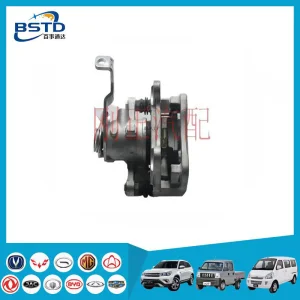
Explore our first selection of high-precision heavy truck, trailer, passenger car, and off-road brake parts built for extreme environmental durability.
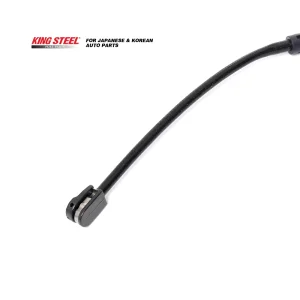
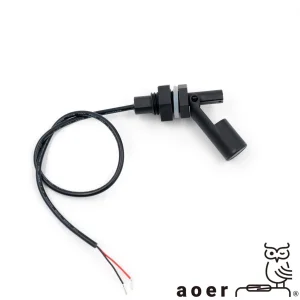
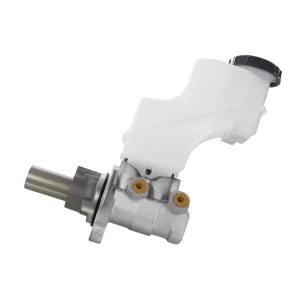
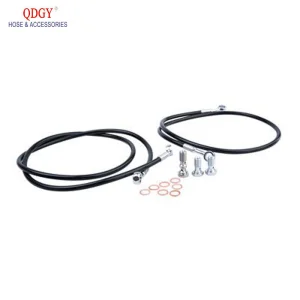
The global heavy industrial, mining, agricultural, and recreational off-road vehicle market is experiencing an unprecedented technical evolution. As off-road operations push further into severe geographic zones—ranging from sub-zero Arctic mining sites to high-temperature desert terrains—the mechanical demands placed on vehicle deceleration systems have multiplied exponentially.
Unlike highway transport vehicles, off-road applications operate under continuous high torque, low-velocity structural load, and are constantly exposed to environmental abrasives like quartz sand, slurry mud, dust, and corrosive moisture. The primary engineering failure mode in traditional brake systems is not merely mechanical wear, but thermal fatigue and abrasive friction decay.
Definition of Thermal Fade: When brakes operate under prolonged descents or high payloads, temperatures can spike past 600°C. In standard braking components, this causes structural gasification of friction materials, resulting in a severe drop in the coefficient of friction—commonly termed "brake fade."
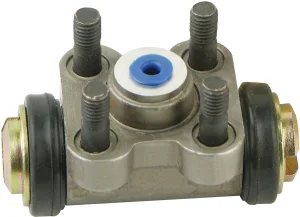
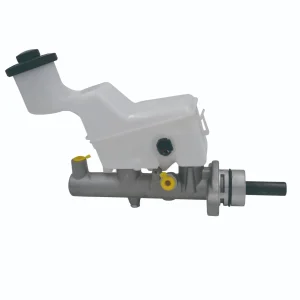
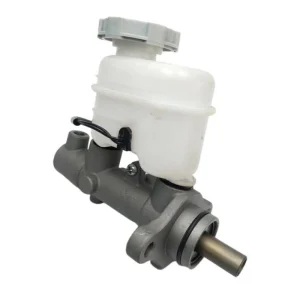
Consequently, global procurement patterns have shifted from generic aftermarket solutions to customized OEM/ODM engineering collaborations. International operators require specialized materials, such as carbon-ceramic matrices and advanced semi-metallic formulations, combined with ruggedized auxiliary components (such as braided PTFE hoses, high-temp wear sensors, and sealed master cylinders) to maintain operational uptime and prevent costly field failures.
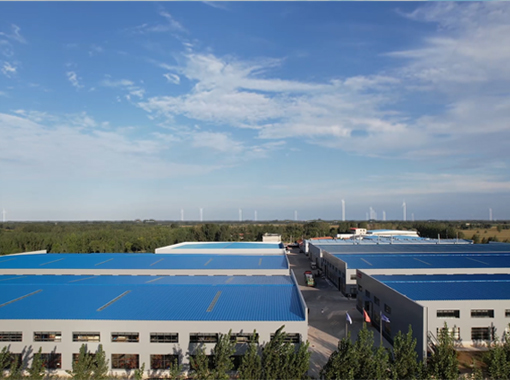
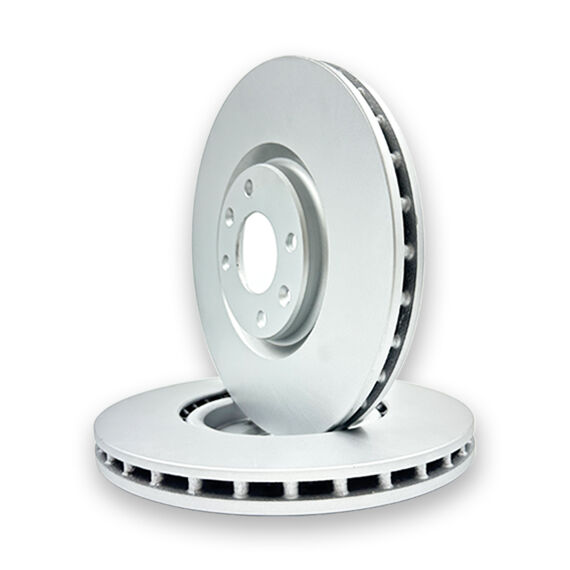
Established in 2014, Shandong WAS Auto Co., Ltd. has grown into a premier specialized manufacturer of high-performance automotive braking components. We represent a combined operational portfolio that supplies premium brake pads, brake discs, and brake shoes tailored to passenger, commercial, and heavy off-road vehicles.
Over the past decade, WAS Auto has developed a proprietary portfolio of friction materials. We do not offer one-size-fits-all products; instead, we formulate and manufacture distinct material profiles including advanced ceramic, semi-metallic, carbon-ceramic, and Non-Asbestos Organic (NAO) structures. Our solutions are engineered to minimize wear-debris emissions, maintain constant torque output, and deliver silent, low-dust operations under the harshest duty cycles.
Safety-First Manufacturing Philosophy: Because brake components represent critical safety life-support systems, WAS Auto subjects every material batch to shear testing, compressibility mapping, and high-temp dyno profiling before shipment approval.
At WAS Auto, our corporate strategy is guided by the pillars of "Safety, Innovation, and Sustainability." We understand that the next generation of off-road and utility vehicles demands green, eco-friendly friction compositions. Many jurisdictions in North America and Europe mandate a reduction in heavy metal content in friction pads (specifically copper content restrictions).
Our engineering teams have pioneered copper-free ceramic and organic formulations that meet both strict environmental standards and the high-density braking requirements of off-road machines. In partnership with global academic institutions, we are actively validating clean manufacturing systems that utilize recycled carbon matrices to offset our industrial carbon footprint.
Explore the structured manufacturing steps within Shandong WAS Auto's automated facility, combining 80 hot pressing machines, precise finishing, and 100% QA pressure verification.
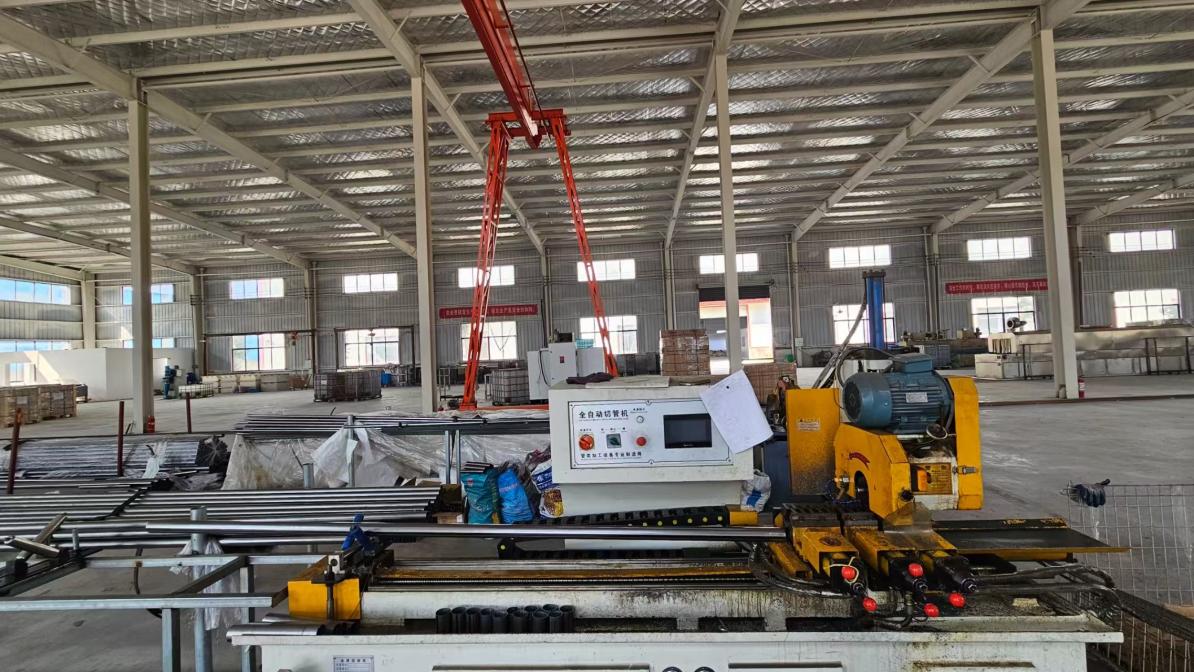


By centralizing raw material sourcing, tooling creation, automated precision hot pressing, and surface spray painting under a single unified facility in Shandong, WAS Auto significantly reduces manufacturing overhead. This vertical integration allows for shorter production cycles, rigorous dimensional inspection at each interface, and highly cost-competitive ODM production batches for custom international requirements.
Different environments present unique mechanical threats. We custom-engineer brake systems to target the specific dynamics of each operational scenario.
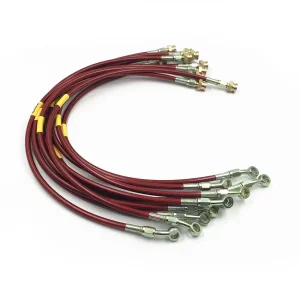
Extreme off-road vehicles (like the Polaris Ranger or RZR XP) demand flexible, high-tensile braking connections. Our PTFE-core, stainless steel braided brake lines prevent volumetric expansion under pressure, delivering crisp pedal response through mud, water crossings, and rock crawls.
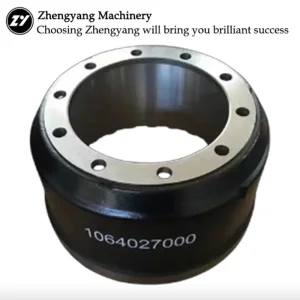
Rear brake drums and heavy-duty calipers operating in high-tonnage mining and construction zones face sustained friction loads. We supply reinforced cast iron drums with optimized heat-sink fins to dissipate massive energy and prevent cracking under dynamic downhill payloads.
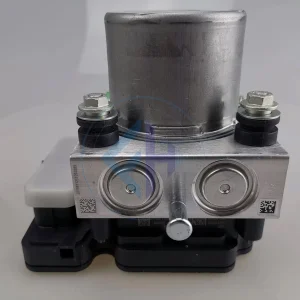
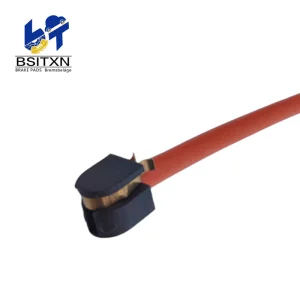
Operating in intense dust and high-temperature tracks requires electronic and sensor reliability. Our wear indicators, fluid level switches, and ABS modules are sealed with premium elastomers to withstand severe vibration and chemical contamination.
When international industrial purchasing directors Source OEM/ODM brake components, technical compliance is non-negotiable. Braking elements must align with recognized global safety bodies. In North America, the **SAE J1401** and **DOT (Department of Transportation)** certifications dictate the pressure limits, burst strengths, and expansion metrics of flexible fluid hoses. In Europe, the **ECE R90** certification governs aftermarket pads and shoes, ensuring their performance matches original equipment specifications.
Additionally, the automotive industry relies on the **IATF 16949** standard for quality management. This certification requires rigorous control of the manufacturing chain, including full traceability of raw chemical materials, tool calibration records, and process validation benchmarks.
| Compliance Body | Key Requirement / Test Parameter | WAS Auto Capability Standard |
|---|---|---|
| DOT SAE J1401 | Volumetric expansion limits, high-pressure burst testing (>34 MPa) | PTFE Braided lines exceed 50 MPa burst strength limits |
| ECE R90 | Brake performance within +/- 15% of OEM baseline specifications | 100% alignment using Link dyno profiling validation |
| IATF 16949 | Complete raw material batch traceability and production QA verification | Implemented across all 80 hot pressing machines |
| ISO 6312 | Brake pad friction material shear strength limits | Consistently measures > 5.0 N/mm² across batches |
The transition toward automotive electrification (EV/Hybrid platforms) has modified the duty cycles of modern brake components. With regenerative braking handling most of the low-level deceleration, friction brakes remain disengaged for longer periods. This leads to **cold wear** and rust buildup on rotors, along with potential caliper binding.
To address these issues, the industry is transitioning to **corrosion-resistant coatings** (such as specialized zinc-flake and geopolitical geometries) and advanced wear-sensing systems that monitor pad integrity in real-time. Shandong WAS Auto is actively integrating high-sensitivity electronic wear sensors into our production lines, enabling fleet operators to deploy predictive maintenance models and prevent unexpected vehicle downtime.
Get authoritative answers on materials, engineering standards, and customization capabilities from our technical department.
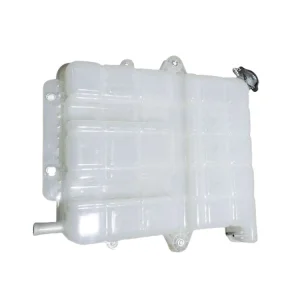
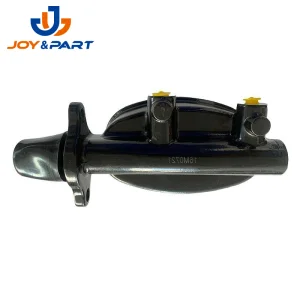
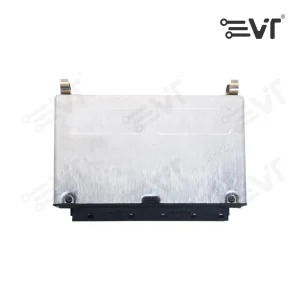
Browse the remaining selection of our specialized product line, highlighting master cylinders, DOT-certified hoses, and electronic control modules.