WAS Auto
WAS Auto
WAS Auto
In the modern era of automotive engineering, the Brake Temperature Sensor has transitioned from a niche racing component to a critical safety requirement for commercial fleets, electric vehicles (EVs), and high-performance passenger cars. As a premier CE Certified Brake Temperature Sensor Manufacturer, Shandong WAS Auto Co., Ltd. is at the forefront of this technological shift, providing the "Information Gain" necessary for engineers to prevent brake fade and catastrophic failure.
The global automotive sensor market is projected to reach $45 billion by 2028. Within this, thermal management systems for brakes are seeing a 12% CAGR, driven by stricter safety regulations and the rise of autonomous trucking where real-time diagnostics are non-negotiable.
CE marking is not just a label; it is a declaration of compliance with EU health, safety, and environmental protection standards. Our sensors undergo rigorous electromagnetic compatibility (EMC) and thermal endurance tests to ensure reliability in extreme environments.
EVs rely heavily on regenerative braking. However, physical friction brakes remain the final line of defense. Monitoring the temperature differential between motor braking and friction braking is essential for optimizing energy recovery without compromising safety.
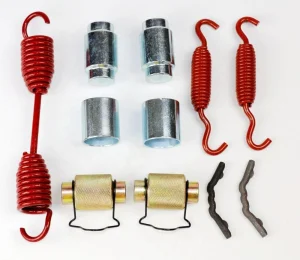
Established in 2014, Shandong WAS Auto Co., Ltd. specializes in the manufacturing of high-quality automotive brake components, including brake pads, brake discs, and brake shoes for all types of passenger vehicles. Over the years, WAS Auto has developed a variety of advanced brake pad formulations, including ceramic, semi-metallic, carbon-ceramic, and NAO (non-asbestos organic).
Our products are known for their excellent high-temperature resistance, outstanding wear resistance, low noise, minimal dust, and consistent quality, ensuring reliable braking performance in all driving conditions.
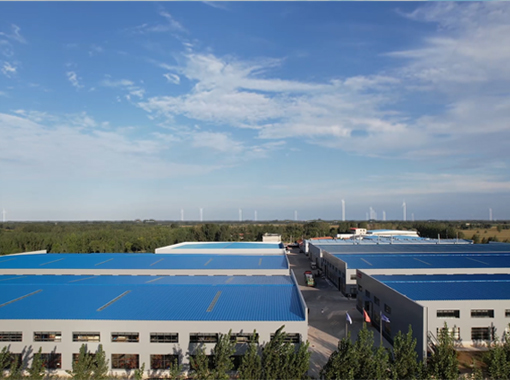
Years of Experience
Hot Pressing Machines
Automated Spraying Lines
Export Regions
At WAS Auto, we are driven by our mission of "Safety, Innovation, and Sustainability." We are committed to providing global automotive users with efficient, eco-friendly, and dependable braking solutions. Recognizing the critical importance of braking systems in vehicle safety, we focus not only on product quality and performance but also on environmental responsibility and technological innovation.
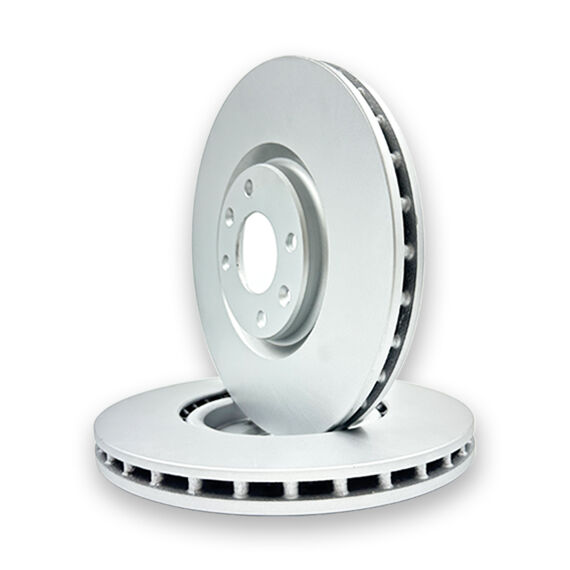
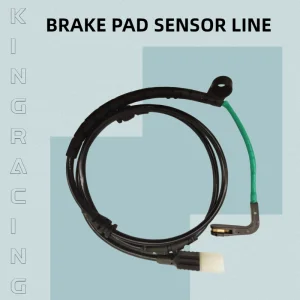
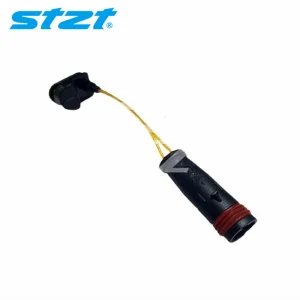
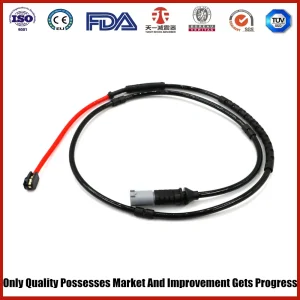
Traditional wire-loop sensors that trigger a dashboard light when the pad reaches its limit. Our factory specializes in high-durability OE replacement lines.
Non-contact sensors that monitor rotor temperature in real-time. This prevents "Thermal Glazing" and ensures the brake pad stays within its optimal coefficient of friction.
Integrating temperature data with ECU algorithms to predict brake life based on driving style and environmental heat, reducing downtime for commercial logistics.
As we look ahead, WAS Auto remains committed to our core values of "High Quality and Customer Focus." We will continue to improve our product technology and service levels, contributing to the safety of the global automotive industry.
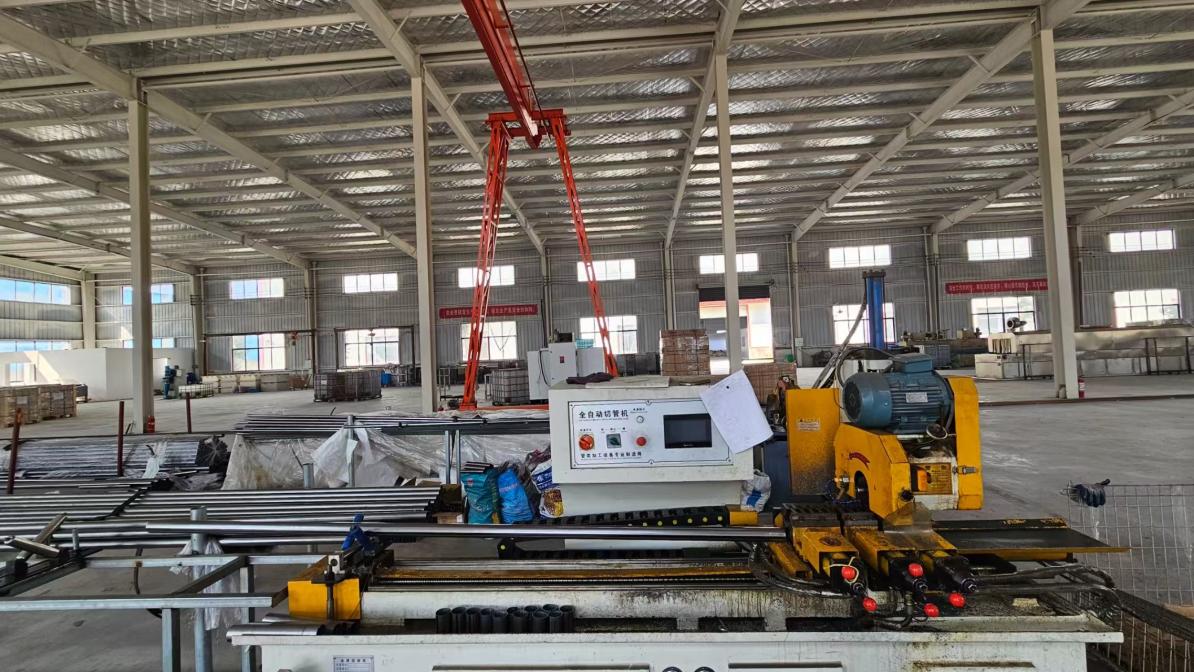
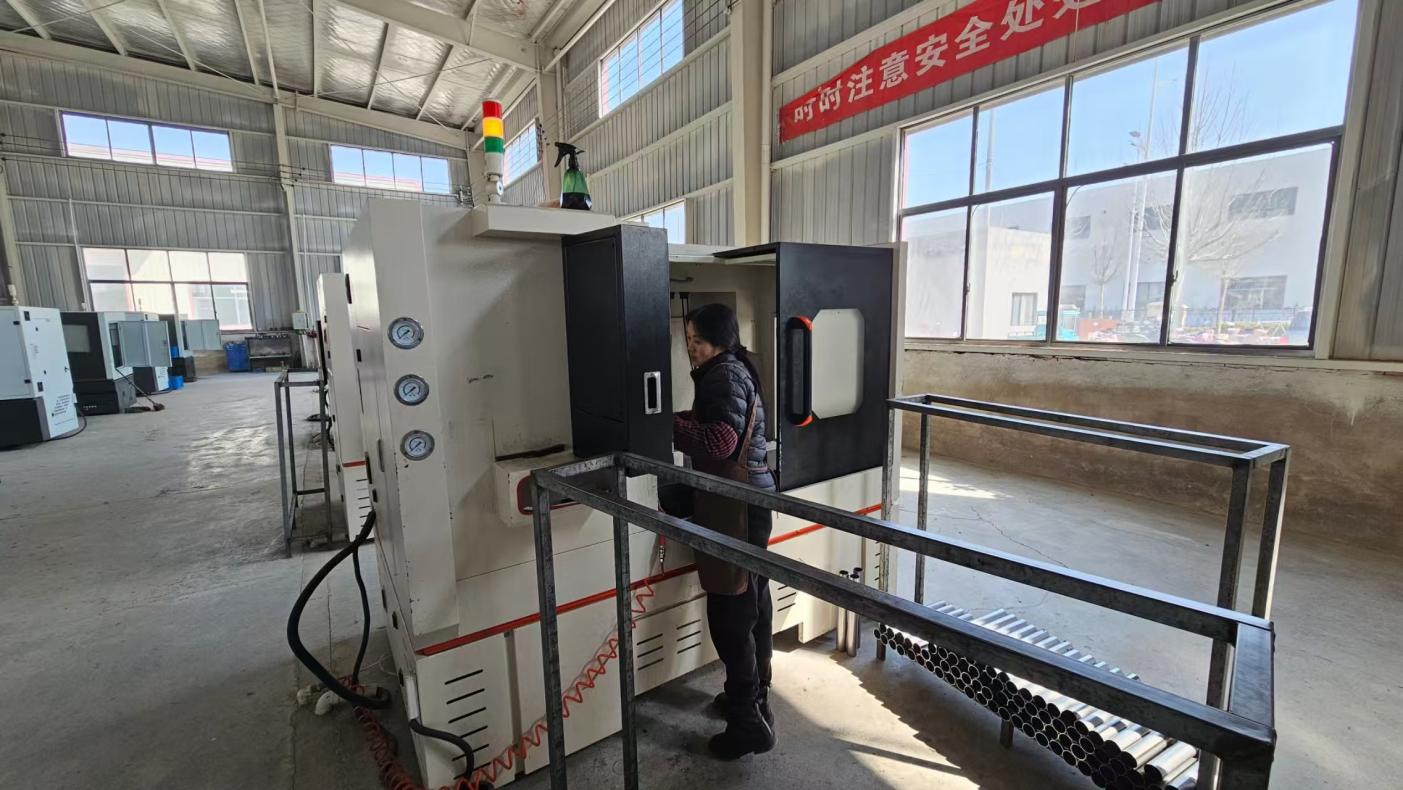
Every product undergoes rigorous testing to ensure it performs excellently in diverse driving environments. Below is our fully integrated production workflow.
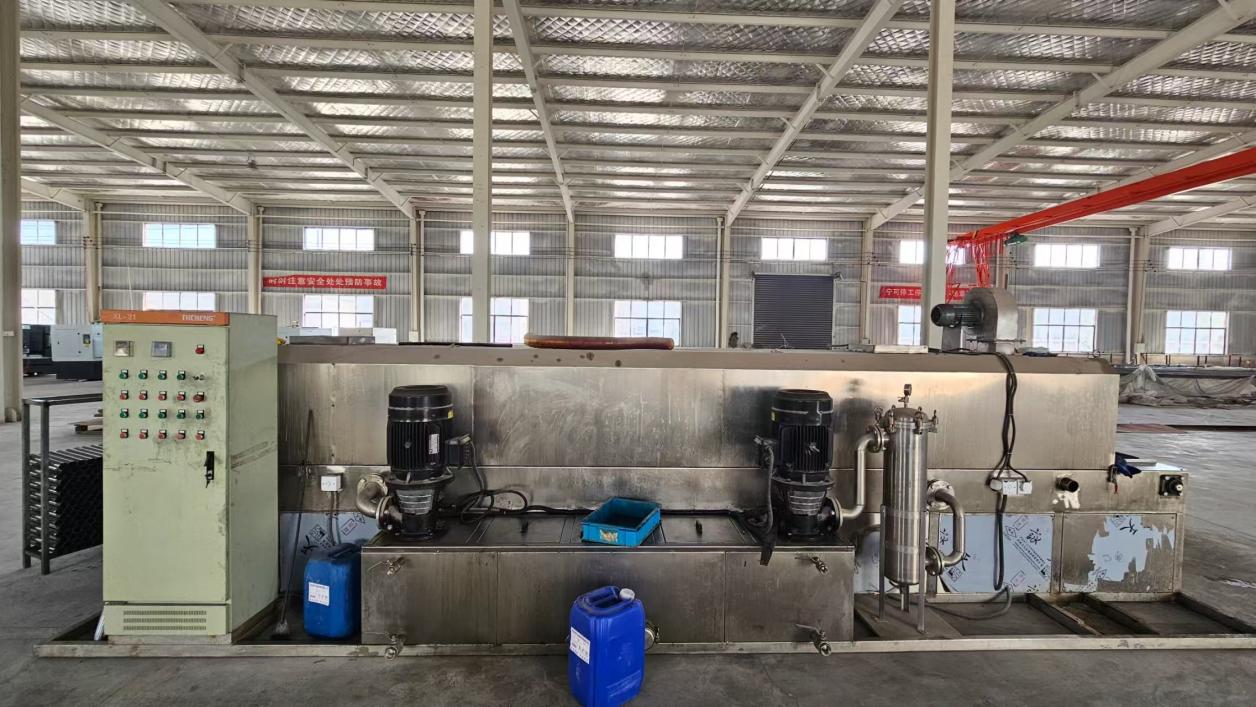
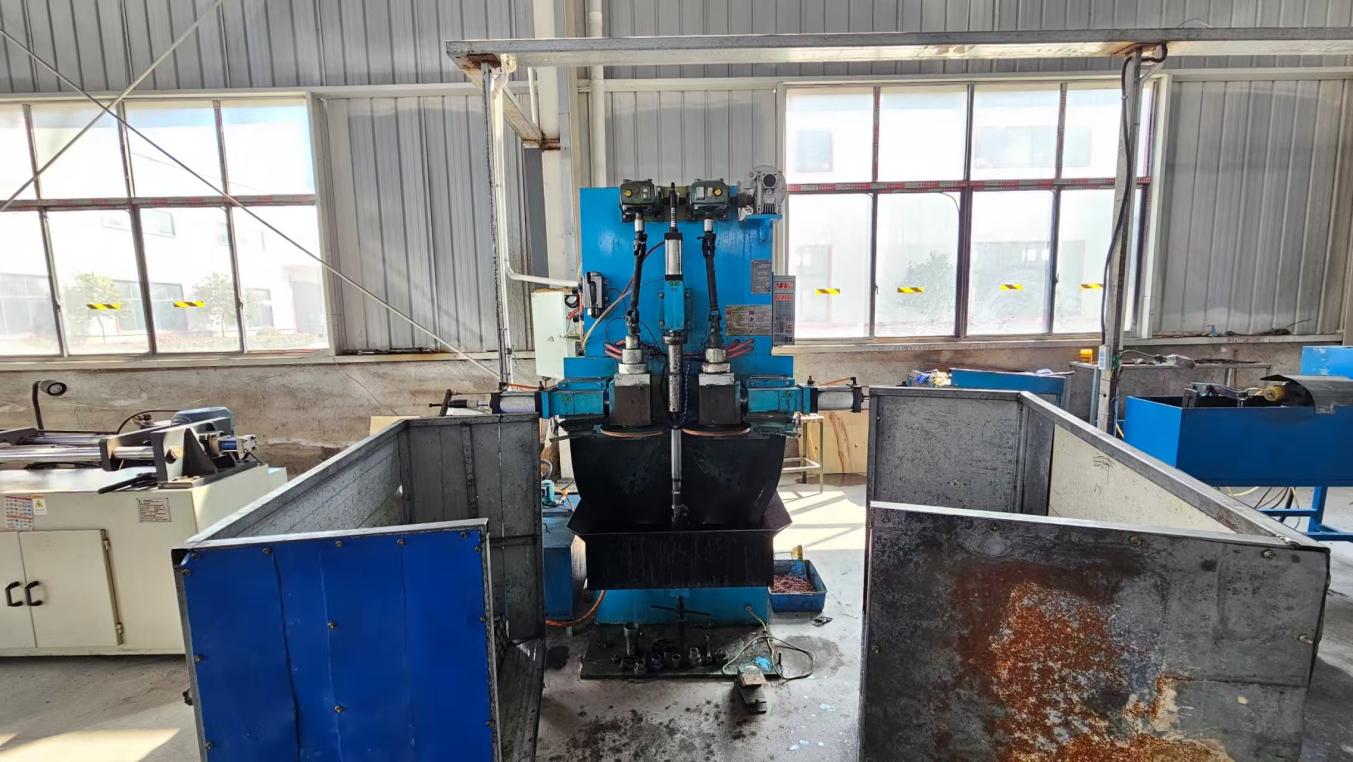
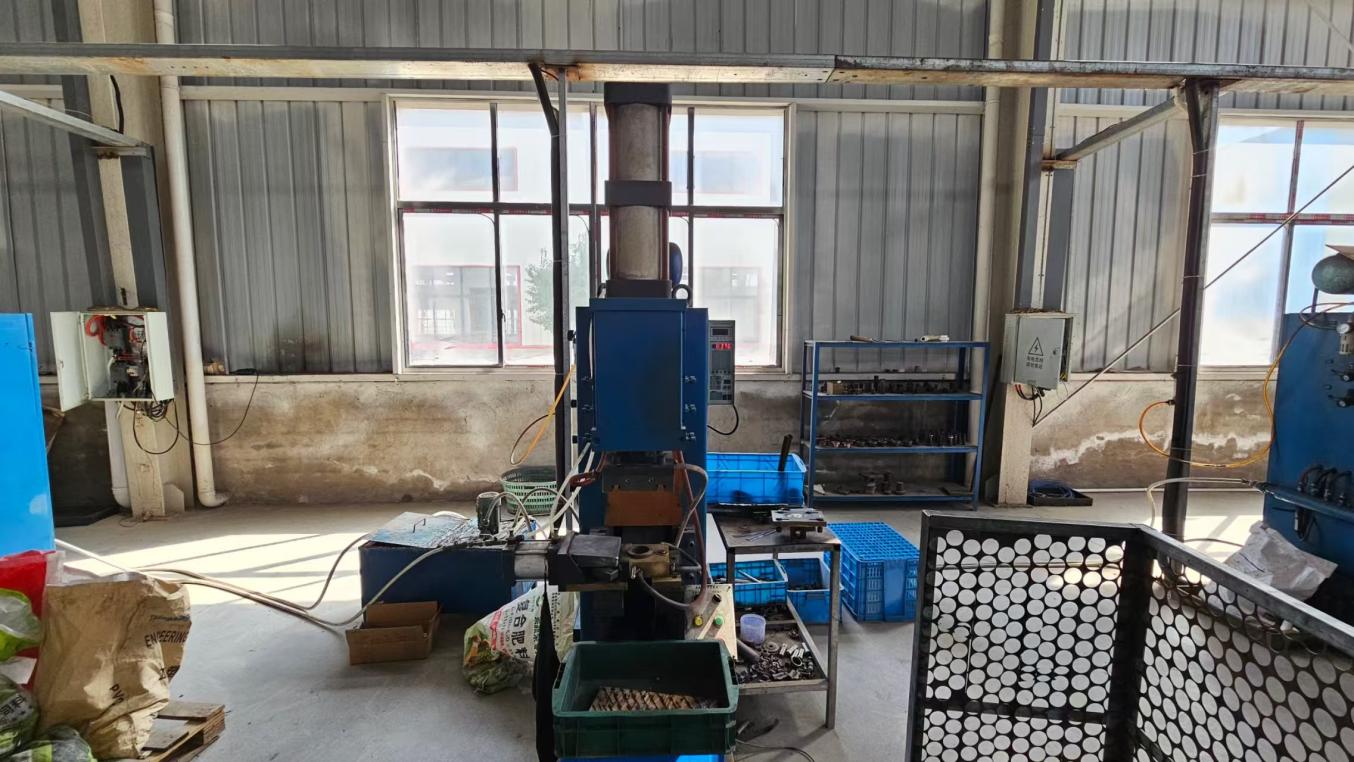
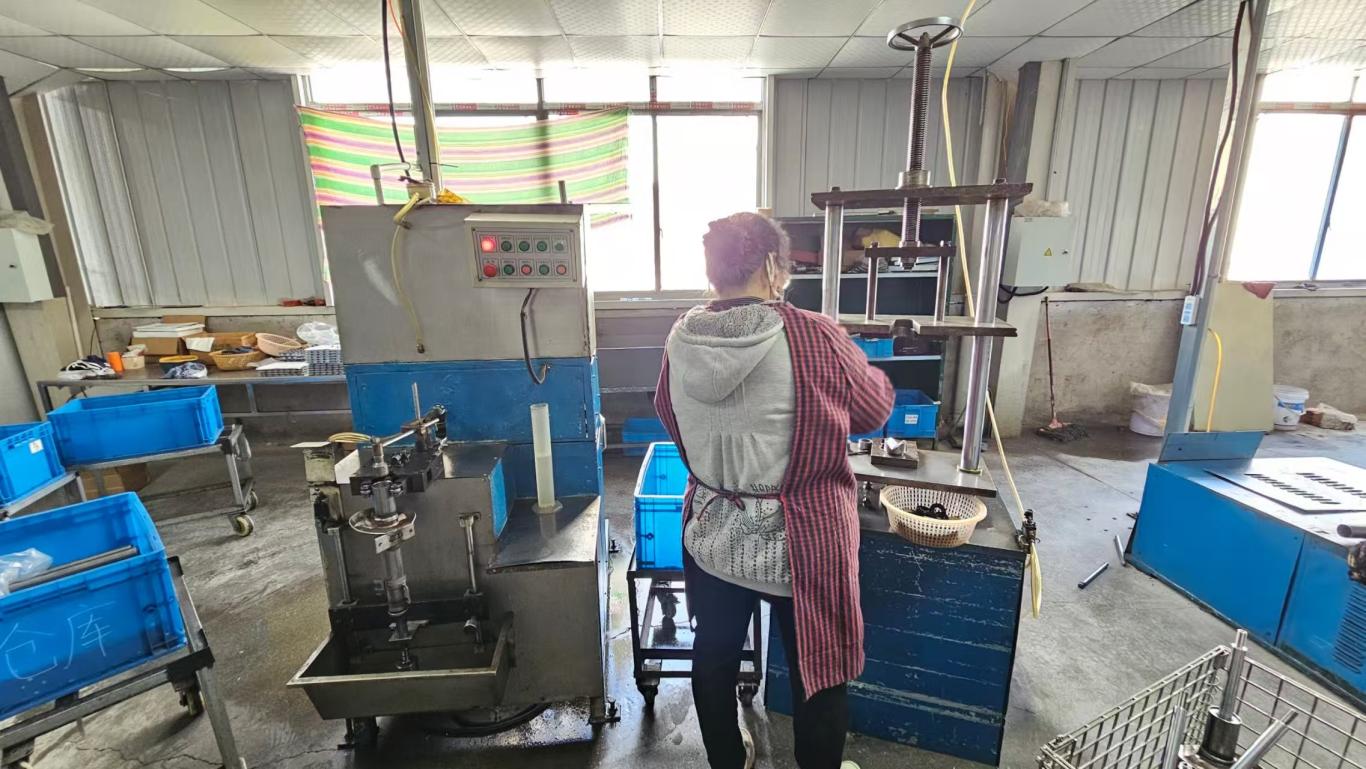
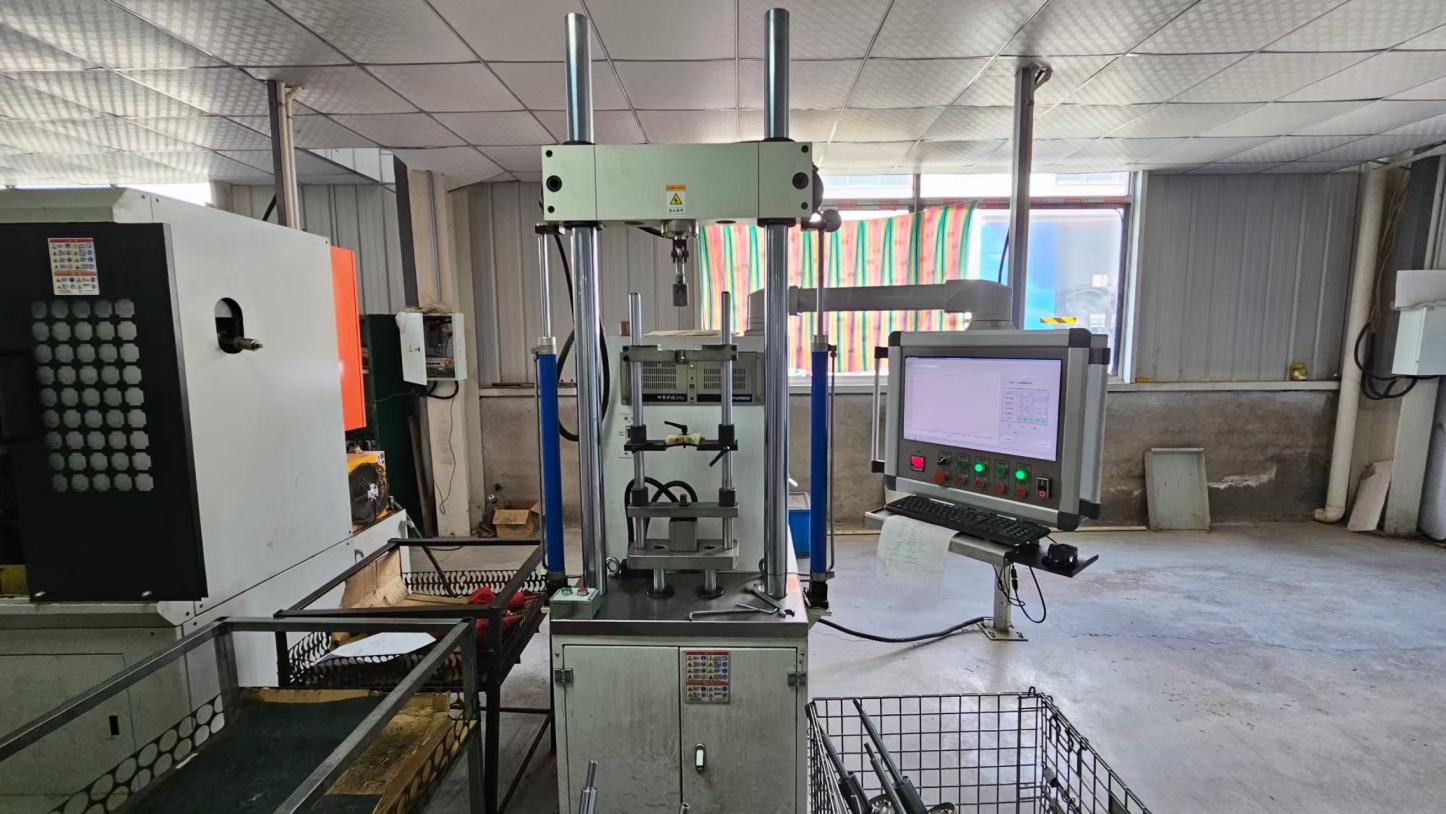
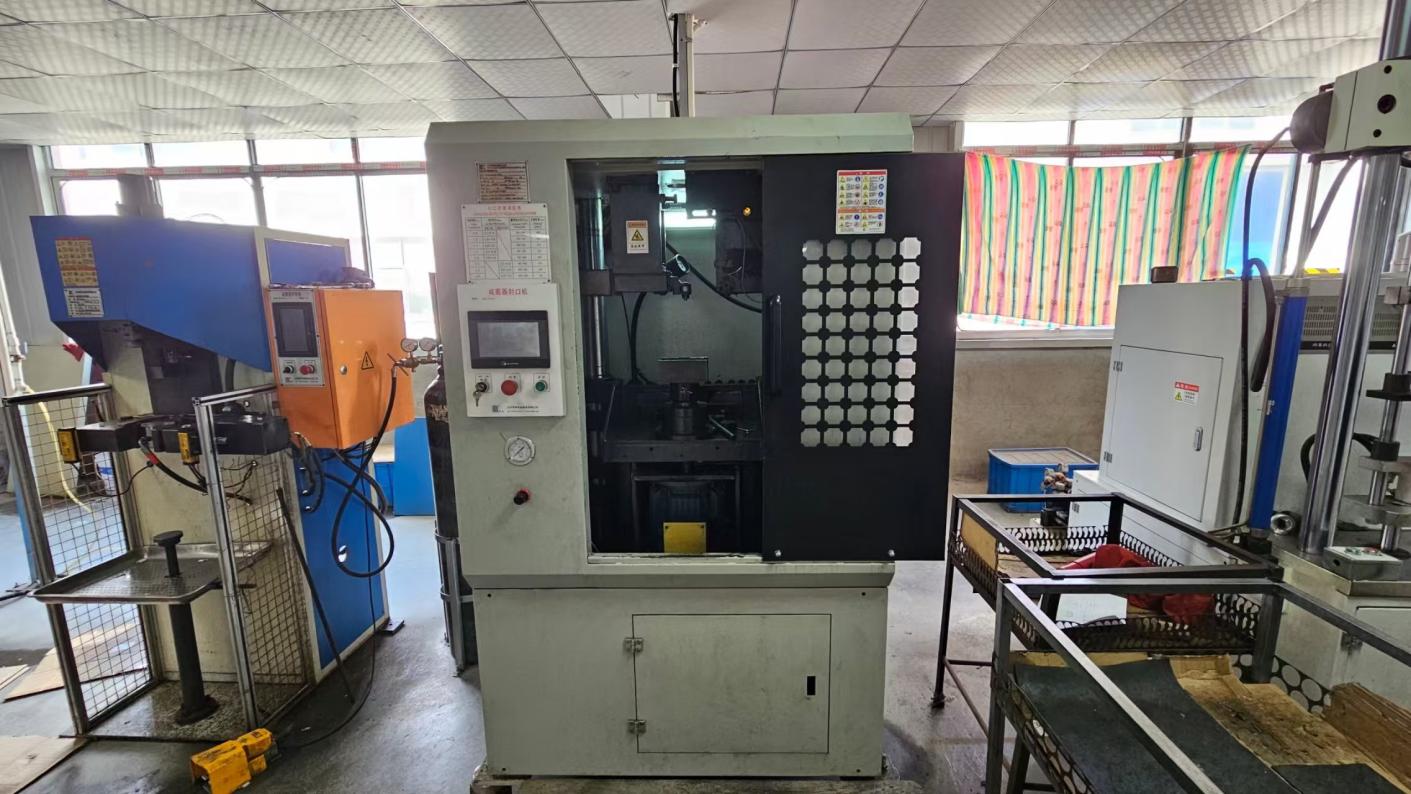
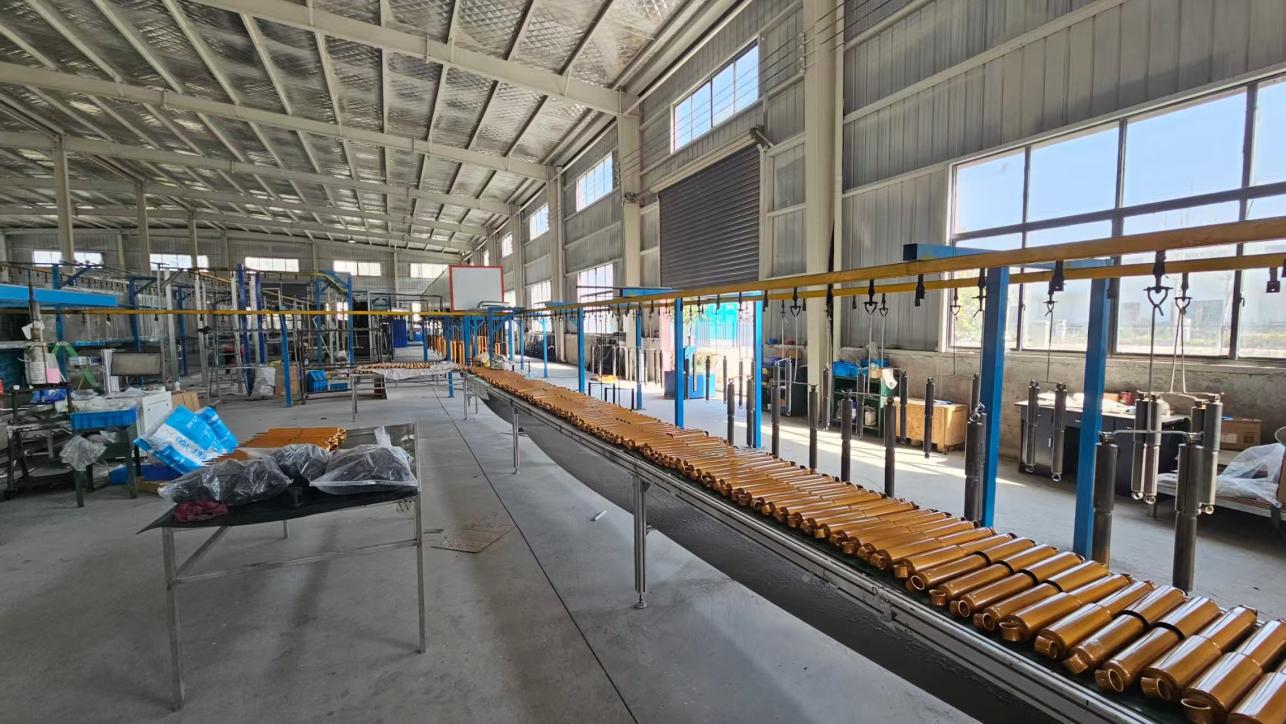
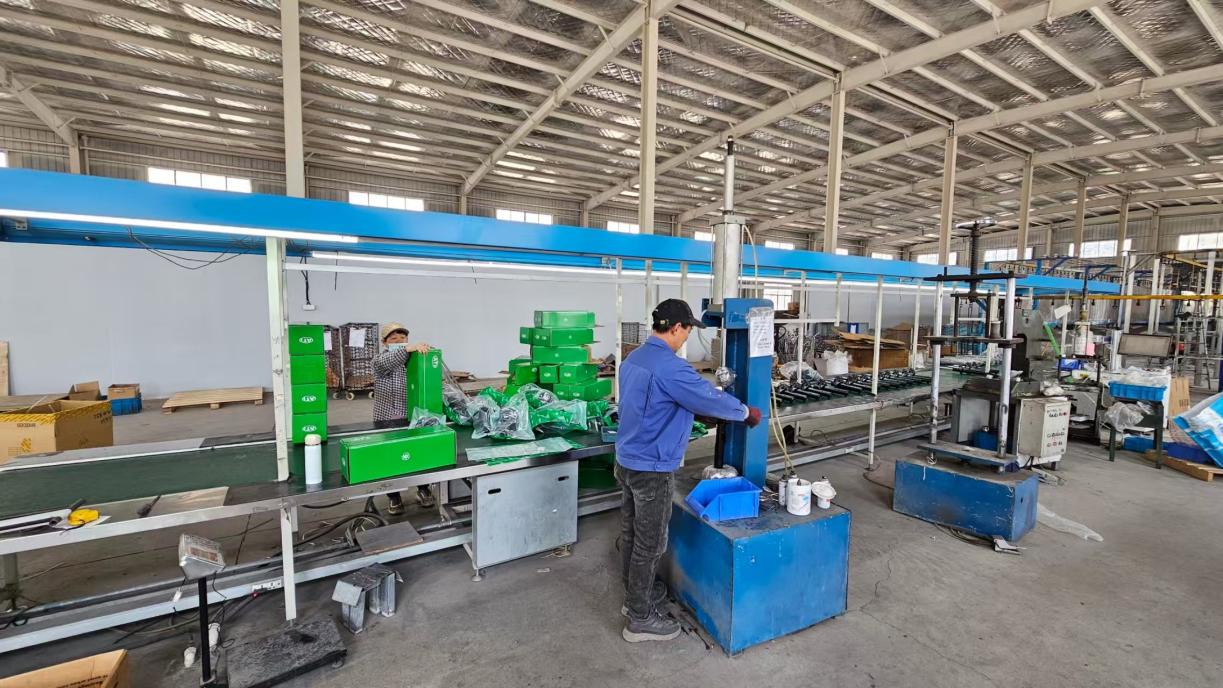
Focus on thermal stability during long downhill descents (e.g., Rocky Mountains). Our sensors help fleet managers monitor individual wheel heat, preventing brake-induced fires.
Compliance with Euro 7 standards for brake dust emissions. By monitoring temperature, our systems help maintain optimal pad-to-rotor contact, reducing particulate matter.
Carbon-ceramic pad monitoring. Racing environments require sensors that can withstand up to 1000°C while providing millisecond response times.