WAS Auto
WAS Auto
WAS Auto
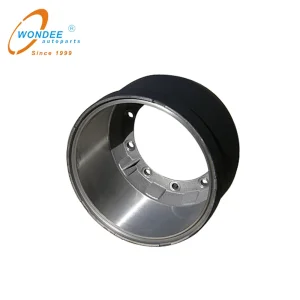
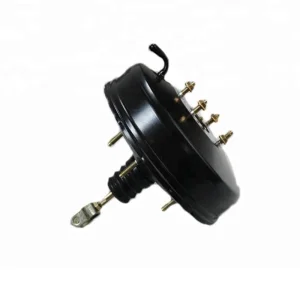
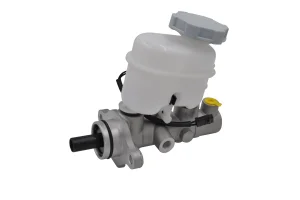
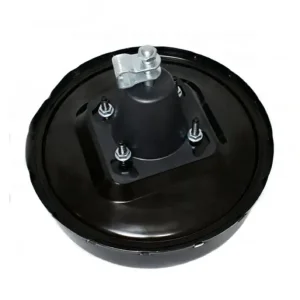
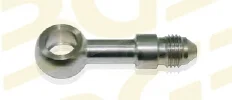
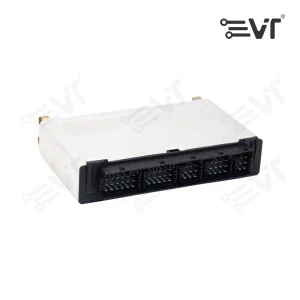
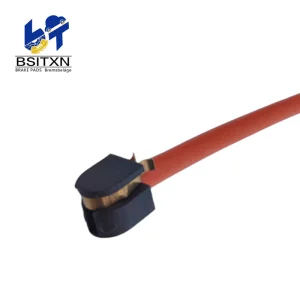
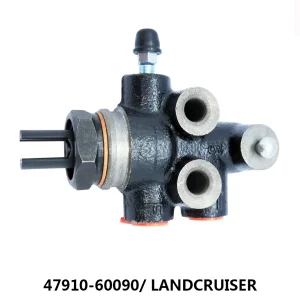
Explore our selected OEM-grade components, heavy-duty modules, and precision-manufactured replacement kits designed for global markets.
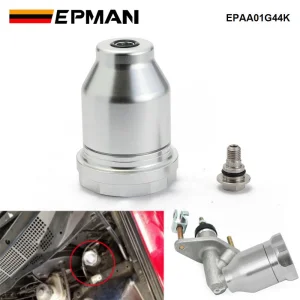
The convergence of racing dynamics and regulatory compliance within global transit and motorsport ecosystems.
Modern racing braking systems operate at the absolute physical limit of materials science. In motorsports, deceleration is not merely a mechanism for stopping; it is the fundamental cornerstone of lap-time generation and driver safety. At a macro level, the global demand for high-performance braking systems has shifted from purely custom, bespoke mechanical configurations to modular, highly standardized, and CE Certified Race Brake Kits. This certification ensures that the kit’s structural integrity, thermal dissipation capacity, and mechanical margins satisfy the rigorous health, safety, and environmental protection guidelines set by the European Economic Area.
As racing vehicles adopt advanced hybrid powertrains and generate massive aerodynamic downforce, the kinetic energy converted into heat during deceleration events escalates exponentially. A professional race brake system must manage instantaneous temperatures exceeding 800°C while maintaining a stable coefficient of friction. This requires a systems-engineering approach where the calipers, rotors, pads, mounting brackets, and hydraulic components function as a single, harmonized thermodynamic unit. Our factory addresses these requirements by integrating state-of-the-art metallurgy, precise thermal modeling, and exhaustive physical testing protocols.
Designed using proprietary directional ventilation vanes that accelerate internal airflow, lowering operational rotor temperatures by up to 150°C compared to conventional designs.
Every race kit undergoes exhaustive structural load analysis, verifying that mechanical deformation remains within acceptable limits under peak pressure cycles.
Engineered to interface seamlessly with modern electronic braking control systems, ABS logic modules, and performance telemetry hardware.
Decade-long commitment to manufacturing excellence, innovative friction materials, and global expansion.
Shandong WAS Auto Co., Ltd. was established in 2014, specializing in the manufacturing of high-quality automotive brake components, including brake pads, brake discs, and brake shoes for all types of passenger vehicles. Over the years, WAS Auto has developed a variety of advanced brake pad formulations, including ceramic, semi-metallic, carbon-ceramic, and NAO (non-asbestos organic). Our products are known for their excellent high-temperature resistance, outstanding wear resistance, low noise, minimal dust, and consistent quality, ensuring reliable braking performance in all driving conditions.
At WAS Auto, we are driven by our mission of "Safety, Innovation, and Sustainability." We are committed to providing global automotive users with efficient, eco-friendly, and dependable braking solutions. Recognizing the critical importance of braking systems in vehicle safety, we focus not only on product quality and performance but also on environmental responsibility and technological innovation. Every product undergoes rigorous testing and quality control to ensure it performs excellently in diverse driving environments.
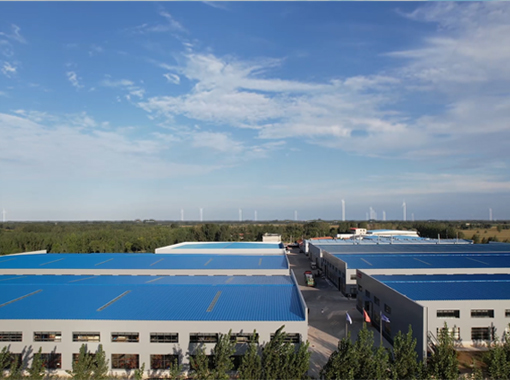
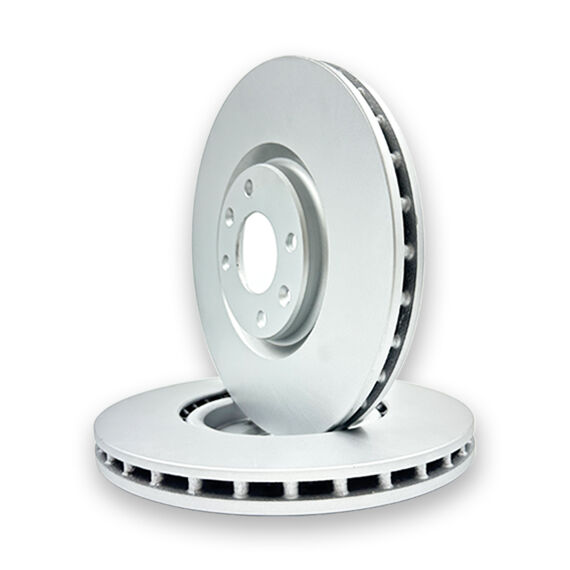
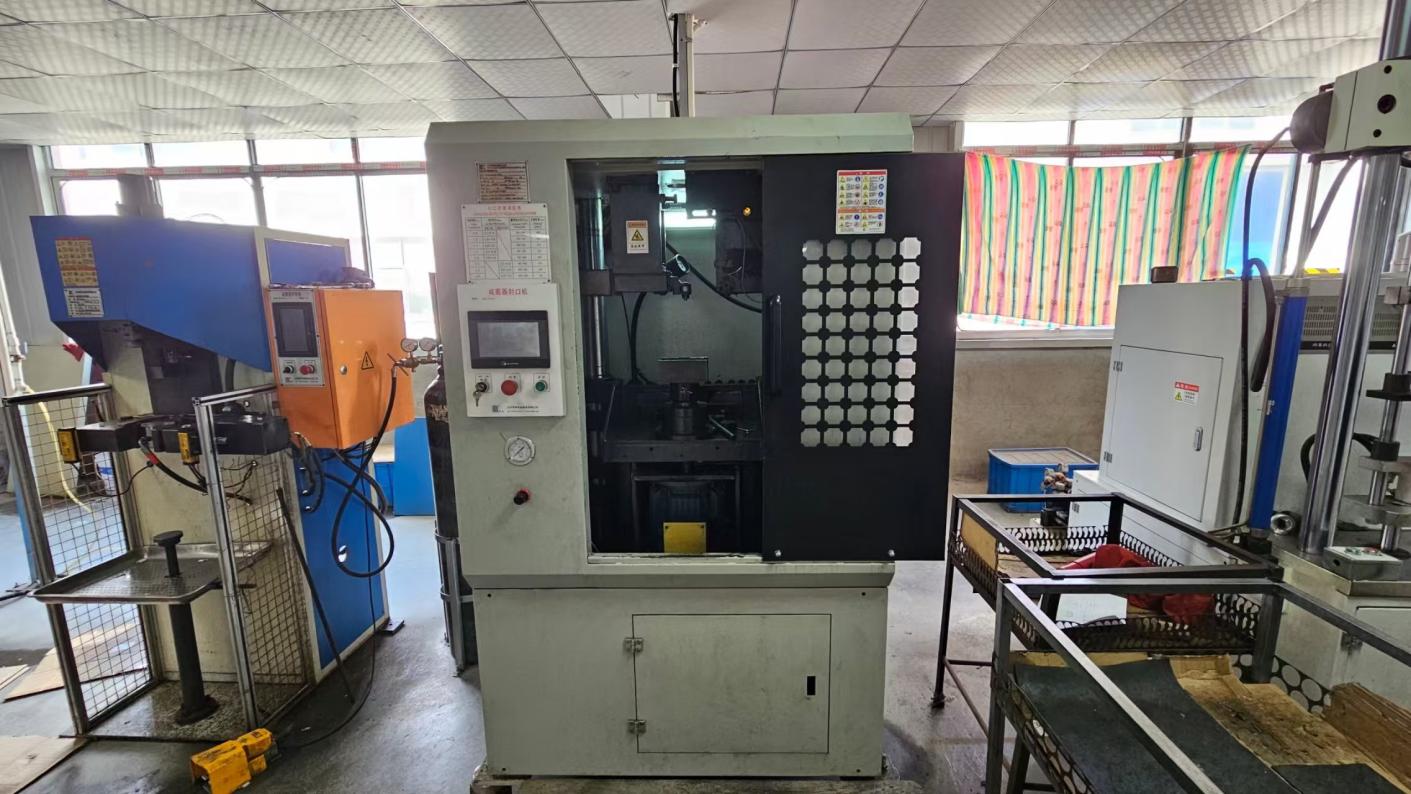
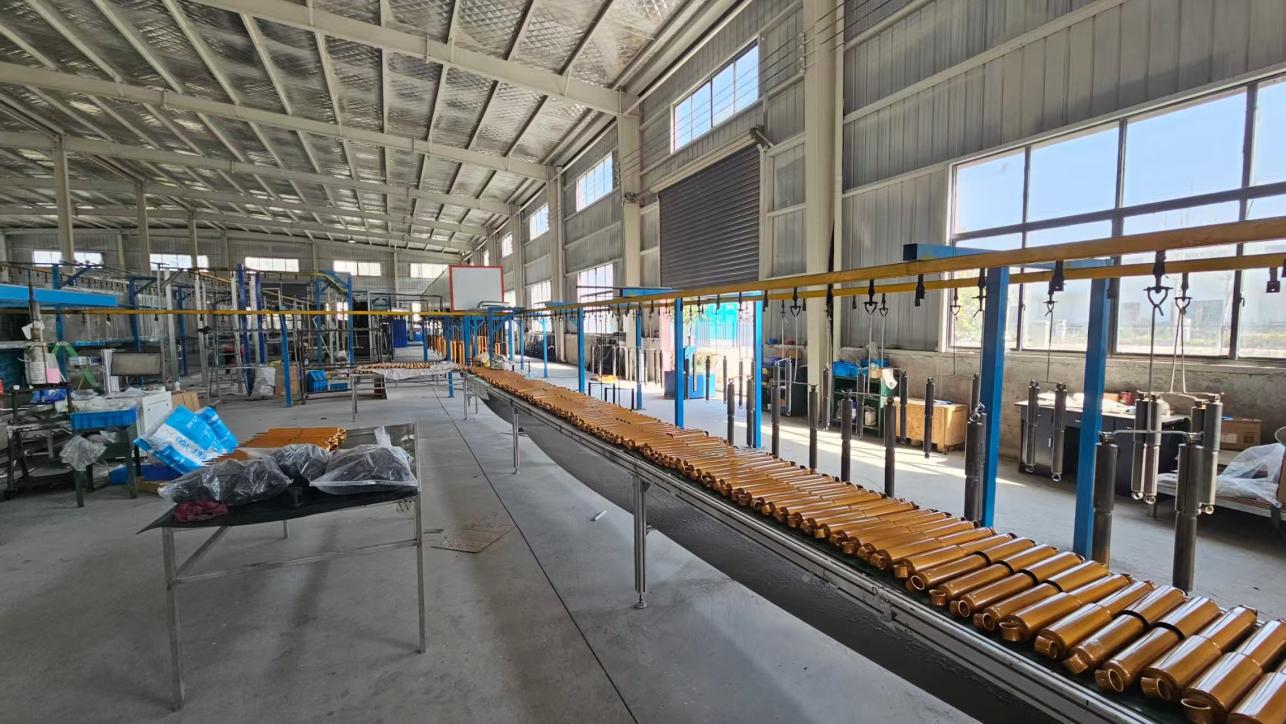
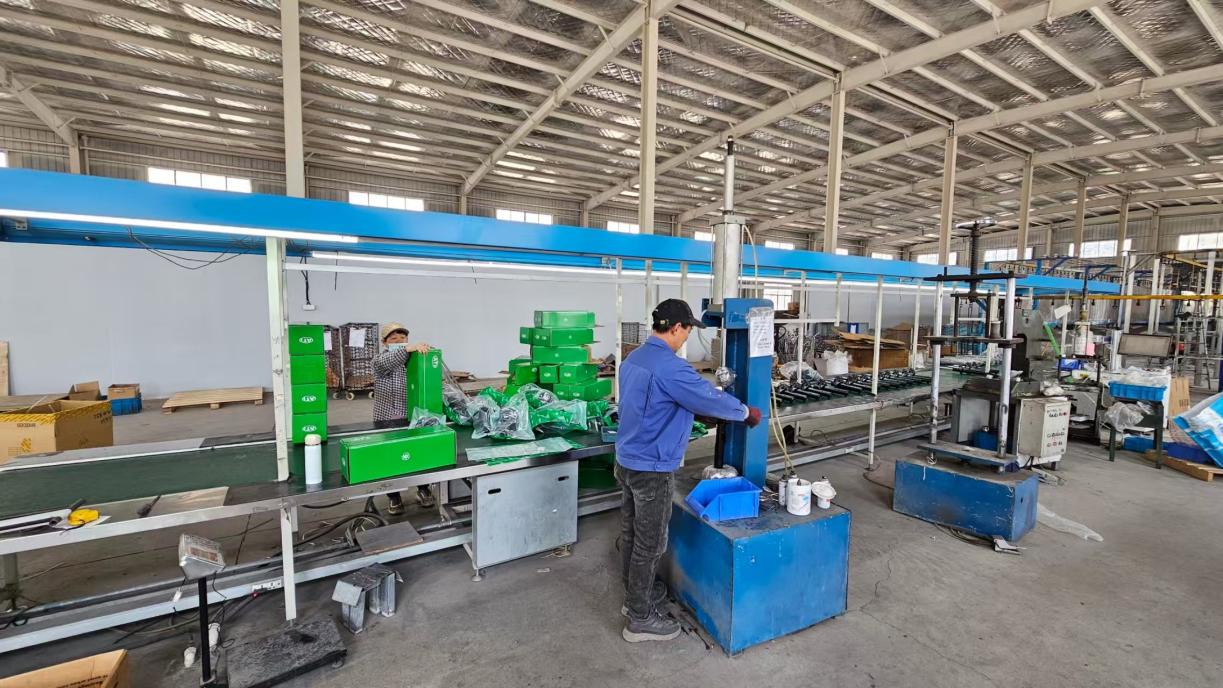
Our manufacturing facility is equipped with 80 hot pressing machines, 5 automated spraying lines, and precision grinding equipment, all integrated into a fully automated production system. This advanced production infrastructure allows us to maintain strict quality control, optimize production efficiency, and meet the highest industry standards. With these capabilities, we are able to handle large-scale production while ensuring each product meets our exacting standards of excellence.
Over the past 11 years, WAS Auto has steadily expanded its presence in international markets. Our products are now exported to regions including the Middle East, East Asia, North America, and South America, and have earned positive reviews and trust from our customers. We not only meet the demands of these markets with strict quality standards but also offer customized solutions tailored to the unique needs of each region. Our products are widely used in various sectors, including passenger vehicles, commercial vehicles, and high-performance racing cars.
We recognize that innovation is the driving force behind industry progress. WAS Auto continuously invests in research and development to enhance the performance and technology of our brake products. Our R&D team works closely with domestic and international universities and research institutions to explore new materials and technologies, ensuring our products are at the forefront of the industry. Additionally, we actively adopt green manufacturing practices to reduce energy consumption and emissions, contributing to a more sustainable future.
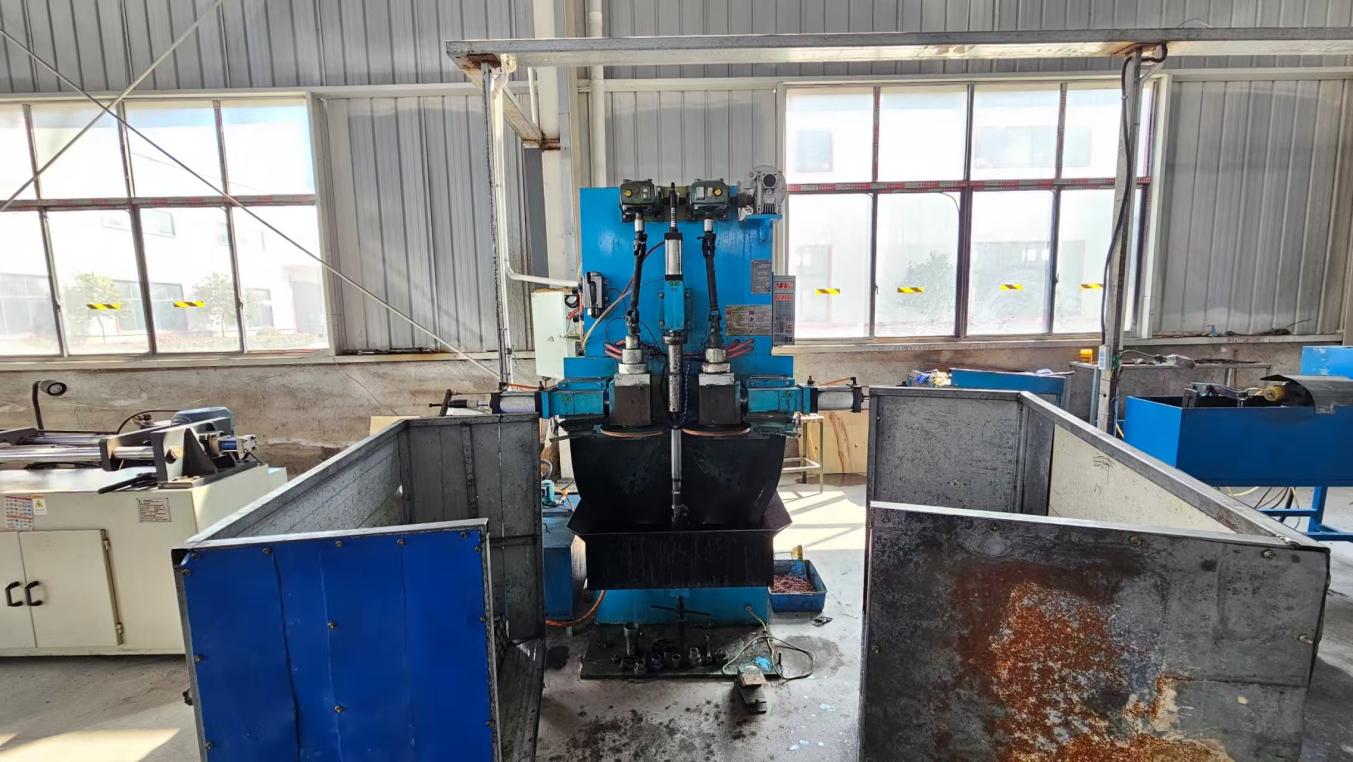
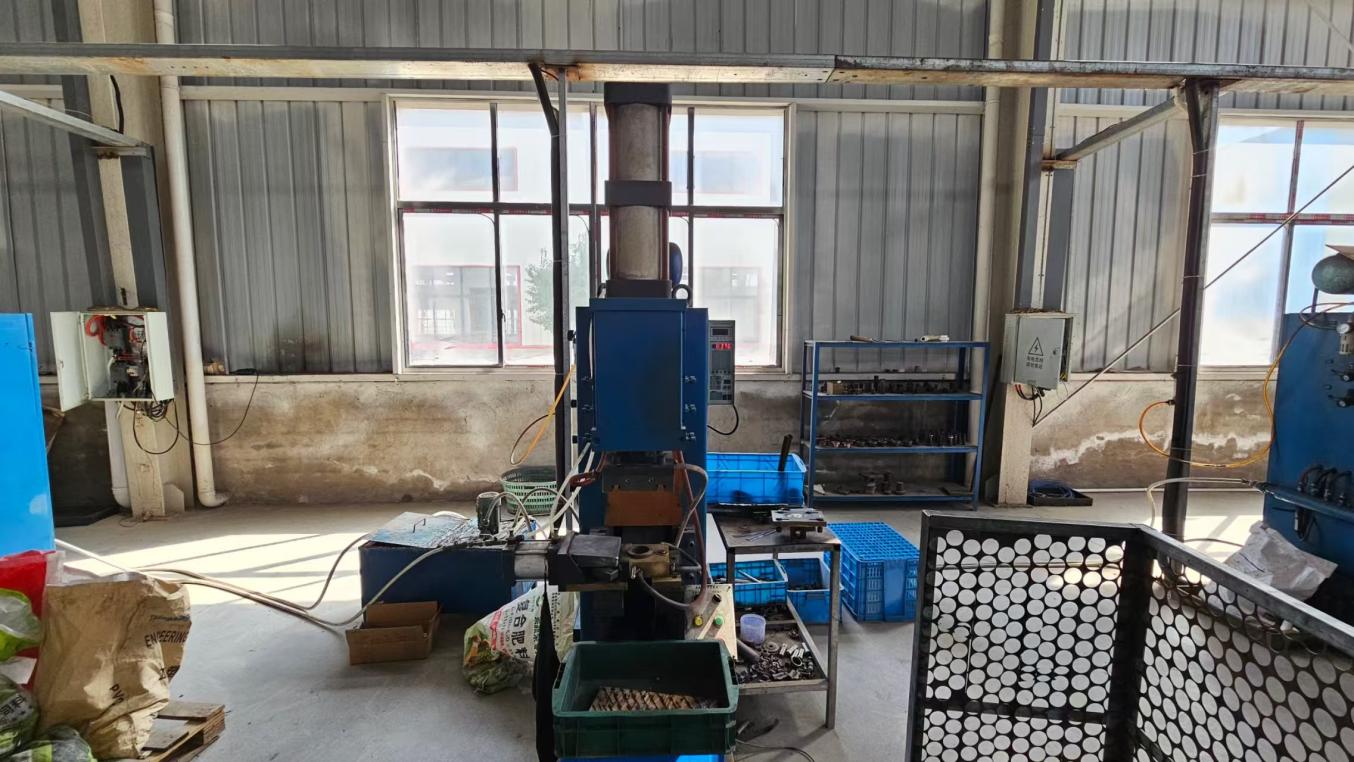
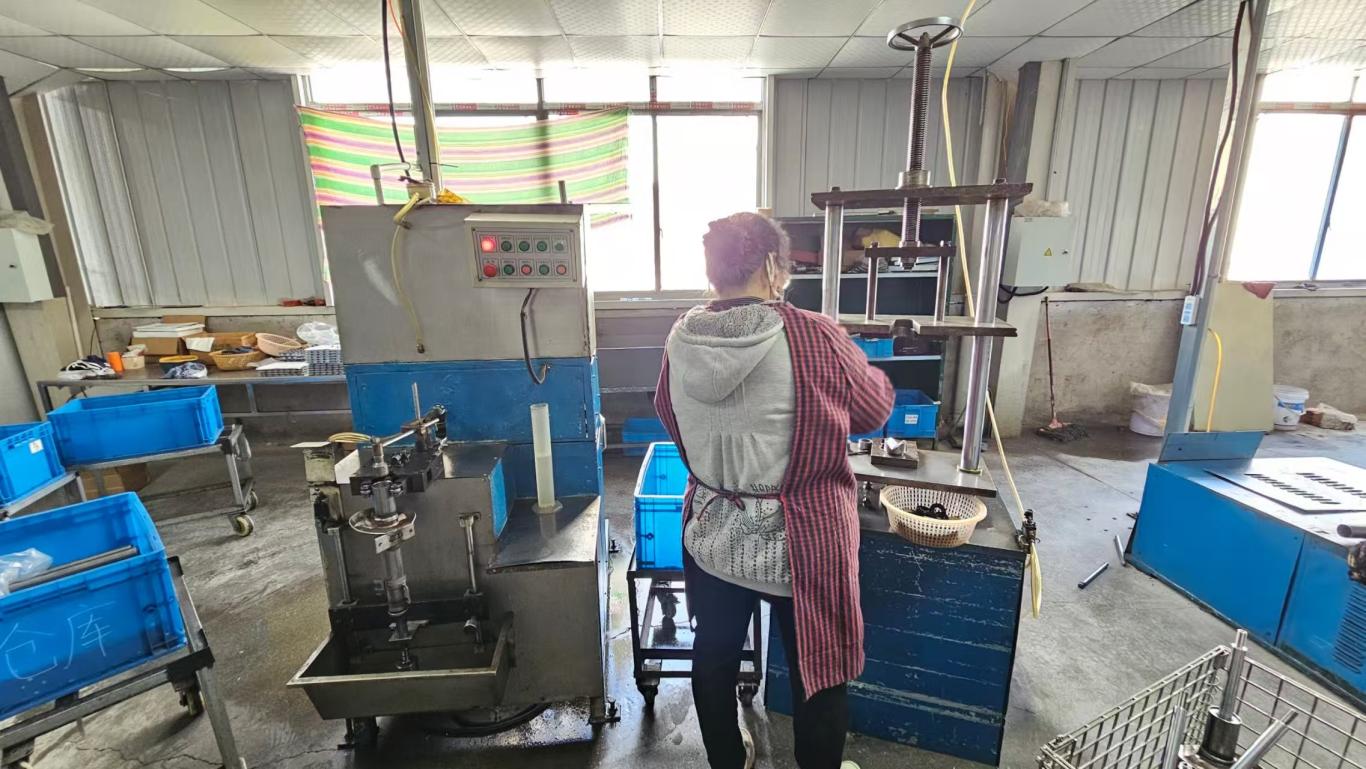
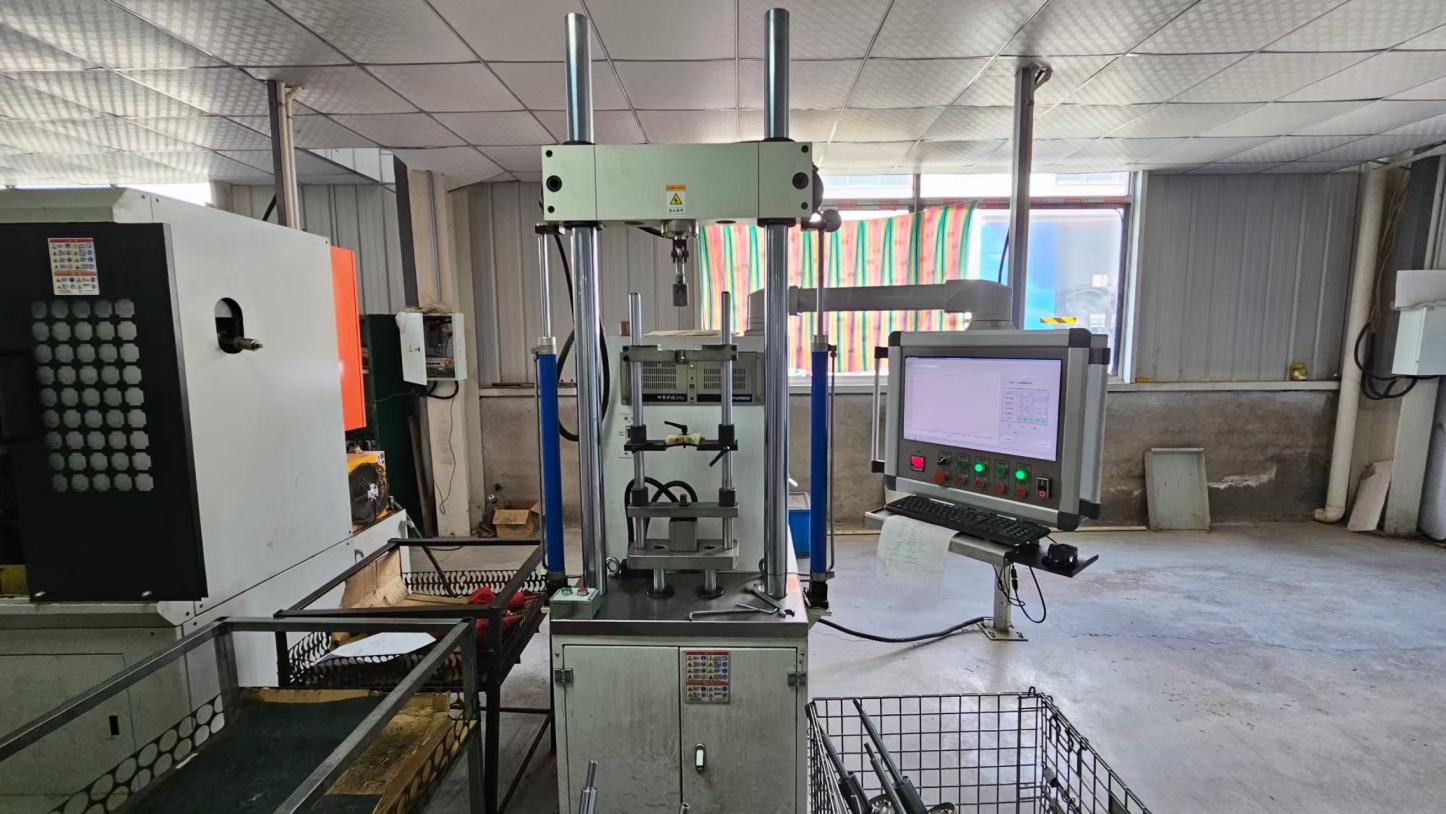
Every racing brake component undergoes an interconnected, highly controlled 10-stage processing sequence to guarantee peak reliability under stress.
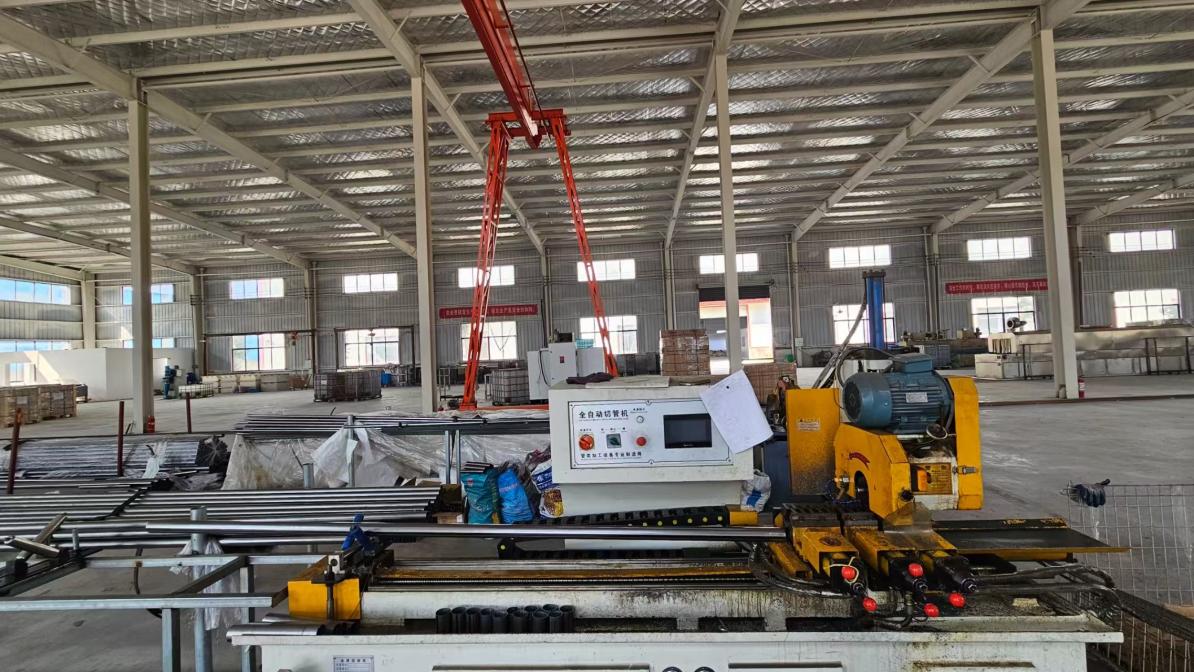
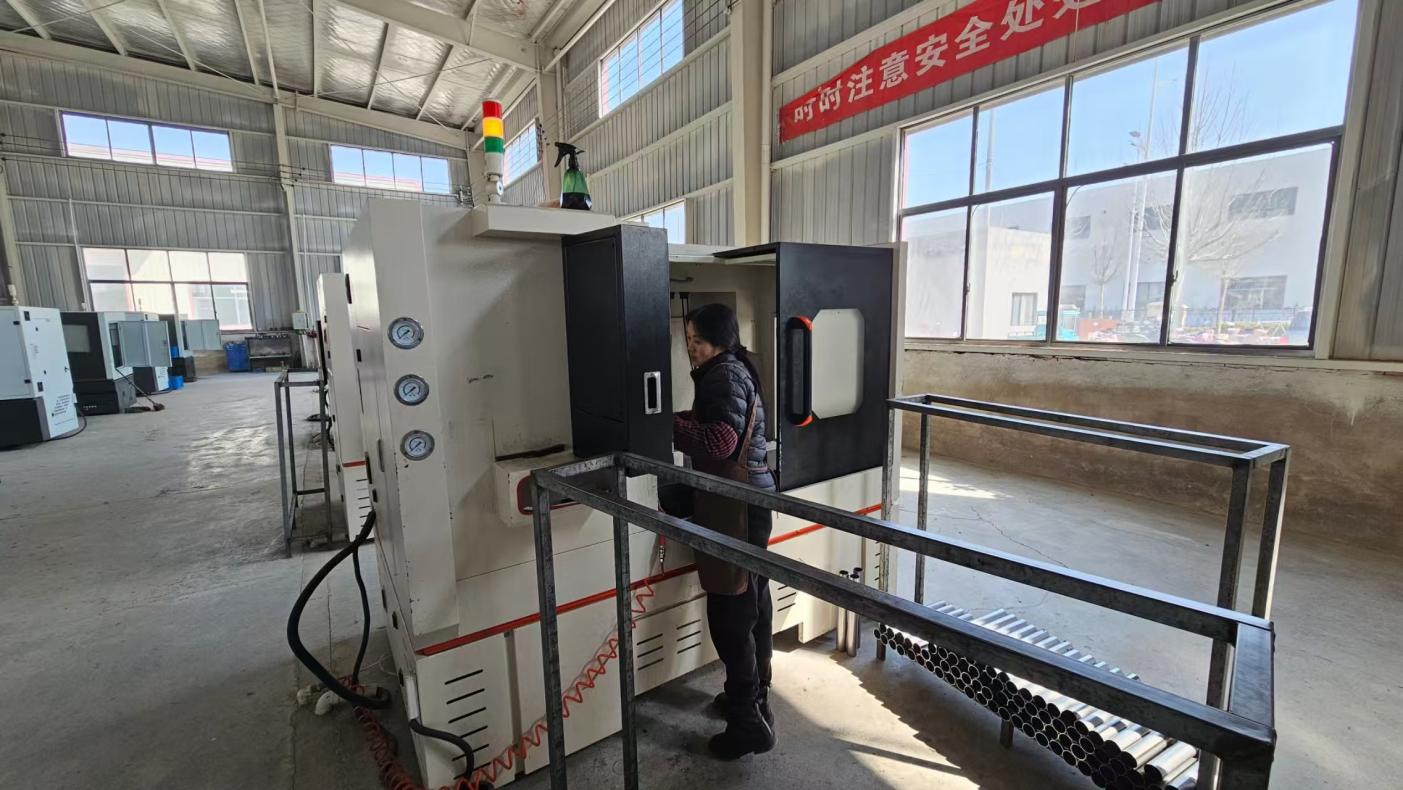
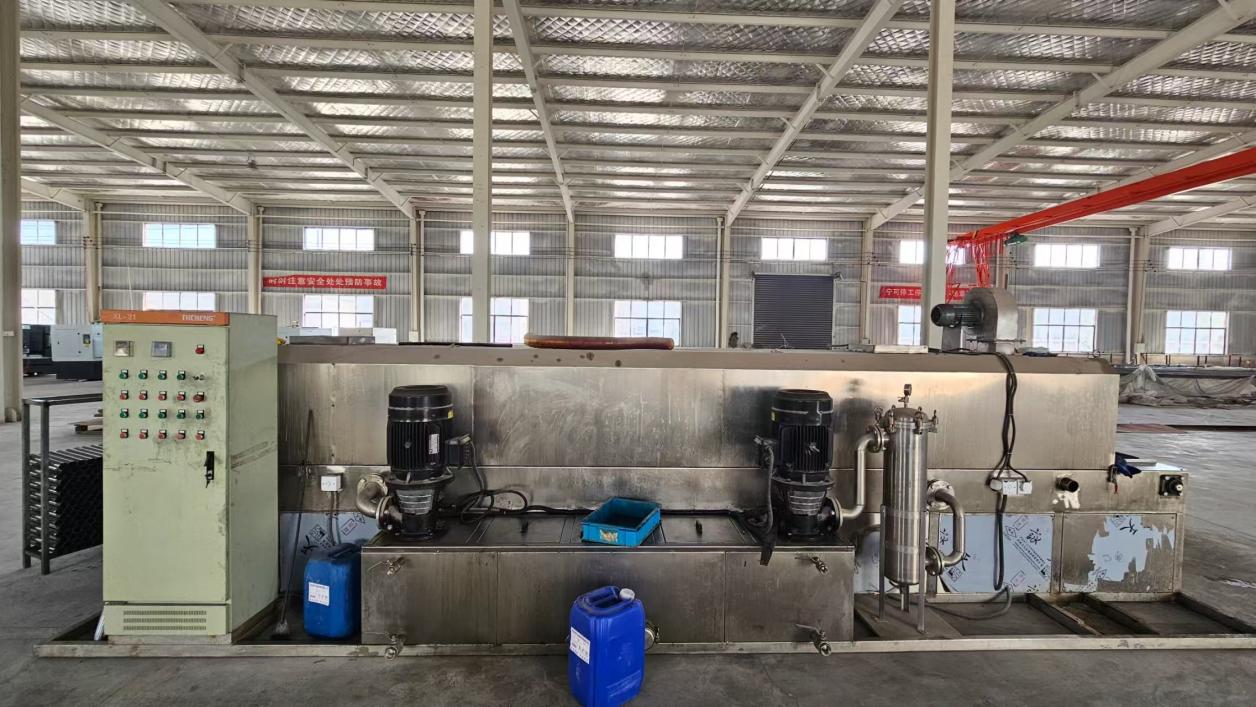
Adapting complex international regulations to specific local operational and environmental standards.
Procuring racing brake hardware on a global scale demands strict adherence to region-specific technical frameworks. For distributors, racing teams, and tuning operations in the European Union, CE certification acts as an essential commercial passport, validating compliance with MD (Machinery Directive) and structural safety baselines. Beyond the European framework, our race brake assemblies are aligned with ECE R90 homologation standards where applicable. This ensures our aftermarket components perform within ±15% of the original equipment parts, providing drivers with absolute peace of mind during emergency braking operations.
For markets in North America, we prioritize FMVSS (Federal Motor Vehicle Safety Standards) compatibility alongside SAE J2522 and SAE J2521 dynamometer test sequences. These trials assess critical performance parameters, including initial effectiveness, thermal fade characteristics, recovery rates, and noise-damping performance. Localized support isn’t merely about certification paperwork; it means ensuring every client receives tailored technical support, including custom bracket configurations for regional vehicle fleets, track-day teams, and specialized industrial transport applications.
In South America and the Middle East, environmental variables like airborne dust and high ambient temperatures require specialized formulations. Our engineering team addresses these challenges by developing customized ceramic and carbon-ceramic disc and pad configurations. These feature specialized environmental anti-corrosion coatings and dual-seal dust boots on the caliper pistons to prolong maintenance intervals in harsh environments.
From professional track cars to specialized industrial heavy-duty fleets.
The versatility of Shandong WAS Auto's braking technology extends across various high-stress operational environments:
A glimpse into next-generation decelerative engineering and environmentally responsible manufacturing.
As the automotive sector transitions toward intelligent mobility and sustainability, our R&D efforts focus on three primary development paths:
1. Carbon-Silicon Carbide (C-SiC) and Advanced Material Matrices: We are continuously testing next-generation carbon-silicon composite materials. These offer a significant weight reduction compared to cast iron rotors, along with exceptional thermal resistance and virtually zero thermal expansion. This technology ensures consistent stopping performance under extreme conditions.
2. Brake-by-Wire (BbW) Component Optimization: The shift toward drive-by-wire architectures requires braking systems that operate with minimal fluid displacement and high response rates. Our engineering team is developing compact caliper piston designs and high-rigidity mounting brackets to support these rapid electronic brake cycles.
3. Zero-Emission Green Manufacturing: In line with global sustainability initiatives, we are optimizing our automated spraying and curing lines to reduce volatile organic compound (VOC) emissions. We are also researching copper-free friction formulations to meet future environmental regulations in North America and Europe, preventing heavy metal runoff from brake wear.
Technical answers to common queries regarding race brake kits, certifications, and operational management.
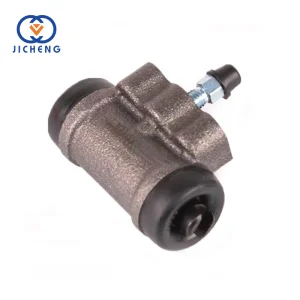
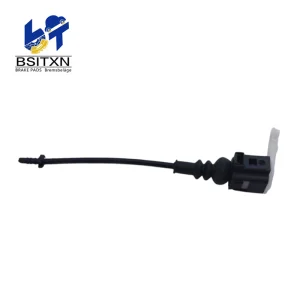
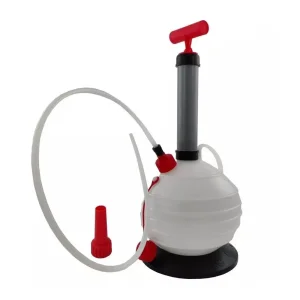
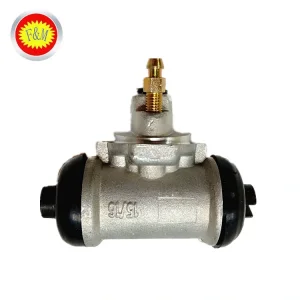
Browse our broader range of OEM-grade replacement parts, control valves, sensors, and installation kits.