WAS Auto
WAS Auto
WAS Auto
Explore our industrial-grade components engineered for OE matching specifications
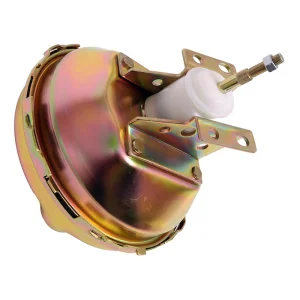
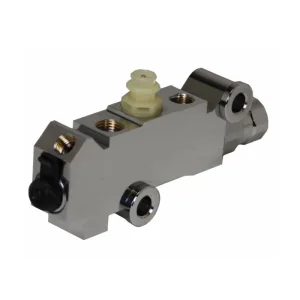
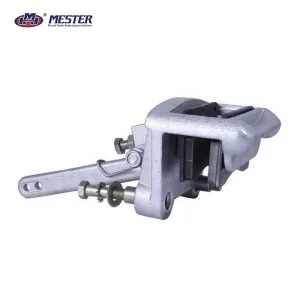
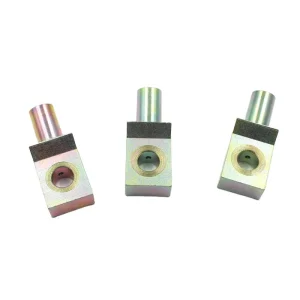
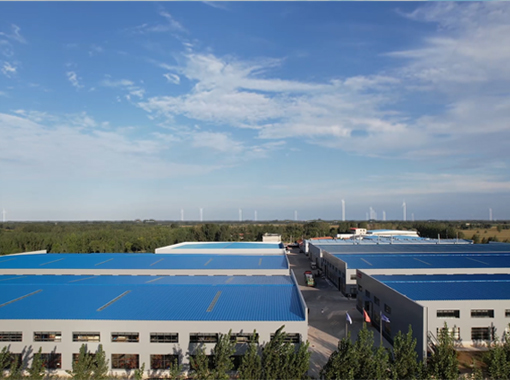
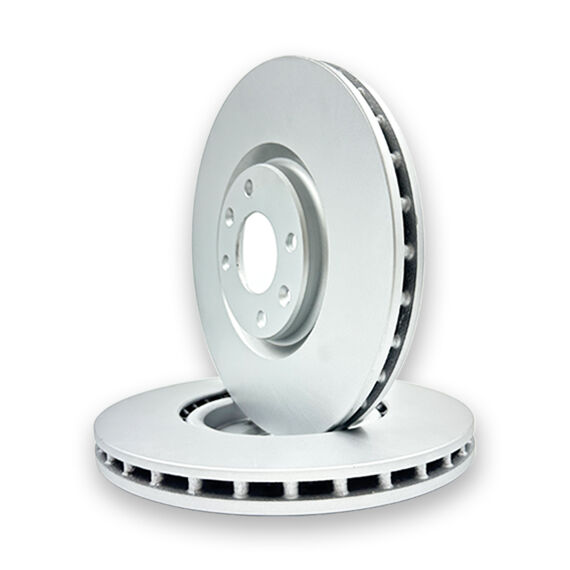
Established in 2014, Shandong WAS Auto Co., Ltd. has grown to become a premium tier-1 OEM and aftermarket manufacturer specializing in safety-critical automotive braking components. Our comprehensive catalog covers brake pads, brake discs, and brake shoes, servicing passenger cars, heavy-duty commercial transports, and performance racing platforms worldwide.
Guided by our core pillars of Safety, Innovation, and Sustainability, we maintain an engineering-first culture. Over eleven years of manufacturing excellence has enabled us to formulate multiple high-friction matrices including ceramic, semi-metallic, carbon-ceramic, and low-metallic non-asbestos organic (NAO) solutions. Every component we ship matches the structural integrity and braking dynamics required by leading global vehicle platforms.
By implementing integrated production lines with precise metallurgical control, we ensure our global distributors, logistics operators, and OEM assembly lines receive parts that show absolute thermal stability, minimal NVH (Noise, Vibration, and Harshness) metrics, and maximum reliability across extreme environments.
The global automotive braking system market is currently undergoing a structural transformation. Driven by stringent environmental regulations, vehicle electrification, and higher safety expectations, manufacturers are no longer just producing simple friction consumables. The industry faces tough regulatory benchmarks, such as the upcoming Euro 7 standards targeting brake wear emissions, and regional bans on copper-based friction formulas.
For B2B buyers, importing agents, and fleet managers, finding a supplier that can consistently provide high quality is critical. Typical aftermarket parts often suffer from thermal fade at elevated temperatures or suffer from premature wear under heavy payloads. By contrast, Tier-1 manufacturing demands a science-first approach—using high-pressure thermal press molding and precision chamfer geometries to optimize contact patterns and heat dissipation.
Furthermore, logistics chains are increasingly demanding. Importers require highly responsive supply partners who can tailor formulations to local climates—whether that means high-humidity, marine trailer configurations, high-heat desert environments, or heavy-duty mountain descents.
Custom-formulated matrices designed to mitigate NVH and survive thermal extremes
Utilizing high-tensile ceramic fibers combined with non-ferrous metal fills. Our ceramic matrix provides incredibly low dust generation, quiet braking, and a consistent friction coefficient (μ of 0.38 to 0.42) across typical operating thermal envelopes. Perfect for premium passenger cars requiring minimal cleaning and smooth pedal feedback.
Composed of 30% to 65% structural metals (steel, iron powder, copper-alternatives) blended with graphite lubricants. These pads provide superior thermal conductivity, ensuring quick heat transfer away from the caliper piston. Optimized for heavy commercial vehicles, high-speed driving, and towing duties where extreme heat dissipation is critical.
Non-Asbestos Organic (NAO) and elite carbon-silicon composite materials. Engineered specifically for performance platforms and modern hybrid/electric vehicles. Developed to prevent rotor scouring while maintaining structural reliability under intense kinetic-to-thermal transfers. Eco-friendly compositions that strictly comply with zero-copper laws.
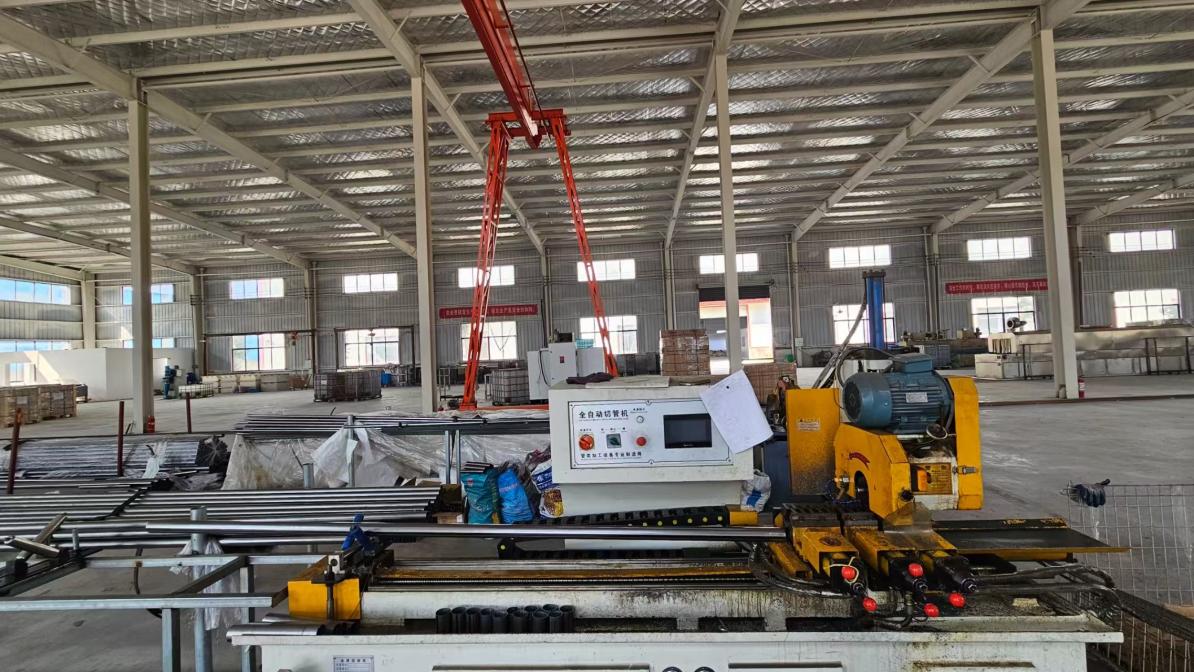
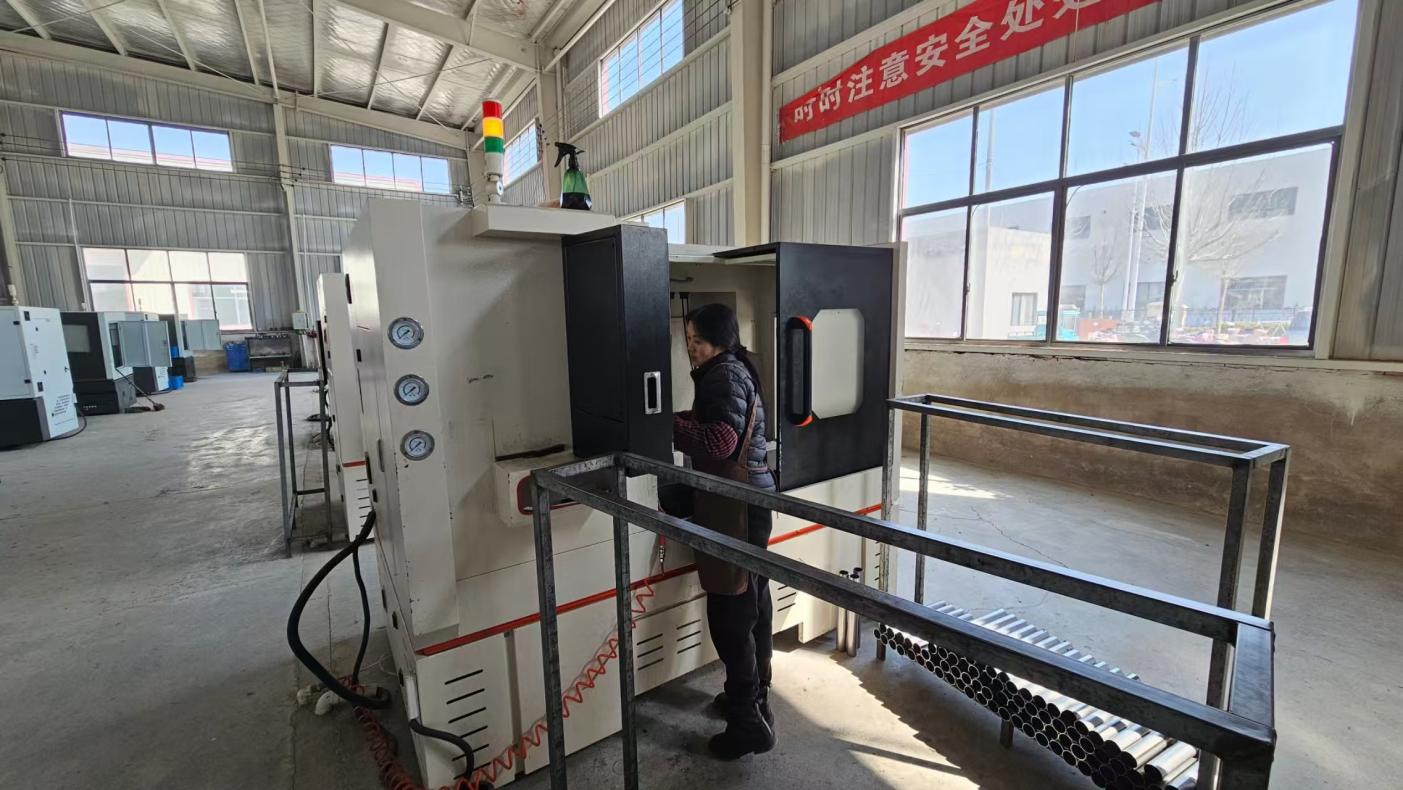
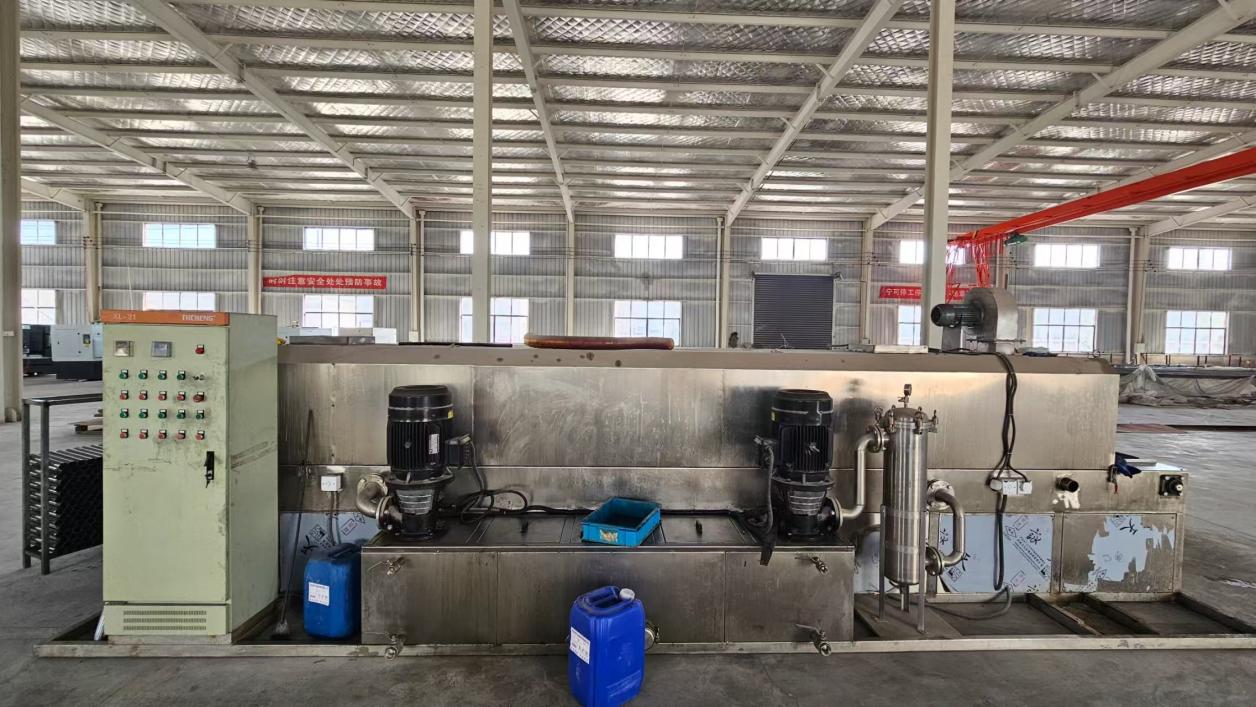
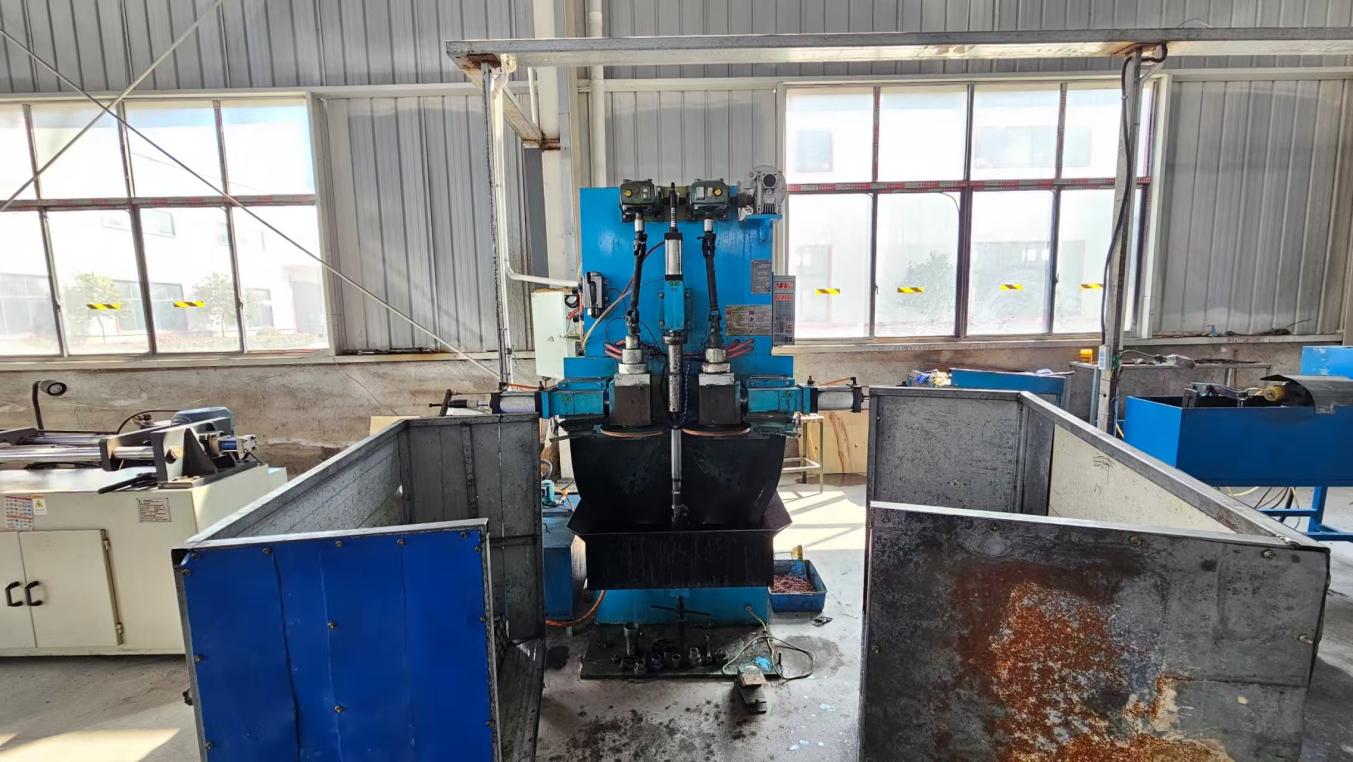
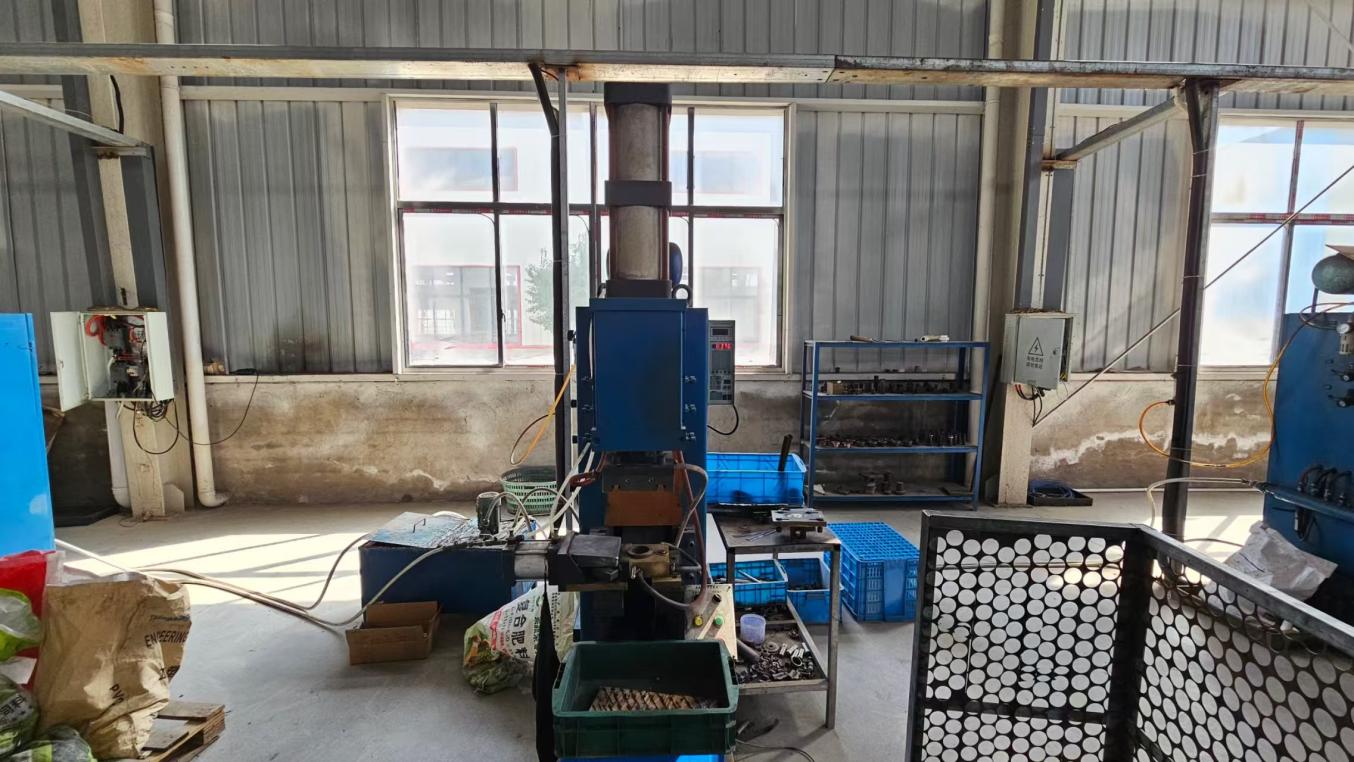
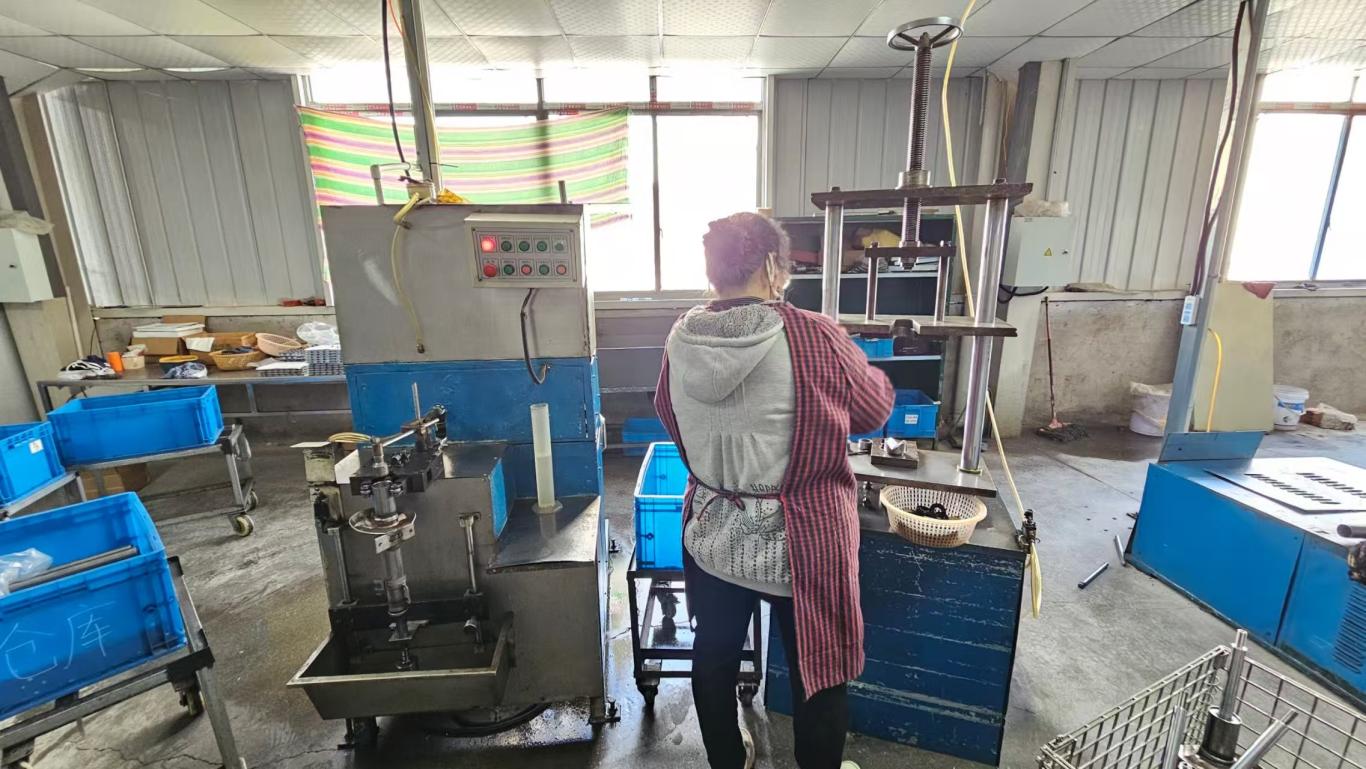
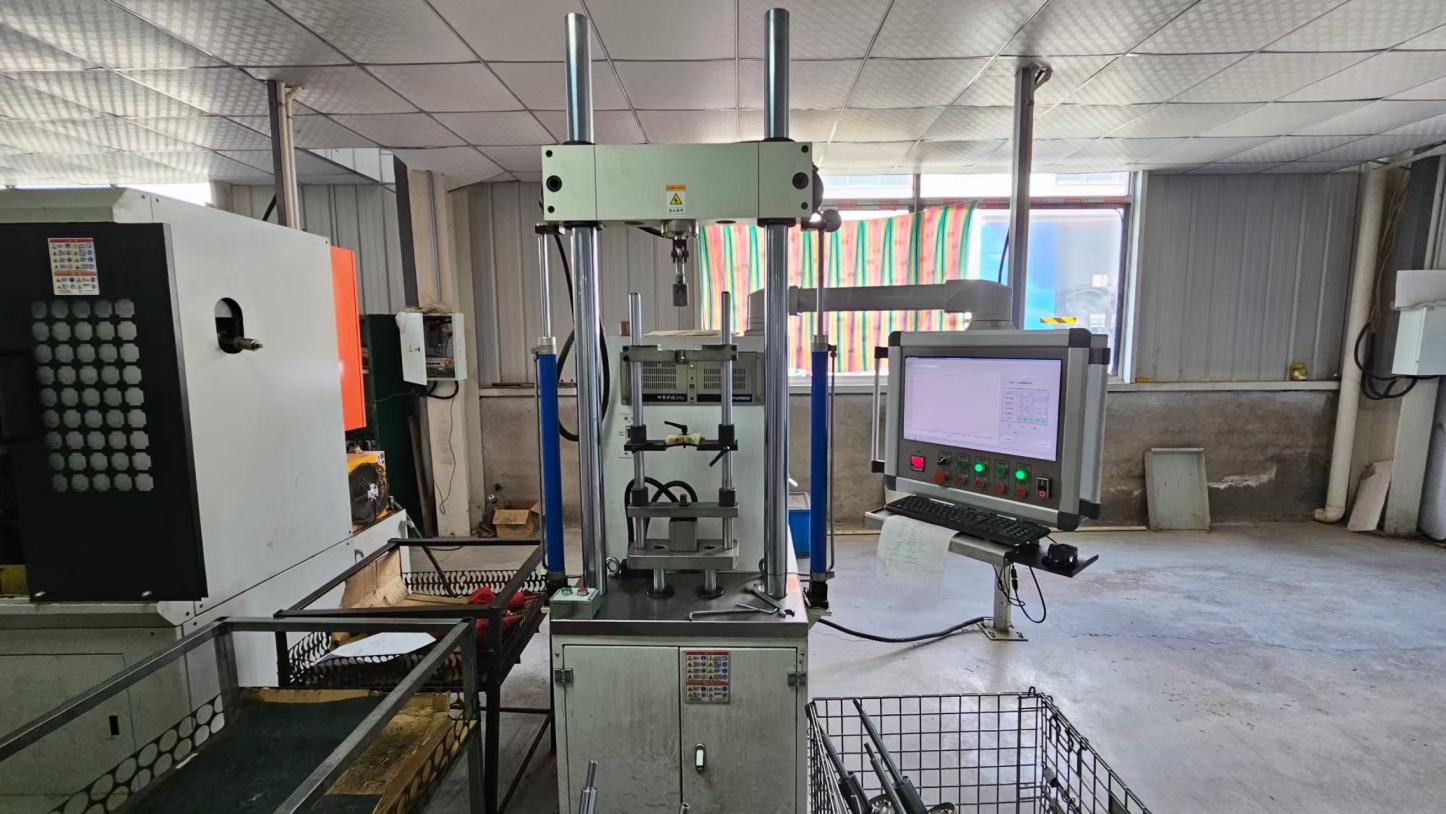
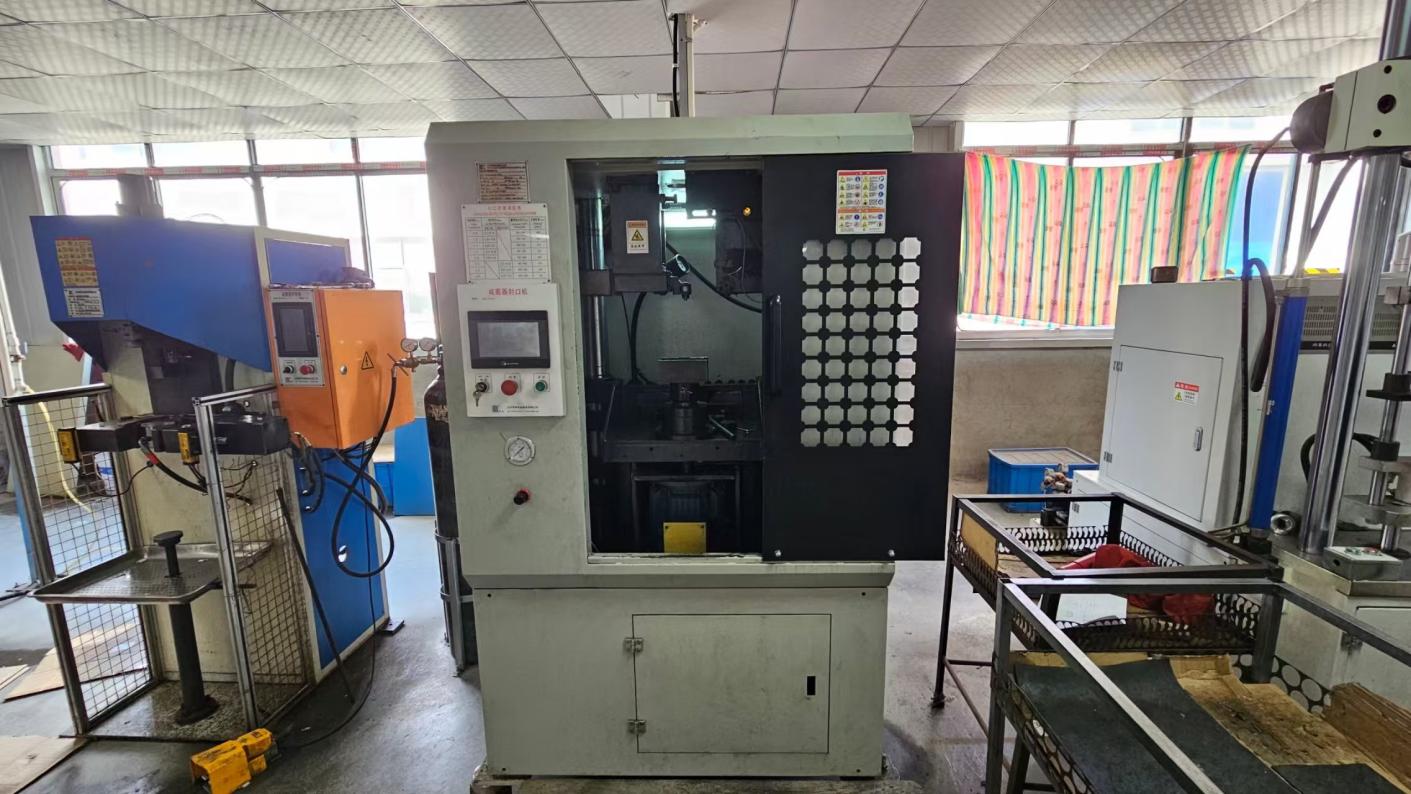
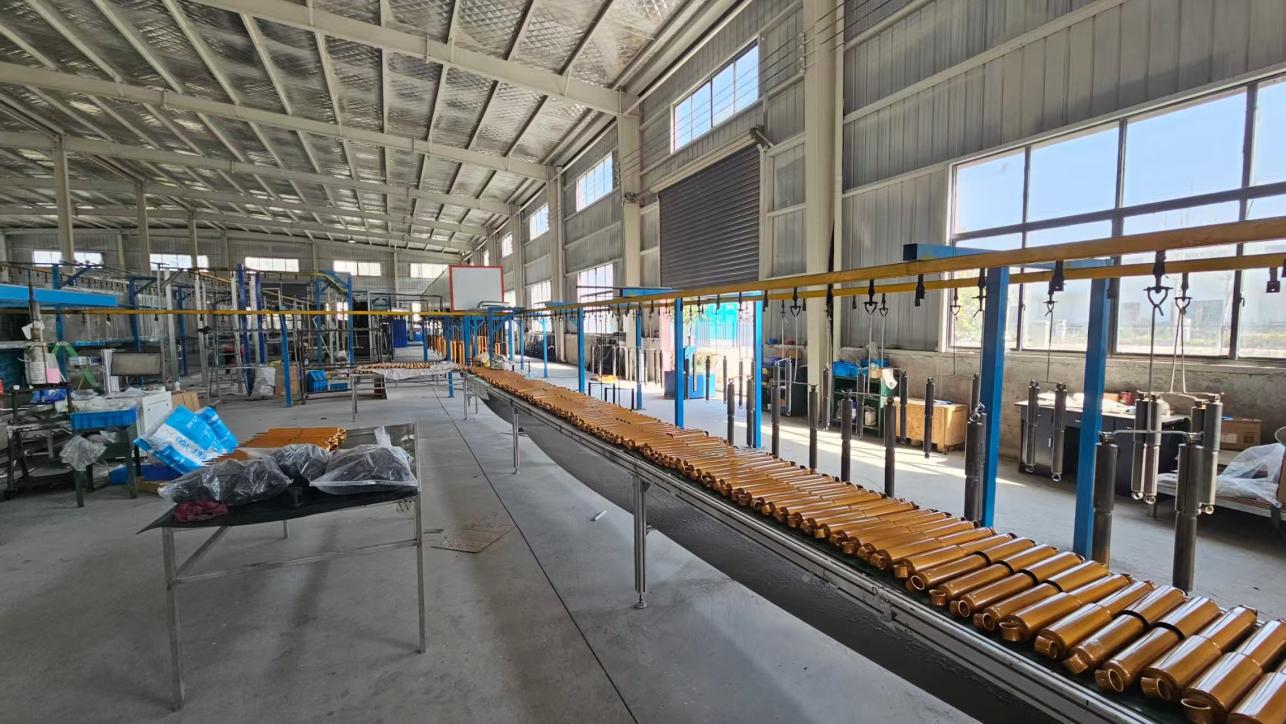
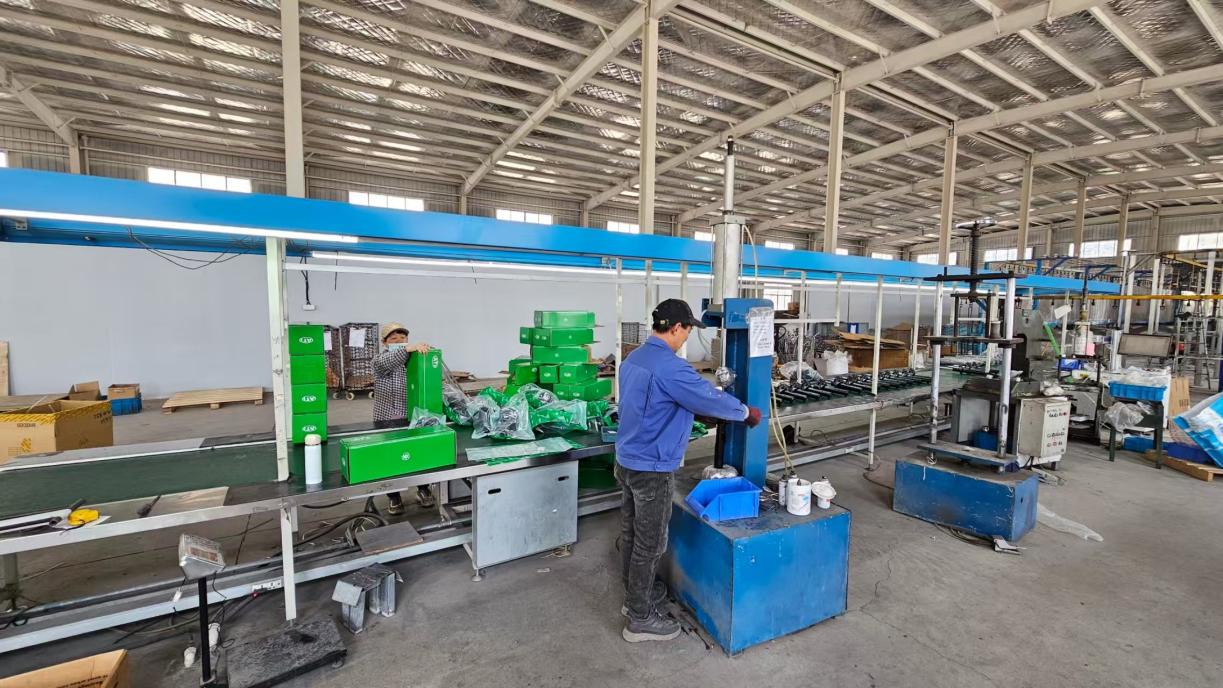
Every step in our automated production line is closely monitored to ensure quality and compliance
How we are preparing for the next generation of smart braking and zero-emission regulations
Developing new formulations to meet Euro 7 standards, reducing brake dust output by 40% through organic binding agents and hybrid-resin matrices.
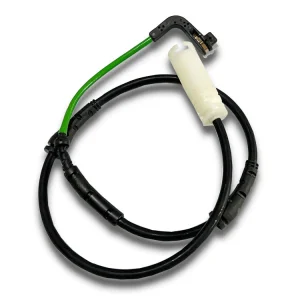
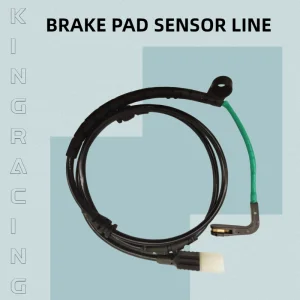
Developing brake pad wear sensors that connect directly with vehicle electronic control units (ECUs) to support preventative fleet maintenance.
Designing corrosion-resistant rotors and pads specifically for electric vehicles, resolving rust buildup caused by regenerative braking.
Implementing a zero-waste manufacturing loop, recycling steel backing scrap and using solar energy to power our hot pressing machinery.
Customizing formulation, engineering, and logistics to match target markets
Different markets present different challenges. A brake component that performs well in light city driving may fail under the heavy payloads and long descents common in North American logistics routes or the stop-and-go driving typical of European metropolitan areas.
We work closely with global tier-1 buyers, offering custom packaging design, laser marking for clear traceabilities, and flexible manufacturing volumes. This ensures replacement parts are delivered on schedule and comply with all import regulations.
By using premium raw materials and maintaining strict control over our manufacturing processes, we build brake parts that deliver consistent quality. This minimizes warranty claims for aftermarket distributors and lowers operational overhead for large commercial fleets.
B2B technical support and design inquiries answered by our engineering team
Our formulations undergo dynamometer testing and field trials. We test for shear strength, thermal compressibility, and density. We also perform Chase tests to evaluate friction coefficient stability under continuous heat cycling.
Our facility features 80 hot pressing systems and automated electrostatic powder coating lines. We use laser measurement systems at the grinding stage to keep dimensions within tight tolerances, ensuring product consistency.
Yes. We produce low-metallic and ceramic formulations that contain less than 0.5% copper by weight. This complies with California and Washington state environmental regulations while maintaining strong stopping power.
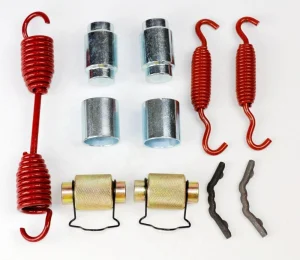
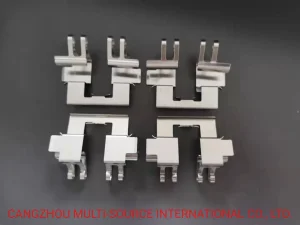
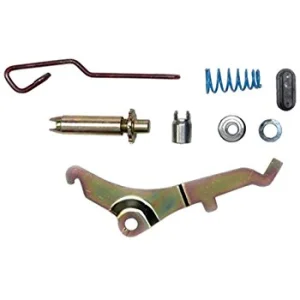
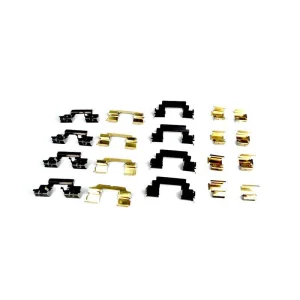
Yes, we supply complete hardware kits alongside our brake pads. These include stainless steel anti-rattle clips, wear indicator sensors, rubber boots, and banjo adapters to ensure a complete installation.
We design our pads with chamfers and slots that reduce high-frequency vibration. We also use multi-layer shims containing elastomer dampening layers, helping to isolate noise from the caliper assembly.
Lead times depend on the specific formulation and tooling needs. Standard products are typically manufactured in 30 to 45 days. Custom tool design and casting runs require 15 to 20 additional days for testing and validation.
Heavy-duty, high-durability components built for reliable fleet operation