WAS Auto
WAS Auto
WAS Auto
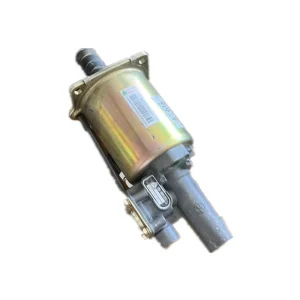
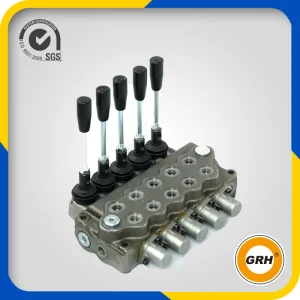
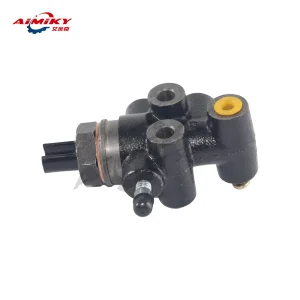
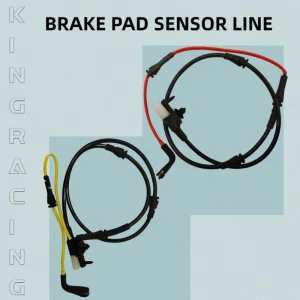
Explore our top-tier catalog of precision-engineered brake lines, sensing valves, cylinders, and diagnostics.
A whitepaper on safety inspection benchmarks, system diagnostics, and regulatory challenges in international automotive markets.
Within modern heavy transport, high-speed rail, and commercial passenger automotive fleets, the braking system represents the single most critical safety subsystem. A micro-leak within pneumatic lines, hydraulic calipers, proportional load-sensing valves, or master booster cylinders does not merely cause localized performance degradation; it is a primary catalyst for catastrophic system failures. Globally, regulatory bodies including the United States Department of Transportation (DOT), European Union's ECE R90, and national standards agencies have implemented increasingly stringent safety metrics. These mandates require zero-tolerance fluid and pressure decay parameters for commercial logistics networks and urban transit systems.
Consequently, the role of Brake Leakage Detectors has evolved from simple diagnostic tools used in localized repair shops to highly integrated, multi-channel automated test systems deployed on automotive assembly lines, component manufacturing facilities, and major logistics fleet depots. These advanced detection systems ensure that hydraulic seals, high-pressure motorcycle brake lines, and commercial trailer valves remain strictly within nominal specifications prior to and during operation.
Information Gain Key Insight: Emerging standards in electric vehicle (EV) safety testing now require specialized vacuum and pressure leakage detection. This is due to the absence of direct engine manifold vacuum source lines, necessitating highly reliable, dedicated electric vacuum pumps and corresponding leak monitoring systems.
Historically, detecting fluid or pressure loss relied on visual indicators of oil pooling or basic bubble emission methods. Today, the industrial market has shifted toward advanced physical principles that guarantee high precision, repeatable measurements, and full process traceability:
An established, ISO9001 certified global leader in automotive brake component manufacturing and system integrity engineering.
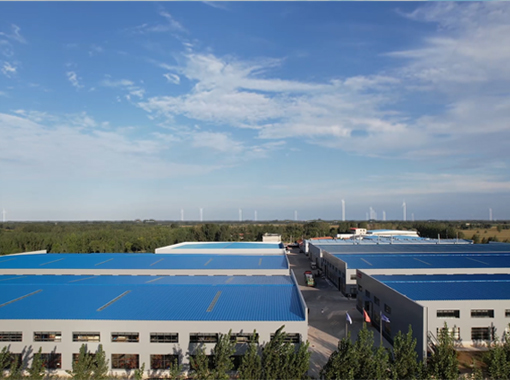
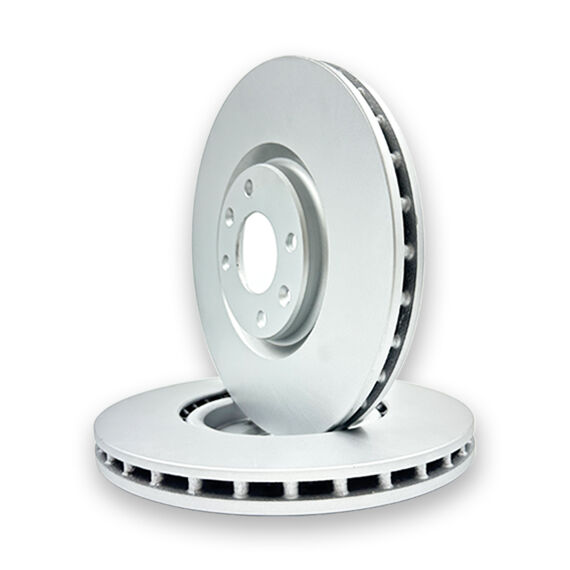
Shandong WAS Auto Co., Ltd. was established in 2014, specializing in the manufacturing of high-quality automotive brake components, including brake pads, brake discs, and brake shoes for all types of passenger vehicles. Over the years, WAS Auto has developed a variety of advanced brake pad formulations, including ceramic, semi-metallic, carbon-ceramic, and NAO (non-asbestos organic). Our products are known for their excellent high-temperature resistance, outstanding wear resistance, low noise, minimal dust, and consistent quality, ensuring reliable braking performance in all driving conditions.
At WAS Auto, we are driven by our mission of "Safety, Innovation, and Sustainability." We are committed to providing global automotive users with efficient, eco-friendly, and dependable braking solutions. Recognizing the critical importance of braking systems in vehicle safety, we focus not only on product quality and performance but also on environmental responsibility and technological innovation. Every product undergoes rigorous testing and quality control to ensure it performs excellently in diverse driving environments.
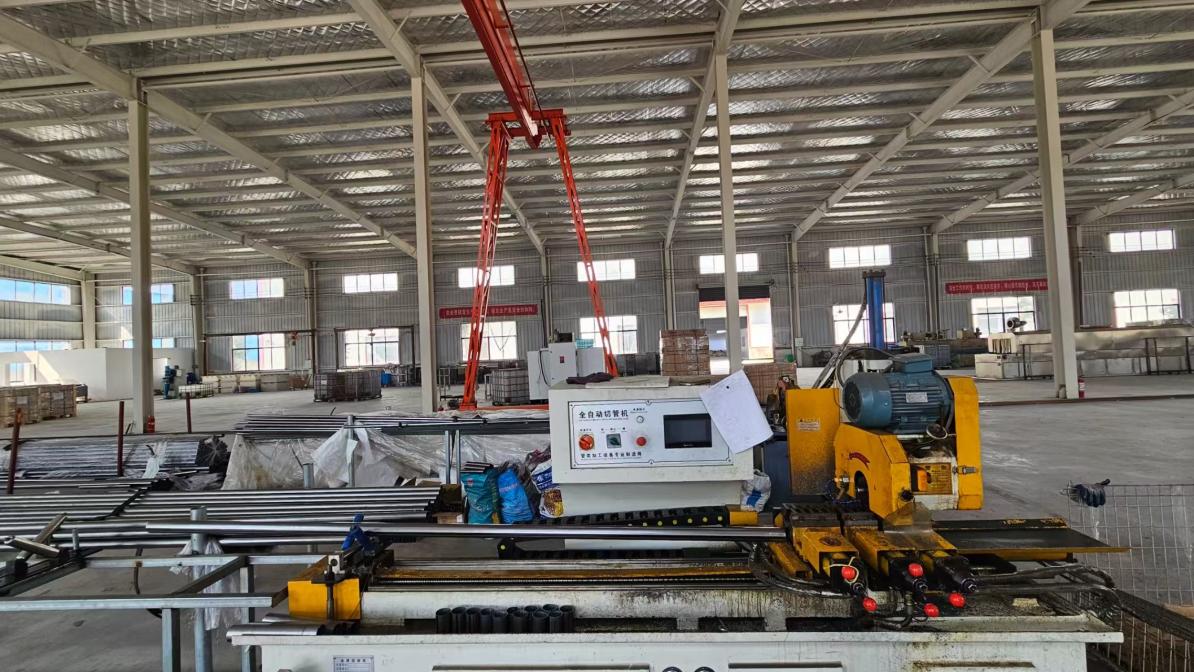
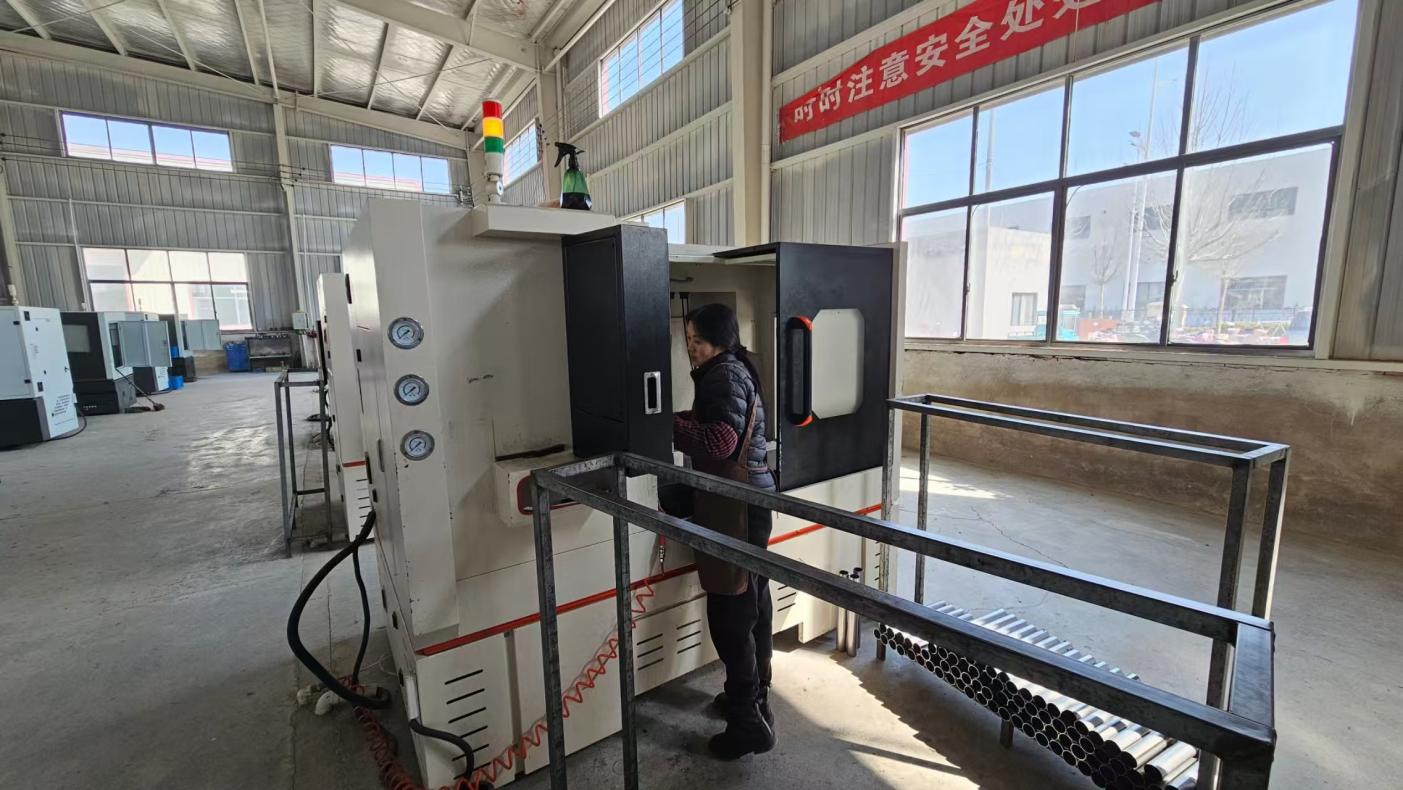
Equipped with 80 hot pressing machines, 5 automated spraying lines, and precision grinding equipment integrated into a fully automated production system.
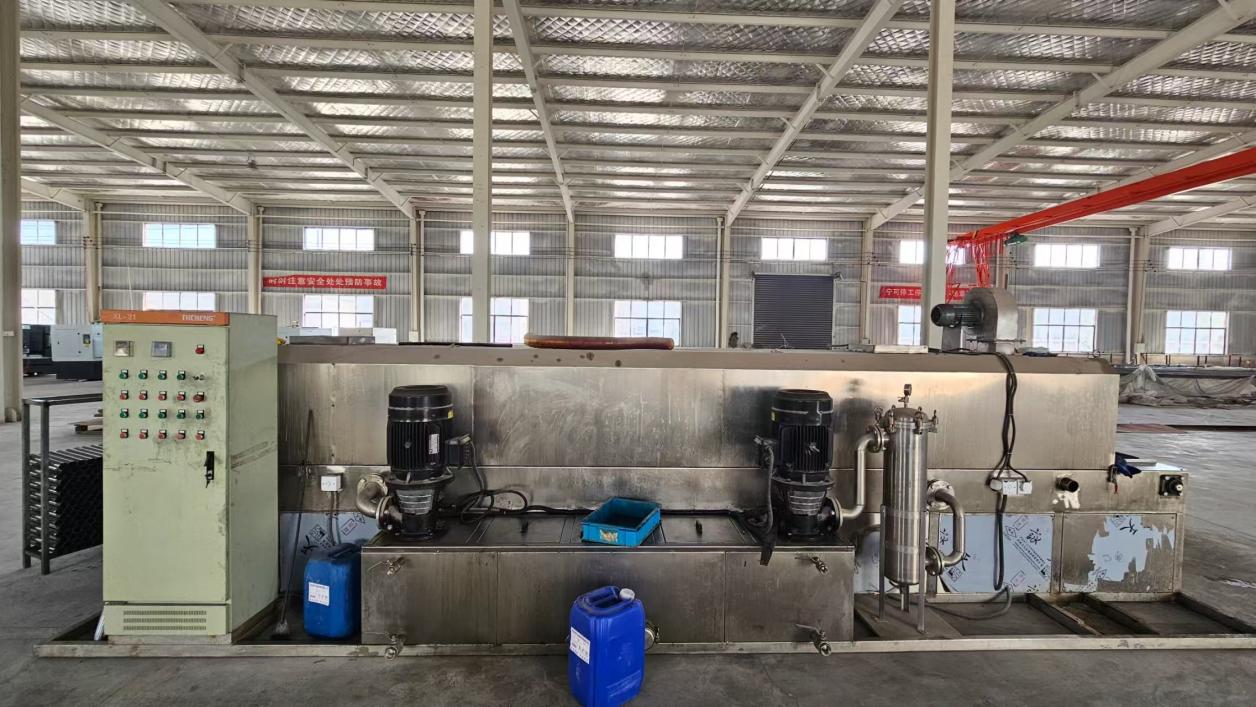
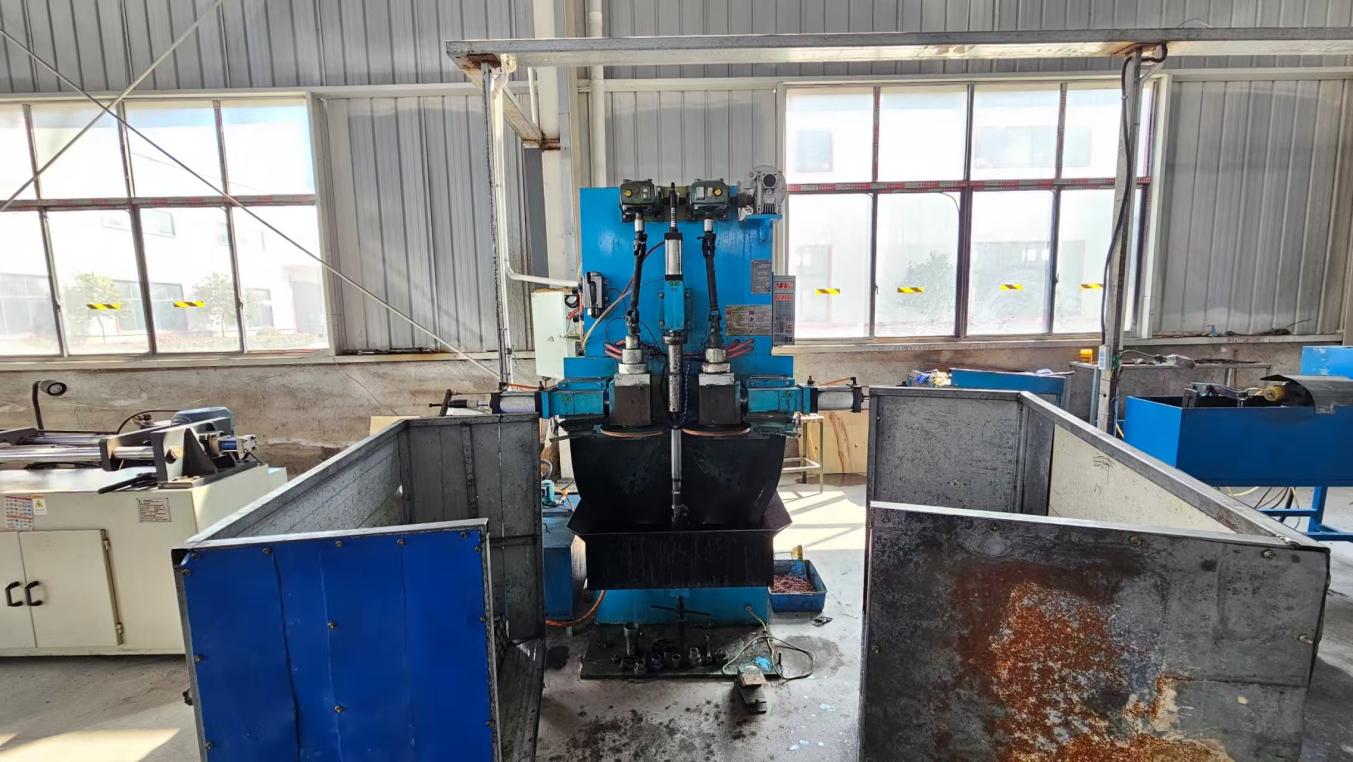
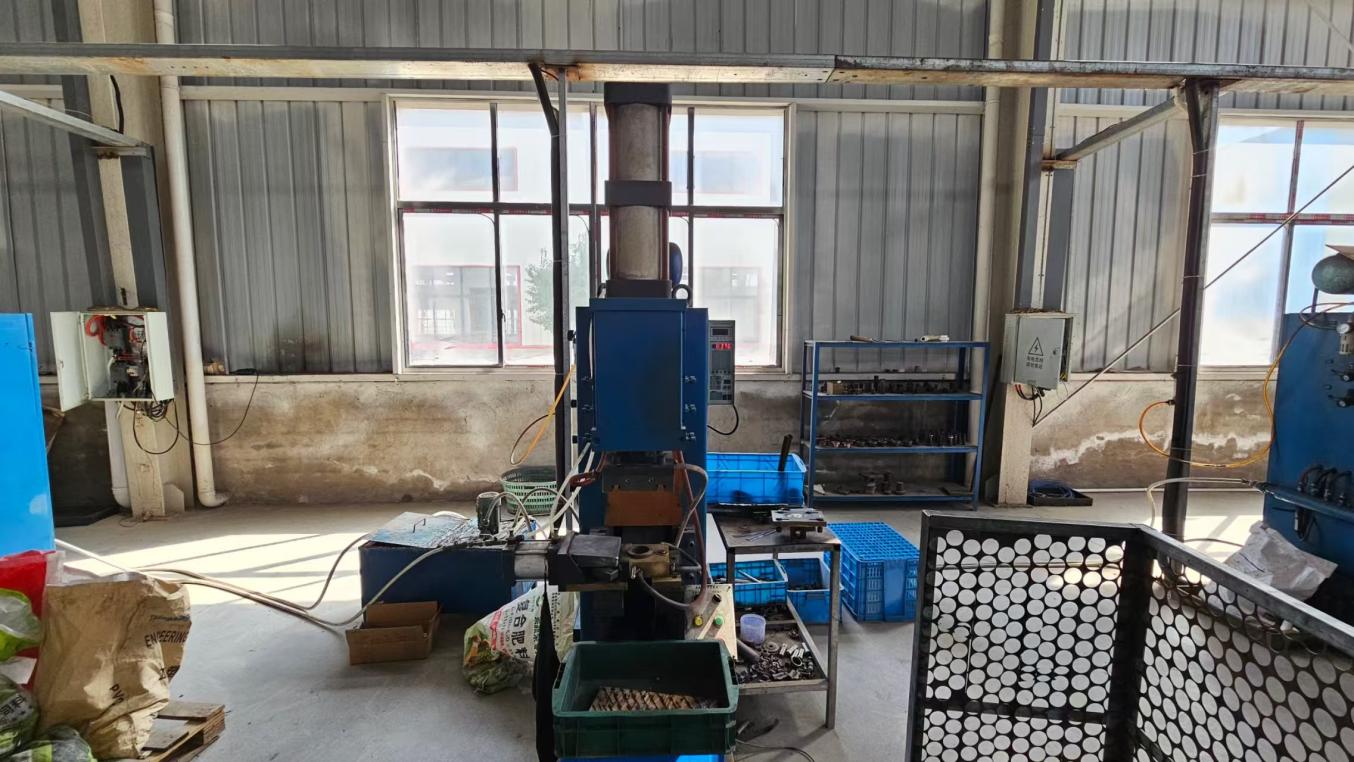

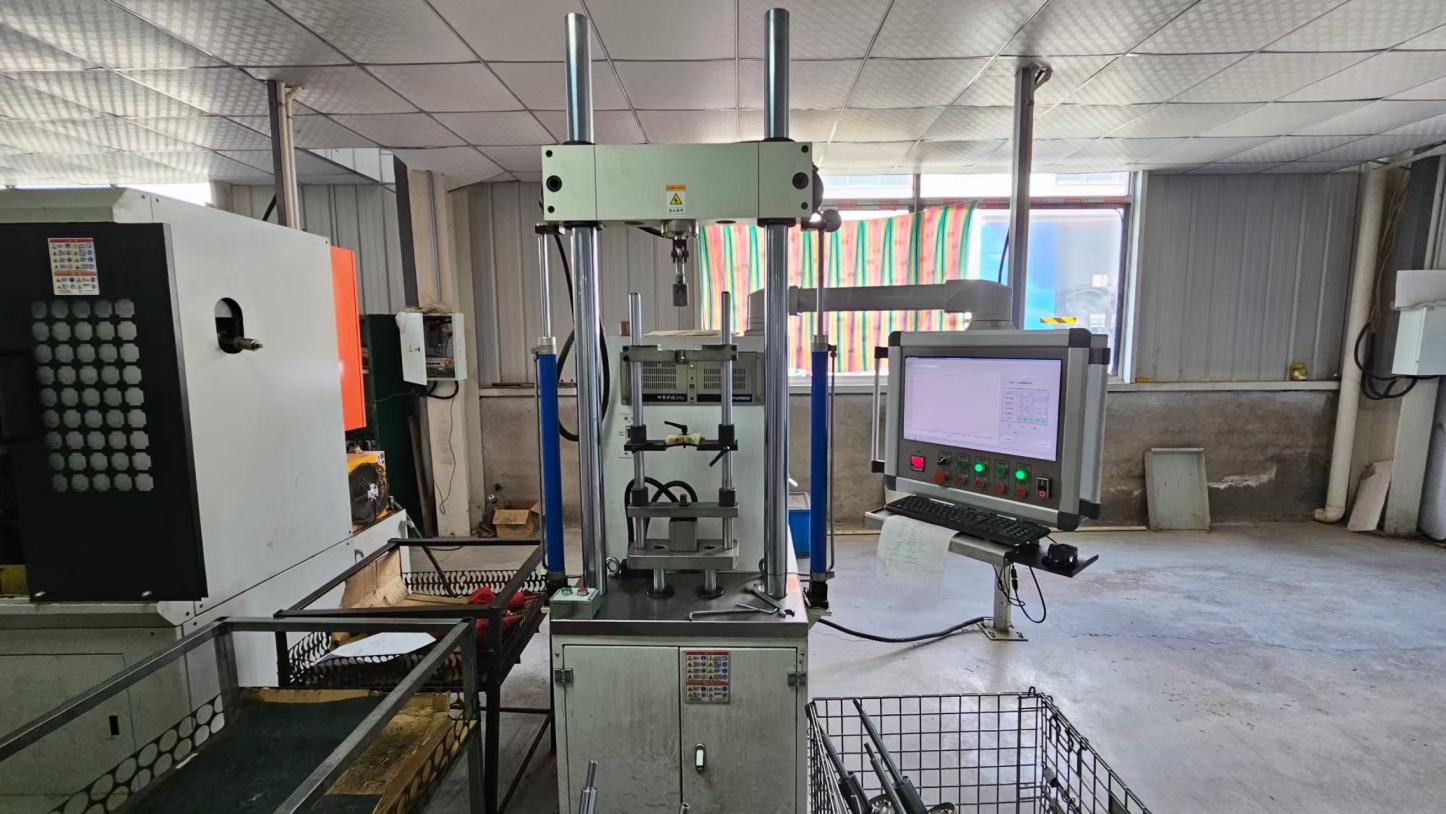
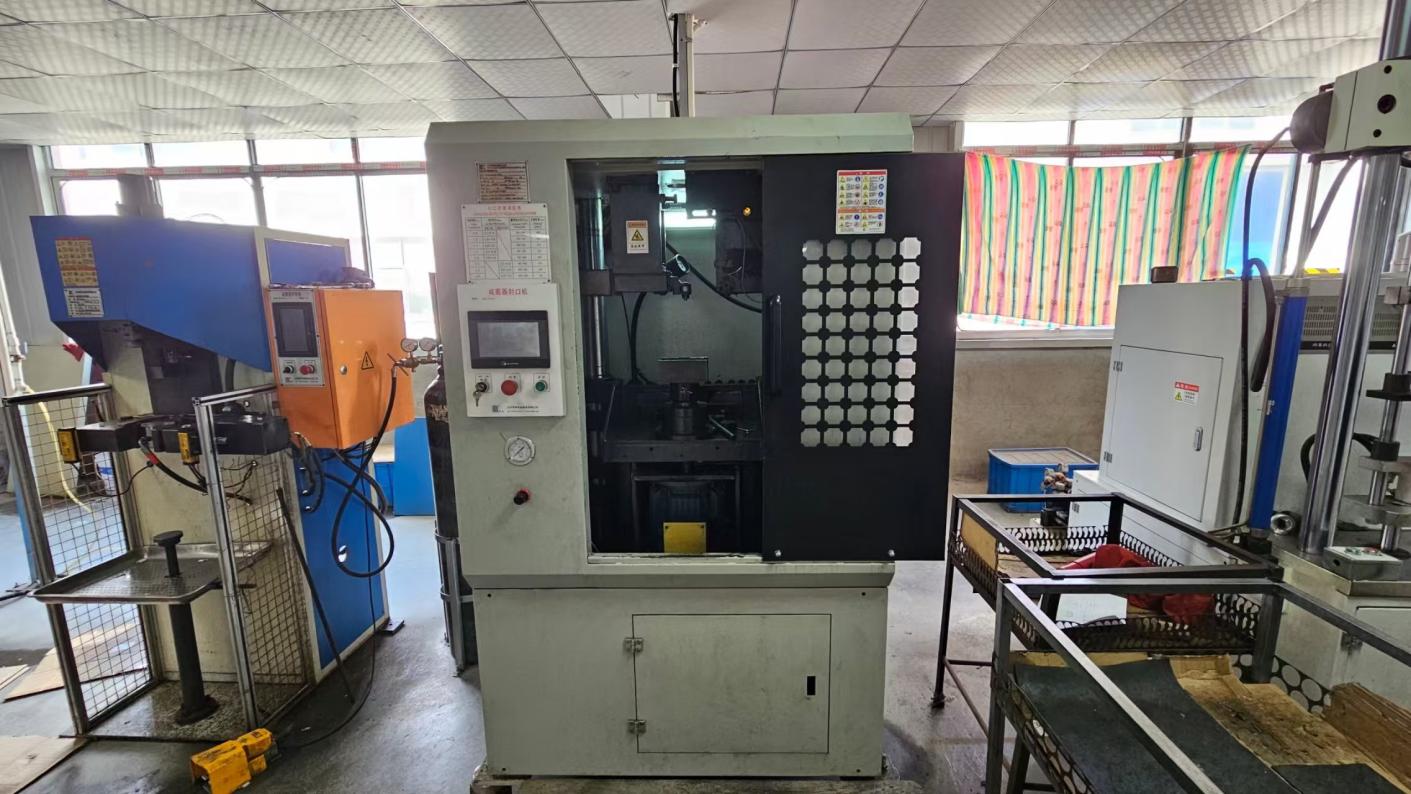
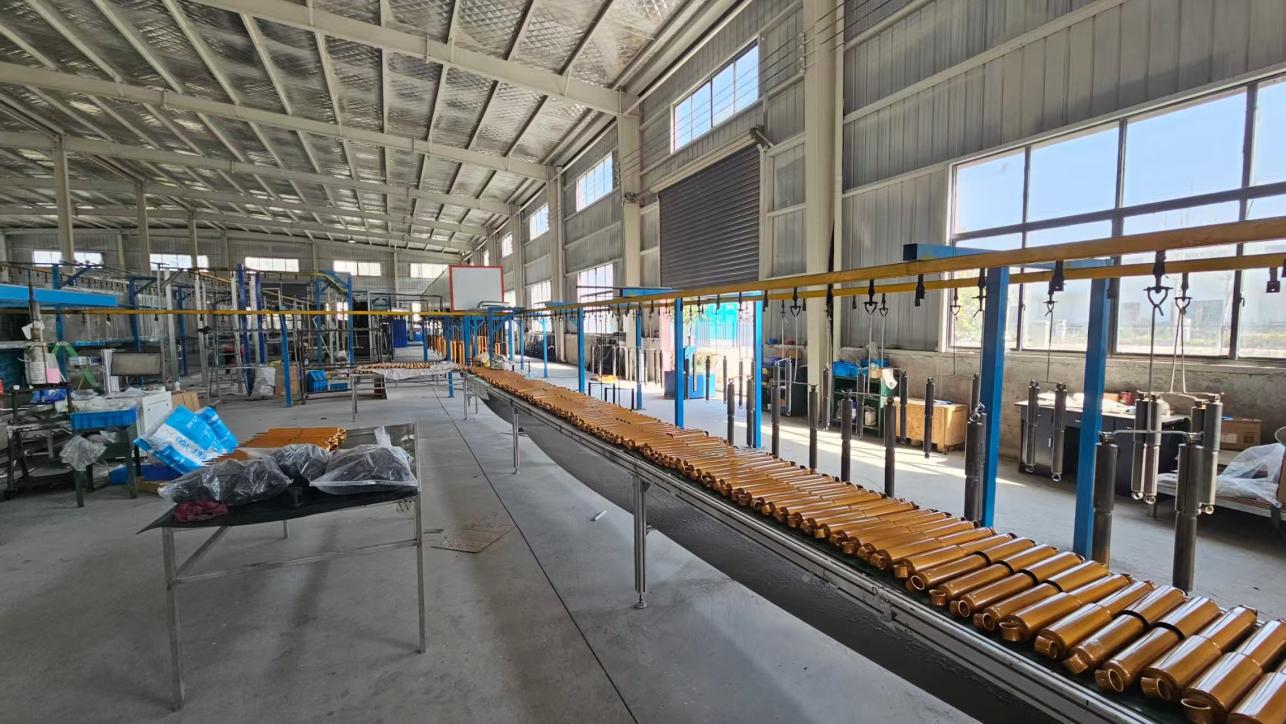
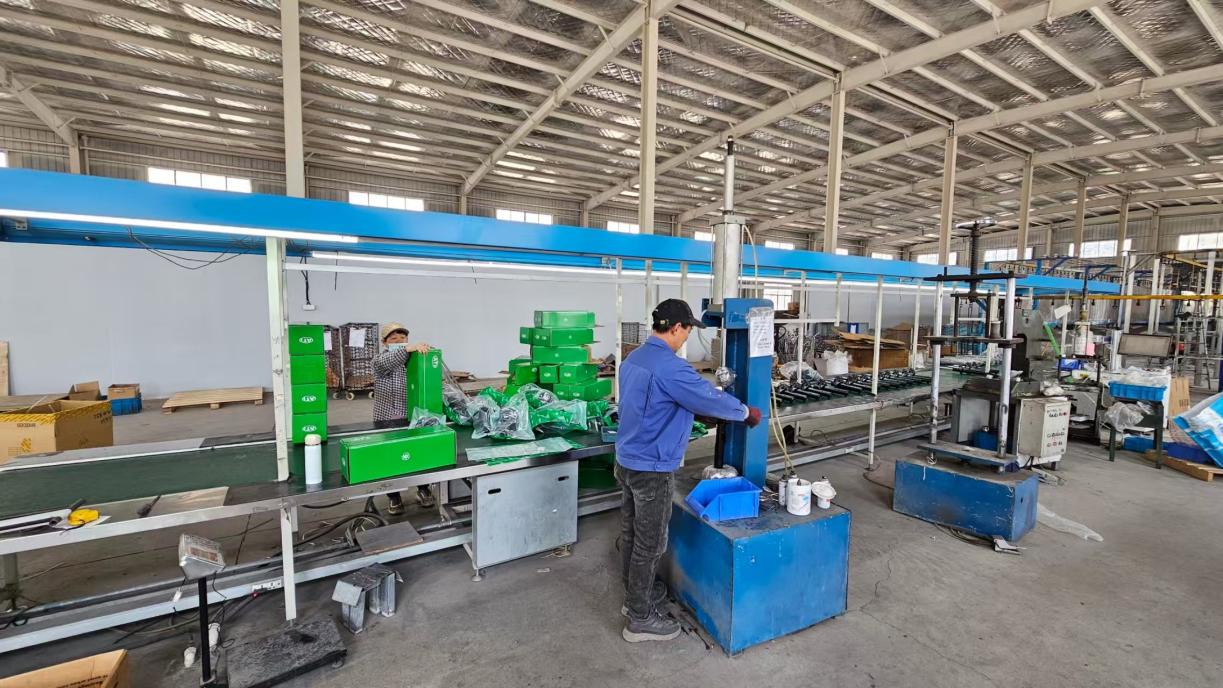
Catering to diverse technical expectations, regional driving environments, and specialized commercial operations.
High-temperature resistance is paramount. Our brake pads and sensor assemblies undergo rigorous dry-heat exposure profiles to ensure zero signal drift or mechanical degradation under extreme desert ambient temperatures.
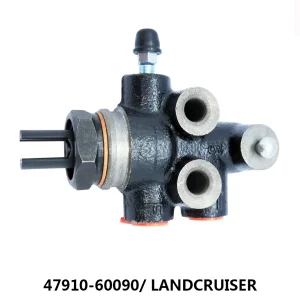
Designed for heavy duty hauling over long trans-continental corridors. These regions demand highly robust air disc caliper components, brake boosters, and load sensing proportioning valves capable of high-duty-cycle operation.
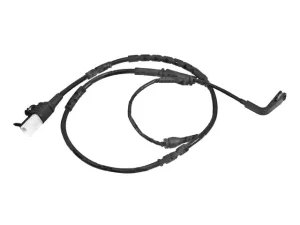
Our solutions optimize stop-and-go fleet profiles, prioritizing low brake noise, minimal dust, and ultra-high responsiveness via precise proportioning valves and automated wear sensor integration.
Integrating IoT telemetry, AI diagnostics, and environmentally compliant carbon-neutral formulations.
Over the next decade, brake leak detection is moving from static garage diagnostic bays to real-time, onboard sensor arrays. By embedding low-power micro-transducers directly into the hydraulic cylinder ports and air brake line manifolds, future vehicles will leverage active telemetry to constantly stream system pressures to fleet management systems. Our engineering teams are already designing hybrid wear-and-pressure sensors that report both physical brake pad degradation and brake line pressure variations directly to central ECU dashboards via CAN bus interfaces.
As sustainability becomes central to global manufacturing, WAS Auto is actively researching low-copper and copper-free organic formulas (NAO) alongside next-generation carbon-ceramic substrates. In parallel, our production facility adopts green manufacturing practices to minimize emissions and waste heat recovery systems, assuring our global Tier-1 distribution partners of environmentally stable sourcing pipelines.
Future service intervals will rely on predictive artificial intelligence models that analyze deceleration g-forces, rotor temperature spikes, and minor fluid pressure drops. If a pressure decay signature shows anomaly signs, the onboard system will trigger a predictive warning for micro-leakage before mechanical soft-feel or safety loss is experienced by the operator. Our R&D team works closely with partner academic institutions to integrate these predictive models into the next generation of master cylinder booster and sensor designs.
Expert answers regarding brake component pressure testing, compliance metrics, and component lifespan.
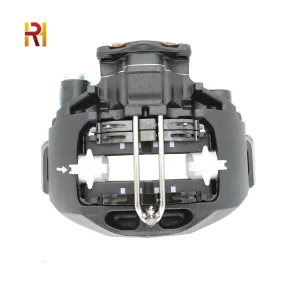
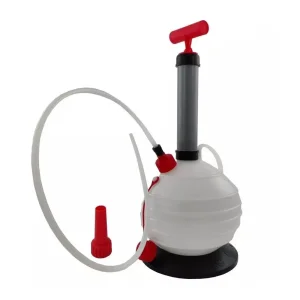
Premium calipers, wear sensors, fluid extractors, and master repair kits for international service and distribution networks.