WAS Auto
WAS Auto
WAS Auto
Explore our top-tier catalog of mechanical, pneumatic, and electronic braking components manufactured to exceed OEM standards.
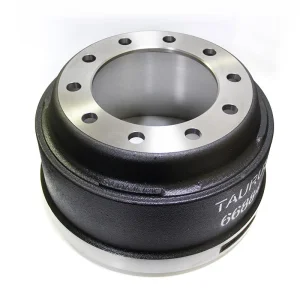
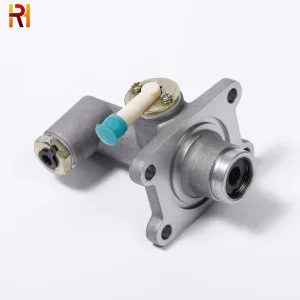
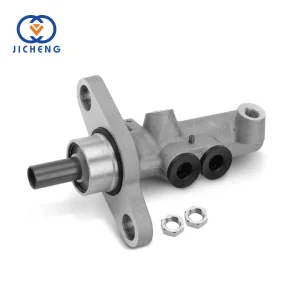
The critical mechanics of load-sensing and proportional braking control across heavy-duty automotive sectors.
Within modern heavy automotive logistics, commercial trucking, and industrial transport networks, the stability of heavy vehicles under varying load conditions relies directly on pneumatic and hydraulic modulation. Adjustable brake valves—specifically proportioning valves, load-sensing valves (LSPV), and pressure-reducing valves—serve as the central system safety control. They balance hydraulic or air pressure between the front steer axles and the rear drive or trailer axles.
By modulating kinetic energy conversion and preventing rear wheel lockup under unloaded scenarios, these valves maintain directional control and prevent jackknifing. As emission mandates pressure commercial fleets to optimize weight distribution, and high-performance logistics demand reduced stopping distances, the engineering precision of adjustable brake valves has become a primary benchmark for fleet safety.
Globally, manufacturers must conform to strict performance metrics, including FMVSS 121 in North America and ECE Regulation 13 in Europe. Modern industrial configurations increasingly integrate these mechanical-pneumatic systems with electronic stability controls (ESC) and electronic braking systems (EBS), bridging mechanical fluid dynamics with software-driven chassis control systems.
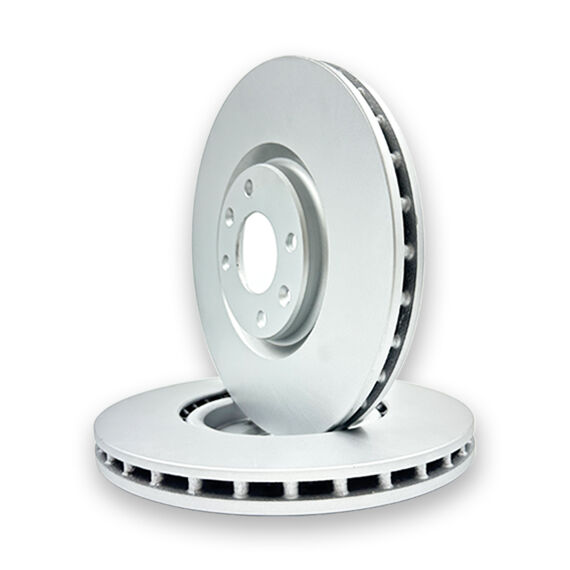
Understanding fluid dynamics, pressure ratios, and mechanical configurations of high-performance proportioning systems.
The split-point is the specific pressure limit at which the valve begins reducing hydraulic output to the rear wheels. Advanced adjustable valves utilize dual-spring bias systems to allow custom modification of the slope ratio, ensuring braking power remains proportional to dynamic weight shift during deceleration.
By physically linking the chassis and the axle via a dynamic control rod, the LSPV automatically scales output pressure depending on the vehicle's real-time payload. This prevents rear-end drift in dry conditions and optimizes deceleration curves under maximum heavy-cargo distribution.
Modern brake systems coordinate adjustable proportioning with anti-lock braking sensors. The mechanical valve acts as a primary limiter to manage baseline pressure curves, while high-frequency ABS/EBS modulators make millisecond adjustments to resolve wheel slip and enhance lateral stability.
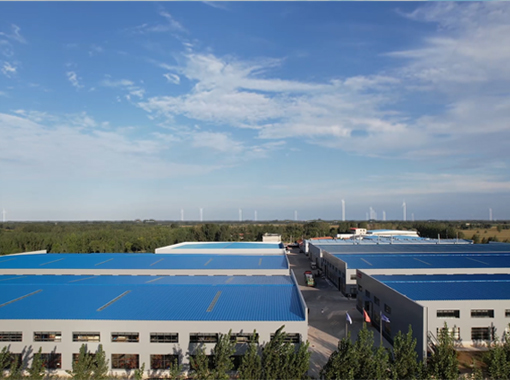
Inside Shandong WAS Auto Co., Ltd.: Manufacturing excellence, advanced material formulations, and global reach.
Established in 2014, Shandong WAS Auto Co., Ltd. has evolved into a leading authority in the design, manufacturing, and global distribution of advanced automotive braking components. Driven by our primary mission of "Safety, Innovation, and Sustainability," we supply elite braking systems to passenger, commercial, and high-performance racing sectors across the Middle East, East Asia, North America, and South America.
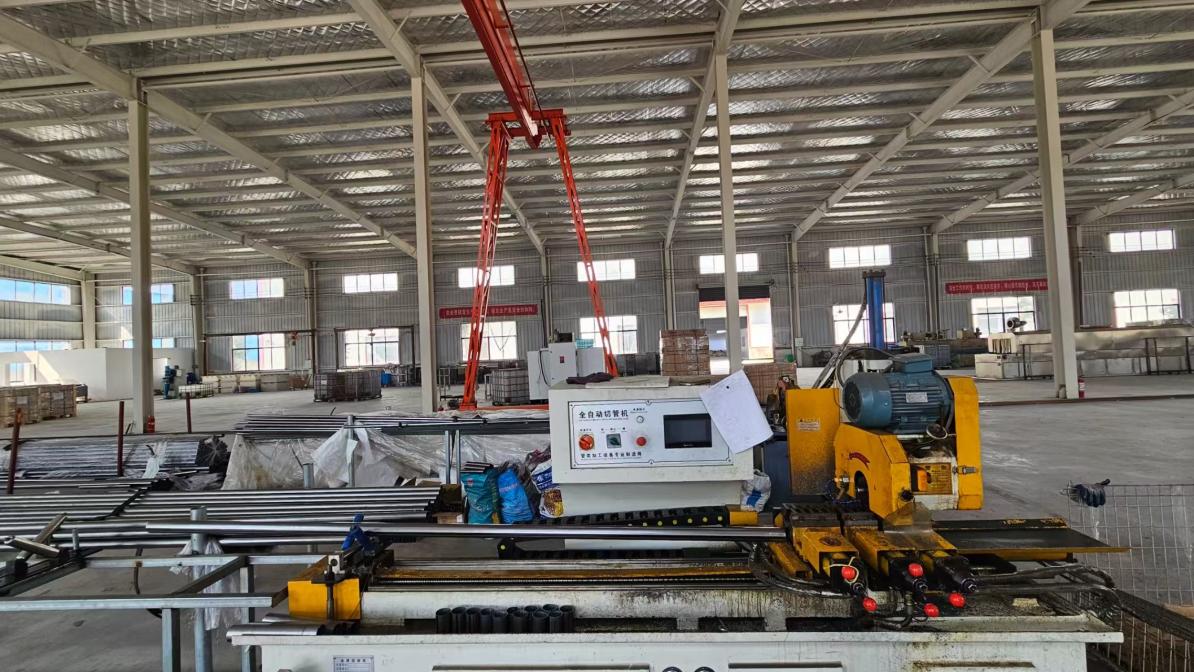
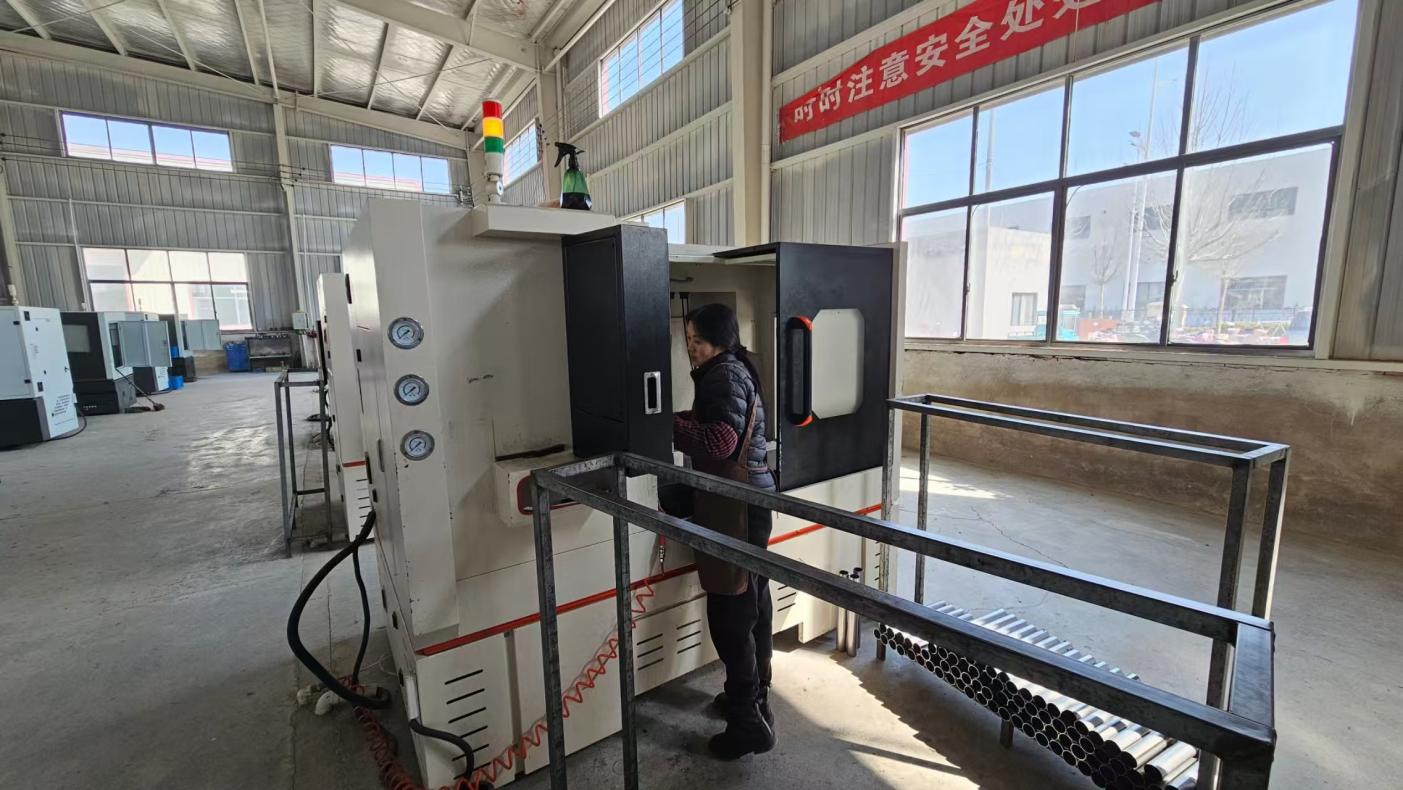
Our comprehensive production facility features an automated infrastructure designed to guarantee consistency and high precision. Backed by 80 hot pressing machines, 5 automated spraying lines, and specialized fine-grinding machinery, our output meets rigid global regulatory quality indicators. We formulate diverse, application-specific brake linings—including advanced ceramics, heavy semi-metallics, carbon-ceramics, and eco-friendly NAO (Non-Asbestos Organic) compounds—ensuring thermal stability, noise minimization, and prolonged component service life under extreme operational stress.
By blending university-backed metallurgy and fluid dynamic research with lean manufacturing methodologies, WAS Auto continues to set the benchmark for high-performance friction and pressure control systems worldwide.
From raw stock cutting to automated testing, sealing, and final packaging—here is how we maintain zero-defect manufacturing standards.
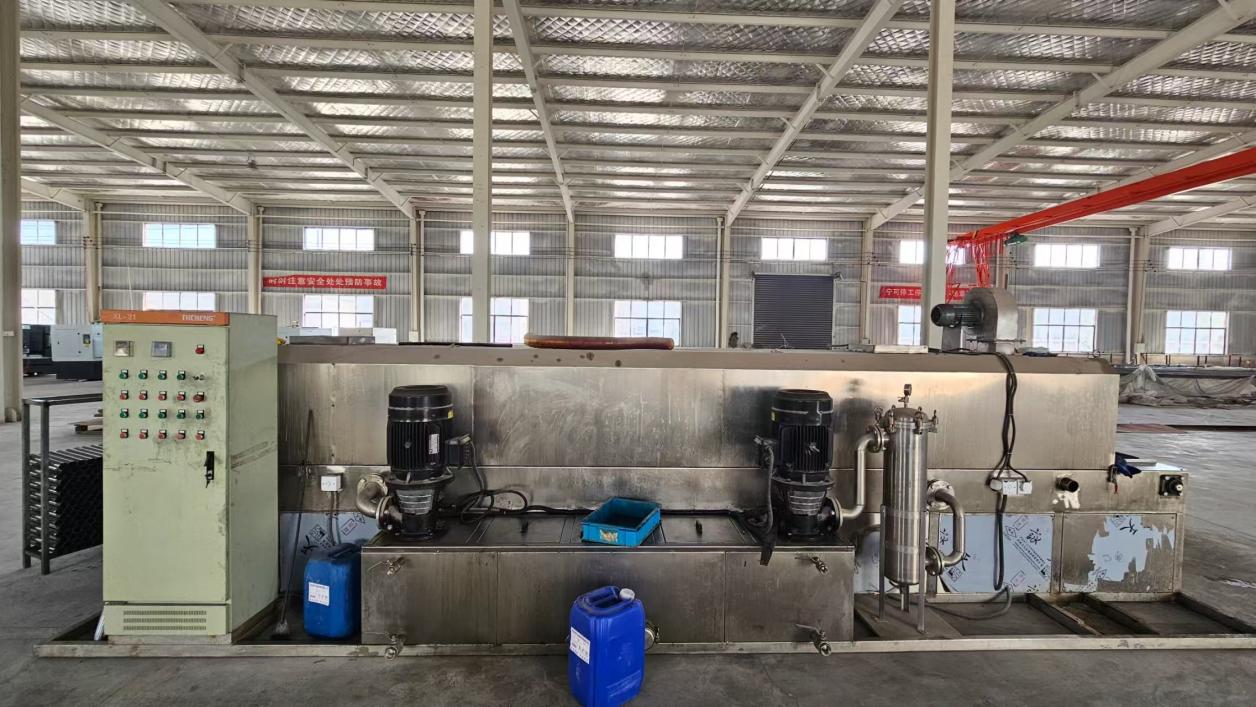
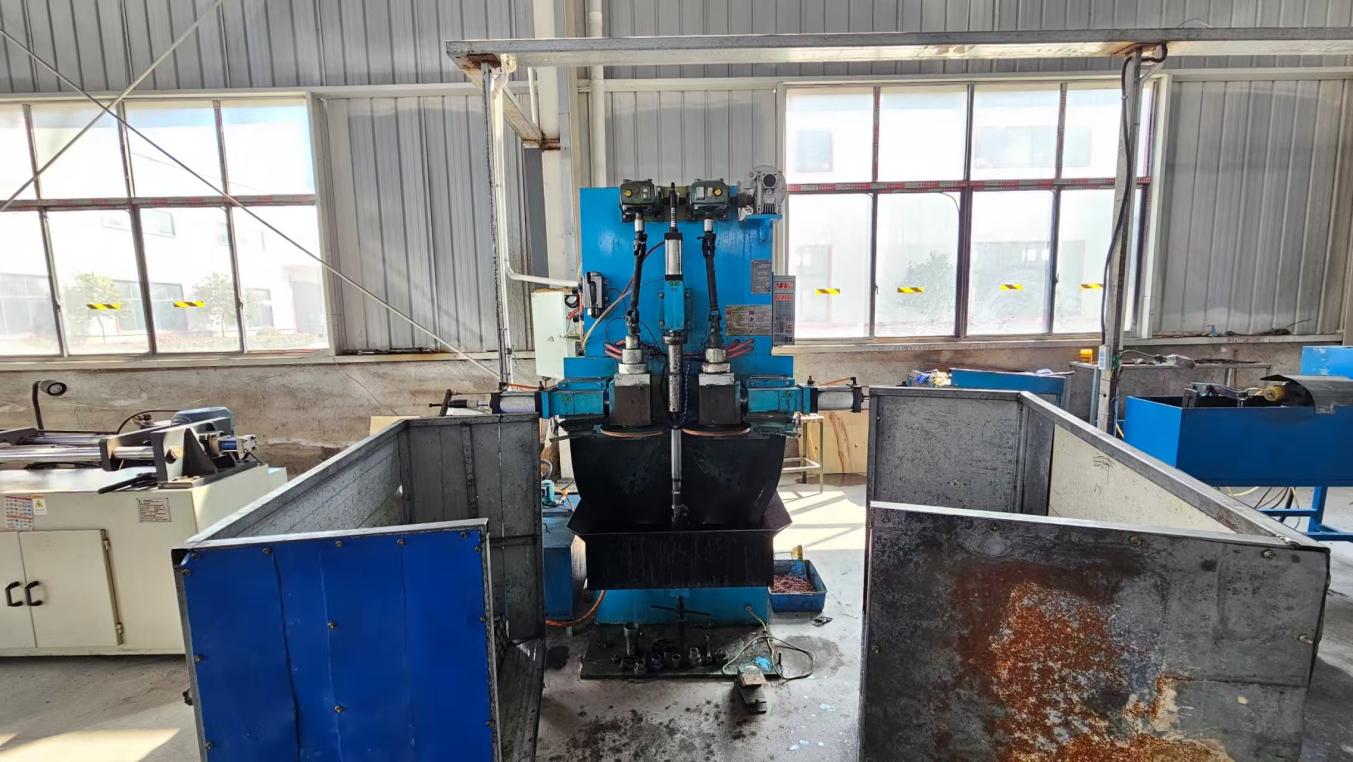
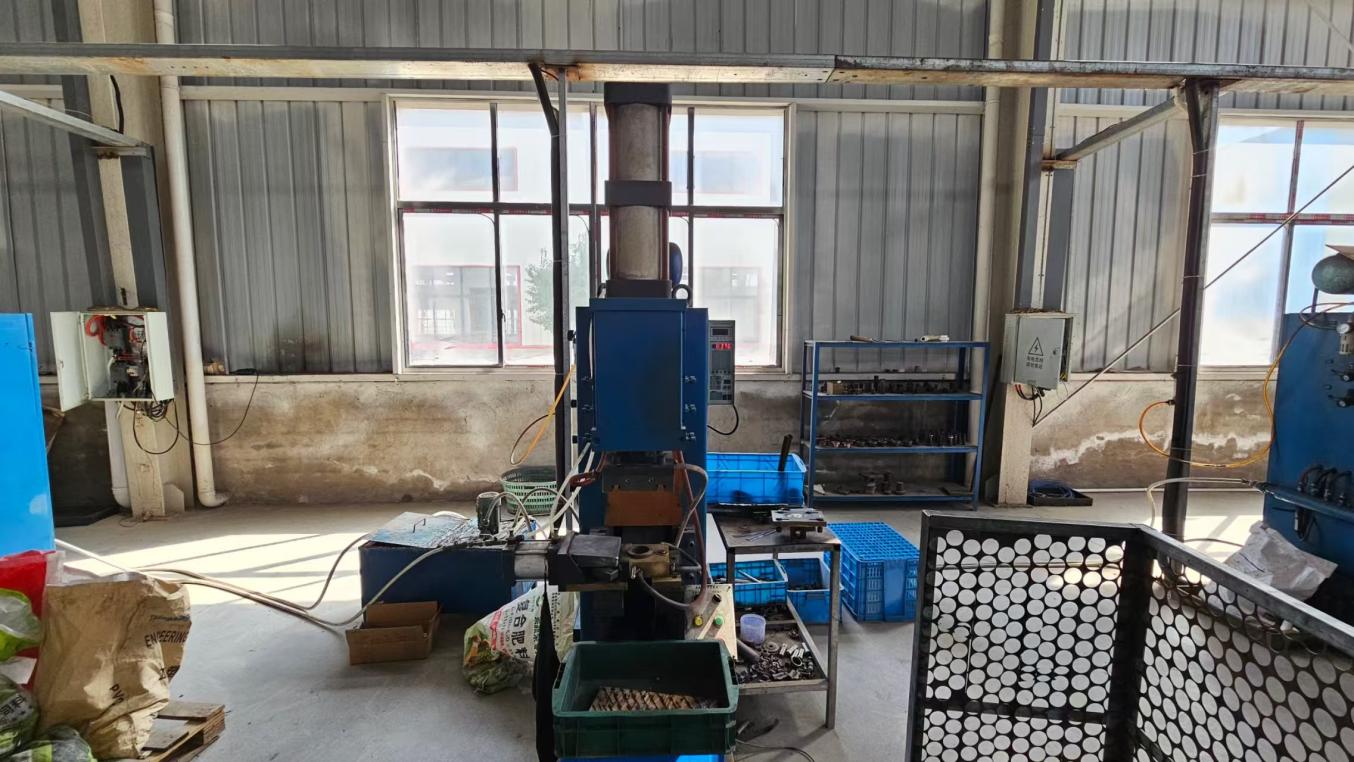
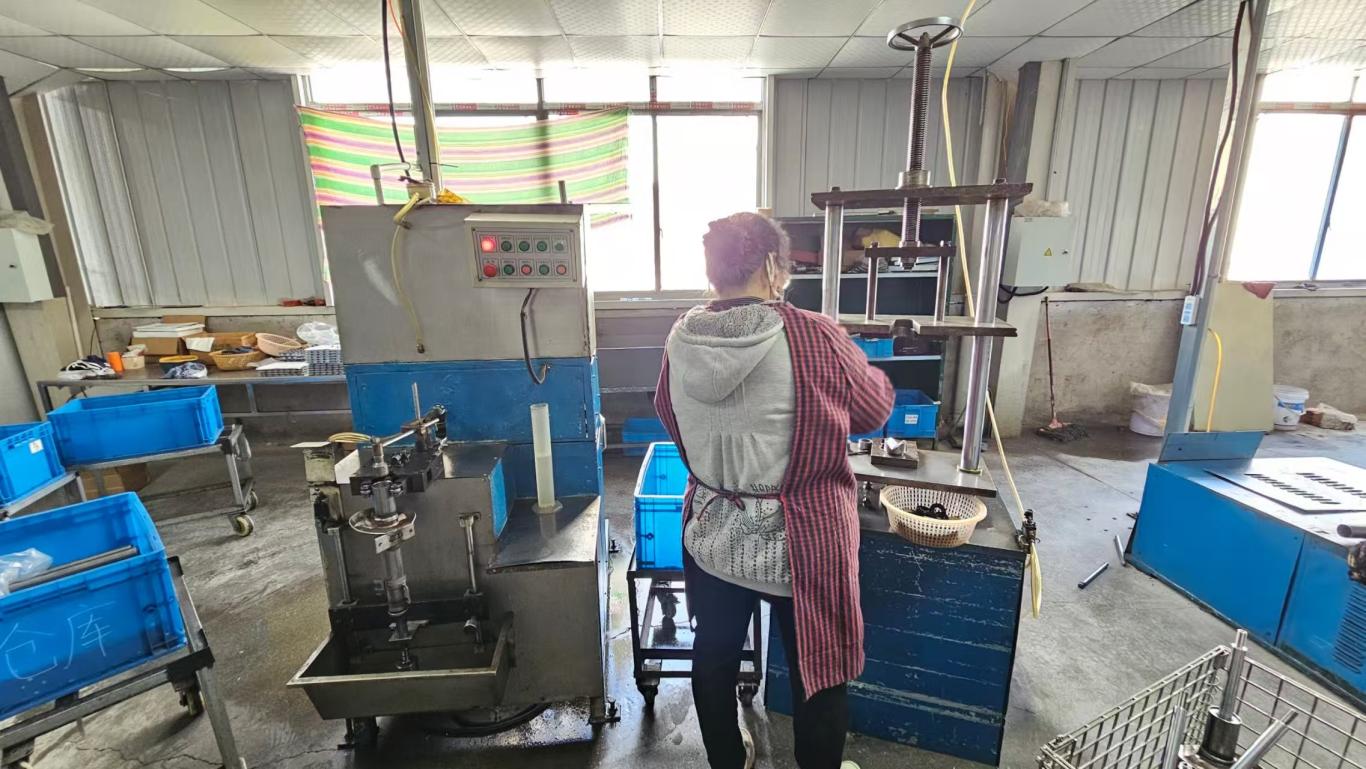
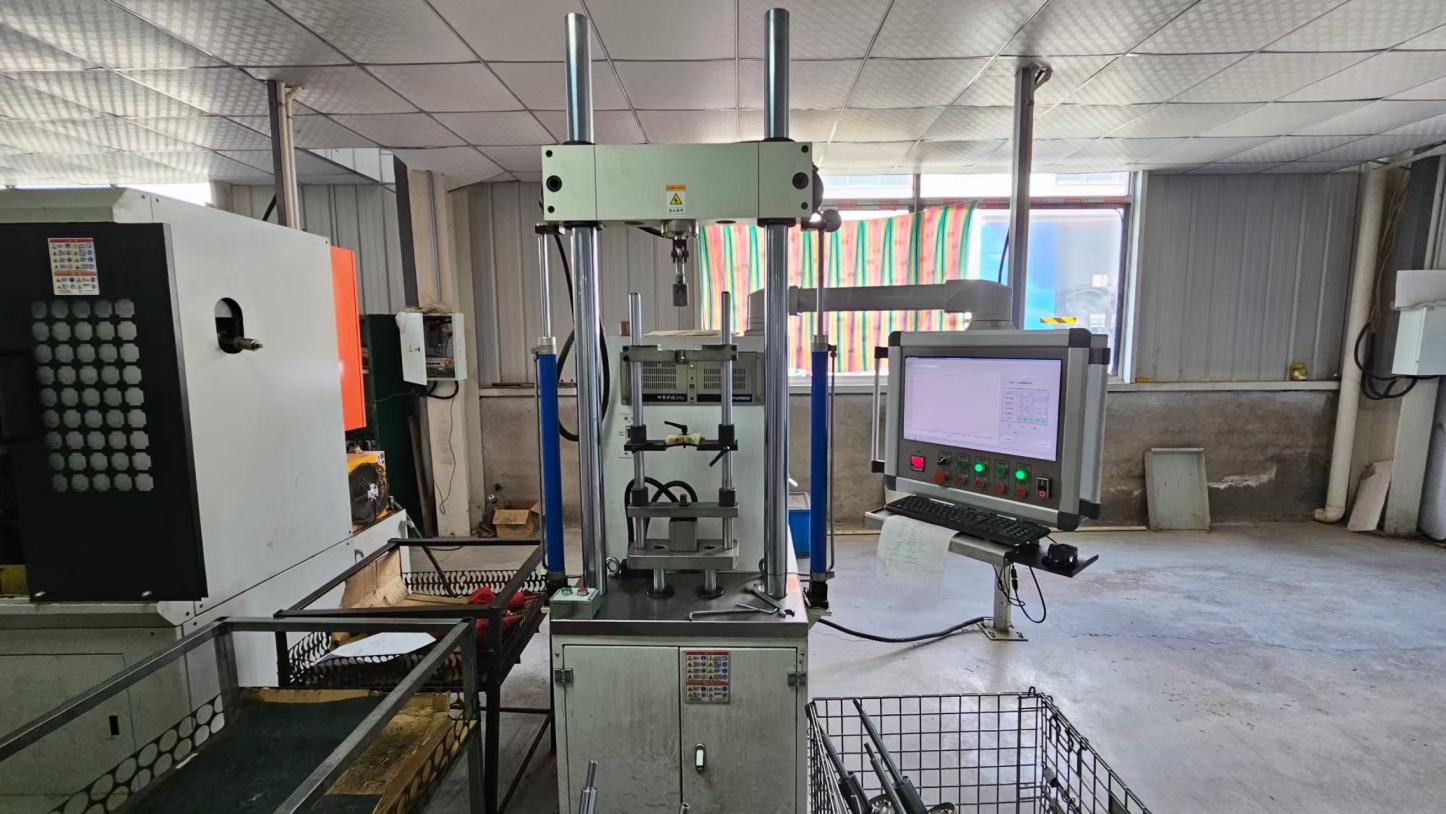
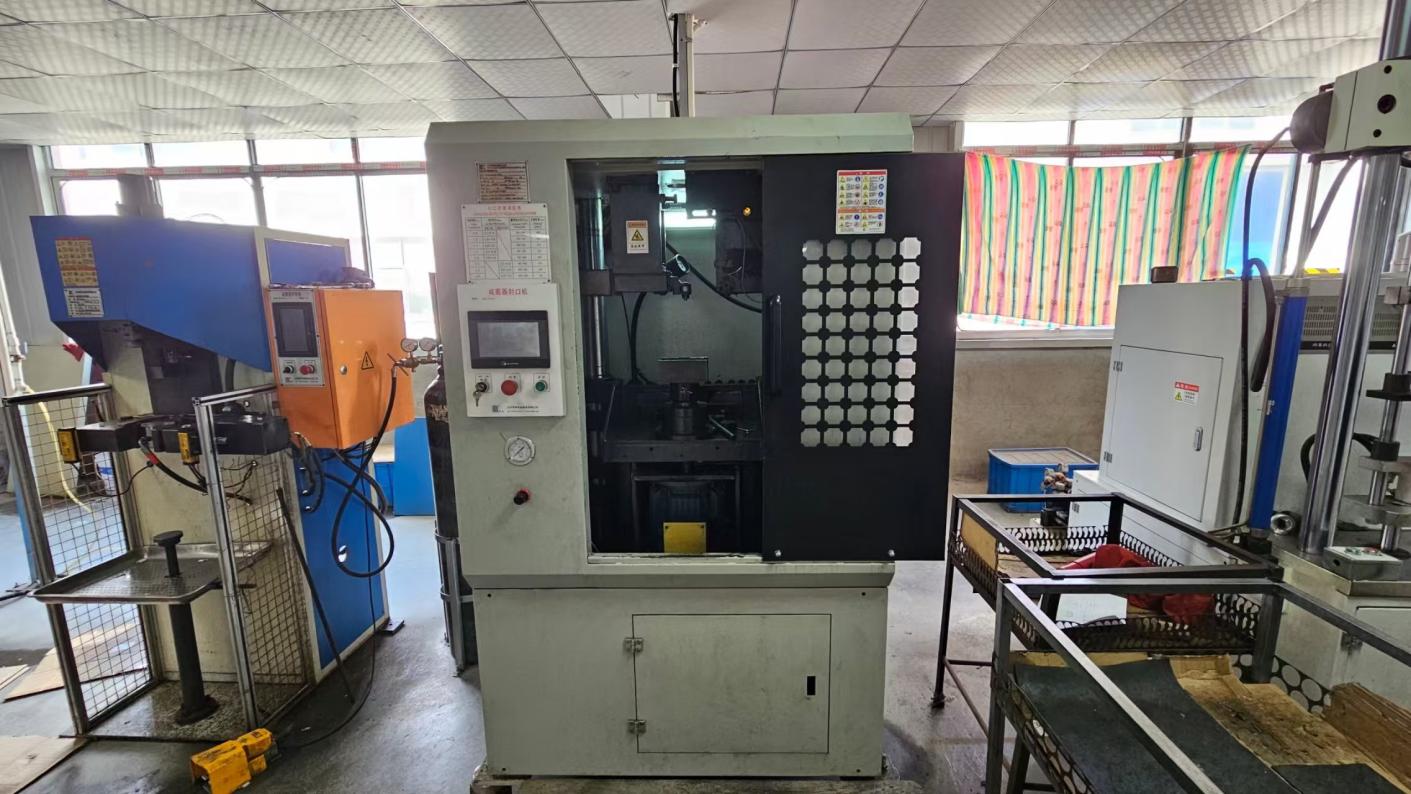
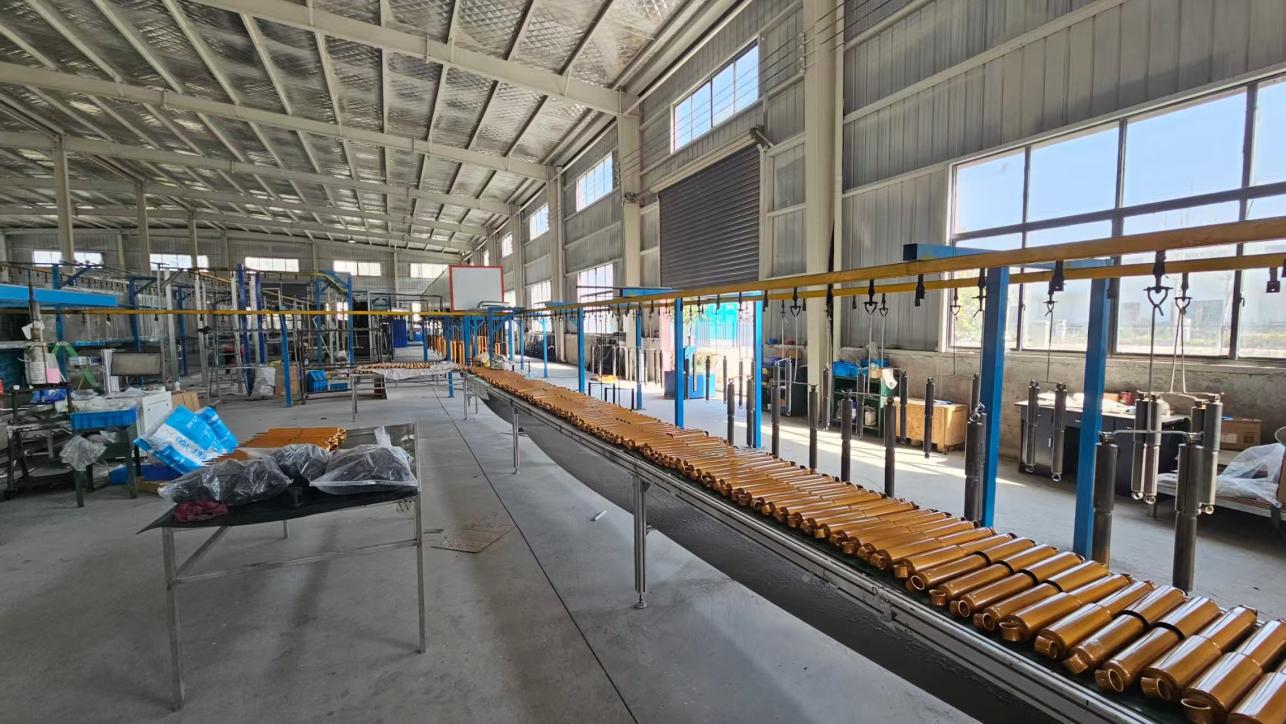
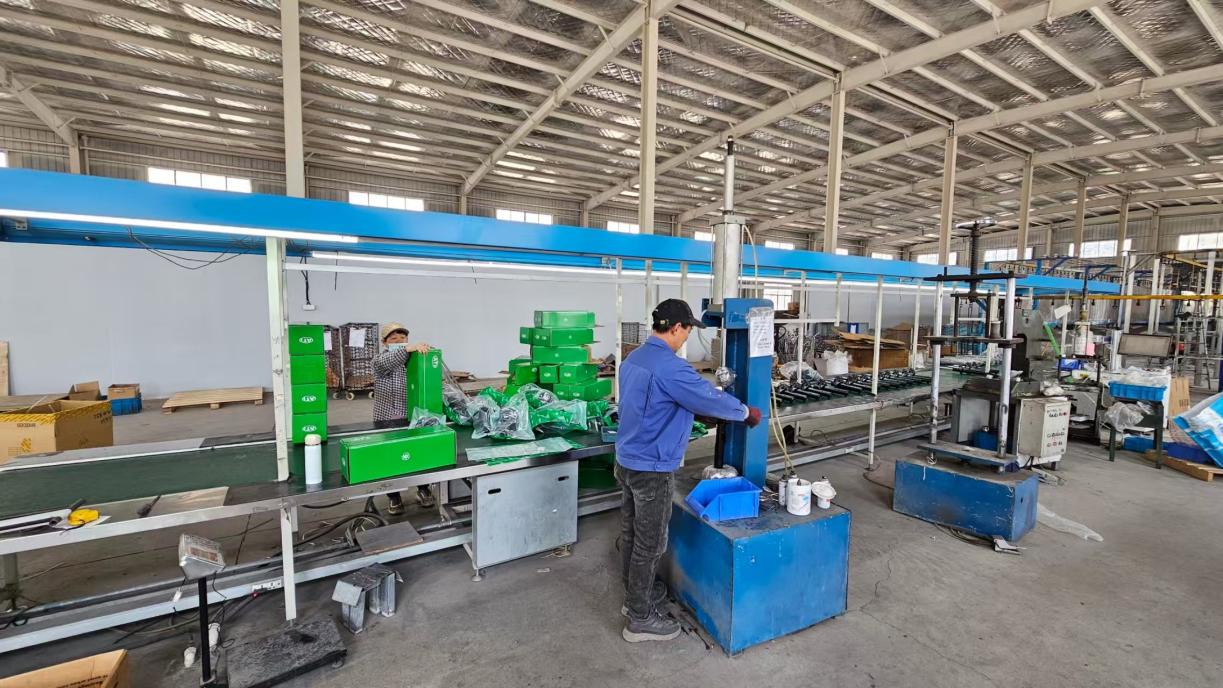
Tailored hydraulic and pneumatic brake regulation for specific regional climates, terrains, and regulatory systems.
For transcontinental heavy hauling across the US and Canada, compliance with FMVSS 121 is mandatory. Our adjustable brake systems are engineered to withstand road chemical exposure and extreme sub-zero operation. Precision-tuned dual-chamber air brake modulators guarantee trailer synchronization, limiting dynamic oversteer during sudden highway deceleration.
European markets require high integration between physical valves and Electronic Braking Systems (EBS). Our adjustable proportioning components support high-precision tolerance targets, enabling perfect system responses when matched with vehicle CAN-bus diagnostic frameworks, reducing deceleration response times to minimal levels.
Operating heavy-duty haulers in South America’s high-altitude mining networks or the Middle East’s high-temperature, sand-swept logistics routes demands robust sealing solutions. By utilizing custom HNBR and Viton fluoropolymer seals in our proportioning units, we eliminate leak risks, keeping brake force curves reliable under intense heat cycles.
How Shandong WAS Auto is engineering the future of smart, digitized, and eco-friendly vehicle braking control systems.
We are actively refining our casting and machining processes to minimize our carbon footprint. By adopting low-emission heat-treating equipment and switching to 100% heavy-metal-free friction formulations, we are preparing our global partners for upcoming environmental regulations.
With electric trucks reshaping heavy cargo logistics, we are developing next-generation hybrid electronic-mechanical valves. These units receive signals from regenerative braking modules, balancing motor-driven torque reduction and physical disc brakes to optimize energy recovery.
We are integrating digital pressure-differential sensors directly into our valve bodies. This enables fleet managers to track sealing health and calibration drift in real time, shifting maintenance models from reactive repairs to predictive schedules.
Answering crucial design, installation, and troubleshooting queries for vehicle service techs and system engineers.
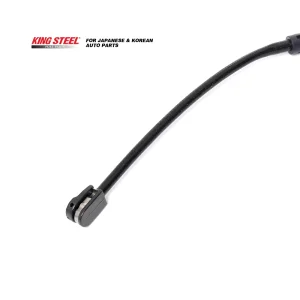
Complete your vehicle assembly and shop equipment setups with our performance-tested auxiliary modules, wear sensors, and hydraulic hardware.