WAS Auto
WAS Auto
WAS Auto
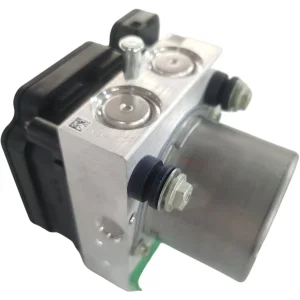
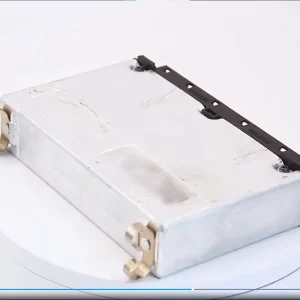
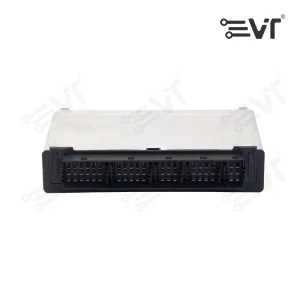
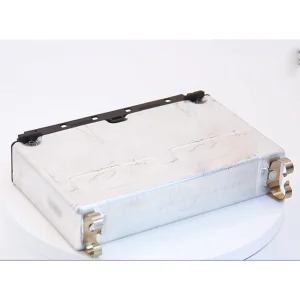
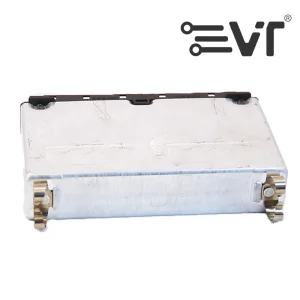
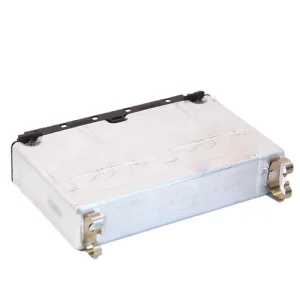
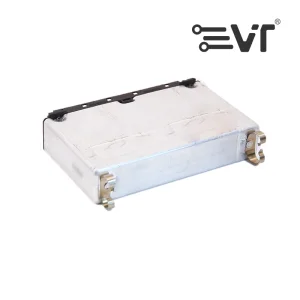
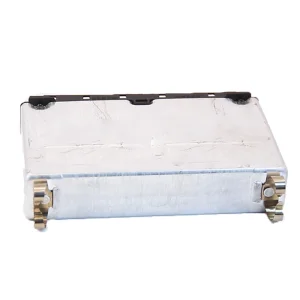
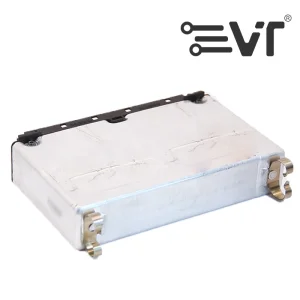
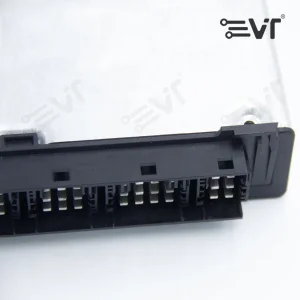
The global Anti-lock Braking System (ABS) control module market is undergoing a significant transformation. As vehicle safety regulations tighten globally—from Europe's ECE R13 standards to North America's FMVSS 121—the ABS control module has evolved from a luxury feature to a fundamental safety requirement for every vehicle. In the modern commercial vehicle sector, especially for heavy-duty trucks like the Mercedes-Benz Actros series, the ABS module acts as the "brain" of the braking system, integrating complex electronics with hydraulic or pneumatic hardware to prevent wheel lockup during emergency braking.
Modern modules now integrate with Electronic Stability Control (ESC) and Autonomous Emergency Braking (AEB) systems.
With the rise of electric vehicles, ABS modules are being redesigned to handle regenerative braking compatibility.
Advanced modules now transmit real-time diagnostic data to fleet managers to predict maintenance needs.
Current industry trends indicate a shift towards the ABS 8.1 standard, which offers faster processing speeds and lighter weight compared to older generations. Procurement officers worldwide are increasingly looking for suppliers who can provide not just "off-the-shelf" parts, but localized solutions that can withstand extreme environments—from the scorching deserts of the Middle East to the freezing winters of Northern Europe.
Global procurement needs have shifted from purely price-based decisions to a focus on TCO (Total Cost of Ownership). This involves evaluating the durability, sensor accuracy, and electronic shielding of the ABS control module. For high-performance racing and commercial logistics, the demand for "Zero-Failure" components is higher than ever.
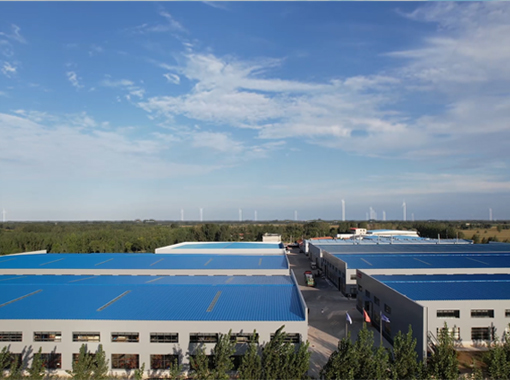
Shandong WAS Auto Co., Ltd. was established in 2014, specializing in the manufacturing of high-quality automotive brake components, including brake pads, brake discs, and brake shoes for all types of passenger vehicles. Over the years, WAS Auto has developed a variety of advanced brake pad formulations, including ceramic, semi-metallic, carbon-ceramic, and NAO (non-asbestos organic). Our products are known for their excellent high-temperature resistance, outstanding wear resistance, low noise, minimal dust, and consistent quality, ensuring reliable braking performance in all driving conditions.
Our facility is equipped with 80 hot pressing machines and 5 automated spraying lines, all integrated into a fully automated production system. This infrastructure allows us to maintain strict quality control and optimize production efficiency, ensuring that every ABS-related component meets the highest global standards.
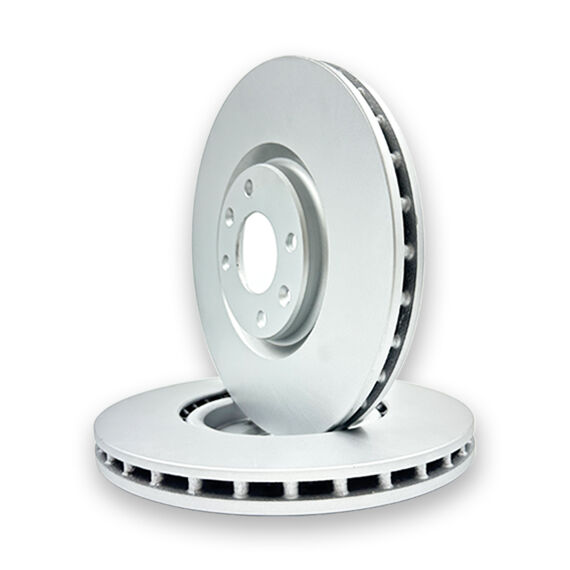
At WAS Auto, we are driven by our mission of "Safety, Innovation, and Sustainability." We focus not only on product quality but also on environmental responsibility. Our R&D team works closely with international institutions to explore new materials for ABS sensors and control unit housings, ensuring they are resistant to electromagnetic interference (EMI) and harsh road chemicals.
We actively adopt green manufacturing practices to reduce energy consumption and emissions, contributing to a more sustainable future for the global automotive supply chain. Every ABS control module for Mercedes, Benz Trucks, or Saic Maxus is a testament to our commitment to precision engineering.
Engineered to perform in extreme thermal environments without signal degradation.
Advanced dampening technology to ensure smooth hydraulic actuation.
Automated precision grinding for perfect sensor alignment and module fitment.
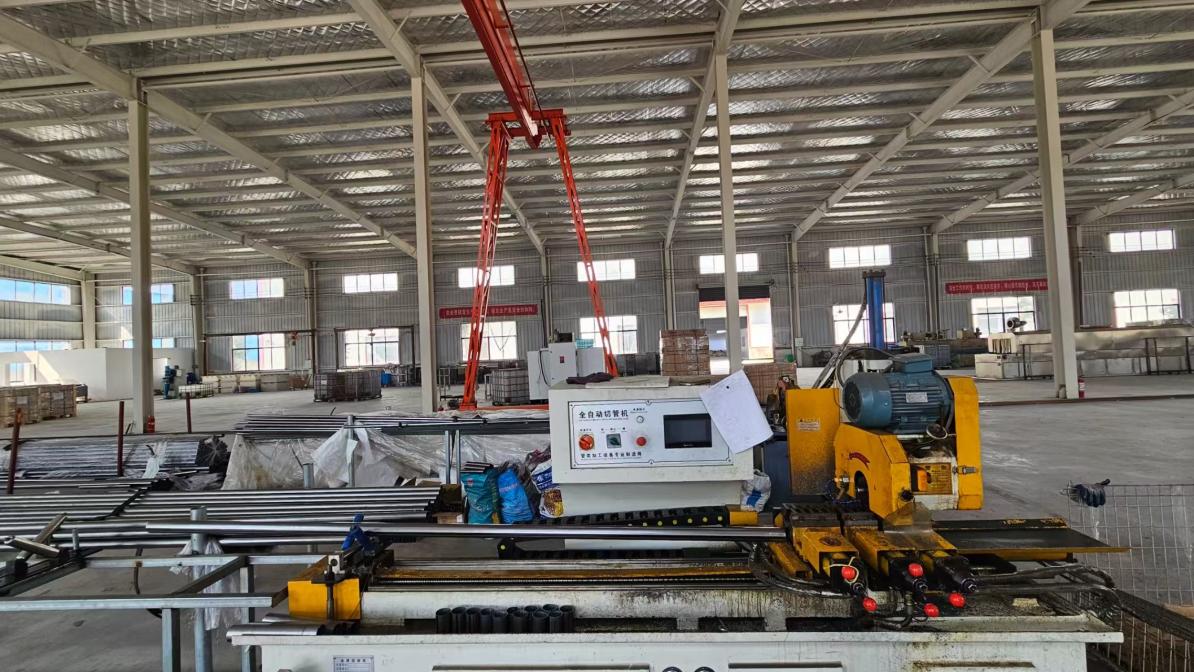
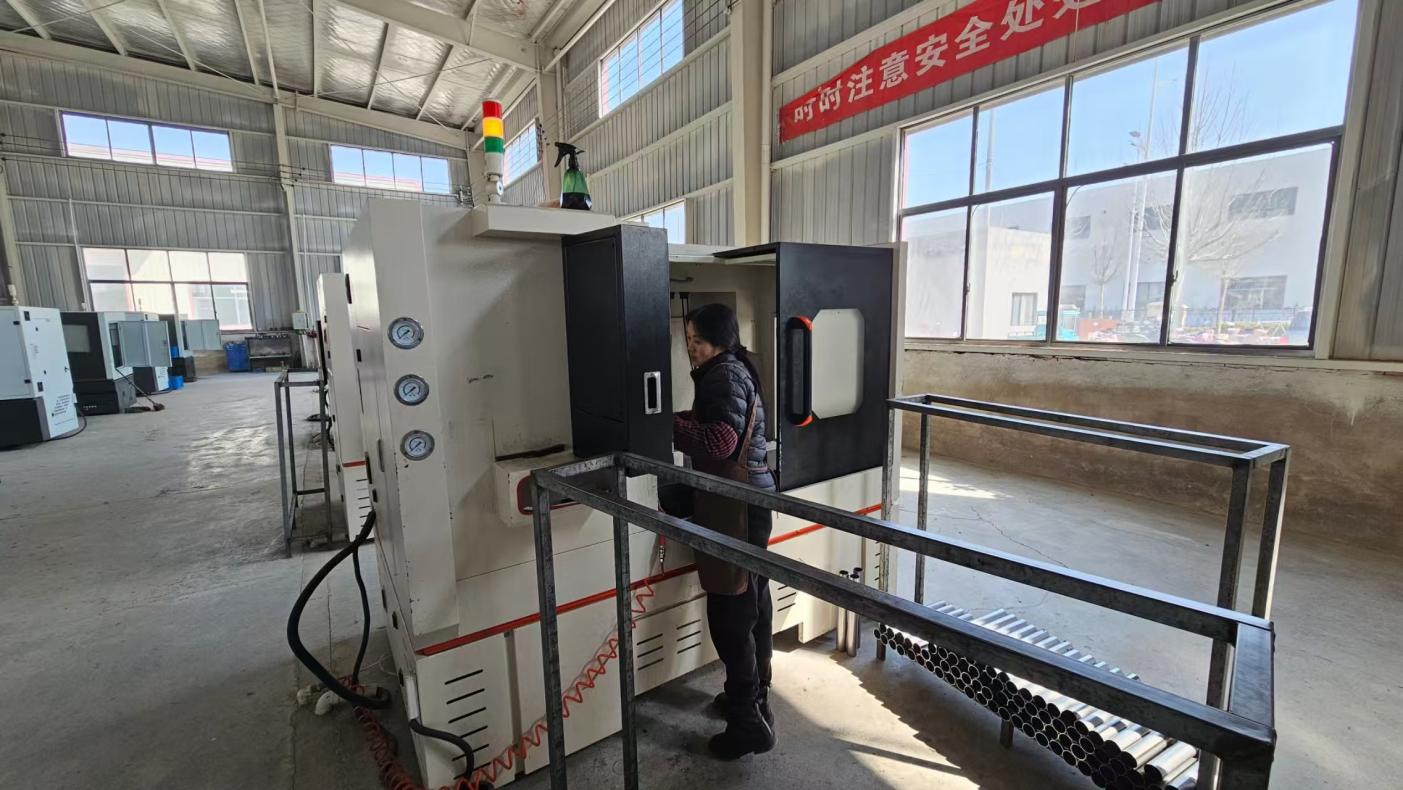
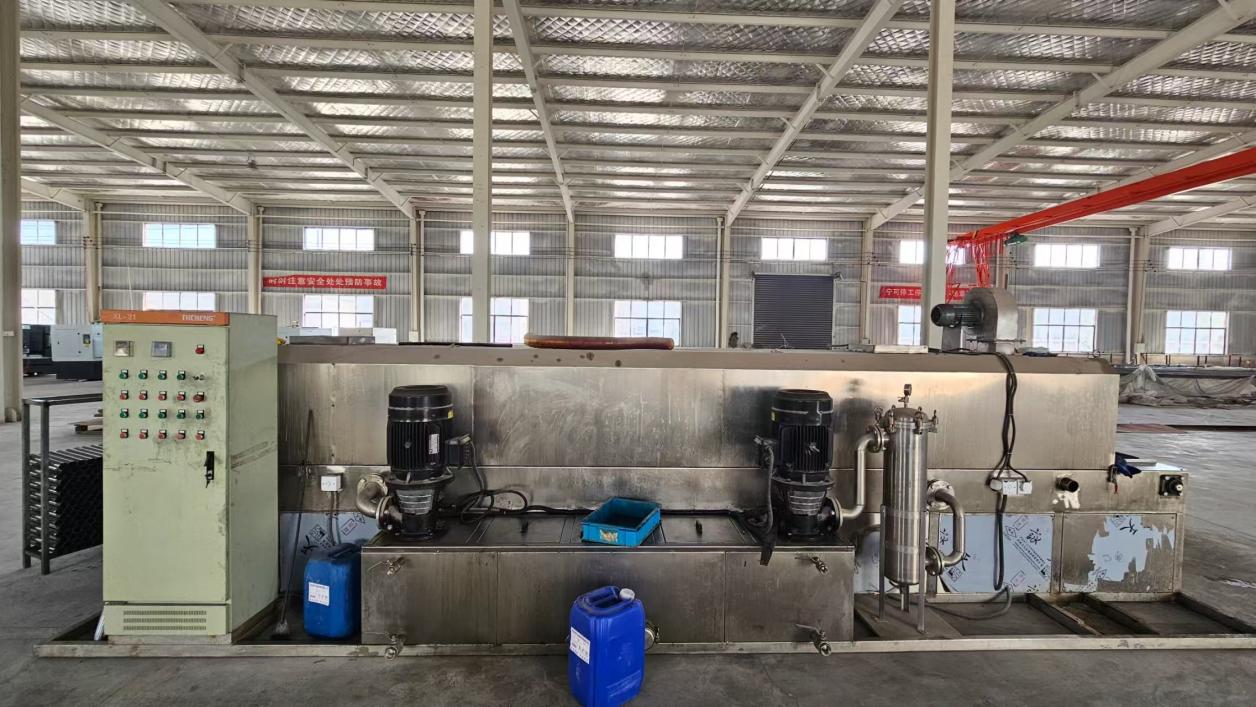
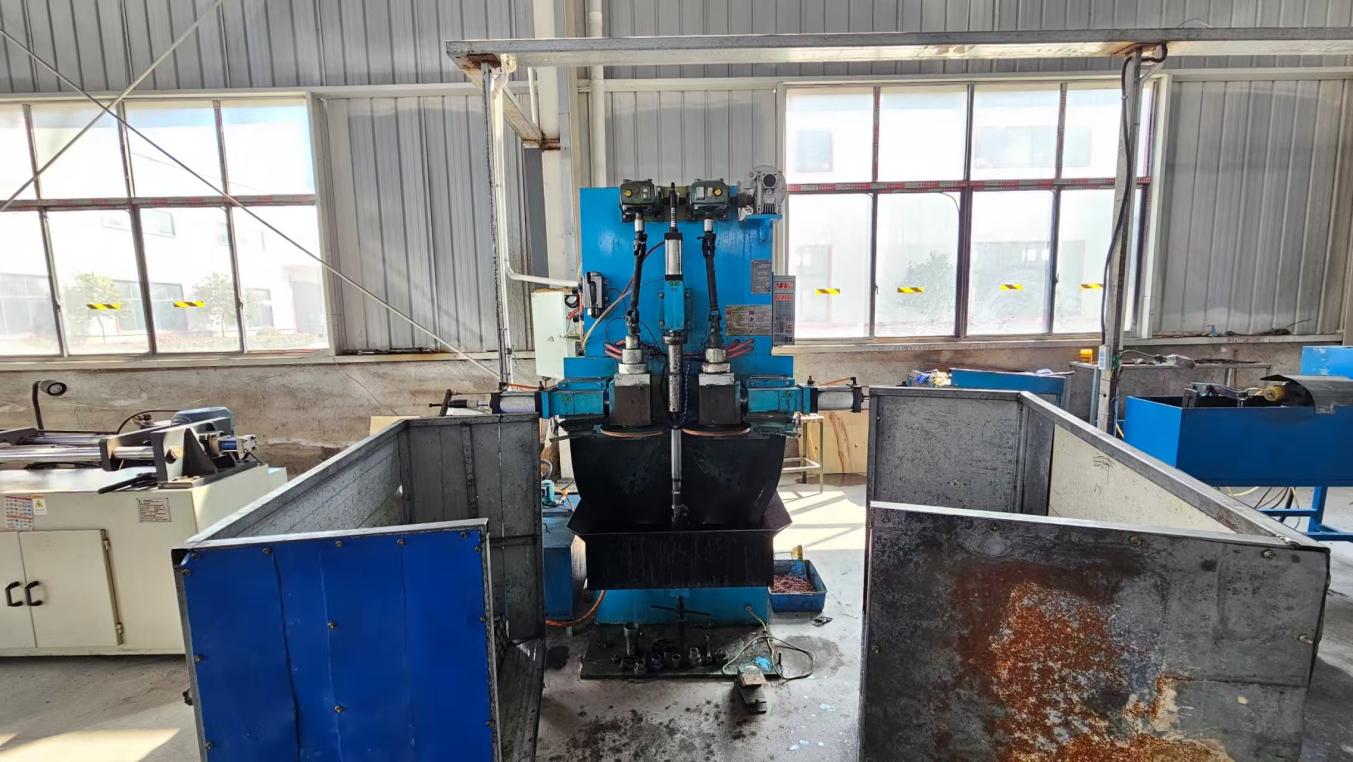
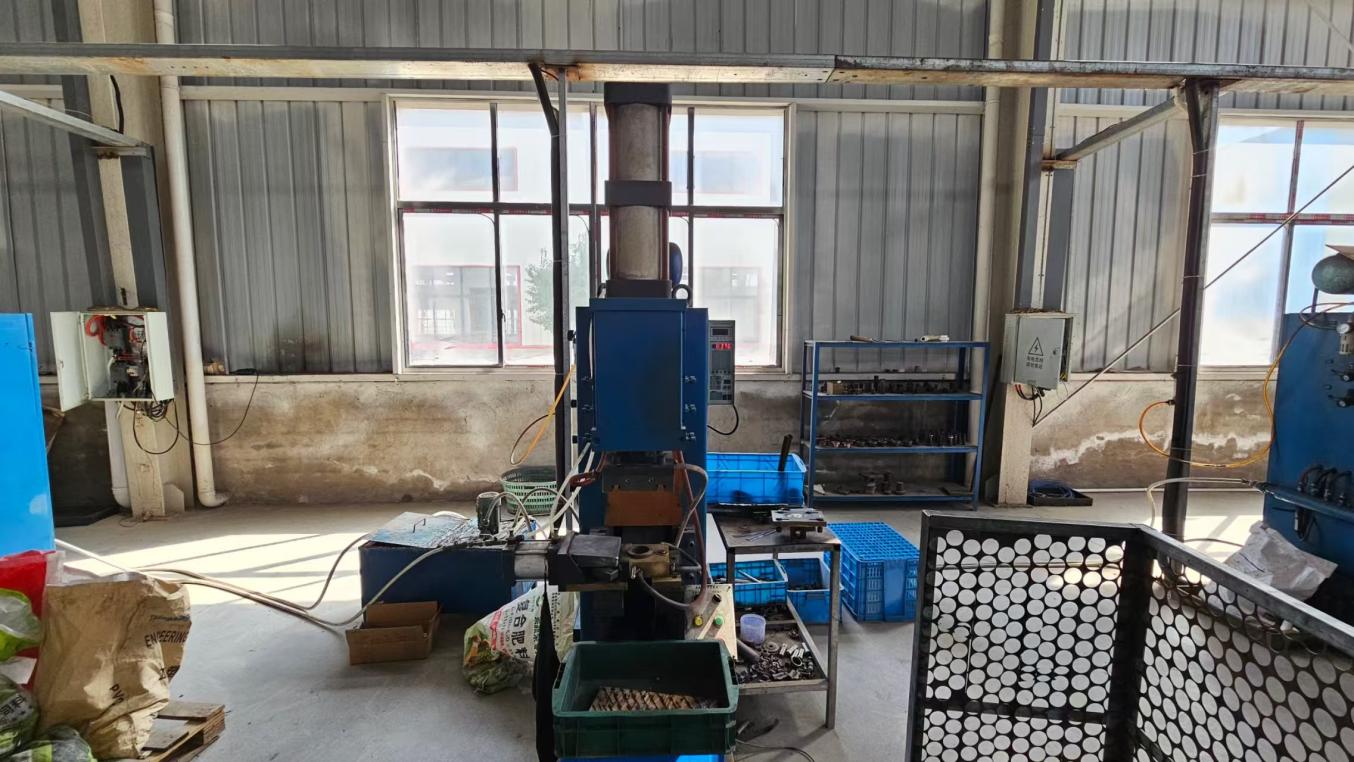
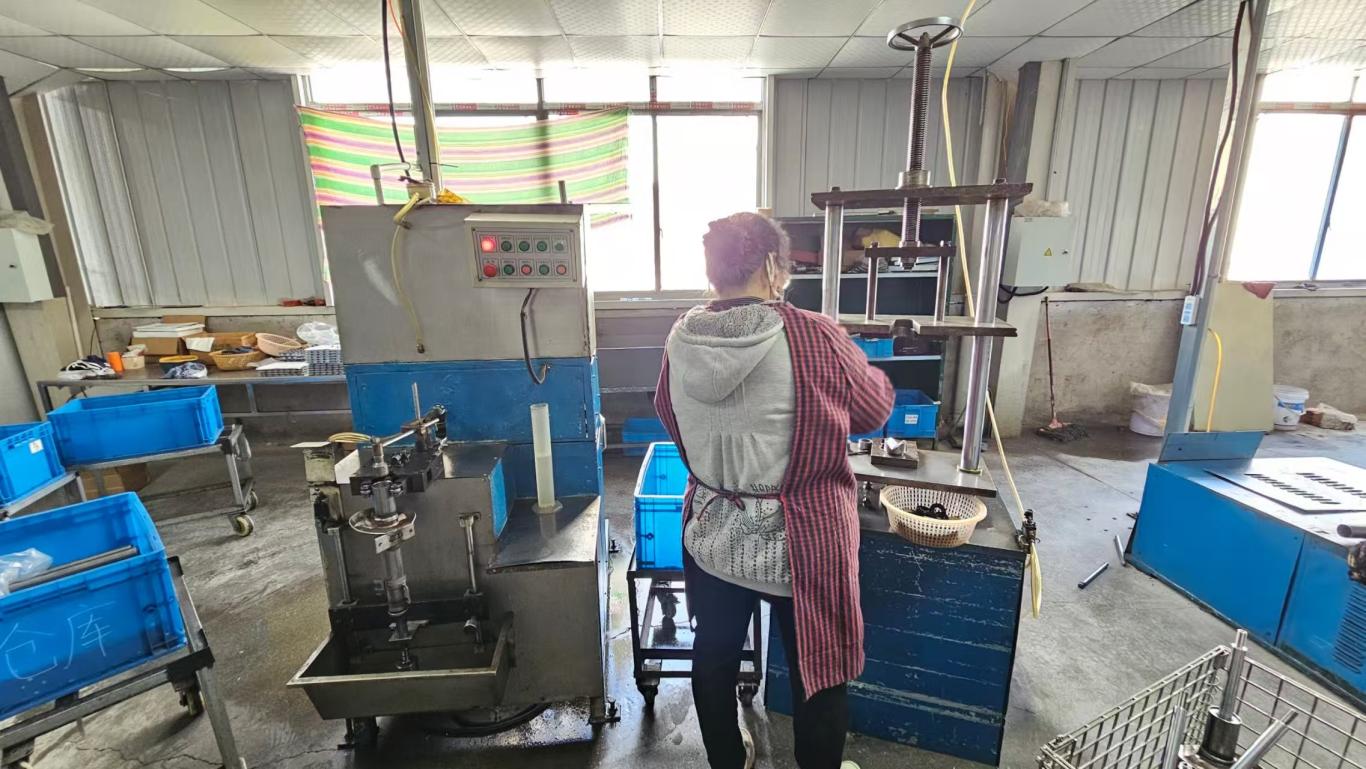
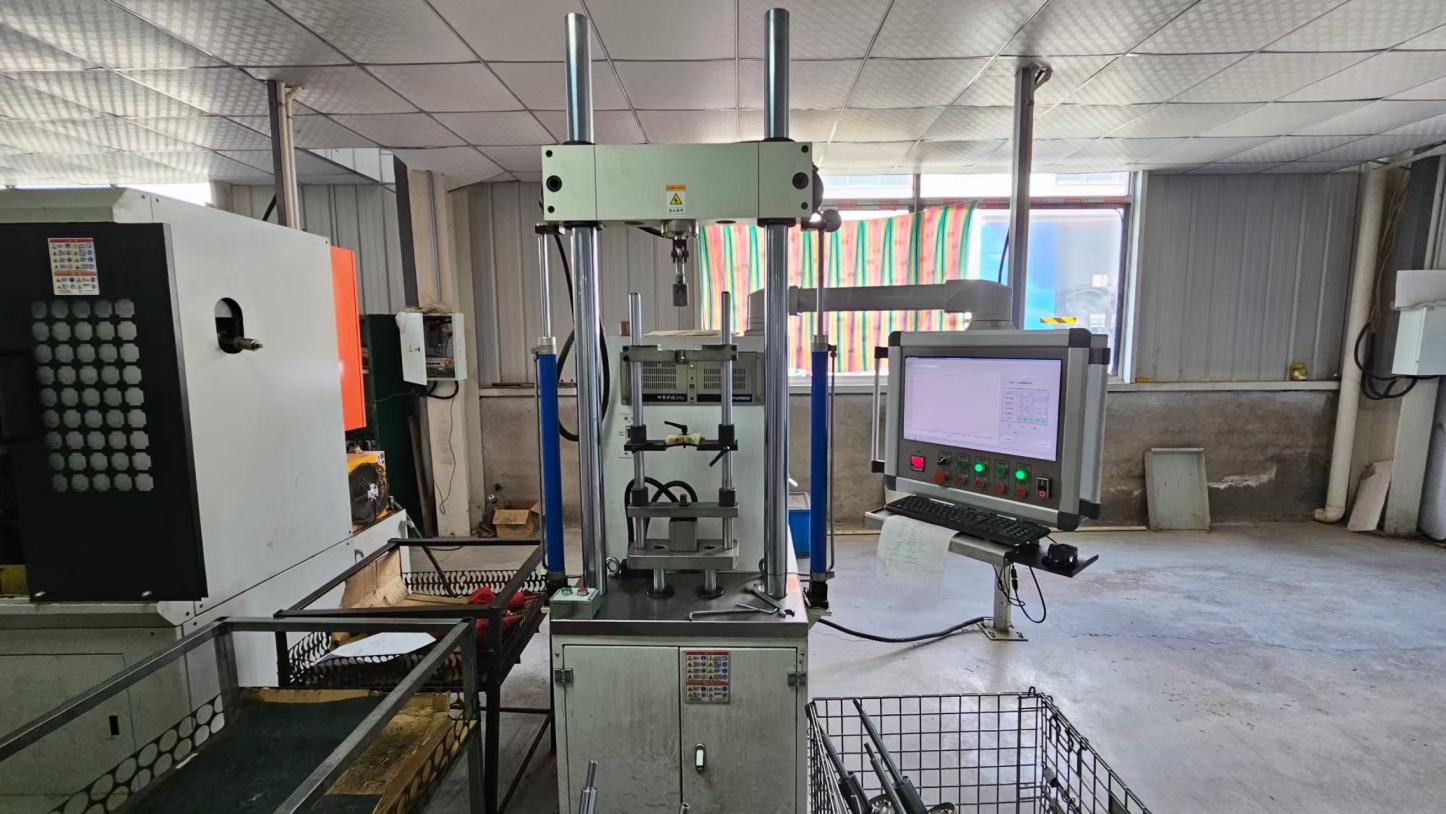
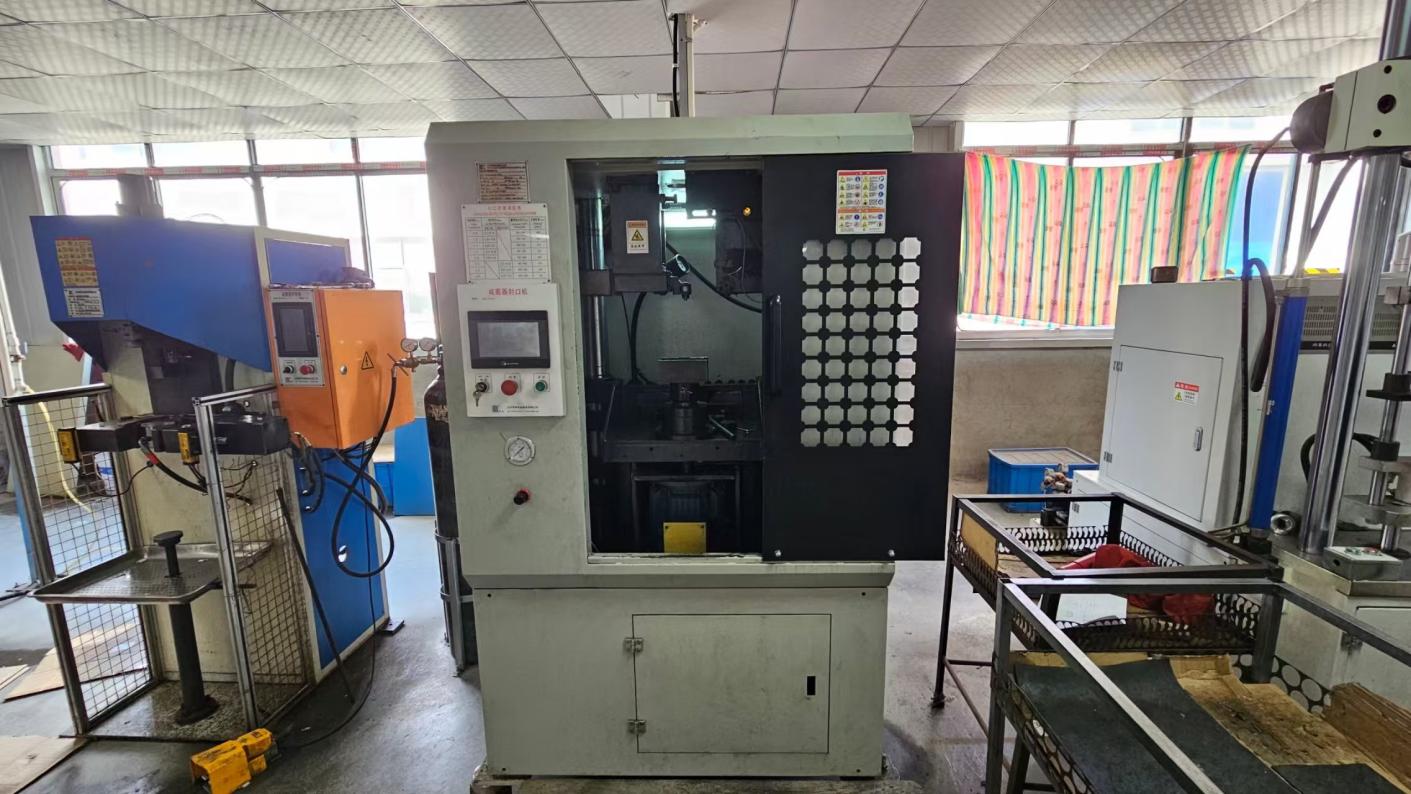
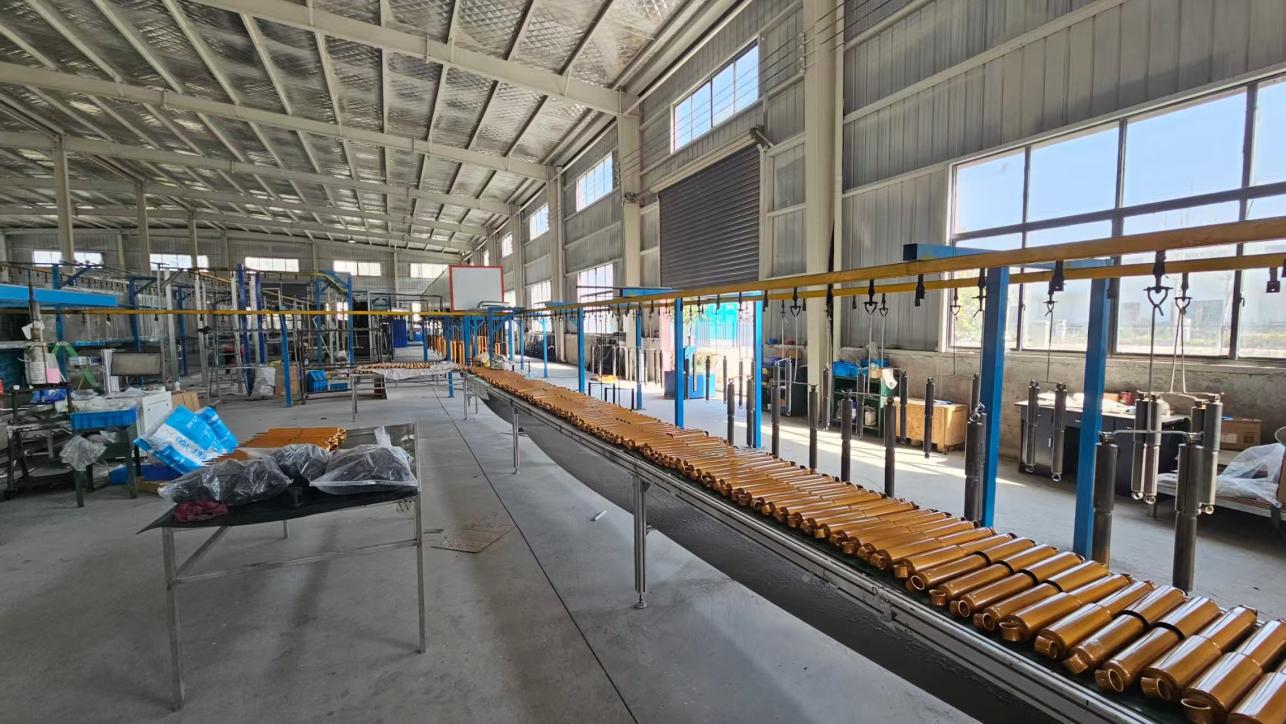
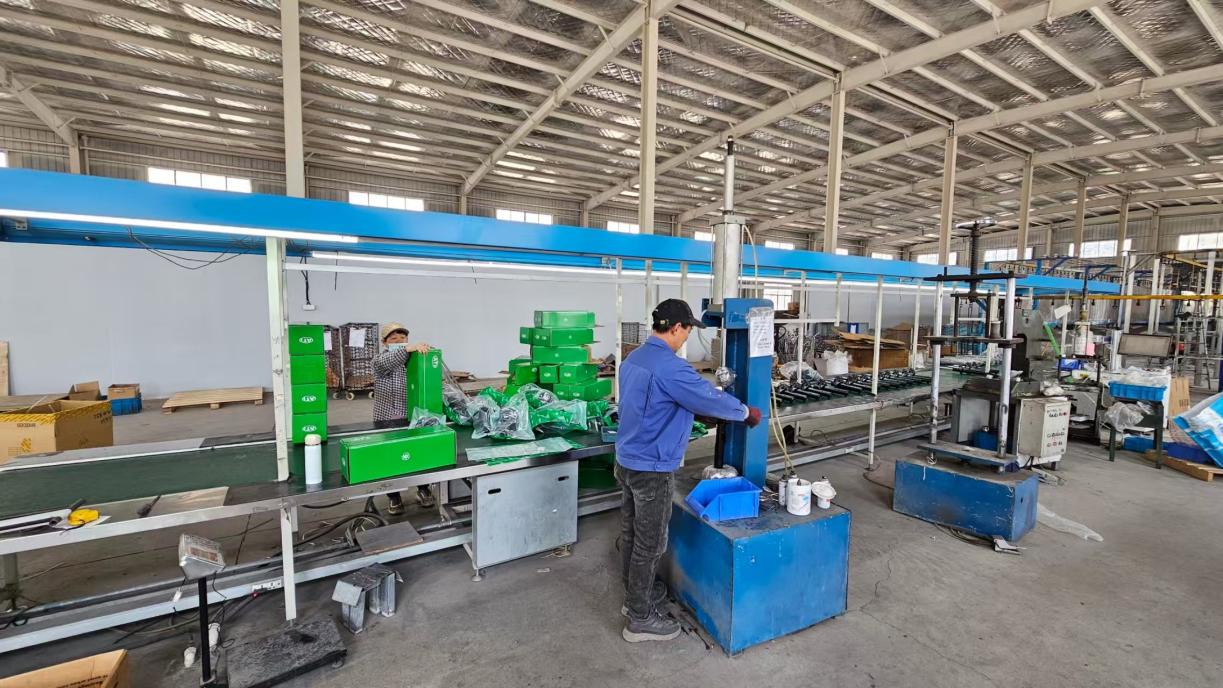
Choosing a Chinese factory like Shandong WAS Auto offers a unique competitive edge. Our ability to blend cost-efficiency with high-tech automation means global distributors can access OEM-quality parts at a fraction of the cost found in traditional European or North American markets. We don't just export products; we export 11 years of R&D excellence and a commitment to global vehicle safety.
Our products have earned trust in North America, South America, East Asia, and the Middle East. Whether it's a customized ABS 8.1 module for a heavy-duty Mercedes truck or a precision brake pad sensor for a passenger vehicle, we ensure that every unit leaving our factory is tested to survive the most demanding driving conditions.
Looking Ahead: We will continue to improve our technology, focusing on smart braking and sustainability, contributing to the next generation of safe, green, and efficient global transportation.