WAS Auto WAS Auto

How to Upgrade Brakes for Towing or Hauling Your Vehicle?

Time:2026-07-01 Author:Madeline
0%

Towing or hauling heavy loads puts significant strain on your vehicle's brakes. Upgrading your braking system is essential for safety and performance. According to a report by the National Highway Traffic Safety Administration (NHTSA), 23% of towing accidents are due to brake failure. Such statistics underscore the importance of understanding how to upgrade brakes for towing or hauling.

Expert mechanic and towing specialist, John Maxwell, emphasizes, "Effective braking is non-negotiable when it comes to towing." This statement highlights the need for rigorous attention to brake enhancements. Upgraded brakes improve overall control and reduce stopping distances—a vital factor when dealing with heavy trailers or loads.

Choosing the right components can be challenging. Options include high-performance pads, rotors, and larger calipers. Each choice affects functionality and reliability. It’s easy to overlook the complexities involved in these upgrades. Investing in quality brakes can prevent future issues and ensure a smoother experience on the road.
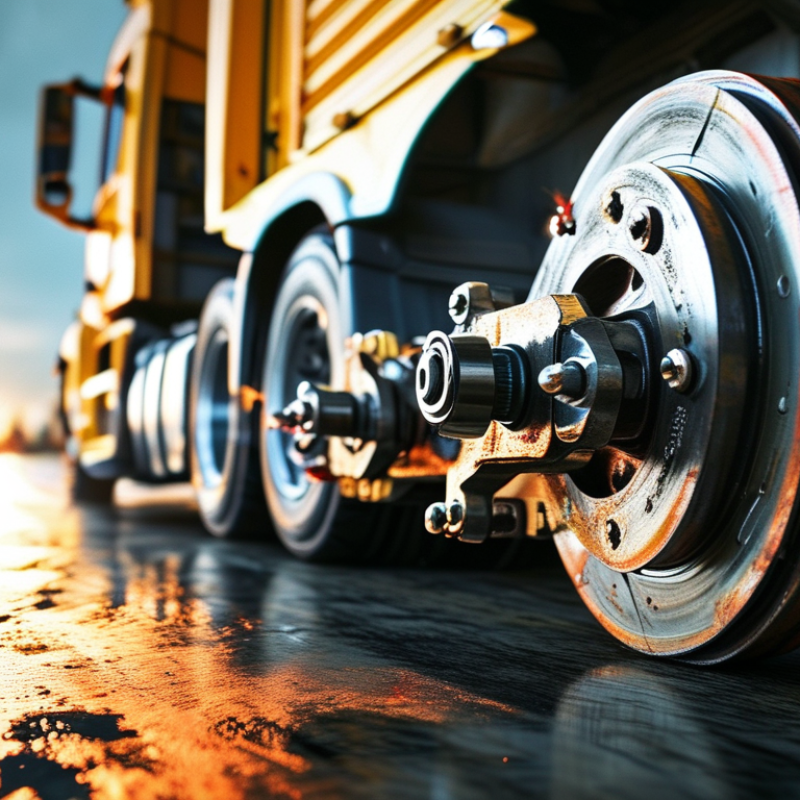
How to Upgrade Brakes for Towing or Hauling Your Vehicle?

Importance of Upgrading Brakes for Towing and Hauling Vehicles

Upgrading brakes for towing or hauling is essential for safety. When you tow a heavy load, your vehicle's braking system is put to the test. Standard brakes may not handle the increased weight and stopping distance effectively. This can lead to dangerous situations. Proper brakes help maintain control, especially on steep inclines or during sudden stops.

Investing in higher quality brake components can greatly improve your vehicle's performance. Upgraded rotors and pads designed for heavy-duty use offer better heat dissipation and stopping power. Moreover, larger brake calipers can accommodate the extra pressure. However, some may overlook this need until an incident occurs.

It's crucial to assess your braking system. Neglecting upgrades may result in premature brake wear or failure. Beyond components, consider the brake fluid and lines as well. Regular maintenance is just as important. Reflecting on your equipment prevents accidents and promotes safer towing experiences.

How to Upgrade Brakes for Towing or Hauling Your Vehicle? - Importance of Upgrading Brakes for Towing and Hauling Vehicles

Brake Type Advantages Disadvantages Best Use Case
Disc Brakes Better heat dissipation, improved stopping power Higher cost, heavier weight Heavy towing, performance applications
Drum Brakes Cost-effective, easier maintenance Inferior heat dissipation, less stopping power Light to moderate towing
Upgraded Brake Pads Enhanced friction, optimized for towing May cause more dust and noise Heavy-duty towing and performance
Big Brake Kits Superior stopping power, reduced brake fade Expensive, may require wheel modification Extreme towing, racing applications

Understanding the Types of Brake Systems Suitable for Towing

When considering how to upgrade brakes for towing, it's essential to understand the types of brake systems available. The two main types are hydraulic and electric brakes. Hydraulic brakes are generally used in heavier trailers. They offer robust stopping power. These systems are activated by the tow vehicle’s brake system. As a result, they provide a more seamless braking experience.

On the other hand, electric brakes are quite popular. They are easier to install and maintain. These systems use an electric actuator to apply the brakes. Many drivers prefer them for their quick response. However, understanding the weight and load capacity of your vehicle is critical. If the upgrade isn’t compatible, it can lead to performance issues.

Choosing the right brake system requires research and experience. It's important to review vehicle specifications. Not all vehicles can handle the same upgrade. A common oversight is underestimating the tow load. This can result in safety concerns. Regular maintenance will also ensure your brakes perform optimally while towing. Always assess both options, considering your specific towing needs.

Key Performance Indicators for Brake Components in Towing Scenarios

When towing or hauling vehicles, it's essential to understand the key performance indicators of brake components. Effective braking directly influences safety and control. Disc brakes often outperform drum brakes under heavy loads. Their ability to dissipate heat reduces the risk of brake fade. This is particularly critical when navigating downhill slopes or steep inclines.

Payload capacity is another vital factor. Tow vehicles should have brakes that can handle the weight being towed. A heavy load demands more force during braking. Inspecting brake pads and rotors before long journeys helps identify any wear that could compromise safety. Additionally, brake responsiveness should be evaluated. If the brake pedal feels spongy or unresponsive, it can indicate air in the hydraulic system. This requires immediate attention.

Choosing the right brake fluid is not always straightforward. Dot 3 and Dot 4 fluids have distinct boiling points. Higher temperatures can indicate a need for better fluids. Regular maintenance checks are crucial. They ensure that all components are functioning optimally. Reflecting on these aspects can prevent unexpected issues on the road. Remember, proper brakes are your first line of defense when towing.

Recommended Brake Upgrades: Pads, Rotors, and Calipers Specifications

When upgrading brakes for towing or hauling, focus on the specifics of pads, rotors, and calipers. Choosing the right brake pads is crucial. Look for heavy-duty options that can withstand increased heat and friction. Semi-metallic pads often perform well under load. They provide better stopping power and longevity compared to standard pads.

Rotors also play a vital role. Opt for larger, vented rotors for enhanced cooling. This design helps prevent brake fade during long hauls. Additionally, slotted rotors can improve performance by allowing gases and dust to escape. However, there may be a trade-off in terms of noise and wear on pads.

Calipers should not be overlooked. Upgrading to multi-piston calipers can provide more consistent force and improved response. However, be aware that installing these may require modifying the mounting brackets. Always check compatibility with your vehicle to avoid potential issues.

Make sure to consult a professional if you're unsure about the specifications. Proper installation is just as important as the components themselves. Each vehicle has unique needs, and what works for one may not work for another.

Maintenance Best Practices for Enhanced Towing Brake Performance

Upgrading brakes for towing requires a focus on maintenance best practices. Proper maintenance directly impacts towing brake performance. According to a recent industry report from the National Highway Traffic Safety Administration, nearly 20% of towing accidents stem from brake issues. Regular inspections can help identify problems early.

Ensure your brake fluid is at optimal levels. Low fluid can compromise braking efficiency, especially when towing heavier loads. It's advisable to change brake fluid every two years to maintain performance. The American Society of Civil Engineers recommends using high-quality components to enhance reliability. Worn brake pads or contaminated rotors can lead to overheating, which diminishes brake effectiveness.

Check your brake lines for leaks. A small leak can lead to significant issues down the line. Consider using a brake temperature monitoring system. This tool helps identify hot spots that indicate potential failures. Remember, even minor issues can escalate under heavy loads. Reflecting on these factors can lead to safer towing experiences.

FAQS

: What are the two main types of brake systems for towing?

: The two main types are hydraulic and electric brakes. Hydraulic brakes are for heavier trailers, while electric brakes are easier to install.

How do hydraulic brakes function?

Hydraulic brakes are activated by the tow vehicle's system. They provide robust stopping power and a seamless experience.

Why are electric brakes popular among drivers?

Electric brakes are favored for their quick response and easy installation. Many find them simpler to maintain.

What is a common mistake when upgrading brakes?

Underestimating the tow load is a common oversight. This can lead to serious safety concerns during towing.

How often should brake fluid be changed?

It's advisable to change brake fluid every two years. Low fluid levels can compromise braking efficiency, especially with heavy loads.

What maintenance practice can enhance brake reliability?

Regular inspections are crucial. This helps in identifying issues early and prevents potential brake failures.

Are there tools to monitor brake performance?

Yes, using a brake temperature monitoring system helps identify hot spots. This indicates potential failures before they escalate.

What can happen if brake pads are worn?

Worn brake pads can lead to overheating and diminished effectiveness. Regular checks can prevent this issue.

How can leaks affect braking?

Even a small leak in the brake lines can lead to significant issues. It's essential to check lines regularly for signs of leakage.

What should be considered for safe towing?

Regular maintenance and assessing brake systems are vital. Reflect on these factors for a safer towing experience.

Conclusion

Upgrading your vehicle's braking system is crucial when it comes to towing or hauling, as it significantly enhances safety and performance. This article discusses how to upgrade brakes for towing or hauling by first emphasizing the importance of having a robust braking system tailored for these heavy-duty tasks. It explores the different types of brake systems that are specifically designed to support the additional weight and stress involved in towing, ensuring optimal functionality.

Furthermore, the article outlines key performance indicators essential for brake components in towing scenarios, guiding users on specifications for pads, rotors, and calipers that can withstand the demands of heavy loads. Additionally, it highlights maintenance best practices to ensure long-lasting brake performance, ensuring that your vehicle remains safe and efficient while towing or hauling.

Madeline

Madeline

Madeline is a dedicated marketing professional with a wealth of expertise in our company's core offerings. With a keen understanding of the industry, she brings a unique perspective to her role, consistently delivering high-quality content that highlights the superior aspects of our products. As......