WAS Auto
Encountering a stuck brake caliper can be frustrating. It disrupts your driving experience and can lead to safety issues. Understanding how to free a stuck brake caliper is essential for any vehicle owner. This process can save you time and money, while ensuring your brakes function correctly.
When brakes seize, they can cause uneven wear on your tires. This situation often arises from rust or debris. Knowing a few effective techniques can help. Some methods require basic tools, while others may involve more hands-on approaches. It’s crucial to assess the situation accurately before attempting any fixes.
Stay cautious while performing any maintenance. Always prioritize safety. Improper handling can worsen the issue. If unsure, consult a professional mechanic. Their expertise can provide a reliable solution. Remember, while DIY repairs can be cost-effective, sometimes seeking help is wiser.
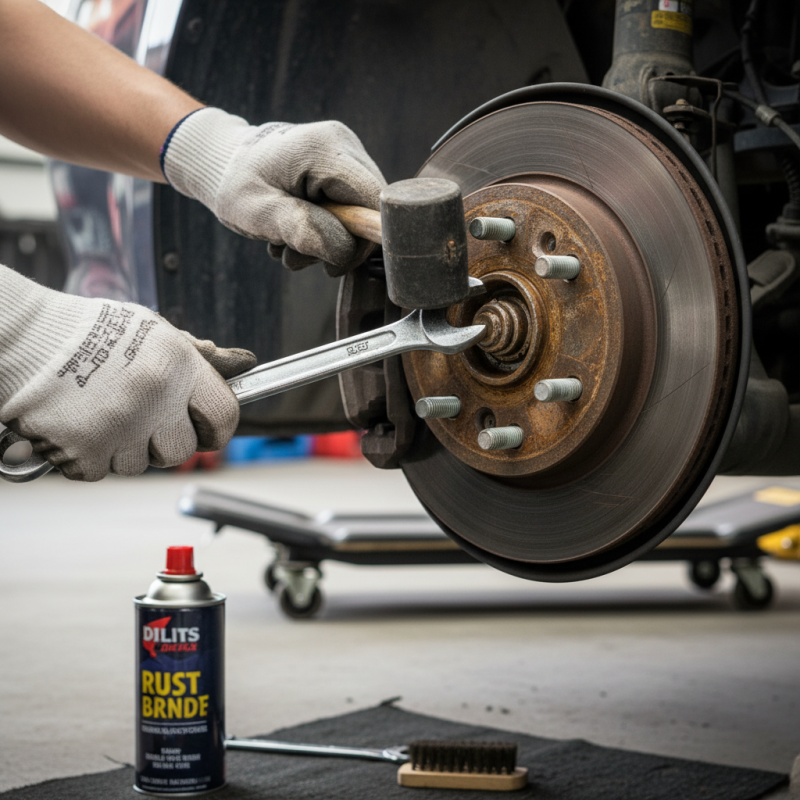
Brake calipers are essential components of your vehicle's braking system. They house the brake pads and apply pressure to the brake discs. A stuck brake caliper can cause uneven wear on your brake pads and lead to reduced braking efficiency. Understanding common caliper issues can help you address them promptly.
One frequent cause of a stuck brake caliper is rust or debris. Over time, these elements can build up, restricting movement. Regular cleaning and inspection can prevent this issue. Another common problem is a failed brake caliper piston, which can result from corrosion or contamination. Replacing the caliper may be necessary if this occurs.
Tips: Keep your brake components clean to prevent rust. Regularly inspect your braking system for wear and tear. If you notice any unusual noises or resistance when braking, take action early. Always consult a professional for complex issues. Some situations require a trained eye. A proactive approach can save you time and money.
A stuck brake caliper can endanger vehicle safety and efficiency. Identifying signs early can prevent expensive repairs. Drivers should watch for unusual symptoms. One key indicator is uneven brake wear. If one side of the brake pads wears down faster, it suggests the caliper may be malfunctioning. According to industry reports, over 30% of brake issues arise from caliper problems.
Another visible sign is a pulling sensation when braking. If the car drifts to one side, it often indicates that the caliper is not gripping evenly. Metal scraping sounds during braking is another red flag, often indicating that brake pads are excessively worn. This can lead to rotor damage, which can be costly to repair. The National Highway Traffic Safety Administration (NHTSA) notes that improper brake function accounts for approximately 25% of all vehicle accidents.
Drivers should also pay attention to their brake pedal feel. A soft or spongy pedal can signal a hydraulic issue, possibly linked to a stuck caliper. Regular inspection of brakes is crucial for safety. Lack of maintenance can lead to serious issues down the line. It’s essential to recognize these signs and address them proactively. This vigilance can keep drivers safe and reduce long-term vehicle costs.
| Method | Required Tools | Time Estimate | Effectiveness |
|---|---|---|---|
| Inspect and Clean | Brake cleaner, Rag | 30 mins | High |
| Lubricate Slider Pins | Grease, Wrench | 20 mins | Medium |
| Use a C-Clamp | C-Clamp | 15 mins | High |
| Heat the Caliper | Heat gun | 10 mins | Medium |
| Replace Brake Pads | New brake pads, Wrench | 1 hour | High |
| Check Brake Lines | Wrench | 25 mins | Medium |
| Re-seat Caliper | Wrench | 30 mins | High |
| Use Brake Fluid | Brake fluid | 15 mins | Medium |
| Seek Professional Help | N/A | Depending on shop | High |
| Replace Caliper | New caliper, Wrench | 1.5 hours | Very High |
A stuck brake caliper can cause serious issues while driving. It’s important to address the problem quickly and effectively. Start by safely lifting the vehicle on jack stands, ensuring it’s securely positioned. Remove the wheel to gain access to the brake components. Use a brake cleaner spray to clean the caliper area. This removes dirt and debris that might cause sticking.
Next, inspect the caliper and slide pins. Sometimes, rust or corrosion build-up can hinder movement. Apply penetrating oil on the affected areas. Allow it to soak in for a few minutes. After that, try to free the caliper gently by wriggling or tapping it with a rubber mallet. If it remains stuck, you might need to remove the caliper altogether. Be cautious during this process, ensuring not to damage any brake lines.
Installing new brake hardware can improve caliper performance. Monitor your brakes frequently. If problems persist, consider consulting a professional mechanic. They can provide insights into deeper issues that may not be visible at first glance. Reflect on the importance of regular brake maintenance to prevent such issues. Pay attention to your vehicle’s braking performance for a safe driving experience.
Brake calipers play a vital role in vehicle safety. Regular maintenance can help prevent problems. Start by inspecting the calipers for leaks or corrosion. Rust can hinder their performance. Keep the caliper slides lubricated with high-quality grease suitable for brake components. This ensures smooth movement and less wear over time.
Also, check the brake fluid regularly. Low fluid levels can indicate a problem. Replace the fluid as recommended. This can enhance braking efficiency. Look for signs of unusual noises when braking. Squeaks or grinding sounds may suggest caliper issues. Addressing these early can save costly repairs.
Periodically, remove the calipers for a thorough cleaning. Brake dust and debris can accumulate. This maintenance step can improve response times. Additionally, consider inspecting brake pads for uneven wear. This can signal more serious issues with the calipers. Regular attention is necessary, as ignoring these signs can lead to greater risks.
When dealing with a stuck brake caliper, recognizing when to seek professional help is crucial. If basic troubleshooting fails, it’s time to consult a mechanic. Persistent noise or vibration during braking indicates deeper issues. Don’t ignore these signs; they can lead to dangerous situations.
Tips for assessing brake calipers include checking fluid levels. Insufficient brake fluid can cause calipers to stick. Inspect for leaks around the brakes, which may suggest other problems. If you hear grinding noises, the pads could be worn out. Replacing them might not be a DIY task.
Don’t hesitate to reach out to a professional for complex issues. If the caliper remains stuck after attempted fixes, a technician can provide a thorough inspection. Sometimes, calipers become corroded or damaged beyond simple repair. Ignoring these factors may lead to costly repairs later on. Seeking expert help ensures your vehicle remains safe and reliable.
: Look for uneven brake wear and pulling sensations when braking. These can indicate caliper issues.
Early detection can prevent expensive repairs and improve vehicle safety.
A soft or spongy brake pedal can signal a hydraulic issue linked to a stuck caliper.
Use brake cleaner spray to remove dirt around the caliper. This helps prevent sticking.
If basic troubleshooting fails or if you hear grinding noises, consult a mechanic for deeper problems.
Ignoring signs can lead to severe damage and costly repairs later on.
Rust build-up can hinder caliper movement, leading to sticking and poor braking performance.
Yes, regular checks can prevent issues and promote safe driving, reducing long-term costs.
If tapping with a mallet doesn't work, you may need to remove the caliper and inspect it.
Applying penetrating oil can help. However, complex issues should be handled by a professional.
The article "Top 10 Ways to Free a Stuck Brake Caliper Easily" provides valuable insights into understanding brake calipers and the common issues that can lead to them getting stuck. It emphasizes identifying signs of a stuck brake caliper, such as unusual noises or uneven braking. The step-by-step guide offers practical methods on how to free a stuck brake caliper, allowing car owners to address the problem efficiently.
Additionally, the article stresses the importance of preventive maintenance tips for brake calipers to avoid future issues. Regular checks and proper care can significantly extend the lifespan of these components. Lastly, it advises on when to seek professional help, ensuring that car enthusiasts know their limits and can maintain their vehicle's safety effectively.
