 WAS Auto
WAS Auto
WAS Auto
Understanding "what causes uneven brake pad wear” is crucial for vehicle maintenance. Dr. Sarah Thompson, an automotive expert, emphasizes, “Ignoring brake pad wear can lead to significant safety issues.” Uneven wear can stem from various factors, including misalignment, improper installation, and differing pad materials.
Each of these causes can lead to inefficient braking and potential accidents. For example, a vehicle with misaligned wheels may exhibit rapid wear on one side. This reality highlights the importance of regular inspections and timely interventions. Drivers often overlook these details until it's too late.
It’s essential to consider these factors as a vehicle owner. Regular maintenance and awareness can prevent uneven wear. Investing time in understanding how you drive, the terrain, and brake quality is vital. Ultimately, addressing these issues head-on can enhance safety and extend brake life.
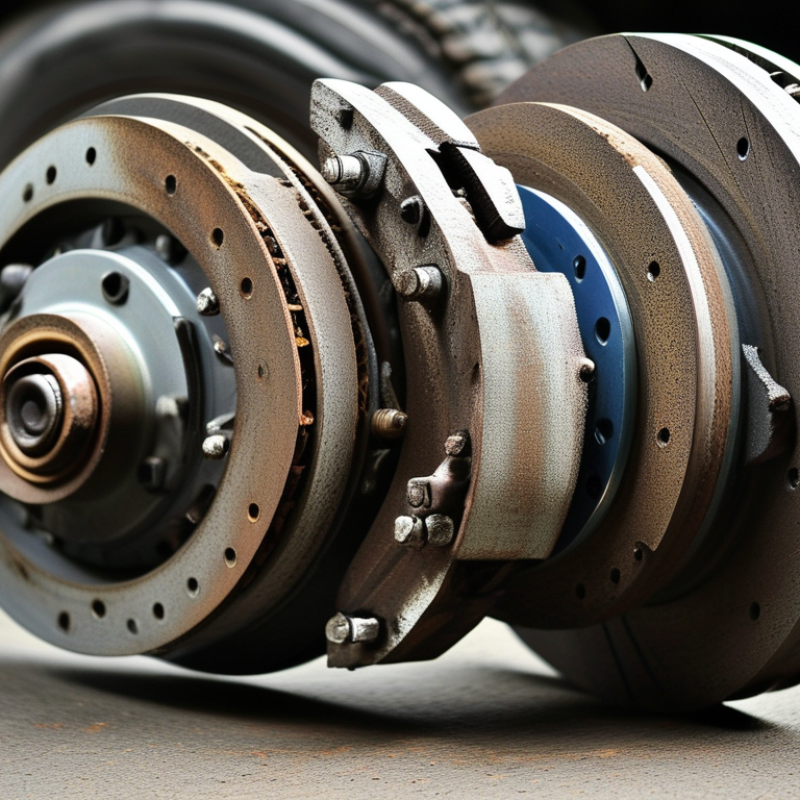
Uneven brake pad wear is a common issue that many vehicle owners face. Multiple factors contribute to this problem, and understanding them can help prevent costly repairs. One significant factor is improper alignment. When wheels are misaligned, it leads to uneven pressure on brake pads. According to a report from the Tire and Rim Association, misaligned wheels can cause brake pads to wear as much as 25% faster than normal.
Another factor to consider is driving habits. Frequent hard braking increases wear on brake pads. In urban areas, stop-and-go traffic can exacerbate this issue. A study from the National Highway Traffic Safety Administration highlights that aggressive driving can reduce brake life by up to 40%. Regular maintenance is crucial; neglecting it may lead to sudden brake failure.
Additionally, environmental conditions play a role. Dust, dirt, and road debris can affect brake performance. Brake parts can become contaminated, leading to uneven wear. A recent survey by the Automotive Research Institute revealed that 30% of drivers do not clean their brakes regularly, impacting their overall efficiency. Awareness of these factors can help in managing brake pad longevity effectively.
| Reason | Description | Impact |
|---|---|---|
| Misaligned Brake Components | Components that are not aligned properly can cause uneven force distribution. | Increased wear on one side of the brake pad. |
| Driving Style | Aggressive braking can lead to increased wear. | Shortened brake pad lifespan. |
| Uneven Rotor Thickness | Rotors that are not uniformly thick can cause variable pad wear. | Potential for vibration and decreased braking performance. |
| Differing Brake Pad Materials | Using different materials for pads can lead to uneven wear. | Higher risk of brake failure. |
| Moisture and Corrosion | Exposure to moisture can lead to rust, affecting pad contact. | Increased wear and potentially dangerous braking conditions. |
| Caliper Issues | A sticking caliper can keep a pad pressed against the rotor. | Excessive pad wear on one side. |
| Weight Distribution | Imbalances in vehicle weight can lead to uneven braking force. | Unequal wear across brake pads. |
| Brake Dust Accumulation | Excess dust can affect pad and rotor contact. | Increased wear and braking inefficiency. |
| Improper Installation | Incorrectly fitted pads can hinder proper operation. | Accelerated pad deterioration. |
: Improper alignment leads to uneven pressure, causing brake pads to wear faster, sometimes by 25%.
Frequent hard braking in stop-and-go traffic can reduce brake life by up to 40%.
Yes, dust, dirt, and debris can contaminate brake parts, leading to uneven wear.
Regular checks are crucial for safety and can prevent uneven brake pad wear.
Unevenly worn pads can lead to poor braking performance and longer stopping distances.
Neglecting maintenance can lead to brake failure and costly repairs over time.
Yes, low brake fluid levels can cause issues that result in uneven brake pad wear.
Regular inspections and cleaning can help manage brake pad longevity effectively.
Pay attention to their condition and replace them at recommended intervals to avoid trouble.
Absolutely, investing in proper brake system maintenance ensures safety on the road.
Uneven brake pad wear is a common issue that can significantly affect vehicle performance and safety. Various factors contribute to this problem, including driving style, where aggressive braking or frequent stop-and-go driving can lead to premature wear. Additionally, the maintenance of the brake system is crucial; neglecting routine checks can result in imbalances that exacerbate wear. Environmental conditions, such as temperature extremes and road debris, also play a role in how evenly brake pads wear over time.
Moreover, the distribution of vehicle weight impacts brake performance. An uneven weight distribution can cause certain brake pads to wear faster than others, leading to reduced braking efficiency. Understanding what causes uneven brake pad wear is essential for drivers to ensure longevity and optimal performance of their brakes, ultimately enhancing vehicle safety and driving experience. Regular maintenance and mindful driving habits can help mitigate these issues.
