WAS Auto WAS Auto

Top 10 Reasons Why Are My Brakes Squeaking After Replacement?

Time:2026-07-25 Author:Aria
0%

If you’ve recently replaced your brakes and are hearing unexpected noises, you might ask, "why are my brakes squeaking after replacement?" This is a common concern among vehicle owners. Squeaking brakes can be frustrating and worrisome. They may indicate underlying issues that need attention.

Brake components are designed to work in harmony. When these parts do not perform correctly, noises can arise. Factors such as inadequate installation, improper lubrication, or using incorrect materials can lead to squeaking. Even high-quality parts can behave unexpectedly if mismanaged.

Understanding your brake system can prevent further complications. Observing the sounds, noticing patterns, and seeking advice from professionals can help. Addressing these issues promptly can enhance safety and prolong brake life. Don't ignore the squeaks; they are your brakes communicating with you.
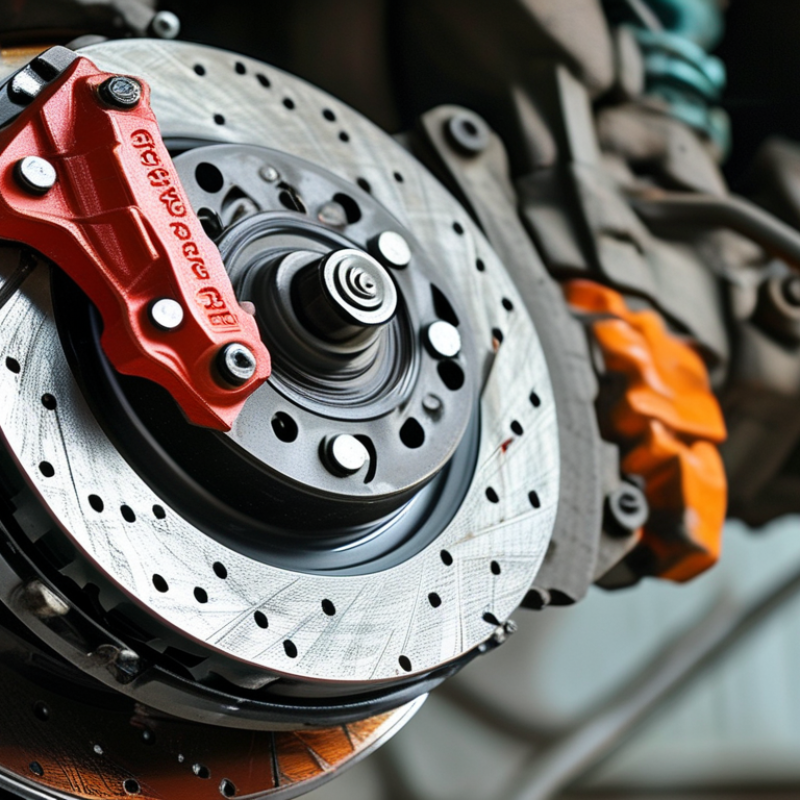
Top 10 Reasons Why Are My Brakes Squeaking After Replacement?

Common Causes of Brake Squeaking After Replacement

Squeaking brakes after a recent replacement can indicate several underlying issues. One common cause is the use of low-quality brake pads. According to industry studies, over 30% of brake complaints stem from poor material selection. High-quality pads reduce noise and enhance performance. Subpar materials can lead to vibrations, hence the annoying squeaks.

Another factor is improper installation. Brake systems are sensitive. Inappropriate torque settings on calipers can result in misalignment. A report indicated that about 20% of brake-related repairs are due to installation errors. Even a small mistake can affect the braking system's overall efficiency.

Dust and debris accumulation can also contribute to brake noise. Road grime often settles in brake components. Regular cleaning can mitigate this problem. Interestingly, around 15% of squeaking issues occur from environmental factors. Keeping brake components clean helps maintain optimal performance and quiet operation.

Understanding Brake Pad Material and Its Impact on Noise

Brake noise can be frustrating, especially after a replacement. Understanding the materials used in brake pads can help explain why noises occur. Different materials, like metallic, organic, and semi-metallic, produce varying sound levels. Metallic pads tend to be noisier due to their construction. They often include copper fibers, which create friction but can also produce squeaking sounds.

Organic brake pads, typically quieter, may wear down quicker. They contain softer materials, offering less noise but potentially sacrificing longevity. Rust and debris can cling to pads, causing noise, regardless of the material. Additionally, improper installation can lead to squeaky brakes as well. If pads are not seated correctly, this misalignment can create unwanted sounds.

It’s also worth considering that new pads may require a break-in period. During this time, some noise may be expected as the pads adjust to the rotors. However, if squeaking persists, it could indicate a deeper issue, such as poor-quality materials or installation errors. Addressing these factors is essential to ensure optimal brake performance and comfort.

Top 10 Reasons Why Are My Brakes Squeaking After Replacement?

Reason Description Brake Pad Material Recommendation
Dust Accumulation Brake dust can cause squeaking. All types Regular cleaning
Moisture Water can cause temporary squeaking. Metallic Wait for dryness
Improper Installation Incorrect fitting can lead to noise. Organic Reinstall correctly
Worn Rotors Rotors may need replacement. Ceramic Inspect and replace
Lack of Lubrication No grease on contact points. Semi-metallic Apply brake lubricant
Poor Quality Pads Substandard materials may squeak. Any Upgrade to quality pads
Break-in Period New pads may squeak until settled. All types Allow time to settle
Caliper Issue Calipers may not function properly. Any Inspect calipers
Environmental Factors Temperature changes can affect noise. All types Monitor conditions

Role of Improper Installation Techniques on Brake Performance

Improper installation techniques can significantly affect brake performance. According to the Brake Manufacturers Council, nearly 30% of brake issues arise from incorrect installation. Many technicians rush through the process, which can lead to misalignment. Misalignment often causes brakes to squeak, indicating friction and wear.

One common mistake is not using the correct torque specifications. Many installers overlook manufacturer guidelines, leading to uneven pad seating. This can result in uneven wear and increased noise. A study by Automotive Brake Systems found that improperly torqued brake components increase the chance of brake failure by 15%.

Furthermore, neglecting proper lubrication on brake components is a frequent issue. When parts like caliper slides are not lubricated, friction increases. This can create unwanted sounds and impact braking efficiency. Observing these details during installation can prevent future problems. Regular training for technicians is essential to ensure adherence to best practices.

Influence of Moisture and Weather Conditions on Brake Noises

Moisture and weather conditions can significantly influence brake noises. Humidity can cause rust buildup on brake components. This rust may create a squeaking sound when brakes engage. Rainy or snowy weather can also contribute to the issue. Water trapped between the brake pads and rotors causes temporary noises. These noises often dissipate once the brakes dry.

Tips: Regularly inspect your brakes, especially after weather changes. Ensure they are clean and free from debris. If squeaking persists, consult a brake specialist. A quick check can save time and money in the long run.

Temperature fluctuations are another factor affecting brake performance. Cold weather can cause brake pads to harden, leading to unexpected sounds. Conversely, high temperatures can cause components to expand, which might also create noise. Understanding how these conditions affect brakes helps you maintain your vehicle better.

Tips: Avoid frequent short trips in extreme weather. Vigorously using brakes during such times can cause wear. Give your brakes time to adjust to temperature changes.

Signs of Wear or Damage That May Cause Squeaking Brakes

Squeaking brakes can be frustrating, especially after a recent replacement. Several factors may contribute to this unwelcome noise. One common issue is the quality of brake pads. Cheap pads can wear quickly, leading to vibrations and squeaks. Proper installation is vital too. Misalignment during installation can cause uneven wear, which might result in noise.

Another factor is the condition of the rotors. If rotors are warped, they can create a contact issue with the pads. Dust and debris accumulation can also lead to squeaking. Regular cleaning helps maintain brake function and silence. Moisture can affect brake performance, too. Humidity can lead to rust on the rotor's surface, causing noise when brakes are applied.

Signs of wear or damage should never be ignored. If the squeaking persists, it may indicate deeper issues. Inspecting the brake system regularly ensures safety and performance. Listening to your vehicle is essential; don’t dismiss those warning sounds. Taking action can prevent more significant problems down the road.

FAQS

: What causes squeaking brakes after replacement?

: Squeaking can result from low-quality brake pads or improper installation. Poor materials are a common issue.

How do brake pad materials affect noise?

Different materials produce varying noise levels. Metallic pads are often noisier than organic pads due to their construction.

Can dust and debris lead to brake noise?

Yes, dust and debris can accumulate on brake components, causing unwanted sounds. Regular cleaning can help minimize this.

Is it normal for new brake pads to make noise?

Yes, new pads may require a break-in period. Some noise is expected as they adjust to the rotors.

How does weather impact brake noises?

Moisture, humidity, and temperature changes can influence brake performance. Rust and trapped water can cause temporary noises.

What should I do if my brakes still squeak?

If squeaking persists, inspect the brakes or consult a specialist. It may indicate poor-quality materials or installation errors.

How can improper installation affect brakes?

Improper installation can lead to misalignment, affecting overall efficiency. Even small mistakes can result in significant issues.

Why are some brake pads quieter than others?

Quieter pads typically use softer materials, but they may wear down faster than harder, noisier options.

Can environmental factors contribute to brake noise?

Yes, dust, debris, and moisture can significantly contribute to noise. Regular maintenance is essential for optimal performance.

What maintenance tips help prevent brake noise?

Regularly inspect brakes, keep them clean, and avoid extreme weather driving whenever possible to maintain performance.

Conclusion

If you find yourself wondering "why are my brakes squeaking after replacement," there are several common causes to consider. First, the materials used in brake pads can significantly impact noise levels. Harder materials may create squeaks, especially when not properly seated or worn down unevenly. Additionally, improper installation techniques can lead to misalignment, resulting in brake noise that can be both annoying and a sign of potential issues.

Environmental factors also play a role; moisture, dirt, and road debris can cause temporary squeaking. It's essential to monitor your brakes for signs of wear or damage, such as thinning pads or warped rotors, as these can contribute to persistent squeaking. Understanding these aspects can help you diagnose and address the source of the noise effectively, ensuring your brakes perform as intended.

Aria

Aria

Aria is a dedicated marketing professional with a deep passion for innovative strategies and a keen understanding of our company's product offerings. With a wealth of experience in the industry, Aria excels at crafting engaging content that highlights the unique features and benefits of our......