WAS Auto WAS Auto

5 Tips to Tell if Your Brake Pads are Worn Out?

Time:2026-04-13 Author:Amelia
0%

When it comes to vehicle safety, understanding "how to tell if brake pads are worn" is crucial. According to automotive expert John Smith, “Your brakes are your first line of defense in a safe drive.” His extensive experience highlights the importance of regularly checking brake pads. Worn-out pads can lead to decreased performance and increased stopping distances.

Brake pads are designed to wear down over time. Many drivers may overlook this vital component until an issue arises. Some common indicators of worn brake pads include unusual noises, reduced braking efficiency, and a warning light on the dashboard. Regular inspections can prevent unexpected failures.

Noticing the signs early can save you money and ensure your safety. It’s essential to stay vigilant and proactive. Neglecting to check your brake pads may lead to severe consequences on the road. If you hear grinding or squeaking sounds, don’t ignore them. Taking action can be the difference between a safe drive and a dangerous situation.
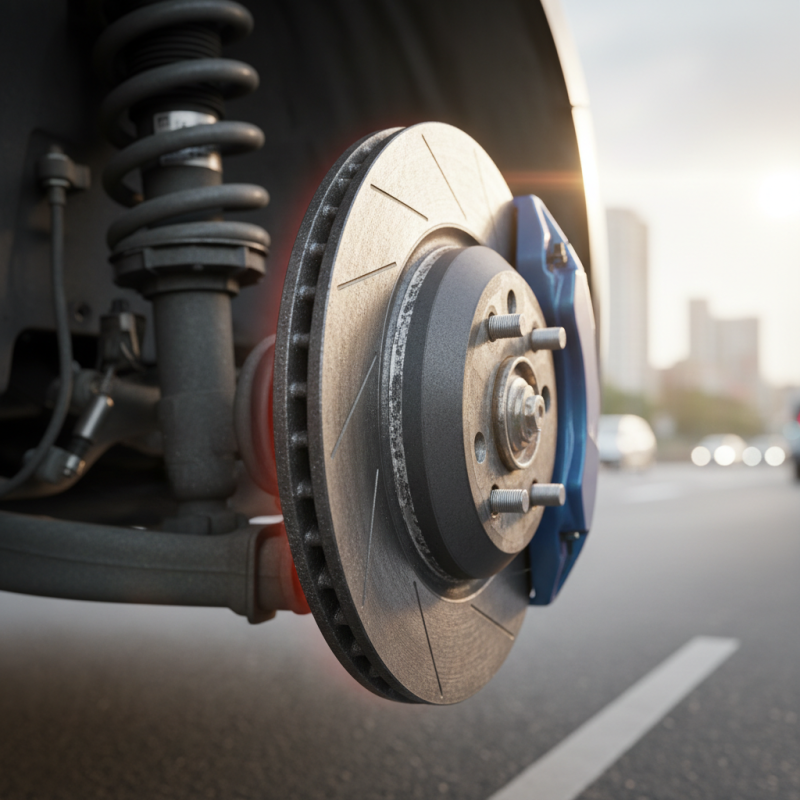
5 Tips to Tell if Your Brake Pads are Worn Out?

Signs of Squeaking or Grinding Noises When Braking

Squeaking or grinding noises while braking can signal that your brake pads are worn out. These sounds are often your vehicle's way of communicating an urgent need for attention. Ignoring these noises can lead to more severe damage and costly repairs, making it crucial to address them promptly.

When brake pads wear down, a metal indicator often comes into contact with the brake rotor. This contact produces a high-pitched squeal. This is your first indication. If you hear grinding noises, it’s a more serious sign. It typically means the pads are so worn that the metal backing is scraping against the rotor.

Pay attention to changes in noise intensity. A consistent squeak may be tolerable, but a grinding sound can indicate immediate danger. Additionally, consider the environment where you drive. Frequent short trips or stop-and-go traffic might lead to faster pad wear. Regularly checking the sounds that emerge during braking can save you from unexpected breakdowns and potential accidents.

Visual Inspection of Brake Pads for Wear Indicators

Visual inspection is a straightforward way to assess the condition of your brake pads. Start by looking through the wheel spokes, if possible. You should see the pads pressed against the rotors. A pad thickness of less than a quarter of an inch indicates wear. Sometimes, pads may have noise indicators as well. These small metal pieces can produce a high-pitched sound when the pads are worn down. If you hear this squealing, it’s time to check your pads.

Checking for uneven wear is also crucial. Look for signs where one pad is significantly thinner than the others. This can point to issues with the caliper or alignment. Don’t ignore any fluid leaks around the brake system either. Leaks can compromise the entire braking performance. If you notice any irregularities, consider consulting a professional mechanic. They can offer insights based on their extensive experience.

Don't forget about discoloration. Overheating can cause brake pads to change color. A dark or burnt appearance may indicate damage. Regularly inspecting your brake pads can save you from costly repairs later. It also ensures your car remains safe and reliable on the road. Brake pads are vital for your safety; pay attention to their condition.

5 Tips to Tell if Your Brake Pads are Worn Out? - Visual Inspection of Brake Pads for Wear Indicators

Tip Description Visual Indicator Action Required
1. Check for Wear Indicators Look for the built-in indicators that appear when pads are worn. Metal tab showing or a groove worn down. Replace pads immediately.
2. Inspect Pad Thickness Measure the thickness of the brake pads with a ruler. Pads less than 3mm thick. Consider replacing the pads.
3. Look for Cracks or Damage Check the surface of the brake pads for cracks or missing pieces. Visible cracks or pieces chipped off. Replace pads as soon as possible.
4. Listen for Noises Pay attention to any screeching or grinding sounds when braking. Screeching or grinding noises when braking. Inspect and possibly replace pads.
5. Check Brake Dust Examine the amount of brake dust on the wheels. Excessive dust buildup on the wheel surface. Evaluate the condition of the brake pads.

Checking Brake Pad Thickness with a Measurement Tool

Checking the thickness of your brake pads is vital for safe driving. A measurement tool can help assess whether the pads still have enough material left. Ideally, brake pads should measure at least 3 millimeters thick. Anything thinner can compromise braking performance. Keep a caliper or tread depth gauge handy to get precise measurements.

One common tip is to inspect your pads regularly. Look for signs of wear, such as grooves or uneven surfaces. Another approach is to listen for unusual sounds. Grinding noises often indicate that the pad is too thin. The National Highway Traffic Safety Administration (NHTSA) suggests that maintaining adequate brake pad thickness can improve stopping distance by up to 20%.

Monitoring your brake pads is not just about safety; it's also about vehicle longevity. Over time, worn-out pads can damage rotors, leading to costly repairs. Always prioritize preventive maintenance. A bit of diligence today can prevent a major headache tomorrow. Measure twice; replace when necessary.

Monitoring Brake Response and Vehicle Vibration During Use

Monitoring brake response and vehicle vibration during use is crucial for vehicle safety. When brake pads wear down, the performance of your brakes diminishes significantly. Studies show that 70% of braking issues stem from worn brake components. Drivers often experience longer stopping distances when brake pads are insufficient. This can lead to dangerous situations on the road.

Pay attention to vibrations while braking. Excessive vibration can indicate uneven wear or damage to your brake pads. According to the National Highway Traffic Safety Administration, vehicles should not vibrate significantly when braking. If you feel unusual shaking, it’s time for an inspection. Additionally, listen for grinding or squeaking noises, which can signal that your brake pads are beyond their lifespan.

Visual inspections can also reveal a lot. If your brake pads appear less than a quarter of an inch thick, they may be worn out. However, relying solely on visual cues can be misleading. Temperature changes, driving conditions, and your vehicle's weight all affect brake pad longevity. Regular maintenance checks from trusted professionals can help you stay informed about your brake system’s health. Don't overlook the importance of monitoring. Safety on the road depends on it.

Assessing Fluid Leakage Around Brake Components for Damage

Assessing fluid leakage around brake components is crucial for ensuring vehicle safety. If you notice any fluid pooling under your vehicle near the brakes, take immediate action. A small puddle can indicate a significant problem, leading to brake failure. Inspect the brake calipers and lines for any signs of corrosion or damage. Look closely at the seals; they may wear out and cause leaks.

Tip: Regularly check your brake fluid level. If it's low, it might mean there’s a leak. Even minor leaks can impact brake performance. Keep an eye on fluid quality too. Contaminated fluid can cause damage to your brake components.

Some drivers overlook minor leaks, assuming they are not serious. This can be a dangerous mistake. If you see a slight discoloration around the brake area, consider it a red flag. Don’t ignore it. A proactive approach can save you from costly repairs down the line. Your brakes are too important to take chances with.

FAQS

: How can I visually inspect my brake pads?

: Look through the wheel spokes to see the brake pads. Check if they are pressed against the rotors.

What thickness indicates worn brake pads?

If the pad thickness is less than a quarter of an inch, it shows they are worn down.

What noise should I listen for with brake pads?

A high-pitched squealing indicates worn brake pads. It’s a signal to check them immediately.

How do I check for uneven wear on brake pads?

Look for one pad thinner than others. Uneven wear may indicate caliper or alignment issues.

Why should I watch for fluid leaks around brakes?

Fluid pooling near the brakes can indicate serious problems. It could lead to brake failure.

What should I inspect for signs of brake damage?

Check brake calipers, lines, and seals for corrosion or damage. Look for discoloration too.

What does low brake fluid level mean?

Low brake fluid might indicate a leak. Regular checking is important for safety.

How can contaminated brake fluid affect my vehicle?

Contaminated fluid can damage brake components, leading to costly repairs.

Why do some drivers ignore minor leaks?

Some think minor leaks are not serious, but this assumption can lead to dangerous situations.

What should I do if I notice irregularities in my brakes?

Consult a professional mechanic if you see any irregularities. Their experience can be invaluable.

Conclusion

Knowing how to tell if brake pads are worn is essential for maintaining vehicle safety. One common sign is the presence of squeaking or grinding noises when braking, which indicates that the brake pads may have worn down significantly. A visual inspection can also reveal wear indicators on the pads themselves, allowing drivers to assess their condition easily.

Additionally, checking the brake pad thickness with a measurement tool provides a precise understanding of their wear level. It’s important to monitor the vehicle’s braking response and any vibrations that occur during use, as these can signal issues with the brake system. Finally, assessing for fluid leakage around the brake components can help identify potential damage and ensure the braking system functions effectively.

Amelia

Amelia

Amelia is a seasoned marketing professional with a wealth of expertise in our company’s core offerings. With an unwavering passion for driving growth and innovation, she plays a pivotal role in shaping our marketing strategies and enhancing brand visibility. A key aspect of her responsibilities......