WAS Auto
Experiencing a shaking steering wheel while braking can be alarming. According to a recent report by the National Highway Traffic Safety Administration, nearly 30% of drivers encounter this issue at some point. Understanding "why is my steering wheel shaking when braking" is crucial for vehicle safety.
Expert mechanic Mark Reynolds states, “A shaking steering wheel indicates underlying brake or wheel issues. Ignoring it can lead to more serious problems.” Common causes include warped brake rotors, unbalanced tires, and worn suspension components. Each factor contributes differently to vehicle handling, impacting driver control.
It’s important not to overlook these signs. Many drivers report feeling uneasy yet delay seeking help. This hesitation can lead to larger repair costs and safety hazards. By understanding the symptoms, you can address the problem before it worsens. Always consult a professional when in doubt.
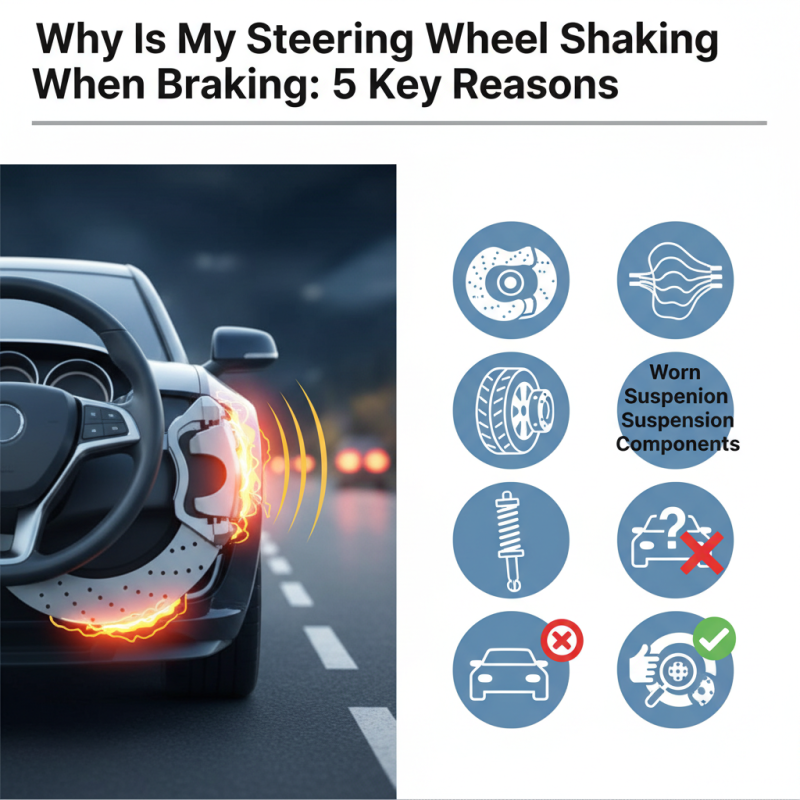
Steering wheel shaking during braking can be alarming. Understanding the root causes is essential for safety and vehicle performance. One common reason is warped brake rotors. When rotors are uneven, they cause vibrations that resonate through the steering wheel. This issue often stems from overheating during braking, especially when frequent, heavy stops occur.
Another factor could be uneven tire wear. Tires can wear down in an irregular manner due to misalignment or improper inflation. This unevenness can lead to shaking as the tires interact with the road. Regular checks on tire balance and alignment are crucial. Furthermore, worn suspension components can amplify these vibrations. Shocks and struts, when degraded, fail to stabilize the vehicle effectively during braking.
Addressing these problems may require professional diagnostics. Braking system inspections are vital for long-term vehicle health. Regular maintenance can help prevent these issues from escalating. Ignoring these symptoms can lead to more significant problems. The goal is a smooth, safe ride, so ensure any noticeable issues are handled promptly.
When the steering wheel shakes while braking, it often indicates issues with brake pads and rotors. Worn-out brake pads can lead to uneven surfaces, causing vibration. This unevenness might stem from a failure to replace them on time. Likewise, warped rotors can also be a culprits. They can develop imperfections through excessive heat or wear, directly affecting your vehicle's braking efficiency.
One practical tip is to frequently check your brake components. Routine inspections can help catch wear and tear before they escalate. Look for signs of disc warpage or uneven brake pads. Using a professional gauge can provide precise measurements, ensuring safety.
Additionally, consider the type of driving you do. Aggressive braking or frequent stop-and-go situations can accelerate wear on your brakes. Adapting a smoother driving style may prolong brake life. Trust your instincts—if you notice changes in braking performance, it’s wise to seek expert advice sooner rather than later.
| Reason | Description | Symptoms | Recommended Action |
|---|---|---|---|
| Warped Brake Rotors | Brake rotors that are not perfectly flat can cause uneven braking. | Vibration in the steering wheel when braking, especially at high speeds. | Inspect rotors and consider resurfacing or replacing. |
| Worn Brake Pads | Brake pads that have worn down can result in poor contact with the rotors. | Grinding noise when braking and a possibly reduced braking performance. | Replace brake pads and inspect rotor condition. |
| Misaligned Wheels | Wheels that are not aligned properly can cause uneven tire wear and handling issues. | Steering wheel vibrating when braking, especially during turns. | Have the wheel alignment checked and corrected. |
| Suspension Issues | Problems with components like struts, shocks, or bushings can affect steering stability. | Vibrations and inconsistent steering feel when braking. | Inspect suspension components and replace any damaged parts. |
| Uneven Tire Wear | Tires with uneven wear patterns can affect ride quality and braking. | Shaking or vibrations felt through the steering wheel while braking. | Check tire pressure, rotate tires, and consider replacing if needed. |
Wheel alignment and balancing play crucial roles in steering stability, especially when braking. Poor alignment can cause uneven tire wear, leading to vibrations. These shakes become noticeable at higher speeds or during braking maneuvers. If your steering wheel shakes when you hit the brakes, wheel alignment might be off.
Balancing ensures that each tire spins evenly. An unbalanced wheel can generate wobbling, especially at high speeds. Even slight imbalances can lead to steering wheel vibrations. Regular checks can prevent long-term damage to suspension components. Keeping tires properly aligned and balanced will enhance safety and comfort.
Drivers often overlook the importance of alignment and balancing. Many believe that vibrations are a normal part of vehicle operation. In reality, these issues need attention. A simple inspection can reveal significant problems early. It's essential to prioritize your vehicle's maintenance for a smoother drive.
When you notice your steering wheel shaking during braking, evaluating your tires should be a priority. Tire condition significantly impacts vehicle safety. According to the National Highway Traffic Safety Administration (NHTSA), approximately 11,000 accidents annually result from tire-related issues. Uneven tire tread or insufficient pressure can create hazardous driving conditions.
Check the pressure of your tires regularly. The recommended pressure is often found inside the driver’s door frame or in the owner’s manual. Under-inflated tires can cause excessive wear, leading to handling issues. A study from Tire Rack suggests that maintaining proper pressure can enhance tire life by 25%. The difference between safe driving and an accident often lies in these details.
Inspecting your tire tread is equally important. Worn treads reduce traction, increasing the risk of skidding. A simple penny test can help assess tread depth. If Lincoln’s head is visible, it’s time for new tires. Neglecting tire health can lead to serious, costly consequences.
**Tips:** Regularly rotate your tires according to the manufacturer’s schedule. Make sure to align your wheels after replacing tires to prevent uneven wear. Keeping a close eye on your tires can save time and money while ensuring a safe ride.
When your steering wheel shakes during braking, it’s often tied to suspension components. These parts play a crucial role in maintaining vehicle stability and control. Worn-out control arms can lead to misalignment. This misalignment causes uneven tire wear and can amplify vibrations.
Another key player is the tie rod. If it’s damaged, steering precision is compromised. The result? A shaky steering wheel, especially when brake pressure is applied. Additionally, components like shock absorbers and struts can wear down over time. This wear impacts how your car absorbs road irregularities and can exacerbate any shaking.
Ignoring these issues may lead to worse conditions. It’s essential to be proactive in inspecting the suspension system. A brief check can identify problems before they escalate. Drivers should focus on regular maintenance. Evaluating suspension health ensures a smoother and safer ride.
: Warped brake rotors are a common cause. They create vibrations felt through the steering wheel.
Uneven tire wear leads to vibrations. Regular checks on tire balance and alignment are important for safety.
Worn brake pads can create uneven surfaces. This can lead to vibrations during braking if not replaced timely.
Regular inspections help catch issues early. Poor tire condition can lead to accidents and costly repairs.
Incorrect tire pressure can lead to handling issues. Under-inflated tires wear faster and decrease safety.
Insert a penny into the tread. If Lincoln's head is visible, it's time for new tires.
Yes, aggressive braking accelerates wear. Smoother driving may prolong brake life and enhance safety.
Yes, if you notice changes in braking performance, professional diagnostics can prevent further problems.
Ignoring brake issues can escalate into serious problems, affecting overall vehicle performance and safety.
Worn shocks and struts can amplify vibrations during braking. They are crucial for stabilizing the vehicle.
When drivers encounter the troubling question of "why is my steering wheel shaking when braking," it is essential to understand the underlying causes. Several factors can lead to this unsettling experience, starting with the condition of brake pads and rotors, which can become worn or warped over time, affecting braking efficiency and creating vibrations. Additionally, wheel alignment and balancing play a crucial role in maintaining steering stability; misalignment can lead to uneven tire wear and instability when braking.
Moreover, the condition of tires and their pressure should not be overlooked, as under-inflated or damaged tires can exacerbate steering issues. Finally, suspension components such as shocks and struts are vital for effective steering control; any malfunction in these parts can significantly impact handling during braking. Addressing these areas can help restore confidence and safety while driving.
