WAS Auto
Understanding why is my brake pedal soft or spongy is essential for safe driving. A soft or spongy brake pedal can indicate serious issues with your vehicle’s braking system. When you press the pedal, it should feel firm and responsive. If it sinks or feels mushy, something isn't right.
Several factors can contribute to a soft brake pedal. Air in the brake lines, worn-out brake pads, or low brake fluid can all be culprits. Regular maintenance can prevent these issues. However, many drivers might overlook this aspect. Ignoring a soft brake pedal can lead to dangerous situations on the road.
This article will delve into the complexities behind this braking problem. We’ll explore possible causes, how to recognize them, and when to seek professional help. Understanding these elements can empower you to take informed action, ensuring your vehicle remains safe and reliable.
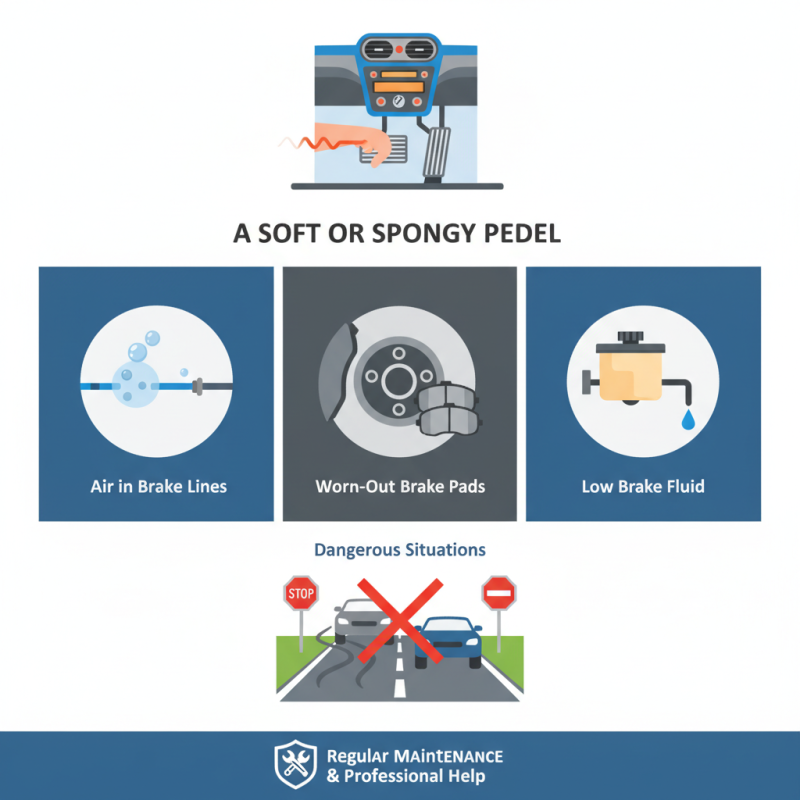
A soft or spongy brake pedal can be alarming for any driver. This issue may arise from various causes. One common reason is air trapped in the brake lines. When you press the pedal, the air compresses, leading to a less responsive system. This is often due to a poor brake fluid change or leaks in the system.
Another factor to consider is brake fluid contamination. Dirty or old brake fluid can lose its effectiveness. Moisture can get into the fluid, reducing the system's performance. Corrosion in brake components can further exacerbate the problem. In this scenario, regular maintenance becomes critical.
Additionally, worn brake pads might contribute to a soft brake feel. As the pads wear down, they can create an uneven surface. This affects how the pedal responds when pressed. Drivers should remain vigilant and check their brakes regularly. Ignoring these signs can lead to more serious issues down the line.
Brake fluid plays a crucial role in your vehicle's braking system. Its quality and levels significantly affect how your brake pedal feels. When brake fluid is contaminated or low, it often leads to a soft or spongy brake pedal. According to industry reports, nearly 20% of cars have brake fluid that does not meet the manufacturer's specifications.
Moisture absorption is one of the main issues with brake fluid. Over time, brake fluid absorbs water, reducing its effectiveness. This can lead to reduced braking force and even brake failure in critical situations. Research indicates that brake fluid should be replaced every two years to maintain performance. Ignoring this can result in unpredictable brake behavior.
Drivers often overlook fluid levels, leading to a gradual decline in braking performance. A simple inspection can prevent significant issues. Checking your brake fluid level regularly ensures that your braking system operates safely. A spongy pedal can be an early warning sign. It deserves immediate attention before the situation worsens.
Maintaining the brake system is crucial for vehicle safety. A soft or spongy brake pedal often indicates underlying issues. These problems may stem from air in the brake lines or worn brake components. Regular inspections can prevent these scenarios.
Brake fluid loses effectiveness over time. It absorbs moisture, which can lead to vapor bubbles. These bubbles compress under pressure, resulting in a soft feel. It’s vital to replace the brake fluid at recommended intervals. Driving with degraded fluid poses risks.
Additionally, worn pads or disks can cause sponginess. Ignoring these signs can escalate into costlier repairs and unsafe driving conditions. Regular maintenance checks safeguard against such failures. Simple actions like checking fluid levels can make a significant difference. Pay attention to your brake system to ensure it functions reliably.
| Possible Causes | Symptoms | Recommended Actions | Maintenance Tips |
|---|---|---|---|
| Air in Brake Lines | Soft or spongy feel when pressing the brake | Bleed the brakes to remove air bubbles | Check brake fluid levels regularly |
| Worn Brake Pads | Longer stopping distances | Replace brake pads | Inspect brake pads every 20,000 miles |
| Leaking Brake Fluid | Brake pedal goes to the floor | Inspect and repair leaks | Check for fluid leaks during oil changes |
| Master Cylinder Failure | Unresponsive brakes | Replace master cylinder | Regularly inspect brake fluid condition |
| Faulty Brake Booster | Hard brake pedal feel | Test and replace brake booster if necessary | Listen for hissing sounds when pressing brakes |
A soft or spongy brake pedal is often a sign of air bubbles in the brake lines. Air can enter the system through defective seals or during maintenance. When this occurs, it diminishes hydraulic pressure, leading to ineffective braking. According to a 2022 report by the National Highway Traffic Safety Administration, 15% of brake-related issues in vehicles stem from air contamination.
When diagnosed, the presence of air requires immediate attention. It affects not just performance, but safety as well. A study in the Journal of Automotive Engineering emphasized that even a small air pocket can reduce braking effectiveness significantly. Drivers may feel a delayed response when pressing down the pedal, a dangerous scenario in emergency situations.
Regular inspections are crucial to maintaining brake line integrity. Technicians recommend checking brake fluid levels frequently. If the fluid looks dark or murky, it might indicate prolonged neglect. Maintaining a clean system can prevent air from entering, ensuring responsive brake performance. Each vehicle has its own unique hydraulic system, which often necessitates tailored approaches and close attention to detail.
Driving with a soft or spongy brake pedal can compromise your safety. Reports indicate that about 60% of drivers neglect brake maintenance, leading to potential hazards. If your pedal feels unusual, it’s time to consider seeking professional help. Delaying can result in more significant issues, such as brake fluid leaks or air bubbles in the system.
A spongy brake pedal often signals trapped air or low brake fluid levels. The Automotive Service Association recommends checking fluid levels regularly. Don't wait for warning lights. If the pedal sinks to the floor, call an expert immediately. Ignoring these signs may lead to costly repairs.
Tips: Regularly inspect your brake components. Look for wear and tear. Pay attention to strange noises when braking. If you’re in doubt, it’s wise to consult a professional mechanic. Simple checks can prevent severe accidents. Maintaining your brakes isn’t just about performance; it’s about safety on the road.
: A soft brake pedal may be due to air trapped in the brake lines. This happens when the system isn’t properly maintained.
Brake fluid must be at the right level and clean. Contaminated fluid can lead to a less responsive brake pedal.
Brake fluid can absorb moisture over time. This moisture reduces its effectiveness and may lead to brake failure.
It's recommended to replace brake fluid every two years. Regular maintenance can prevent issues with brake performance.
A spongy pedal is often an early warning. Drivers should check their brakes regularly to avoid severe problems.
Yes, worn brake pads create uneven surfaces. This can lead to a poor response from the brake pedal when pressed.
Address it immediately. Ignoring this issue can lead to more severe braking problems down the road.
Regularly check fluid levels and replace old brake fluid. Being proactive helps maintain brake responsiveness and safety.
If you're wondering why is my brake pedal soft or spongy in 2026 vehicles, several common issues may be at play. First, the quality and level of brake fluid can significantly impact brake pedal feel, as low or contaminated fluid can cause the pedal to lose firmness. Furthermore, regular maintenance of the brake system is crucial to prevent soft pedal problems, as neglected components may lead to degraded performance.
Diagnosing air bubbles in the brake lines is another essential factor that can contribute to a soft or spongy feel. Air in the brake lines can hinder effective braking, increasing the risk of accidents. If you experience persistent brake pedal issues, it’s important to seek professional help to ensure your vehicle remains safe and reliable. Understanding these causes will help you address any concerns promptly and maintain optimal braking performance.
