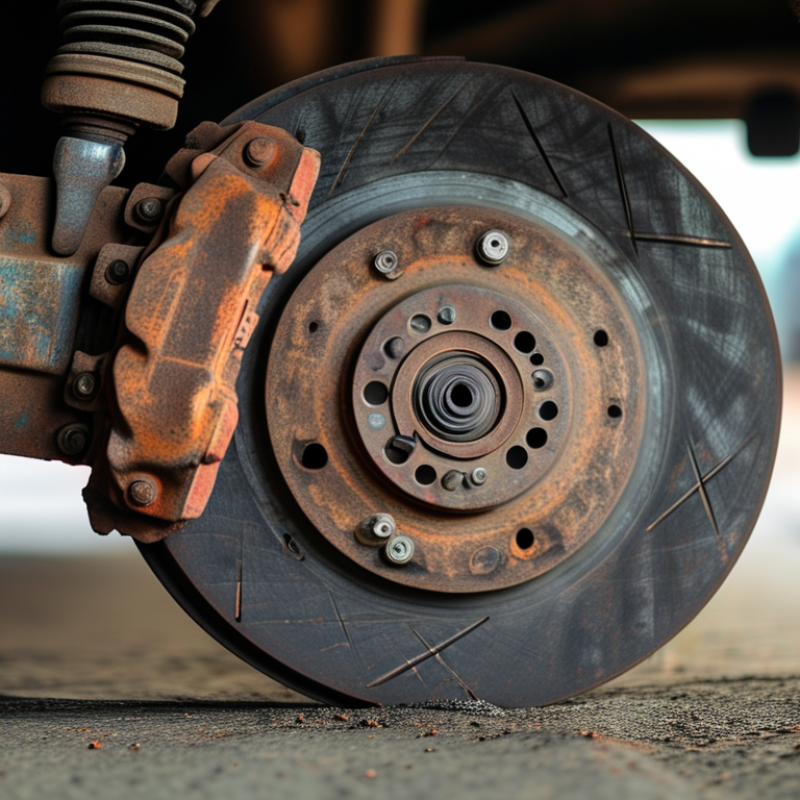
Understanding how to tell if brake pads are worn is essential for every driver. Worn brake pads can lead to dangerous situations. Regular inspection can prevent costly repairs and ensure your safety.
Signs of worn brake pads often manifest in unique ways. Listening for unusual sounds is crucial. Squealing or grinding noises indicate a problem. Vibration while braking is another red flag. These symptoms should never be ignored.
Additionally, inspect your brake pads visually. A thin layer may mean they need replacing. Driving habits can also affect wear. Heavy braking leads to faster deterioration. By staying vigilant, you can protect yourself and your vehicle.
Types of Brake Pads and Their Lifespan
Brake pads play a crucial role in vehicle safety. Various types exist, each with a different lifespan. Understanding these types is essential for maintenance.
Organic brake pads, for instance, are made from natural materials. They offer quiet operation and low dust but wear out faster. Typically, they last between
30,000 to 50,000 miles.
Metallic brake pads are more durable. They can endure higher temperatures and have a longer lifespan, often lasting
50,000 to 70,000 miles. However, they may produce more noise and dust.
Ceramic brake pads combine the two. They are quieter, cleaner, and last long—usually around
70,000 miles. Yet, they can cost more.
Knowing the type of brake pads in your vehicle is vital. Regular checks can prevent major issues. Signs of wear include
squeaking sounds while braking and reduced stopping power.
It’s not uncommon to overlook these details. Neglecting brake pad maintenance could lead to costly repairs. Stay attuned to the signs and ensure your vehicle's safety.
Common Symptoms of Worn Brake Pads
Worn brake pads can lead to serious safety issues. One of the most common symptoms is squeaking or squealing noises when braking. This sound typically indicates that the pad material has worn down, exposing the metal indicators. According to the National Highway Traffic Safety Administration, nearly 250,000 car accidents annually are linked to brake failure. Prompt attention to these sounds is essential for safety.
Another clear sign of worn brake pads is a longer stopping distance. Drivers may notice their vehicle takes more time to stop than usual. This change in performance is not to be taken lightly. The friction material degrades, so less surface area contacts the brake disc. An automotive research report highlighted that 30% of drivers neglect to check their brake systems regularly, increasing the risk of brake failure.
Vibration during braking is also a symptom that shouldn’t be ignored. If the steering wheel shakes or the car vibrates, it could suggest uneven wear on the brake pads. A 2021 survey showed that 40% of drivers are unsure about the condition of their brake components. Understanding and recognizing these signs can help prevent dangerous situations on the road. It's crucial to maintain awareness of brake health, as some issues may go unnoticed until it's too late.
Visual Inspection: What to Look For
Visual inspection is key to understanding the condition of your brake pads. Look for a decrease in thickness, which typically indicates wear. Healthy brake pads are usually at least a quarter of an inch thick. If they appear considerably thinner, replacement may be needed.
Check for any uneven wear patterns. If the outer edges wear down faster, that points to alignment issues. Listen for squeaking or grinding noises during braking. These sounds often signal worn-out pads, leading to potential damage. Dust buildup can indicate excessive wear. A thick layer of brake dust on your wheels could mean it’s time for inspection.
Observing your brake pads regularly ensures your safety. Look for signs of discoloration. If the pads appear scorched or burned, that’s not a good sign. Cracks or chips on the surface can also indicate problems. These visual indicators help you assess brake pad health effectively, preventing more serious vehicle issues down the road.
Noise Indicators of Worn Brake Pads
When brake pads wear down, they often produce distinct noises. One common sound is a high-pitched squeal. This noise usually occurs when the brake pads have reached their wear limit. It serves as a warning that replacement is necessary. Ignoring this sound may lead to further damage to the braking system.
Another indicator is a grinding noise. This often signifies that the pads have worn completely. At this stage, metal components might be scraping against each other. This can cause serious damage to rotors. If you hear this sound, immediate inspection is critical.
There can also be unusual sounds that change with braking pressure. A rhythmic thumping can indicate uneven wear or debris caught in the brake components. It’s crucial to pay attention to these details. Regular checks combined with listening to your vehicle's sounds can extend the life of your brakes. Always seek professional advice if you're unsure. Being proactive can prevent costly repairs and ensure safer driving.
Top 10 Signs to Know If Brake Pads Are Worn Out: Noise Indicators
Performance Issues Associated with Worn Brake Pads
Worn brake pads can significantly affect vehicle performance. Common issues arise when the pads no longer provide adequate friction.
According to a recent study, over 60% of drivers do not realize their brake pads are worn until problems occur.
This situation leads to longer stopping distances. Drivers may notice vibrations during braking. Such inconsistencies indicate that the
pads need immediate replacement.
Brake fade is another concern. This phenomenon occurs when the pads overheat, usually due to excessive wear. A report by automotive safety experts
found that brake fade contributes to 20% of vehicle accidents. It's crucial for drivers to assess their
brake systems regularly. Listening for unusual noises can be a simple yet effective way to catch problems early.
Tips: Check for warning lights on your dashboard. Pay attention to any grinding sounds when braking. Keep track of your
driving habits that may affect brake longevity, like frequent hard stops or towing heavy loads. These factors can reveal how urgently you
might need to replace your brake pads. Regular inspections can prevent future failures and enhance safety.
Conclusion
Understanding how to tell if brake pads are worn is crucial for maintaining vehicle safety and performance. Brake pads come in various types, each with a different lifespan that can range from 20,000 to 70,000 miles, depending on driving habits and conditions. Common symptoms of worn brake pads include squeaking or grinding noises, reduced braking responsiveness, and vibrations when pressing the brake pedal.
A thorough visual inspection can reveal wear indicators, such as thinning pads or uneven surfaces. It's also essential to pay attention to any unusual sounds or performance issues, as these can signify that the brake pads need to be replaced. Recognizing these signs early can help prevent further damage to the braking system and ensure safe driving.
 WAS Auto