WAS Auto WAS Auto

When to Replace Brake Discs vs Resurface 5 Essential Tips?

Time:2026-04-13 Author:Charlotte
0%

When it comes to vehicle safety, understanding "when to replace brake discs vs resurface" is crucial. Renowned automotive expert Mike Smith emphasizes, “Knowing the condition of your brake discs can save you from costly repairs and ensure your safety on the road.” This highlights the importance of maintaining your vehicle's braking system.

Brake discs undergo significant stress and wear during their lifespan. Drivers often ponder whether to replace or resurface these components. Resurfacing can extend the life of the discs if they are not excessively worn. However, knowing the right time for each option is essential. Signs of warping or deep grooves may indicate the need for a full replacement down the line.

Taking note of specific symptoms can help in making informed decisions. For instance, vibrations during braking or a grinding noise are red flags. Additionally, understanding the mileage and driving habits can influence these decisions. Regular inspections can prevent oversight and ensure safety. Recognizing when to take action can make a substantial difference.
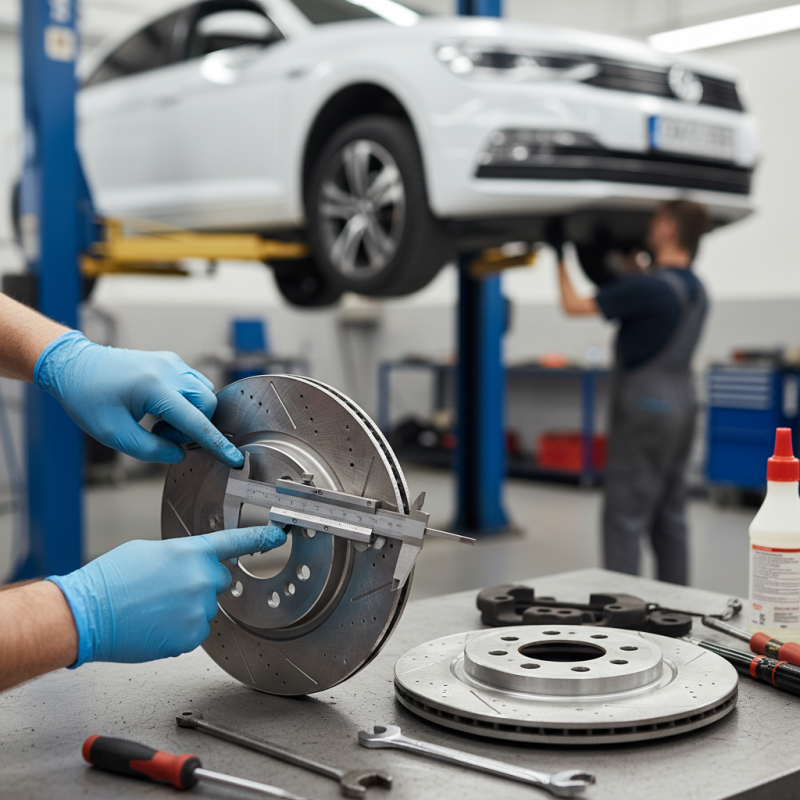
When to Replace Brake Discs vs Resurface 5 Essential Tips?

Understanding Brake Discs: Importance and Functionality

Brake discs play a vital role in a vehicle’s braking system. They provide the surface against which brake pads compress to slow down or stop the vehicle. Understanding their importance is essential for safe driving. When brake discs are in good condition, they ensure effective braking performance. However, worn-out discs can lead to longer stopping distances and increased wear on brake pads. This creates a dangerous situation on the road.

Observing the condition of your brake discs regularly can prevent issues. Look for signs of thickness variation, warping, or unusual vibrations when braking. Discs should be smooth and free of deep grooves. If they display severe wear, it may be time to replace them instead of resurfacing. Resurfacing is often a temporary fix. It can extend the life of your discs, but it’s not a long-term solution. If raised temperatures are noticed, it indicates potential overheating—this points to more significant issues. Prioritizing regular maintenance checks is the key to reliability and safety.

Signs That Indicate Brake Discs Need Replacement

Brake discs are critical for vehicle safety. Knowing the signs that indicate they need replacement can prevent serious accidents. One of the most common signs is a pulsating brake pedal. If you feel vibrations when pressing the brake, it may be time for a change. Similarly, if you hear grinding noises, that’s a red flag. These sounds often indicate that the brake discs are worn down to the point that metal is dragging on metal.

Another important signal to watch for is uneven wear on the brake discs. If one side looks significantly more worn than the other, this could affect your vehicle's braking performance. Additionally, if you notice a decrease in stopping power, it’s crucial to investigate. A longer stopping distance can be caused by worn or damaged brake discs. Keeping an eye on these signs and understanding their implications is essential for your safety on the road.

When to Replace Brake Discs vs Resurface 5 Essential Tips? - Signs That Indicate Brake Discs Need Replacement

Indicator Description Action Required
Squeaking Noise High-pitched sound when braking indicates worn pads or grooves on discs. Inspect and possibly replace brake discs.
Vibration Feeling vibrations in the steering wheel or brake pedal when braking. Check discs for warping; may require resurfacing or replacement.
Visual Inspection Cracks, grooves, or discoloration visible on the disc surface. Replace brake discs if significant damage is found.
Thin Discs Disc thickness measured below manufacturer's specifications. Replace brake discs.
Brake Fade Reduction in braking power after prolonged use, indicating overheating. Inspect and replace discs if they are overheated or warped.

Resurfacing vs. Replacing: Making the Right Choice

When it comes to brake maintenance, you'll face a pivotal choice: resurfacing or replacing brake discs. Resurfacing involves smoothing out the disc's surface, which can restore its function and extend its life. This is often a cost-effective solution. However, it may not be suitable if the discs are severely worn or damaged.

On the other hand, replacing brake discs is recommended when they’ve reached the end of their lifespan. This ensures optimal braking performance and safety. New discs provide better heat dissipation and improved friction capabilities. It’s crucial to assess the condition of your existing discs carefully. Signs of deep grooves or excessive rust may signal the need for a replacement.

Evaluate your driving habits too. If you drive aggressively or frequently haul heavy loads, replacement might be the wiser choice. Investment in quality components pays off in terms of safety and performance. Take the time to consult with a professional. They can provide insights tailored to your specific situation. Choosing the right option is about balancing cost with safety.

Steps to Properly Resurface Brake Discs

Properly resurfacing brake discs can enhance your vehicle's performance. Start by removing the wheel to access the brake assembly. Clean the brake components thoroughly. This prevents dirt from affecting the resurfacing process. Ensure you have the right tools. A brake lathe is essential for accurate leveling. Improperly done resurfacing can lead to uneven braking.


Next, check the thickness of the brake discs. It’s crucial to follow the manufacturer’s specifications to avoid safety hazards. If the discs are too thin, replacement may be necessary. When resurfacing, take small cuts to maintain control. Frequently measure the thickness to ensure even surfaces. This helps achieve optimal contact with the brake pads.


After resurfacing, inspect for any signs of warping. Even a slight imperfection can lead to vibrations while braking. Reinstall the brake components meticulously. Use torque specifications for tightening. Experience has shown that overlooking details here can lead to major issues later. The process isn’t perfect; it requires practice and patience. Consistency is key to achieving good results.

Maintenance Tips for Prolonging Brake Disc Lifespan

Maintaining brake discs is crucial for safety and performance. Regular inspections help identify wear. Look for grooves or uneven surfaces. When noticeable, consider either resurfacing or replacement. Resurfacing can extend disc life but has limits. Too much material removal can lead to failure.

Keeping brake components clean is essential. Dirt and debris can cause wear on brake discs. Ensure that the calipers and pads are free from contaminants. Use quality brake pads that are designed to match your disc type. This harmony reduces friction inconsistencies.

Monitoring your braking habits is important. Frequent sudden stops can increase wear. Drive gently, especially in heavy traffic. Adjusting your driving style can prolong disc lifespan. It’s not just about replacement; it’s about smart usage and care.

Brake Disc Maintenance Tips

When to Replace Brake Discs vs Resurface

This bar chart illustrates the recommended mileage for brake disc replacement and resurfacing based on typical usage and conditions. Monitoring these intervals can help prolong the lifespan of your brake discs.

FAQS

: What is the role of brake discs in a vehicle?

: Brake discs provide the surface for brake pads to compress, slowing down or stopping the vehicle.

Why is it important to maintain brake discs?

Well-maintained discs ensure effective braking performance, preventing accidents and enhancing safety on the road.

How can I identify worn-out brake discs?

Look for thickness variation, warping, or unusual vibrations when braking. Smooth surfaces are essential.

Is resurfacing a long-term solution for brake discs?

No, resurfacing is a temporary fix. It can extend the life of discs but does not guarantee their long-term functionality.

When should brake discs be replaced?

Replace discs when they show deep grooves or excessive rust. This ensures optimal braking performance.

How do driving habits affect brake disc durability?

Aggressive driving or frequent heavy loads can lead to faster wear, making replacement a more prudent choice.

What are the signs that indicate brake discs may be overheating?

Raised temperatures during braking suggest potential overheating, pointing to more significant issues with the braking system.

Can I consult someone about brake maintenance?

Yes, consulting a professional can provide tailored insights into whether to resurface or replace your brake discs.

Is it wise to choose cheaper components for brake discs?

Investing in quality components is crucial for safety and performance. Cheaper options may lead to more frequent replacements.

What should I consider when deciding between resurfacing and replacing brake discs?

Evaluate the condition of existing discs, driving habits, and the balance between cost and safety for the best decision.

Conclusion

In the discussion of "when to replace brake discs vs resurface," understanding the importance and functionality of brake discs is crucial for vehicle safety. Signs that indicate a need for replacement include unusual noises, vibrations, or a decrease in braking efficiency. Assessing whether to resurface or replace the discs involves evaluating their thickness and surface condition; resurfacing can be a cost-effective solution if the discs are still within acceptable limits.

Proper resurfacing involves specific steps to ensure that the discs are evenly machined and can function effectively post-resurfacing. Additionally, regular maintenance tips, such as checking for wear and ensuring proper brake pad quality, can significantly prolong the lifespan of brake discs, ultimately enhancing driving safety and performance.

Charlotte

Charlotte

Charlotte is a seasoned marketing professional with a deep understanding of the company's portfolio and a passion for elevating its presence in the market. With a keen eye for detail and a commitment to excellence, she ensures that our professional blog is regularly updated with insightful articles......