WAS Auto WAS Auto

When to Replace Brake Discs or Resurface Them Guide?

Time:2026-07-20 Author:Henry
0%

When it comes to brake maintenance, knowing when to replace brake discs vs resurface them is crucial for vehicle safety. Brake discs endure significant wear over time. Every time you brake, the friction modifies their surface. Eventually, this can lead to decreased performance.

Drivers often wonder if resurfacing is enough. Resurfacing can extend the life of the discs, but it’s not always the best option. It’s essential to evaluate the condition of your discs thoroughly. Deep grooves or significant warping may require a full replacement instead. Checking for thickness is also key since worn discs can compromise braking effectiveness.

Indicators of wear should not be ignored. Listen for unusual noises or feel vibrations during braking. These signs can indicate that it’s time to act. Ultimately, balancing cost and safety is important. Regular inspections can help you make an informed decision. Strive for clarity on whether resurfacing or replacement suits your needs. Being proactive can save you from costly repairs down the road.
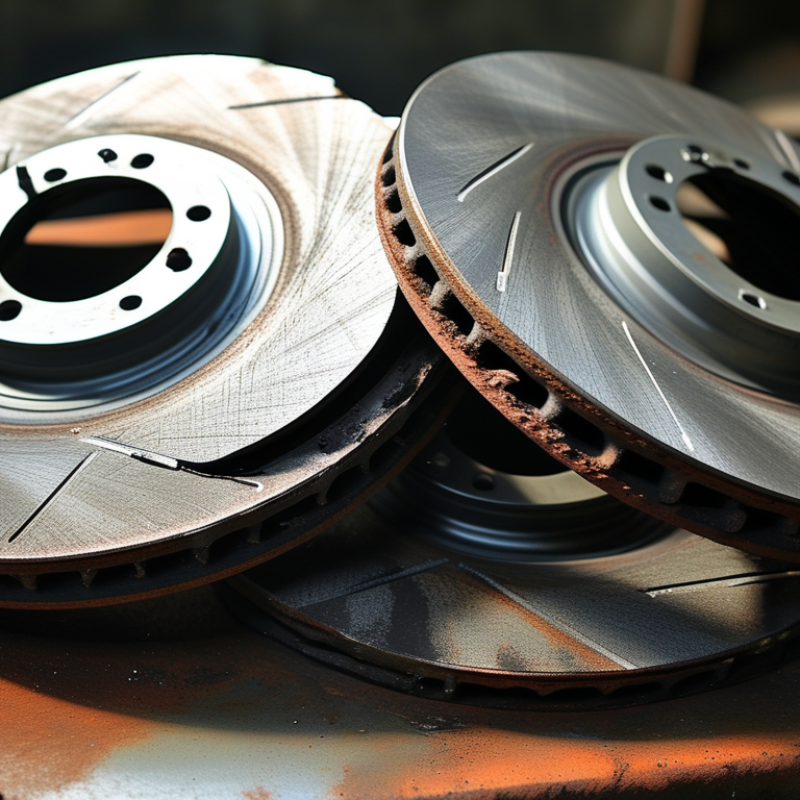
When to Replace Brake Discs or Resurface Them Guide?

Understanding Brake Discs: Importance and Functionality

Brake discs are critical components of a vehicle's braking system. They provide the surface for the brake pads to clamp down on, creating the friction needed to slow or stop the car. Over time, brake discs can wear down due to heat and pressure. This wear can affect the braking performance, leading to safety concerns.

The functionality of brake discs is essential not just for stopping the vehicle but also for maintaining control. A worn disc may cause vibrations and reduce overall effectiveness. Regular inspections are necessary to assess their condition. Visual signs like grooves or uneven wear indicate it might be time for replacement or resurfacing.

Experts recommend replacing brake discs rather than resurfacing them in severe cases of wear. Resurfacing can sometimes rejuvenate the discs, but it has its limits. In many situations, investing in new discs is more beneficial for long-term safety and performance. It’s crucial to evaluate the specific needs of your vehicle.

Brake Discs Maintenance Guide

This chart represents the recommended frequency of different brake disc maintenance actions. Regular inspection and replacement are crucial for ensuring vehicle safety and performance.

Signs That Indicate Brake Discs Need Replacement

Brake discs play a crucial role in vehicle safety. Recognizing when they need replacement is essential. One prominent sign is a grinding noise when braking. This noise often indicates that the pads are worn down, causing metal-to-metal contact. According to industry reports, nearly 25% of drivers experience this issue without realizing its severity.

Another important indicator is increased braking distance. Vehicles with degraded brake discs require more time to stop. The National Highway Traffic Safety Administration states that 35% of accidents are linked to brake failure. A quick inspection may reveal warped or scored discs, compromising performance.

Vibration through the steering wheel during braking is also alarming. This occurs due to uneven surfaces on the discs. If your vehicle shakes, it may be time for a check-up. Regular maintenance helps in identifying these signs early, ensuring you can respond proactively. Ignoring these indicators not only risks safety but may incur higher costs later on.

The Resurfacing Process: When It’s a Viable Option

The resurfacing process for brake discs can be a practical option for many vehicle owners. It involves removing a thin layer of material to restore a smooth surface. This can improve brake performance significantly. Industry studies show that resurfacing can provide a cost-effective solution, saving up to 50% compared to full replacement. However, it is vital to assess the thickness of the discs before deciding on resurfacing.

Brake discs have a minimum thickness specification. If this is not met, resurfacing may not be viable. According to automotive reports, about 30% of discs that are removed during maintenance are too worn for resurfacing. This indicates the importance of regular inspections. An experienced technician is necessary to ensure proper evaluation and decision-making.

Additionally, resurfacing can introduce risks. If done incorrectly, it may lead to uneven braking or vibration. It's essential to consider the vehicle’s usage and the quality of existing components. Drivers should reflect on their specific needs—sometimes, replacing may prove to be the safer and more reliable choice. Prioritizing expertise in the evaluation process is crucial for ensuring optimal performance and safety on the road.

When to Replace Brake Discs or Resurface Them Guide

Criteria Replace Brake Discs Resurface Brake Discs
Thickness If below minimum thickness (< 24mm) If thickness is above minimum limit but uneven
Cracks or Damage If there are visible cracks or significant damage Not suitable for resurfacing
Warping If warped beyond repair If minor warping can be corrected
Wear Patterns If wear is uneven or excessive If wear is uniform and within limits
Brake Performance If brake performance is compromised If performance can be restored by resurfacing

Factors Affecting the Lifespan of Brake Discs

Brake discs are crucial for your vehicle's safety. Understanding the factors that affect their lifespan can enhance your awareness of when to replace or resurface them. Generally, the quality of materials and driving conditions are primary determinants. Research indicates that high-quality discs can last up to 70,000 miles, while cheaper alternatives might wear out after just 30,000 miles.

Driving habits greatly influence brake disc longevity. Frequent hard braking and aggressive driving can lead to premature wear. Data from the National Highway Traffic Safety Administration highlights that aggressive driving contributes to shorter brake life. Regularly assessing the condition of the discs is essential. Many experts recommend checking them every 10,000 miles or during routine service.

Environmental factors like road salt and moisture can accelerate corrosion. According to the Automotive Aftermarket Industry Association, nearly 25% of brake-related issues stem from environmental wear. Additionally, heavy loads and steep terrain can put extra stress on brake discs. It's vital to be mindful of how your driving conditions influence performance and wear. Ignoring these factors may lead to unsafe braking efficiency.

Safety Considerations and Best Practices for Brake Maintenance

Brake maintenance is critical for vehicle safety. According to the National Highway Traffic Safety Administration (NHTSA), brake issues contribute to nearly 22% of all traffic accidents. Regular checks on brake discs can prevent dangerous situations. Drivers should inspect brake systems every 12,000 miles or annually.

Resurfacing or replacing brake discs depends on their condition. If the thickness of a brake disc drops below the manufacturer’s specifications, replacement is necessary. A study by the Automotive Research Institute showed that worn discs can lead to increased stopping distances and compromised vehicle control. Regularly monitoring wear patterns is key. If you notice vibrations or noise while braking, it may indicate underlying issues that need addressing.

Professional guidelines emphasize using quality materials for resurfacing. Substandard practices can shorten the lifespan of new components. Ensuring proper alignment and balance during installation is equally important. Ignoring these aspects may lead to uneven wear. Engaging with qualified mechanics for assessments can enhance safety and performance. Always prioritize your vehicle's brake health.

FAQS

: Why are brake discs important?

: Brake discs create friction for stopping vehicles and maintain control while driving.

How can I tell if my brake discs need replacement?

Look for grooves, uneven wear, or if you experience vibrations while braking.

What is resurfacing brake discs?

Resurfacing removes a thin layer to restore a smooth surface, improving brake performance.

When is resurfacing not viable?

If the disc's thickness is below minimum specifications, resurfacing may not be an option.

How often should I check my brake discs?

It's recommended to inspect them every 12,000 miles or at least once a year.

Can resurfacing save money?

Yes, resurfacing can save up to 50% compared to full brake disc replacement but has limits.

What risks are associated with resurfacing?

Incorrect resurfacing can lead to uneven braking and vibrations, compromising safety.

Should I always choose to replace rather than resurface?

Consider your vehicle’s needs. Sometimes replacing is more reliable and safer long-term.

How does worn brake discs affect safety?

Worn discs can increase stopping distances, causing potential accidents and control issues.

What should I prioritize during brake maintenance?

Engage qualified mechanics for assessments and ensure quality materials are used for resurfacing.

Conclusion

Understanding when to replace brake discs vs resurface them is crucial for vehicle safety and performance. Brake discs play an essential role in the braking system, and their condition significantly affects stopping power. Signs indicating the need for replacement include vibrations during braking, unusual noises, or visible wear. Resurfacing can be a viable option if the discs are still within thickness specifications and have surface imperfections.

Factors such as driving habits, road conditions, and quality of materials can influence the lifespan of brake discs. It is vital to consider safety and adhere to best practices in maintenance to ensure optimal performance. Regular inspections help to determine the best course of action, whether that means replacing the discs entirely or opting for resurfacing to extend their usability.

Henry

Henry

Henry is a dedicated marketing professional with a profound expertise in the company's offerings. With years of experience in the industry, he possesses an impressive understanding of the market dynamics and consumer behaviors that drive success. Henry is committed to sharing his insights through......