WAS Auto WAS Auto

7 Reasons Why Is My Parking Brake Not Holding?

Time:2026-06-28 Author:Charlotte
0%

When considering the issue of "why is my parking brake not holding," it’s crucial to understand the underlying factors. Expert mechanic John Smith emphasizes, "A faulty parking brake can compromise vehicle safety." Many drivers face this problem without knowing its causes.

Common reasons include worn brake pads, a damaged cable, or improper adjustment. Neglecting these issues can lead to dangerous situations. It’s important to inspect your parking brake regularly to ensure it functions properly.

Additionally, many interpret minor issues as mere inconveniences. However, overlooking such faults could lead to significant safety risks. Prioritizing brake maintenance is vital for both safety and vehicle longevity.
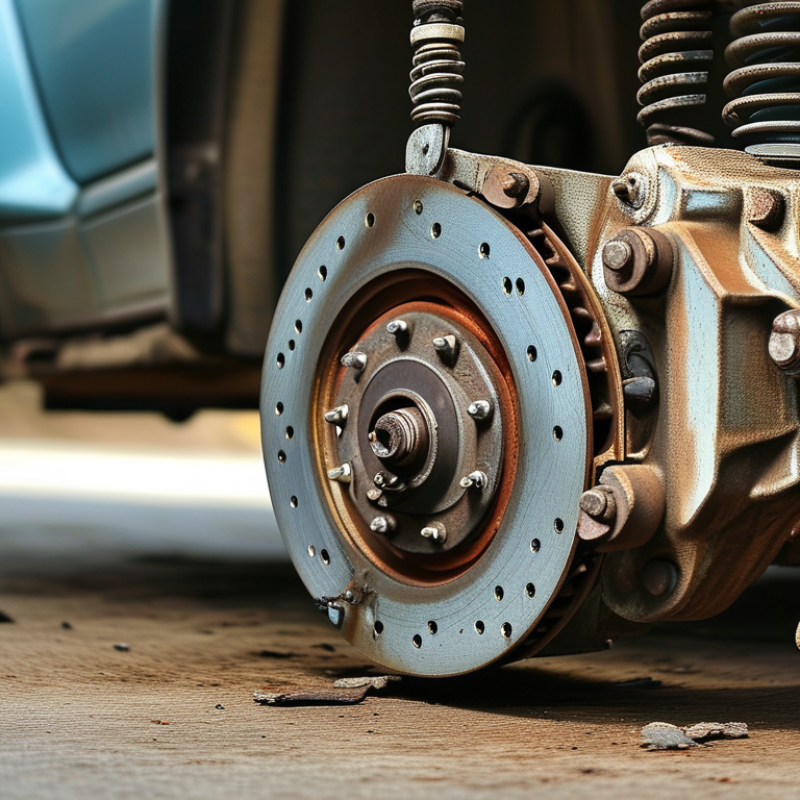
7 Reasons Why Is My Parking Brake Not Holding?

Common Causes of Parking Brake Failure: An Overview

Parking brake failure is a common issue that many drivers face. Understanding the root causes can help in addressing the problem effectively. One major cause of parking brake failure is fraying cables. According to industry studies, nearly 30% of brake issues are related to cable wear. Over time, exposure to the elements can lead to deterioration, impacting performance.

Another significant factor is worn brake shoes. Research indicates that improperly maintained brake shoes can reduce a parking brake's holding capacity by up to 50%. Regular inspections can reveal signs of wear. Ignoring these signs can lead to dangerous situations, such as rolling away when parked.

Additionally, hydraulic issues can contribute to parking brake problems. Malfunctioning components in the hydraulic system can prevent proper engagement. Data shows that around 15% of parking brake failures stem from hydraulic malfunctions. This emphasizes the need for routine maintenance and checks to ensure all systems are functioning correctly. Regular monitoring and proactive actions could prevent severe consequences.

7 Reasons Why Is My Parking Brake Not Holding? - Common Causes of Parking Brake Failure: An Overview

Cause Description Symptoms Solution
Worn Brake Pads Brake pads may be worn out and unable to grip properly. Brake pedal feels loose; car rolls on inclines. Replace the brake pads.
Faulty Cable The parking brake cable may be frayed or broken. Brake lever feels too easy to pull. Inspect and replace the cable as needed.
Hydraulic Issues Problems with the hydraulic system affecting brake function. Reduced braking power; fluid leaks. Check and repair hydraulic fluid leaks; ensure system is bled properly.
Corroded Components Rust and corrosion can affect cable and hardware. Visual rust on components; stiff or sticking brakes. Clean and lubricate corroded parts or replace them.
Incorrect Adjustment The brake might need adjusting to work properly. Parking brake lever does not engage fully. Adjust the parking brake according to manufacturer specifications.
Worn Brake Shoes The brake shoes may have excessive wear. Poor braking on inclines; noise when applying brake. Replace worn brake shoes.
Fluid Contamination Contaminated brake fluid affecting performance. Brake warning light; spongy brake feel. Flush and replace contaminated fluid.

Understanding the Role of Brake Components in Parking Brake Performance

The performance of a parking brake hinges on several critical components. These include the brake calipers, cables, and the actuator mechanism. A malfunction in any one of these parts can lead to a parking brake that fails to hold. For instance, a study by the Automotive Aftermarket Industry Association found that nearly 30% of parking brake issues are linked to worn cable systems. Cables can stretch or fray over time, reducing their effectiveness.

Understanding how these components interact is crucial. The brake calipers apply pressure to the brake pads, which grip the rotor. If the calipers are not functioning properly, the brake's grip weakens. Data from the National Highway Traffic Safety Administration indicates that improper adjustments to the actuator can result in a 50% increase in parking brake failure rates. Regular maintenance checks can identify these problems early.

Drivers often overlook these issues until it’s too late. Many assume that if the passenger brakes work, so will the parking brake. This is a misconception. The parking brake operates independently and requires its own upkeep. Neglecting to check these components might not seem significant, but the repercussions can be dangerous.

Reasons Why Your Parking Brake May Not Be Holding

How Weather Conditions Affect Parking Brake Functionality

Weather conditions play a significant role in the performance of your parking brake. Extreme temperatures can impact both the cables and the brake components. For instance, cold weather can cause the cables to contract. This can lead to insufficient tension when you engage the brake. Ice or snow can create slippery conditions, making it harder for the brake to hold the vehicle in place.

Rain and humidity also affect parking brakes. Moisture can lead to rust on brake components. This corrosion can weaken the locking mechanism. High humidity may also cause brake linings to become less effective, increasing your risk of slippage. If you notice any changes in performance during different weather conditions, it might be a sign to inspect your parking brake system closely.

To maintain its reliability, regular checks are essential. Ensure that the brake cables are functioning correctly and not frayed. Additionally, inspect the brake pads for wear. Simple maintenance can prevent bigger issues down the line. Ignoring these signs can lead to unsafe driving situations, especially in adverse conditions. Vigilance can preserve function and safety.

Importance of Regular Maintenance for Parking Brake Systems

Regular maintenance of parking brake systems is crucial for vehicle safety and reliability. Statistics show that nearly 25% of vehicle accidents occur due to brake system failures, emphasizing the need for awareness. A well-maintained parking brake ensures that it can hold under various conditions, preventing unwanted rollaway incidents.

Inadequate maintenance can lead to components wearing out or becoming misaligned. For instance, worn cables or frayed components may result in reduced gripping power. Experts recommend checking the parking brake system every 6,000 miles or at least once a year. This helps identify potential issues early, minimizing costly repairs later.

Neglecting routine inspections can foster an environment for serious problems. Drivers may not notice that their parking brake is failing until it is too late, leading to accidents or injury. Regular maintenance allows for adjustments and replacements that keep the system functioning effectively. Ensuring the longevity of your parking brake enhances overall road safety and vehicle performance.

Signs Indicating Your Parking Brake Needs Immediate Attention

When the parking brake fails to hold, it can cause dangerous situations. Common signs include the brake lever feeling loose or the indicator light staying on. According to a study by the National Highway Traffic Safety Administration, improper brake function contributes to 25% of vehicle-related accidents.

Feeling the brake slipping is alarming. Regularly engaging your parking brake can prevent it from sticking. Also, if you notice a burning smell, this indicates an overheated brake. Checking for unusual noises while engaging the brake is vital. It's essential to act quickly to avoid damaging the brake system further.

Tips: Inspect your parking brake cables for wear and tear. Look for fluid leaks around the brake components. Keeping your vehicle maintained can prolong brake life and enhance safety. Addressing issues early can prevent more costly repairs down the road. Pay attention to these signs; your safety depends on it.

FAQS

: What causes parking brake failure?

: Fraying cables are a major reason. They can wear out over time.

How can brake shoes affect the parking brake?

Worn brake shoes can reduce holding capacity by up to 50%. Regular checks are important.

What role do hydraulic issues play in brake failure?

About 15% of failures are due to hydraulic malfunctions. These need regular maintenance.

What are common signs of parking brake problems?

Loose brake lever and lingering indicator lights are key signs requiring attention.

Why is it important to engage the parking brake regularly?

Regular use prevents the brake from sticking, helping maintain its reliability over time.

What should I do if I smell something burning?

A burning smell usually indicates overheating. Immediate action is required to avoid damage.

How can I prevent parking brake issues?

Inspect cables for wear, check for fluid leaks, and keep your vehicle maintained.

What noises should I listen for when using my parking brake?

Unusual noises can indicate problems. Pay attention and address any concerns quickly.

How can ignoring parking brake issues lead to danger?

Failure to address issues can cause accidents, including rolling away when parked.

Should I perform maintenance myself or consult a professional?

While some maintenance can be done personally, professional inspections can identify hidden issues.

Conclusion

If you're wondering "why is my parking brake not holding," it's essential to understand the common causes of parking brake failure. Factors such as worn-out brake components, improper adjustment, or issues with the cable can significantly impact the effectiveness of your parking brake. Additionally, weather conditions, such as extreme cold or moisture, may affect the performance of the brake system.

Regular maintenance of your vehicle's parking brake is crucial to ensure its reliability. Look out for signs indicating that your parking brake needs immediate attention, such as inconsistent holding power or unusual noises while engaging the brake. By addressing these issues promptly, you can enhance your vehicle's safety and performance.

Charlotte

Charlotte

Charlotte is a seasoned marketing professional with a deep understanding of the company's portfolio and a passion for elevating its presence in the market. With a keen eye for detail and a commitment to excellence, she ensures that our professional blog is regularly updated with insightful articles......