When considering the durability of brake components, many car enthusiasts ponder, "how long do ceramic brake pads last?" According to industry expert Dr. Sarah Thompson, a noted automotive engineer, “The lifespan of ceramic brake pads can vary significantly based on driving habits and vehicle type.” This insight emphasizes the importance of understanding the factors that influence brake pad longevity.
Ceramic brake pads are often praised for their quieter operation and efficient heat dissipation. Generally, they can last anywhere from 30,000 to 70,000 miles. However, this range is not absolute. Urban driving, frequent stops, and aggressive braking can shorten their lifespan. Similarly, vehicle weight and pad quality also play crucial roles.
Despite their advantages, ceramic pads are not impervious to performance issues. Over time, they may wear down unevenly, leading to reduced braking efficiency. Regular maintenance checks are vital for optimal performance. Understanding "how long do ceramic brake pads last" can lead to better decision-making for vehicle owners. The key is to strike a balance between longevity and maintaining safety on the road.
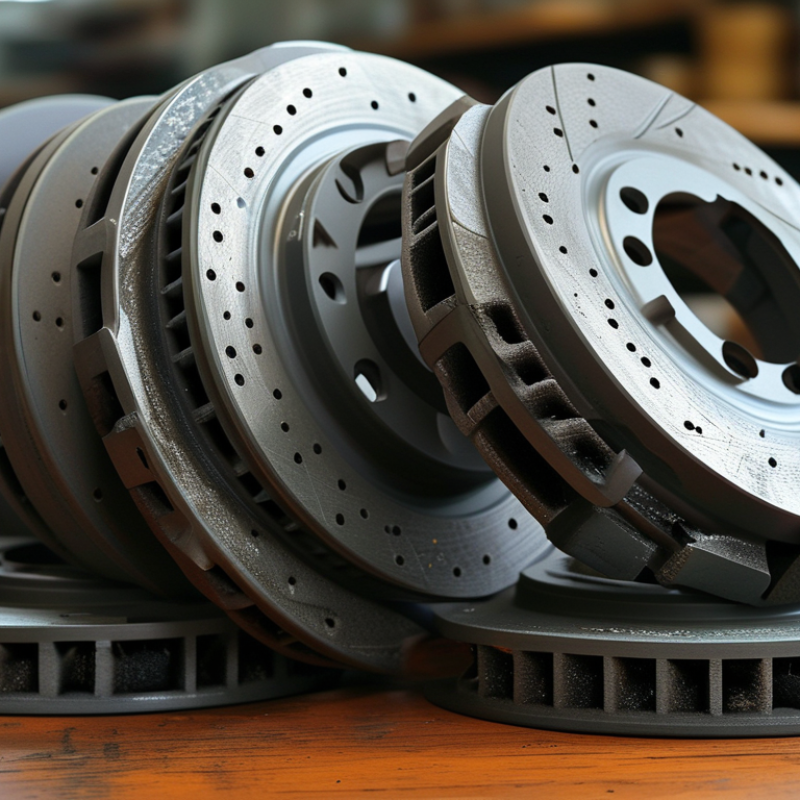
Understanding Ceramic Brake Pads and Their Composition
Ceramic brake pads have gained popularity for their balance of performance and durability. They are constructed using a composite of ceramics and other materials. This unique formulation provides better heat dissipation and minimizes dust production. Unlike organic pads, ceramic pads can handle higher temperatures without fading. Their less abrasive nature also contributes to longer lifespan for both pads and rotors.
While ceramic brake pads are known for their longevity, they aren't immune to wear. Regular inspections are crucial. Over time, even ceramic pads can lose effectiveness due to environmental factors like moisture and road debris. Be aware of any unusual sounds; they may indicate it’s time for a replacement. A good practice is checking your brake pads every 20,000 miles, even if they seem fine.
**Tip:** If you hear squeaking noises, don't ignore them. It could be a sign of wear.
To maximize the life of your ceramic pads, consider gentle driving habits. Hard braking can increase wear. Keep your braking system clean and free from contaminants. Regular maintenance checks can save you from costly repairs down the road.
**Tip:** Sticky calipers can lead to uneven pad wear. Always address brake issues promptly.
Factors Influencing the Lifespan of Ceramic Brake Pads
Ceramic brake pads are known for their durability and performance. Their lifespan can vary, influenced by several key factors. Firstly, driving habits play a significant role. Aggressive driving, such as rapid acceleration and hard braking, can significantly reduce the lifespan of brake pads.
According to a 2021 study by the Brake Manufacturers Council, aggressive driving can cut the expected lifespan by up to 30%.
Another factor to consider is the type of vehicle and its intended use. For instance, a passenger car used primarily for city driving will wear brakes out quicker than a vehicle used for highway driving. The constant stopping and starting in urban settings creates more heat, leading to faster wear. A report from the Society of Automotive Engineers indicates that vehicles with heavier loads or towing capabilities may also experience faster brake pad degradation.
Environmental conditions can also impact the performance of ceramic brake pads. Frequent exposure to harsh weather, such as rain, snow, and salt, can accelerate wear. Moreover, the type of rotor material and overall vehicle maintenance practices significantly contribute to brake pad longevity. Notably, inconsistent maintenance can lead to uneven wear, requiring more frequent replacements. Understanding these factors can help owners make informed choices for optimal brake performance.
Expected Mileage for Optimal Performance of Ceramic Brake Pads
Ceramic brake pads are popular for their durability and performance. They can last between 30,000 to 70,000 miles, depending on various factors. Driving habits, vehicle type, and road conditions all play significant roles in their lifespan. For city driving, with frequent stops, expect to replace them sooner. Highway driving often extends their life.
Regular maintenance is crucial for optimal performance. Inspecting your brake pads regularly helps catch wear before it becomes a problem. Poor installation can lead to uneven wear, reducing their lifespan. It's essential to ensure that brake components are clean and free of debris.
Mind your driving style, too. Aggressive braking can accelerate pad wear. Smooth braking helps conserve brake pad life. Remember to assess your vehicle's needs regularly. Listening to any unusual sounds can provide early warnings about your brake system. Stay attentive for a longer-lasting and safer driving experience.
How Long Do Ceramic Brake Pads Last for Optimal Performance?
| Vehicle Type |
Expected Mileage (Miles) |
Driving Conditions |
Maintenance Tips |
| Sedan |
30,000 - 70,000 |
City and Highway |
Regular inspections and cleaning |
| SUV |
25,000 - 60,000 |
Mixed Driving |
Check brake fluid levels |
| Truck |
20,000 - 50,000 |
Heavy Load and Towing |
Inspect pads after heavy use |
| Luxury Car |
30,000 - 70,000 |
Highway |
Use high-quality brake fluid |
Signs that Indicate the Need for Brake Pad Replacement
When it comes to brake pad maintenance, recognizing the signs that indicate the need for replacement is crucial. One primary symptom is squeaking or grinding noises when you brake. These sounds often signal that the pads have worn down significantly. Pay attention to your vehicle’s response; a sudden decrease in braking efficiency can be alarming and may indicate that it is time for new pads.
Another key sign is vibration in the brake pedal. If you feel your brake pedal pulsating or vibrating, it might point to uneven wear on the brake pads. Regular inspections can help identify these issues early, though many drivers overlook them. Additionally, if you notice a thicker layer of brake dust on your wheels, it could indicate excessive wear on the pads.
It's also important to consider the mileage since your last replacement. Ceramic brake pads typically last between 30,000 to 70,000 miles, depending on driving habits and conditions. If you're nearing the lower end of that range, it might be wise to check the condition of your brake pads, even if they seem to be functioning well. Keeping an eye out for these signs ensures optimal performance and safety on the road.
Maintenance Tips for Extending the Life of Ceramic Brake Pads
Ceramic brake pads are popular for their durability and performance. To ensure they last longer, proper maintenance is essential. Industry reports suggest that ceramic pads can last between 30,000 to 70,000 miles. However, this can vary based on driving habits and conditions.
One effective tip for extending the life of ceramic brake pads is to avoid aggressive driving. Sudden stops increase wear. Smooth acceleration and braking can significantly reduce wear. Regularly checking brake fluid levels also helps maintain optimal performance. Dirty or low fluid can cause pads to wear unevenly.
Additionally, it's crucial to inspect your brake system frequently. Look for unusual noises or vibrations when braking. These signs could indicate that your pads are nearing the end of their life or require adjustment. Ignoring these symptoms can lead to more significant issues down the line.
Another consideration is the type of driving you do. Frequent short trips may not allow the pads to heat up properly. This can lead to uneven wear. Consider scheduling longer drives occasionally to heat the brakes adequately. It may seem trivial, but these practices can significantly impact the longevity of ceramic brake pads.
FAQS
: Aggressive driving, like hard braking, can reduce lifespan by up to 30%. Smooth driving is better.
City driving causes quicker wear due to frequent stops. Highway driving usually results in less wear.
Harsh weather, like rain and snow, can accelerate wear on ceramic pads significantly over time.
Squeaking, grinding noises, and vibrations in the brake pedal are key indicators of wear.
Regular inspections are crucial, especially if you've driven 30,000 to 70,000 miles since the last replacement.
Avoid sudden stops, check fluid levels, and inspect for noises. Regular maintenance is vital for longevity.
Yes, frequent short trips may prevent pads from heating properly, leading to uneven wear over time.
Dirty or low brake fluid can cause uneven wear on pads. Regular fluid checks are essential for performance.
Overlooking symptoms can lead to more significant issues, resulting in potentially costly repairs later on.
Yes, smooth acceleration and braking help reduce wear. Aggressive driving should be minimized for better longevity.
Conclusion
Ceramic brake pads are known for their durability and performance, making them a popular choice among drivers. Understanding their composition is crucial, as it includes a combination of ceramic fibers, filler materials, and bonding agents that contribute to their efficiency. When considering how long do ceramic brake pads last, several factors come into play, including driving habits, vehicle weight, and environmental conditions. Generally, these brake pads can last anywhere from 30,000 to 70,000 miles under optimal conditions.
To maintain their effectiveness, it’s important to recognize the signs that indicate the need for brake pad replacement, such as squeaking noises or decreased braking efficiency. Implementing maintenance tips, like regular inspections and ensuring proper installation, can significantly extend the life of ceramic brake pads. By taking these precautions, drivers can enjoy optimal performance and longevity from their braking systems.
 WAS Auto
