WAS Auto WAS Auto

How to Identify a Warped Brake Disc Easily and Effectively?

Time:2026-06-19 Author:Charlotte
0%

In the world of automotive maintenance, ensuring safety is paramount. Brake systems are crucial for vehicle safety, and a warped brake disc can pose a significant risk. Understanding how to identify a warped brake disc is essential for drivers and mechanics alike. According to the National Highway Traffic Safety Administration (NHTSA), brake-related issues contribute to nearly 22% of vehicle accidents. Being aware of signs such as vibrations or noises can help catch problems early.

Industry reports indicate that warped brake discs can lead to uneven wear. This deterioration not only affects braking efficiency but can also increase repair costs. Regular checks are vital. Many experts advise performing inspections during routine maintenance. It's also worth noting that neglecting to address these issues may result in further complications.

Recognizing how to identify a warped brake disc can save time and money. Drivers should remain vigilant. Small indicators, like changes in pedal feel or squeaking sounds, should not be ignored. Addressing these concerns early on enhances both vehicle performance and safety.
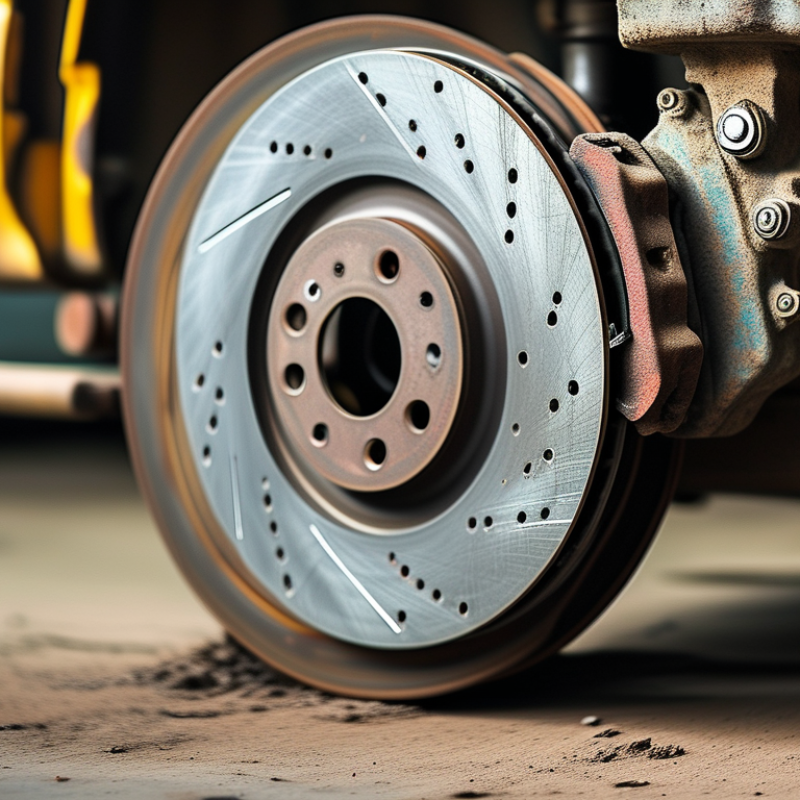
How to Identify a Warped Brake Disc Easily and Effectively?

Understanding the Basics of Brake Discs and Their Functionality

Brake discs are crucial for vehicle safety and performance. They are responsible for slowing down or stopping the car by creating friction with the brake pads. A well-functioning brake disc provides the necessary grip for effective braking. According to industry data, around 25% of all vehicle maintenance issues are related to brake systems, emphasizing their importance.

Over time, brake discs can warp due to excessive heat or wear. This can lead to uneven braking and vibrations felt through the steering wheel. Warped discs can increase stopping distances and compromise safety. A survey indicated that nearly 30% of drivers encountered issues related to warped brake discs. Recognizing symptoms early can prevent further damage and costly repairs.

Understanding the basics of how brake discs work helps drivers identify potential problems. Regular inspections of brake components can ensure optimal performance. It is critical to remain aware of unusual sounds or changes in responsiveness. If these issues arise, taking action before they escalate is wise. Brake discs are integral to driving safety, so never ignore warning signs.

Common Signs of Warped Brake Discs to Look Out For

Warped brake discs can significantly affect your vehicle’s performance and safety. There are several common signs that indicate this issue. One prominent sign is a pulsating sensation when you press the brake pedal. This can feel like the pedal is throbbing under your foot. It often occurs when discs become uneven, causing inconsistent braking.

Another symptom to watch for is squeaking or grinding noises when braking. These sounds might suggest that the brake pads are making contact with an uneven surface. Additionally, if you notice your vehicle pulling to one side while braking, it’s crucial to inspect the brake discs. This could indicate that one disc is more damaged than the other.

Look out for physical distortions on the disc surface too. Rust or scoring can often be seen. These imperfections can cause vibrations during braking. If your steering wheel also vibrates during braking, it’s time to take action. Warped discs require attention before they worsen. Ignoring these signs can lead to more serious issues,compromising safety. Regular checks can save you from costly repairs later.

Step-by-Step Guide to Inspecting Brake Discs for Warping

Inspecting brake discs for warping is crucial for vehicle safety. Start by ensuring the car is on a stable surface, and raise it using a jack. Inspect the brake discs visually for any noticeable imperfections or uneven surfaces. Look for grooves, discoloration, or abnormal wear patterns. These signs can indicate that the discs are warped.

Feel the disc's surface with your hand. A warped disc might feel uneven or bumpy. You can also test it by spinning the wheel. Listen for any unusual sounds or vibrations. If the wheel doesn’t spin smoothly, this might point to warped discs that need attention.

**Tips:** Always check the vehicle’s manual for specific guidelines on brake inspections. Use a flashlight for a clear view of the disc surface. After inspection, take a moment to reflect on any issues. Ignoring warped discs can lead to more significant problems. Regular checks can prevent accidents and ensure a safer driving experience.

Tools and Techniques for Effectively Testing Brake Disc Condition

When assessing the condition of your brake discs, having the right tools is essential. A dial gauge tool can measure disc runout effectively. This equipment detects warping by checking how much the disc deviates from a perfect circle. A simple visual inspection is also crucial. Look for irregular wear patterns or grooves. These signs can indicate underlying issues.

Tips: Keep your car on a level surface during inspection. This ensures accurate readings. Regular checks can prevent larger problems down the road.

Another useful technique is to listen for abnormal noises. A squealing sound while braking may suggest disc problems. Vibration through the steering wheel can indicate uneven wear. It's wise to trust your instincts. If something feels off, it probably is.

Tips: Don't ignore warning signs. Addressing minor issues early can save on extensive repairs later. Always document your findings for future reference.

When to Seek Professional Help for Brake Disc Issues

Brake discs are crucial for vehicle safety. Identifying issues early can prevent serious accidents. If you notice vibrations in the steering wheel when braking, it could signal a warped brake disc. The National Highway Traffic Safety Administration (NHTSA) highlights that nearly 30% of braking issues stem from disc problems. Inconsistent braking responses should not be ignored.

Professional assessment is vital when symptoms arise. A mechanic can check for irregular wear patterns, which often indicate brake disc issues. According to the Institute of Mechanical Engineers, about 20% of drivers postpone brake checks until they notice significant problems. This can lead to costly repairs and unsafe driving conditions.

Forced braking can wear discs quicker. Environmental factors, such as road conditions and braking habits, also affect durability. Regular inspections by professionals can catch these issues before they escalate. Consider scheduling evaluations, especially if you frequently drive in heavy traffic or mountainous areas.

FAQS

: What are brake discs?

: Brake discs are essential components that help slow or stop a vehicle by creating friction with brake pads.

Why are brake discs important?

They play a crucial role in vehicle safety and performance, ensuring effective braking when needed.

What happens to brake discs over time?

Over time, brake discs can warp due to heat or wear, leading to uneven braking and vibrations.

How can I tell if my brake discs are warped?

Common signs include a pulsating brake pedal, squeaking noises, or if the vehicle pulls to one side when braking.

What should I do if I notice these symptoms?

It’s important to inspect the brake discs promptly to avoid further damage and costly repairs.

How can regular inspections help?

Regular checks ensure optimal brake performance and help identify any potential problems before they escalate.

What physical signs indicate warped brake discs?

Look for rust, scoring, or distortions on the disc surface, which can lead to vibrations during braking.

What is the risk of ignoring brake issues?

Ignoring warning signs can lead to severe safety risks, longer stopping distances, and more significant damage.

Are there any sounds that indicate brake problems?

Squeaking or grinding noises while braking may suggest contact with an uneven surface on the brake discs.

What is the impact of warped brake discs on driving?

Warped brake discs can compromise safety, lead to longer stopping distances, and affect overall vehicle performance.

Conclusion

The article "How to Identify a Warped Brake Disc Easily and Effectively?" provides a comprehensive overview of brake discs, their functionality, and the common indicators of warping that drivers should be aware of. It outlines the importance of recognizing symptoms such as vibrations during braking or uneven wear patterns, which can signify a warped brake disc. Additionally, the piece presents a step-by-step guide for inspecting brake discs and offers insights into the tools and techniques necessary for effectively testing their condition.

Moreover, the article emphasizes the importance of knowing when to seek professional help for brake disc issues. It equips readers with the knowledge required to understand how to identify a warped brake disc, ensuring that they can maintain vehicle safety and performance effectively. By following the guidelines provided, drivers can monitor their brake discs and address any potential problems before they escalate.

Charlotte

Charlotte

Charlotte is a seasoned marketing professional with a deep understanding of the company's portfolio and a passion for elevating its presence in the market. With a keen eye for detail and a commitment to excellence, she ensures that our professional blog is regularly updated with insightful articles......