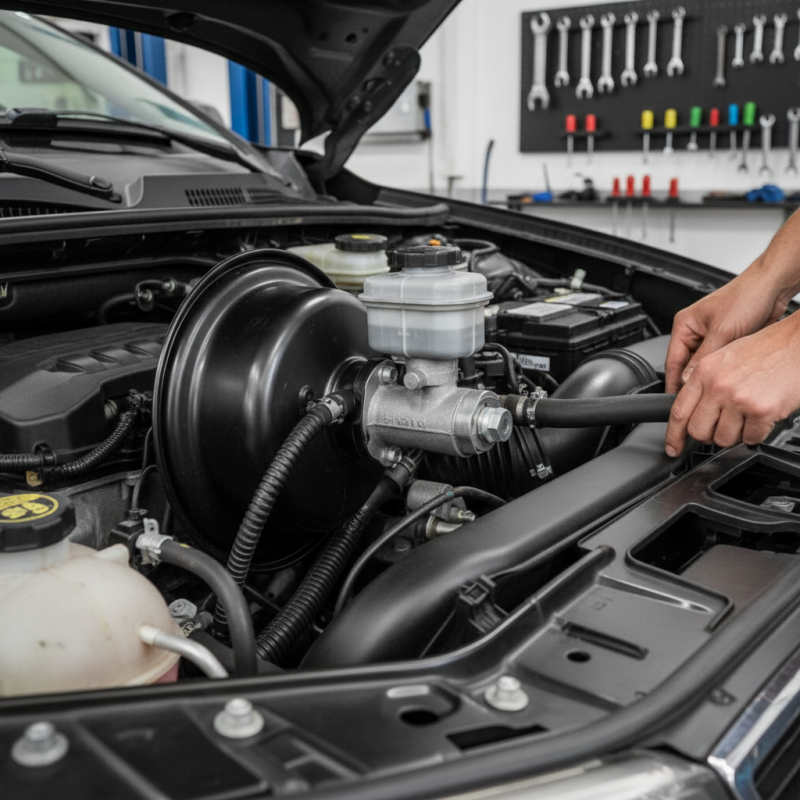
Understanding vehicle safety is crucial for every driver. One key component in ensuring safe braking is the brake booster. According to John Smith, an automotive safety expert, “Recognizing the symptoms of a failing brake booster can prevent accidents.” So, what are the symptoms of a failing brake booster?
Drivers often overlook the signs. A hissing noise while pressing the brake pedal may indicate a failing booster. Additionally, if the pedal feels stiff or hard, it can signal problems. Another symptom is a longer stopping distance, which compromises safety. Noticing these issues early can help prevent more expensive repairs later on.
In Summary, being aware of symptoms is vital for vehicle maintenance. Ignoring the brake booster’s condition could lead to serious consequences. Stay alert and regularly inspect your vehicle to ensure safe driving experiences.
Symptoms of a Failing Brake Booster: Understanding the Essentials
A failing brake booster can severely impact vehicle safety. Understanding its symptoms is critical for drivers. Common indicators include a
hard brake pedal, increased stopping distance, and an unusual hissing noise when applying the brakes. According to automotive experts, around
15% of vehicle brake issues stem from booster failures.
Pay close attention to your vehicle's performance. If your brakes feel unresponsive, it might be time to inspect the booster. A study by the
National Highway Traffic Safety Administration reported that faulty brakes contribute to approximately
30% of all road accidents. This underscores the importance of regular maintenance and inspections.
Tips: Listen for any strange sounds during braking. If you notice any, get a professional check-up. Also, monitor pedal pressure; softness may indicate issues with the booster. Keeping a close eye on these symptoms could prevent dangerous situations on the road. While it's often easy to overlook brake issues, they can lead to severe consequences. Addressing signs of failure quickly is crucial for safety.
Common Signs of Brake Booster Malfunction in Vehicles
Identifying symptoms of a failing brake booster is crucial for safety. A malfunctioning brake booster can lead to increased stopping distances. One common sign is a hard brake pedal. When the pedal requires excessive force, it indicates that the booster is not working effectively.
Another warning sign is a hissing noise when applying the brakes. This sound could suggest a vacuum leak or internal failure. Drivers may also notice a decrease in braking responsiveness. If the vehicle feels unsteady during braking, it’s time to investigate further.
Visual inspection can reveal additional issues. Check for any fluid leaks around the booster area. Pay attention to the brake warning light on the dashboard. Regular maintenance helps prevent such problems. It's essential to address these symptoms early to ensure your vehicle remains safe on the road.
Impact of a Non-Functioning Brake Booster on Vehicle Safety
A non-functioning brake booster can severely compromise vehicle safety. The brake booster increases the force applied to the brakes. Without it, stopping distances can double or even triple. This lack of response heightens the risk of collisions. An unexpected need to brake hard becomes a matter of life and death. Drivers may struggle to exert the necessary pressure on the brake pedal, leading to dangerous situations.
Symptoms such as a stiff brake pedal or unusual noises while braking are warning signs. If the brake booster fails, it may also affect other components, such as the master cylinder. Uneven braking can result, making the vehicle unstable. Even a slight loss of control can be catastrophic. Always stay alert to how your vehicle responds. Sometimes, we overlook these warning signs, believing everything is fine. This complacency can create fatal outcomes.
Regular vehicle maintenance is crucial. Ensure the brake booster and related parts are checked during routine inspections. However, individuals often prioritize other issues over brakes. This mindset can lead to overlooking vital safety components. Investing time in understanding brake systems can prevent accidents. Don't wait for clear signs to act. Being proactive about brake system health is imperative for safety.
Impact of a Non-Functioning Brake Booster on Vehicle Safety
This chart illustrates the severity of various symptoms associated with a failing brake booster. As the failing condition progresses, symptoms such as reduced stopping power and increased braking distance become more pronounced, significantly affecting vehicle safety.
Industry Standards for Testing Brake Booster Performance
Assessing brake booster performance requires adherence to established industry standards. These standards provide a framework to ensure safety and reliability. A well-functioning brake booster enhances braking efficiency by providing additional force when you press the brake pedal. However, it is crucial to recognize symptoms of a failing booster early.
Common indicators include a hard brake pedal and extended stopping distances. If the brake pedal feels unusually stiff, this could signal a loss of vacuum assistance. Testing methods involve measuring the vacuum levels and inspecting for leaks. A brake booster should maintain appropriate vacuum levels under various driving conditions. Observing any irregular sounds during braking can also point to potential issues.
Regular maintenance is essential for preventing failure. Technicians often perform tests using specialized equipment to evaluate brake booster performance. Awareness of industry standards guides these evaluations. Following these guidelines helps identify malfunctions before they escalate. While the tests are straightforward, the interpretation of results can be complex. Understanding these dynamics requires both experience and expertise.
2026 How to Identify Symptoms of a Failing Brake Booster? - Industry Standards for Testing Brake Booster Performance
| Symptoms of Brake Booster Failure |
Description |
Test Method |
Expected Outcome |
| Hard Brake Pedal |
Brake pedal feels stiff, requiring more effort to press. |
Perform a vacuum test. |
Vacuum pressure below standard indicates failure. |
| Hissing Noise |
Audible hissing sound when the brake is applied. |
Inspect for air leaks around the booster. |
Presence of leaks confirms failure. |
| Brake Warning Light |
Dashboard brake warning indicator activates. |
Scan vehicle diagnostics. |
Error codes relating to brake system may indicate failure. |
| Inconsistent Brake Response |
Brakes may feel different at times or respond slowly. |
Conduct a brake performance test on the road. |
Inconsistent stopping distances indicate potential booster issues. |
| Pedal Sink |
Brake pedal gradually sinks to the floor when held down. |
Check for fluid leaks and test booster function. |
Presence of sink with no external leaks indicates failure. |
Expert Recommendations for Diagnosing Brake Booster Issues
A failing brake booster can lead to serious safety issues. It's crucial to spot the symptoms early. An expert suggests watching for changes in brake pedal resistance. If the pedal feels soft or sinks when pressed, it may signal a problem. Listening for hissing sounds from the booster is another red flag. This noise often indicates a vacuum leak.
Pulsating brakes can also indicate brake booster issues. When the brakes feel uneven, it may mean the booster isn't functioning correctly. Additionally, if your car pulls to one side while braking, this could signal brake imbalance. Regular inspection and maintenance are key to ensuring your brake system remains reliable.
Don't ignore warning signs. A failing brake booster not only compromises safety but can also lead to costly repairs. Seek professional help if you notice these symptoms. Delaying action could lead to larger issues down the road. Trust your instincts and pay attention to how your vehicle responds.
Conclusion
The article "2026 How to Identify Symptoms of a Failing Brake Booster?" provides vital insights into understanding what are the symptoms of a failing brake booster. Key signs of brake booster malfunction include a hard brake pedal, increased stopping distance, hissing noises when braking, and an illuminated dashboard warning light. These symptoms can significantly compromise vehicle safety, highlighting the importance of regular maintenance and timely diagnostics.
Furthermore, the article discusses the industry standards for testing brake booster performance and offers expert recommendations for diagnosing any issues. Recognizing and addressing brake booster problems not only ensures the safe operation of the vehicle but also enhances overall driving experience. Understanding these elements is essential for any vehicle owner concerned about safety and performance.
 WAS Auto