WAS Auto WAS Auto

How to Fix a Grinding Noise When Braking?

Time:2026-09-13 Author:Mason
0%

A grinding noise when braking is more than an annoying sound. It can signal worn brake pads, damaged rotors, trapped debris, or a caliper problem. If you are asking, “what does a grinding noise when braking mean,” the safest answer is that metal may be contacting metal. That situation deserves prompt attention.

During a careful inspection, a technician checks the pad thickness, rotor surface, caliper movement, and wheel area. A sharp scrape at low speed may come from a small stone. A deep, rough growl often points to severe pad wear. You may also feel vibration through the pedal, notice the vehicle pulling sideways, or smell overheated metal after a short drive.

Do not ignore it.

Continuing to drive can increase stopping distance and turn a simple pad replacement into a larger repair. Still, sound alone cannot confirm the cause. I have seen drivers assume every brake grind meant ruined rotors, while some noises came from surface rust after rain. That assumption can waste money. A proper diagnosis matters.

This guide explains how to identify common grinding sounds, what checks are safe, and when professional service is necessary. It also considers warning signs that require towing instead of driving. Brakes are safety-critical components. If the pedal feels soft, the car pulls strongly, or the noise suddenly worsens, stop in a safe location and seek qualified assistance. Small details matter here, and even experienced owners can miss them.
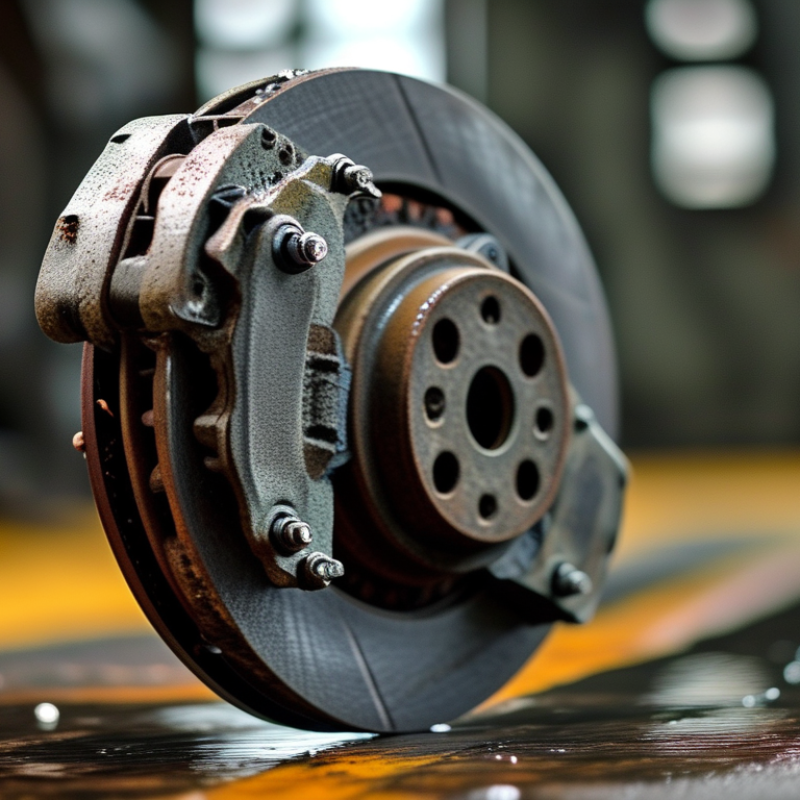
How to Fix a Grinding Noise When Braking?

Identify the Source and Severity of the Grinding Noise

How to Fix a Grinding Noise When Braking?

A grinding noise during braking can come from several sources, and its timing matters. Does it occur only when pressing the pedal, or also while coasting? A sharp scrape during braking may mean the friction material is completely worn. Metal may be rubbing against the rotor. That can damage the rotor quickly and reduce stopping performance. A light, occasional scrape might come from dust, a small stone, or a bent backing plate. I have also seen surface rust create noise after a vehicle sits overnight. It often disappears after several careful stops, but not always.

Severity depends on more than volume. A deep grinding sound, steering-wheel vibration, vehicle pulling, or a soft pedal requires immediate attention. Stop driving if the brake pedal sinks, the vehicle needs extra distance, or one wheel smells unusually hot. Do not touch the wheel immediately; trapped heat can cause burns. A technician should inspect the pads, rotors, caliper movement, hardware, and backing plate. A quick visual check through the wheel can reveal thin pads, but it cannot confirm safe braking.

If the noise continues, arrange a professional inspection before regular driving. Replacing only the noisy part may be a mistake when the rotor is deeply scored or the caliper is sticking. Avoid spraying oil or lubricant near braking surfaces. I once underestimated a faint scrape, and the damage became more expensive after several days. That was a useful reminder: quiet does not always mean safe.

Inspect the Brake Pads, Rotors, Calipers, and Hardware

How to Fix a Grinding Noise When Braking?

A grinding noise usually means metal is contacting metal. Do not assume it is only dust. Park safely, let the brakes cool, and inspect the affected wheel before driving again. A short test may reveal whether the sound changes during light braking or turning. If braking feels weak, the pedal pulses severely, or the vehicle pulls, arrange professional inspection.

Check the brake pads through the caliper opening. Look for thin friction material, uneven wear, cracks, or a loose backing plate. Less than about 3 millimeters deserves prompt attention, although the vehicle’s service specification controls. Remove the wheel only with proper support. Inspect the rotor for deep grooves, blue heat spots, heavy rust, or a sharp outer lip. Measure rotor thickness against its stamped minimum specification. Surface appearance alone can mislead.

Examine the caliper piston, slider pins, boots, and mounting bolts. A seized slider can leave one pad grinding while the other looks acceptable. Check the anti-rattle clips and shims for bending, corrosion, or incorrect installation. They can touch the rotor and create an irritating scrape. Never place grease on friction surfaces. Use the correct brake lubricant only on specified contact points. I have seen hurried repairs miss a bent shield behind the rotor; it can make a similar sound. That mistake is easy to repeat. After repairs, rotate the wheel by hand, pump the pedal, and perform a slow test in a safe area.

How to Fix a Grinding Noise When Braking? - Inspect the Brake Pads, Rotors, Calipers, and Hardware

Component Common Cause of Grinding Inspection Method Reference Condition or Measurement Recommended Repair Urgency
Brake Pads Friction material is worn through, allowing the metal backing plate to contact the rotor. Inspect the pad through the caliper opening or remove the wheel for a complete view. Check both the inner and outer pads. Around 3 mm of friction material is commonly treated as a replacement point. Never allow the pad to wear to the backing plate. Follow the vehicle service specification. Replace the pads as an axle set. Inspect the rotor for deep grooves, blue spots, cracks, or excessive wear. High — avoid unnecessary driving.
Brake Rotors A deeply scored, warped, cracked, or severely corroded rotor can create metal-to-metal contact and abrasive noise. Measure rotor thickness at several points and compare the result with the minimum thickness marked on the rotor or listed in the service manual. Check the braking surface visually. Rotor thickness must remain above the manufacturer’s stated minimum. Thickness variation and lateral runout must also remain within the specified limits. Replace the rotor when it is below its discard thickness, cracked, badly grooved, or damaged by worn pads. Replace rotors in axle pairs when required by service practice. High — braking performance may be reduced.
Brake Caliper A seized piston or restricted slide pin can hold the pad against the rotor and cause continuous grinding, heat, and uneven wear. Compare inner and outer pad wear. After a short drive without heavy braking, check for abnormal heat or a burning odor. Inspect piston movement and slide-pin operation during service. Pads should wear relatively evenly. A large difference between inner and outer pad thickness indicates possible caliper, slide-pin, or hose restriction. Clean and lubricate suitable slide-pin surfaces with approved brake lubricant. Rebuild or replace the caliper if the piston, seal, bore, or slide mechanism is damaged. High — overheating can damage nearby parts.
Pad Clips and Abutment Hardware Rust, distortion, missing clips, or incorrect installation can prevent the pads from moving freely in the bracket. Remove the pads and inspect the contact points, retaining clips, anti-rattle springs, and bracket lands for rust buildup or deformation. Pads should slide smoothly in the bracket without binding, excessive looseness, or contact with the rotor when the brake is released. Replace damaged or heavily corroded hardware. Remove rust from bracket contact surfaces without reducing the designed pad support area. Medium to high.
Dust Shield or Backing Plate A bent shield can touch the rotor and produce a scraping or grinding sound that changes with wheel speed. Inspect the clearance between the shield and the rotor. Look for shiny contact marks, dents, stones, or trapped debris. The shield should not contact the rotating rotor or wheel. Clearance is vehicle-specific and should be visually unobstructed. Remove trapped debris and carefully reshape a bent shield. Replace it if cracked, loose, or severely corroded. Moderate, unless combined with brake damage.
Wheel Bearings and Hub A worn bearing can create a growling or grinding noise that may be mistaken for brake noise, especially when the vehicle is moving. Safely lift the vehicle, rotate the wheel, listen for roughness, and check for play. Compare noise during gentle left and right turns. The wheel should rotate smoothly without roughness, abnormal noise, or detectable looseness. Use the specified bearing end-play limit where applicable. Repair or replace the bearing or hub assembly according to the vehicle’s service procedure. High if looseness or severe noise is present.
Brake Fluid and Hydraulic System A hydraulic fault may cause dragging, uneven braking, or failure of one caliper to release fully. Check the fluid level, warning lights, hoses, leaks, and pedal behavior. Inspect for a wheel that remains hot after braking. Fluid should be at the specified level and free from visible contamination. The pedal should remain firm without sinking under steady pressure. Repair leaks, replace damaged hoses or hydraulic components, and bleed the system using the specified procedure. Critical if the pedal is soft or fluid is leaking.
Foreign Material A small stone, rust scale, or road debris trapped near the rotor can produce intermittent scraping. Inspect the rotor edge, dust shield, caliper area, and pad channels. Look for fresh scrape marks or loose debris. No debris should remain between rotating and stationary brake components. Remove the debris only after the vehicle is safely supported. Reinspect the rotor and pads for scoring or embedded material. Low to moderate if braking remains normal.
Safety note: Reference measurements are general inspection guidelines. Brake-pad thickness limits, rotor discard thickness, runout limits, torque values, and repair procedures vary by vehicle. Always use the applicable service specification. If the grinding is accompanied by reduced braking, pulling, a soft pedal, smoke, or a brake warning light, stop driving and arrange professional inspection.

Check for Debris, Rust, or Sticking Brake Components

A grinding noise under braking often begins with something small: trapped grit, surface rust, or a brake part that cannot move freely. I have heard this sound after a car sat through several rainy days. Rust formed on the rotor, then scraped against the pads during the first stops. Light noise may fade after gentle braking, but harsh, repeated grinding deserves attention. Do not assume it is harmless.

Park safely and let the brakes cool completely. Look through the wheel openings for stones, damaged dust shields, or deep grooves on the rotor surface. A loose shield can touch the rotor and create a metallic scrape. Thin, even rust is usually less concerning. Flaking rust, blue patches, or uneven scoring needs professional inspection. Never place fingers near moving parts.

Sticking brake components can produce constant contact. A seized caliper piston, dry slide pin, or jammed pad may leave one wheel unusually hot. Compare wheel temperatures without touching them directly. A burning smell or sideways pulling is a stronger warning. I once blamed simple rust and missed a dragging pad. That mistake made the repair more expensive. Cleaning may remove loose debris, but never lubricate friction surfaces. If grinding continues, stop driving and have a qualified technician check pad thickness, rotor condition, and caliper movement.

Replace or Repair the Damaged Brake Parts Safely

How to Fix a Grinding Noise When Braking?

Grinding during braking usually means metal is contacting metal. Worn brake pads may have lost their friction material, exposing the backing plate. A damaged rotor can show deep circular grooves, blue heat marks, or sharp outer edges. Do not keep driving to “see if it improves.” It rarely does.

Park on level ground and let the brakes cool completely. Lift the vehicle only with approved equipment, then secure it before removing a wheel. Check both pads on each side, because inner pads can wear faster than outer pads. Replace pads as an axle set, not one at a time. If the rotor is below its stamped minimum thickness, cracked, heavily scored, or heat-damaged, replace it. Light surface rust may disappear after normal braking, but severe damage needs professional inspection.

A sticking caliper can cause fresh pads to grind again. Check for uneven pad wear, a loose caliper, damaged guide pins, and brake-fluid leakage. Repair or replace defective hardware before fitting new parts. Clean mounting surfaces and tighten fasteners to the vehicle maker’s specified torque. After installation, press the pedal until it feels firm, then test slowly in a safe area. I have seen rushed repairs miss a seized guide pin. That mistake wastes new parts. If the pedal remains soft, the vehicle pulls sharply, or grinding continues, stop testing and arrange qualified service.

Brake Grinding Noise: Friction-Material Thickness Reference

Grinding during braking can indicate severely worn brake pads, allowing the backing plate to contact the rotor. A new friction layer is commonly about 10 mm thick; inspect closely around 4 mm and replace the pad at or below about 3 mm. Actual limits vary by vehicle, so confirm the manufacturer’s specification and inspect the rotor for scoring or damage.

Test the Brakes and Confirm the Noise Has Been Resolved

How to Fix a Grinding Noise When Braking?

After inspecting the pads, rotors, caliper hardware, and dust shield, perform a controlled brake test. Choose a dry, quiet road with little traffic. Keep both hands on the steering wheel. Apply the brakes gently from low speed, then repeat with moderate pressure. Listen for grinding, scraping, clicking, or pulsation through the pedal. Notice whether the vehicle pulls to one side.

Do not rely on one successful stop. A damaged component may stay quiet when cold, then make noise after several applications. I once found that a brief driveway test seemed normal, but the sound returned after five minutes of driving. That result changed the inspection. Allow the brakes to cool, then check for unusual heat, a sharp smell, or one wheel feeling much hotter than the others. Avoid touching metal parts directly.

Test again at different speeds, but never exceed a safe limit for the road. Keep the windows open so outside sounds do not hide the problem. If the grinding remains, stop testing and arrange a professional inspection. Continued driving can worsen rotor damage or reduce braking performance. If the noise disappears, confirm it during a final short drive with several smooth stops. The repair is not fully verified until braking feels even, quiet, and predictable. A faint noise may still deserve attention, especially when it appears during turning or after rain.

FAQS

What can cause a grinding noise when braking?

Worn friction material may let metal rub against the rotor. Dust, stones, surface rust, or a bent backing plate can also scrape.

Is light scraping after rain always dangerous?

Not always. Thin surface rust may make noise after the vehicle sits overnight. Gentle stops can remove it, but repeated scraping needs inspection.

Which symptoms require immediate attention?

Deep grinding, steering-wheel vibration, pulling, or a soft pedal are serious warnings. Stop driving if the pedal sinks or stopping distance increases.

What does an unusually hot wheel suggest?

A hot wheel may indicate a sticking caliper, dry slide pin, or jammed pad. Do not touch it immediately; trapped heat can burn skin.

Can I inspect the brakes at home?

Park safely and wait until everything cools. Look through the wheel openings for thin pads, deep rotor grooves, stones, or a damaged shield.A quick glance can mislead.

Should I remove debris or rust myself?

Loose debris may sometimes be visible, but avoid placing fingers near moving parts. Cleaning cannot fix damaged rotors or sticking components.

Can I spray lubricant to stop the grinding?

Never spray oil or lubricant near braking surfaces. It can reduce friction and make stopping less predictable.

Is replacing only the noisy part enough?

Not always. A deeply scored rotor or sticking caliper may damage a new friction part. A qualified technician should check the complete assembly.

Can I continue driving if the noise is faint?

Perhaps briefly, but that judgment can fail. I once underestimated a faint scrape, and several days made the repair more expensive.

Conclusion

A grinding noise during braking should never be ignored, because it may indicate worn brake pads, damaged rotors, a sticking caliper, or loose hardware. If you are wondering, “what does a grinding noise when braking mean,” begin by identifying when the sound occurs and whether it is accompanied by vibration, pulling, reduced stopping power, or warning lights. These symptoms can help determine the seriousness of the problem and whether the vehicle should be driven.

Inspect the brake pads, rotors, calipers, and related hardware for excessive wear or damage. Also check for trapped debris, rust buildup, or components that are not moving freely. Depending on the inspection, the affected parts may need cleaning, repair, or replacement using safe procedures and suitable equipment. Afterward, test the brakes carefully in a safe area to confirm that braking performance has returned and the grinding has disappeared. If the cause is unclear or the braking system appears severely damaged, seek help from a qualified technician.

Mason

Mason

Mason is a seasoned marketing professional with a deep expertise in the company's offerings and a passion for driving brand awareness. With a strong background in digital marketing strategies, he has an innate ability to connect with diverse audiences and effectively communicate product benefits.......