WAS Auto WAS Auto

What Does Grinding Noise When Braking Indicate?

Time:2026-05-19 Author:Charlotte
0%

When driving, unexpected noises can signal a problem. One common concern is the grinding noise that occurs when braking. This sound often raises questions. What does a grinding noise when braking mean? Understanding this noise is crucial for safety and vehicle maintenance.

A grinding noise typically indicates wear and tear. It could mean brake pads are worn down to the metal. This condition can lead to significant damage if ignored. Furthermore, improper installation or faulty components may also cause these sounds. Regular inspections are vital for ensuring your vehicle’s braking system functions correctly.

Recognizing these warning signs can help prevent accidents. If you hear a grinding noise, it’s essential to investigate promptly. Seek professional advice to address the issue before it worsens. Ignoring this sound might lead to costly repairs and compromised safety. Driving should always be a priority in terms of safety.
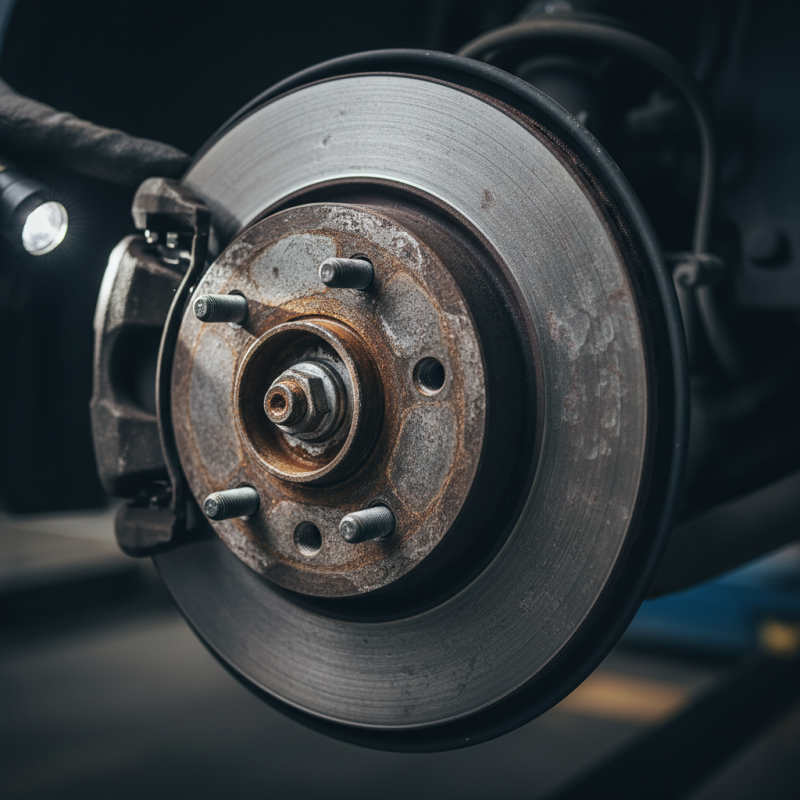
What Does Grinding Noise When Braking Indicate?

Understanding Grinding Noise When Braking

Hearing a grinding noise when braking can be concerning. It often suggests that the brake pads are worn down. This noise occurs when metal parts of the brake system come into contact. In a well-functioning system, brake pads should fit snugly against the rotor without any metal-to-metal grinding.

This sound might also indicate other issues. Sometimes, debris can get caught between the rotor and pad. This can lead to a similar noise, which may not be as serious. However, it is still crucial to inspect the braking system promptly. Ignoring these noises could lead to more severe problems down the line.

Brake systems need regular maintenance. Professionals recommend checking the brake pads at least twice a year. If you hear grinding, don't delay. Schedule an inspection to ensure your safety on the road. An expert can assess the situation clearly. Remember, proactive care helps avoid costly repairs and ensures safer driving experiences.

What Does Grinding Noise When Braking Indicate? - Understanding Grinding Noise When Braking

Reason for Grinding Noise Potential Consequences Recommended Action
Worn Brake Pads Reduced braking efficiency, potential damage to brake rotors Replace brake pads immediately
Dirty Brake Components Inconsistent braking, potential wear on brake rotors Clean brake components and inspect
Damaged Rotors Vibration, uneven brake response Resurface or replace rotors as necessary
Insufficient Lubrication Increased wear and tear on brake components Lubricate contact points properly
Foreign Objects Scratching and scoring of rotors Inspect and remove any debris
Poor Quality Brake Parts Increased noise and wear Use high-quality replacement parts

Common Causes of Grinding Noises in Brake Systems

Grinding noises when braking can be unsettling. These sounds often indicate an underlying issue within your brake system. Understanding the common causes can help you address the problem effectively.

One of the primary reasons for grinding noises is worn brake pads. When the friction material on the pads is depleted, metal contacts the rotor. This can damage the rotor and reduce braking efficiency. Additionally, debris trapped between the brake pad and rotor can create unwanted sounds. This may happen if small stones or dust accumulate during driving.

Another potential cause is a malfunctioning brake caliper. A stuck caliper can cause uneven wear on the pads. This results in contact with the rotor and creates grinding noises. Keeping an eye on brake fluid levels is also important. Low fluid can affect brake performance, leading to noise during engagement. Regular checks and maintenance can prevent these issues, but some may overlook them. It's essential to listen to your vehicle and respond to unusual sounds promptly.

Potential Safety Issues Associated with Brake Noises

Grinding noises when braking can indicate various safety issues that may compromise vehicle performance. According to the National Highway Traffic Safety Administration (NHTSA), brake noise is often a precursor to critical failures. Ignoring these sounds can lead to increased stopping distances and ultimately accidents.

A report from the Automotive Service Association highlights that roughly 25% of all vehicle-related accidents involve brake system failure. Whether it's worn-out brake pads or damaged rotors, both issues can cause grinding sounds. When brake pads wear down, they may no longer press evenly against the rotor, causing uneven surface contact and increased friction. This can further lead to overheating and distorted rotors, escalating repair needs.

Additionally, a 2022 survey by Consumer Reports noted that 30% of drivers overlook brake noise during maintenance checks. This negligence can result in catastrophic outcomes. It is crucial to pay attention to such signs. A simple inspection by a qualified professional can prevent severe safety hazards. Regular maintenance and timely repairs can enhance vehicle safety, ensuring better performance and longevity.

How to Diagnose and Address Grinding Sounds When Braking

When you hear grinding noises while braking, it's a clear signal that your vehicle needs immediate attention. This sound often indicates worn-out brake pads or damaged rotors. Inspect the brake system at the first sign of this noise. Any delay could lead to more severe damage and costly repairs.

To diagnose the issue, check the brake pads first. If they are thin or uneven, replace them. Next, examine the rotors for grooves or discoloration. These imperfections can cause grinding when braking. Look out for any debris lodged between the pads and rotor. This can create unwanted noise and reduced braking efficiency.

Addressing grinding sounds early can save you money and ensure your safety. Regular maintenance and inspections are essential. They can help catch issues before they worsen. Remember, ignoring these sounds can lead to bigger, often unexpected, repairs. Stay proactive in maintaining your vehicle.

Preventative Measures to Avoid Grinding Noises in Brakes

Grinding noises when braking can indicate serious issues with your vehicle's brake system. Preventing such noise is essential for your safety and vehicle maintenance. Regular inspections and timely replacements of brake pads are key steps in avoiding these sounds. Worn-out pads lead to metal-on-metal contact, which creates unpleasant noises and can damage rotors.

Tips for prevention: Always pay attention to the feel of your brakes. If they seem less responsive, inspect them. Brake dust can accumulate, so ensure your wheels are clean. Scheduled maintenance is critical. Brake fluid must be topped up and replaced as needed. Don't ignore warning lights on your dashboard. They can indicate worn pads or low fluid levels.

Finally, consider your driving habits. Hard stops and aggressive driving can lead to quicker brake wear. Smooth driving helps extend the life of your brake components. Awareness is your best weapon against unwanted grinding noises. Be proactive and keep an ear out for changes in sound or feel when braking. Taking these steps can save you from more costly repairs down the road.

FAQS

: What does a grinding noise when braking indicate?

: It often suggests the brake pads are worn down. Metal parts are likely touching.

Can debris cause grinding noises when braking?

Yes, debris can get stuck between the rotor and pad. This may create similar noises.

What are the risks of ignoring brake noises?

Ignoring them can lead to serious problems, like accidents by increasing stopping distances.

How often should brake pads be checked?

They should be inspected at least twice a year for optimal safety and performance.

What happens if brake pads wear unevenly?

Worn pads may cause uneven contact with the rotor, leading to increased friction and overheating.

How can I ensure my brakes are safe?

Schedule regular inspections with a qualified professional to catch any issues early.

What do statistics say about brake system failures?

Approximately 25% of vehicle accidents involve brake system failures, often due to neglected maintenance.

Why do drivers ignore brake noise during maintenance?

A survey showed that 30% of drivers overlook it, which can have dangerous consequences.

What can overheating rotors lead to?

It can escalate repair needs and compromise vehicle safety, leading to potential accidents.

Is it more cost-effective to maintain brakes regularly?

Yes, proactive care helps avoid costly repairs and keeps the vehicle safer on the road.

Conclusion

Grinding noises when braking can be concerning for drivers, prompting the question: what does a grinding noise when braking mean? This sound typically indicates that the brake pads are worn down to the metal, leading to potential damage to the rotors and reduced braking efficiency. It is essential to understand the common causes of these noises, such as worn brake pads, improper installation, or brake system contamination.

Additionally, the presence of grinding sounds can indicate serious safety issues, as they often compromise the vehicle's ability to stop effectively. To address this problem, drivers should diagnose the source of the noise promptly and seek professional help if necessary. Regular maintenance and inspections can help prevent grinding noises, ensuring a safer driving experience. Taking proactive measures, such as replacing brake components on time and using quality parts, can significantly reduce the likelihood of encountering grinding sounds in the brake system.

Charlotte

Charlotte

Charlotte is a seasoned marketing professional with a deep understanding of the company's portfolio and a passion for elevating its presence in the market. With a keen eye for detail and a commitment to excellence, she ensures that our professional blog is regularly updated with insightful articles......