WAS Auto WAS Auto

How to Effectively Remove Rust from Brake Discs?

Time:2026-05-11 Author:Aria
0%

Maintaining brake integrity is crucial for vehicle safety. Rust on brake discs can lead to braking issues and compromise performance. As automotive expert John Smith states, "Regular care is vital to ensure your brakes perform at their best." Understanding how to remove rust from brake discs is essential for any car owner.

Over time, exposure to moisture and impurities can cause brake discs to rust. This corrosion not only affects appearance but can also lead to reduced braking efficiency. Car enthusiasts and mechanics alike often face this problem but may not know the best approach. Rust removal requires careful techniques to avoid damaging the discs further.

When considering how to remove rust from brake discs, assessing the severity of corrosion is key. Simple methods may work for light rust, but extensive corrosion may need more aggressive strategies. Regular maintenance and prompt action can prevent serious issues down the line. Exploring different removal methods ensures a safe driving experience.
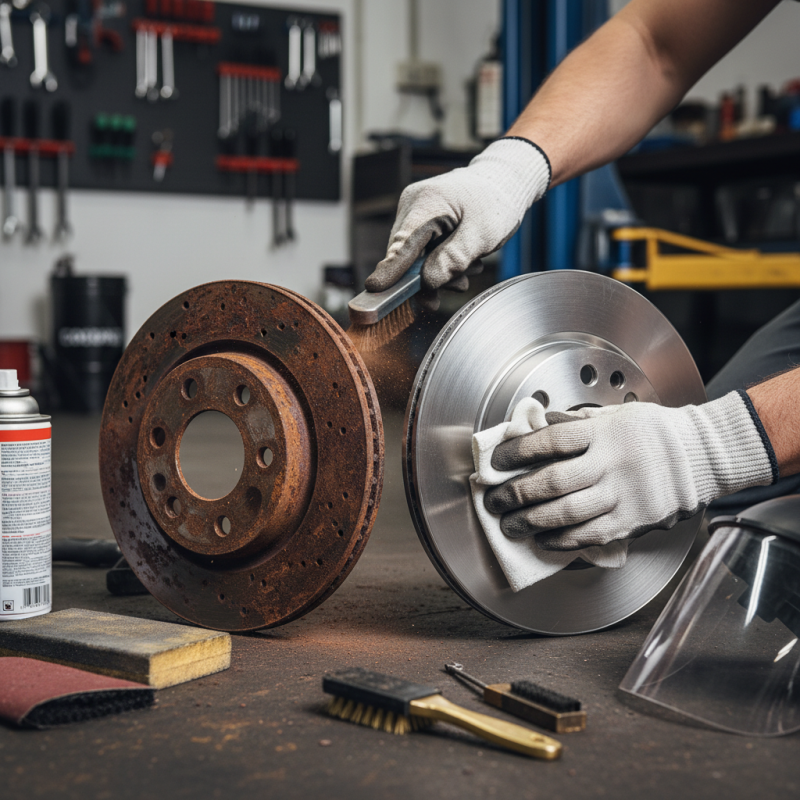
How to Effectively Remove Rust from Brake Discs?

Understanding the Causes of Rust on Brake Discs

Rust on brake discs is a common issue for vehicle owners. Understanding its causes is crucial for effective maintenance. Brake discs are primarily made of metal. Exposure to moisture and air leads to oxidation. This reaction begins when the protective layer on the metal degrades, making the iron vulnerable.

A study by the Society of Automotive Engineers indicates that 30-40% of brake disc wear is due to corrosion. Salt from winter roads and acid rain can accelerate this process. Additionally, if a vehicle is parked for extended periods, especially in humid climates, rust formation increases significantly.

Notably, even light use of the brakes can create heat and moisture, promoting rust if not cleaned properly.

Preventive measures are important. Regular cleaning and inspection help maintain brake disc integrity. Using protective coatings can also slow rust formation. However, not all methods are foolproof. Sometimes, despite best efforts, rust still develops. This highlights the need for ongoing monitoring and the importance of professional assessments. Effective maintenance can't rely solely on DIY approaches.

Identifying the Severity of Rust Damage

When evaluating the severity of rust damage on brake discs, it’s important to observe the visible signs carefully. Minor surface rust can often appear as light patches. This type of rust typically doesn’t pose a severe threat and can usually be dealt with through regular maintenance. However, if the rust appears flaky or deep, further assessment is necessary. According to the Society of Automotive Engineers, about 30% of brake-related issues stem from corrosion, emphasizing the need for routine inspections.

Take note of how rust affects braking performance. If you experience a grinding noise or reduced stopping power, it signals deeper damage. Research indicates that compromised brake discs can increase stopping distances by up to 20%, significantly impacting safety. It is critical to analyze the extent of wear and tear and make timely interventions. Remember, even small rust spots can escalate if ignored, leading to costly repairs. Pay attention to the feel of the brakes while driving; any unusual vibrations can indicate severe corrosion that warrants immediate action.

Tools and Materials Needed for Rust Removal

Rust on brake discs can be a common issue for vehicle owners. To effectively tackle this problem, having the right tools and materials is essential. A wire brush is useful for removing surface rust. It helps in scraping away corrosion. Pair this with sandpaper, specifically around grit 120 to 240. This allows for smoothing the surface and ensuring a clean contact area for braking.

Additionally, using a rust converter can be vital in treating any remaining rust particles. This chemical transforms rust into a non-reactive compound. A spray bottle with soapy water can also aid in cleaning the discs after rust removal. Per a recent industry report, almost 30% of brake issues can be traced back to inadequate maintenance of brake components, including discs.

Safety gear is equally important. Gloves and safety glasses protect against debris and harmful particles. A reliable work surface with good lighting enhances visibility. It’s worth noting that not all rust is easy to remove. Some brake discs may require professional assessment. According to automotive safety standards, maintaining brake components is crucial for vehicle safety and efficiency. Regular inspections and the right tools make a significant difference in performance.

Rust Removal Effectiveness of Different Methods

Step-by-Step Process to Remove Rust from Brake Discs

Rust on brake discs can be a safety issue. It's important to address it promptly to maintain proper braking performance. Here’s a step-by-step process to remove rust effectively.

Start by lifting the vehicle and ensuring it's stable. Secure it with jack stands. Use a wire brush to scrape away the loose rust. This makes the process easier. Some rust may not come off easily. Don’t hesitate to apply more pressure if needed.

Next, use sandpaper or a sanding disc for deeper rust. Focus on the areas with significant rust buildup. This part can be tedious, but it's crucial for a smooth finish. Make sure you clean the surface afterward. Dust and debris can affect brake performance.

Tips: Wearing gloves and goggles is a must. Safety first! Consider using a rust rejuvenator if the rust is stubborn. Allow it to sit according to instructions for best results. Regular checks on your brake discs can prevent severe rust issues.

In some cases, rust might return. Reflect on your driving conditions and how they may contribute to this. Adjust maintenance habits for long-term benefits. Keeping brake discs clean is vital for a safer drive.

Preventative Measures to Avoid Future Rust Formation

Rust on brake discs can be a common issue, particularly in humid areas. Preventative measures are essential to minimize rust formation. Regularly inspecting your brake discs can alert you to early signs of rust. If you spot rust, it’s crucial to address it promptly. Removing rust quickly not only improves safety but also extends the life of your brakes.

Keeping your brake components clean is vital. Frequent washing of your vehicle helps remove grime and moisture. Consider using a protective coating specifically designed for metal surfaces. This can create a barrier against rust. Ensure that your brake discs are always dry after driving, especially in wet conditions. Pay attention to your driving habits; city driving can contribute to more rust due to frequent stops.

Using your brakes efficiently can reduce rust risks. Light braking keeps the discs hot enough to prevent moisture build-up. However, braking too hard on wet roads can lead to uneven wear. Always be mindful of how often you slow down and stop. Rust prevention requires a balance of attention and care in vehicle maintenance.

How to Effectively Remove Rust from Brake Discs? - Preventative Measures to Avoid Future Rust Formation

Method Effectiveness Time Required Cost Estimate Preventative Measures
Sandpaper or Steel Wool High 30 mins $10 Regular cleaning, Drying after wet conditions
Rust Remover Product Very High 15 mins $20 Protective coatings, Regular inspections
Vinegar Soak Moderate 1 hour $5 Avoid exposure to moisture, Use brake covers
Brake Cleaner Spray High 10 mins $15 Proper storage, Avoiding salt exposure
Professional Cleaning Very High Variable $50+ Regular servicing, Use high-quality parts

FAQS

: What causes rust on brake discs?

: Rust forms due to exposure to moisture and air. This leads to oxidation of the metal.

How can I prevent rust on my brake discs?

Regular cleaning and inspections help maintain their integrity. Protective coatings can slow rust formation.

What should I do if I notice rust on my brake discs?

Address it promptly. Remove rust using a wire brush and sandpaper. This maintains safe braking performance.

Are all rust removal methods effective?

Not all methods work perfectly. Some rust may persist despite efforts, highlighting the need for monitoring.

Why is it important to check brake discs regularly?

Regular checks can prevent severe rust issues, ensuring safer driving conditions. Don't ignore monitoring.

What safety precautions should I take when removing rust?

Always wear gloves and goggles. Safety is crucial when working with brake discs and tools.

How long should I let rust rejuvenator sit?

Follow the instructions on the product label for the best results with rust rejuvenators.

Can driving conditions affect rust formation?

Yes, harsh conditions and humidity can accelerate rust. Reflect on your environment for better maintenance.

Is DIY rust removal sufficient?

DIY methods can help, but professional assessments are recommended for thorough maintenance.

Why is rust formation sometimes unavoidable?

Factors like parking for long periods and environmental conditions can lead to rust despite preventive efforts.

Conclusion

Rust on brake discs can significantly affect vehicle performance and safety. To effectively understand how to remove rust from brake discs, one must first grasp the common causes of rust formation, such as exposure to moisture and road salt. It's essential to assess the severity of the rust damage; minor surface rust can often be remedied with basic tools, while deeper corrosion may require more comprehensive methods or professional assistance.

Once you are equipped with the necessary tools and materials, such as wire brushes, sandpaper, and rust removers, follow a step-by-step process to restore the brake discs. This may include cleaning the rusted area thoroughly, applying rust remover, and ensuring a smooth finish. Lastly, implement preventative measures, like regularly inspecting brakes and applying protective coatings, to avoid future rust formation. By following these guidelines, you can maintain the integrity of your brake discs and enhance your vehicle's braking performance.

Aria

Aria

Aria is a dedicated marketing professional with a deep passion for innovative strategies and a keen understanding of our company's product offerings. With a wealth of experience in the industry, Aria excels at crafting engaging content that highlights the unique features and benefits of our......