Understanding the nuances of brake components is crucial for vehicle safety. In the automotive world, distinguishing between brake pads and shoes often raises questions, particularly among drivers and mechanics alike. Expert Brian Smith, a leading automotive technician, states, “What is the difference between brake pads and shoes? It’s vital for effective braking.”
Brake pads and shoes serve the same purpose: they create friction to stop the vehicle. However, their designs and applications differ significantly. Brake pads are flat and used in disc brakes, while shoes are curved and fit inside drum brakes. This fundamental difference impacts how each component engages with the brake system—directly influencing stopping power and performance.
While many people may overlook these distinctions, understanding them can prevent costly repairs. Many assume that all braking systems function the same, which is misleading. Each system reacts uniquely under various conditions. Therefore, knowing what is the difference between brake pads and shoes not only improves vehicle upkeep but also enhances driver safety.
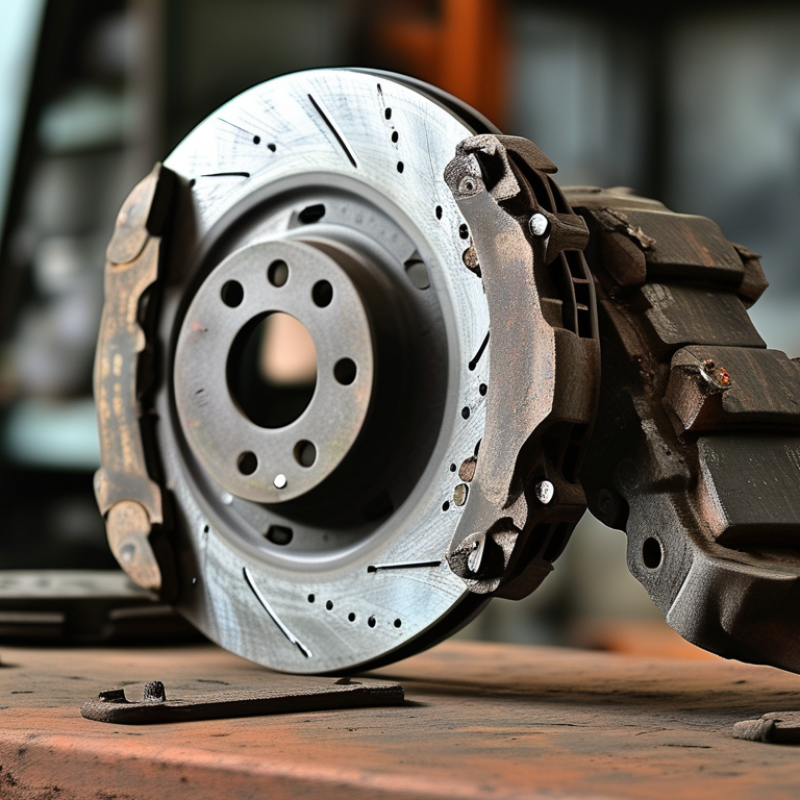
Understanding Brake System Components
When inspecting a vehicle's brake system, understanding the differences between brake pads and brake shoes is essential. Brake pads are commonly found in disc brake systems. They are flat pieces that press against the rotor to create friction. On the other hand, brake shoes are typically used in drum brake systems. They are curved and expand against the inside of the drum to slow down the vehicle.
According to the National Highway Traffic Safety Administration, approximately 22% of vehicle accidents involve brake malfunction issues. Regular maintenance of both brake pads and shoes is crucial. Experts recommend checking brake components every six months or 6,000 to 10,000 miles. Worn brake pads can lead to decreased braking efficiency and increased stopping distance. This not only endangers the driver but also others on the road.
Visual inspection is vital for both components. Brake pads should be at least a quarter of an inch thick for optimal performance. For brake shoes, look for uneven wear patterns, which may indicate issues with the drum or alignment. While brake pads tend to wear evenly, brake shoes may show signs of uneven wear if not adjusted properly. Understanding these details can significantly enhance your vehicle's braking reliability.
Brake Pads vs. Brake Shoes: Component Understanding
Differences in Design: Brake Pads vs. Brake Shoes
Brake pads and brake shoes serve the essential function of stopping vehicles. However, their designs differ significantly. Brake pads are flat and rectangular. They sit within calipers on disc brakes. In contrast, brake shoes have a curved shape. They are used in drum brake systems. This design difference is crucial for their operation.
When it comes to materials, brake pads often contain a mix of metals and soft compounds. These materials enhance friction and performance. Brake shoes, however, usually have a friction lining attached to a metal backing. This allows for effective braking in a more confined space. The placement of each component also varies. Brake pads apply pressure directly to the rotor. Brake shoes press against the inner surface of the drum.
It is not uncommon for car owners to overlook these distinctions. Many people may confuse the two, thinking they serve the same purpose. Recognizing these differences is essential for maintenance. Proper understanding helps in choosing the correct replacement parts for your vehicle. The right knowledge empowers you in maintaining your braking system effectively.
How Brake Pads Function in Disc Brakes
Brake pads are essential components of disc brake systems. They are designed to create friction against the brake rotors when you apply the brakes. This friction slows down the wheels, allowing the vehicle to stop. Made of materials like semi-metallic compounds, synthetic resins, or ceramic blends, brake pads vary in performance and durability. The proper functioning of brake pads is crucial for vehicle safety.
When choosing brake pads, consider their material and compatibility with your vehicle. Different types can affect stopping power and noise levels. Pay attention to wear indicators. These indicators alert you when it's time to replace the pads. Replacement intervals can vary based on driving habits and conditions. Always monitor the thickness of your brake pads.
Always inspect brake pads when servicing your vehicle. Regular checks can prevent brake failures and ensure safe driving. Over time, pads can wear unevenly, leading to poor performance. Keep an eye on any unusual sounds when braking. These can signal issues requiring immediate attention. Regular maintenance checks help enhance the lifespan of your brake pads and improve safety on the road.
How Brake Shoes Operate in Drum Brakes
Brake shoes play a crucial role in the operation of drum brakes. When the brake pedal is pressed, hydraulic fluid activates the shoes. This causes them to expand outward against the inner surface of the drum. The friction created slows down the vehicle effectively. This system is prevalent in older vehicles but remains in use due to its reliability.
In terms of construction, brake shoes consist of a metal backing plate and friction material. Over time, the friction material wears down. Drivers often neglect this wear, leading to compromised braking performance. If ignored, it can result in grinding noises or reduced stopping power. Regular checks can help spot issues early and maintain vehicle safety.
Understanding the difference between brake pads and shoes is essential for maintenance. While brake pads use a simple caliper design, shoes offer unique benefits in certain environments. They can provide smoother braking under specific conditions. This nuance is worth noting for any car owner.
Key Signs of Wear in Brake Pads and Shoes
Brake pads and brake shoes serve crucial roles in vehicle safety. Understanding their signs of wear can help maintain optimal performance. When inspecting brake pads, look for a thickness of less than a quarter inch. If you hear squealing sounds while braking, this might indicate that the pads are worn down. Additionally, uneven wear can often result in poor braking performance.
In contrast, brake shoes are commonly found in drum brake systems. A key sign of wear in brake shoes is a grinding noise when braking. This sound could mean the friction material has worn away completely. Visual inspection is also helpful; if you notice cracks or significant wear, it’s time for a replacement. Keep an eye out for brake fluid leaks, as these can cause performance issues too.
It's important to remember that ignoring these signs can lead to more serious problems. Regular maintenance checks can prevent unexpected breakdowns. A proactive approach not only ensures safety but also enhances the longevity of your braking system. Neglecting these indicators might lead to costly repairs down the line.
FAQS
: Brake pads are flat and used in disc systems; brake shoes are curved and used in drum systems.
It's recommended to check them every six months or 6,000 to 10,000 miles.
Worn brake pads lead to decreased efficiency and longer stopping distances, posing risks on the road.
Brake pads should be at least a quarter of an inch thick.
Look for uneven wear patterns; this could signal drum or alignment issues.
Regular maintenance prevents failures and enhances overall safety and longevity of the braking system.
Unusual sounds could suggest issues that require immediate attention for safety.
Hydraulic fluid activates the shoes, causing them to expand and create friction against the drum.
Some drivers may overlook wear, leading to grinding noises or decreased stopping power.
Yes, they can offer smoother braking under certain conditions compared to brake pads.
Conclusion
Understanding the difference between brake pads and shoes is crucial for maintaining a vehicle's braking system. Brake pads are flat components used in disc brakes, where they clamp down on a rotating disc to create friction and slow down the vehicle. In contrast, brake shoes are curved pieces used in drum brakes, pushing against the inner surface of a drum to achieve the same effect.
Key indicators of wear for both brake pads and shoes include squeaking sounds, reduced braking efficiency, and vibrations during braking. Recognizing these signs early can prevent further damage to the braking system and ensure safe driving. Overall, knowing what is the difference between brake pads and shoes not only helps in proper maintenance but also enhances vehicle safety.
 WAS Auto
