WAS Auto
In 2026, vehicle maintenance becomes increasingly crucial, especially when it comes to brake systems. Many drivers may wonder, "what happens if you don't replace brake sensors?" Brake sensors play a vital role in the overall safety and functionality of a vehicle. Neglecting them can lead to severe consequences. According to the National Highway Traffic Safety Administration (NHTSA), brake failure is a leading cause of accidents, accounting for nearly 25% of all vehicle failures.
Failure to replace faulty brake sensors can result in delayed braking response. This could compromise safety not only for the driver but also for other road users. A report from the Automotive Aftermarket Industry Association highlights that 46% of vehicle owners overlook brake system maintenance. The reality is alarming—many drivers may not realize their sensors need attention until it’s too late.
In addition, worn-out sensors can cause uneven brake wear, leading to more costly repairs down the road. Ignoring the issue might seem minor initially, but it can escalate into significant mechanical failures. A proactive approach in maintaining brake sensors is essential for vehicle longevity and safety. It’s crucial to remain vigilant about these components to prevent unseen dangers on the road.
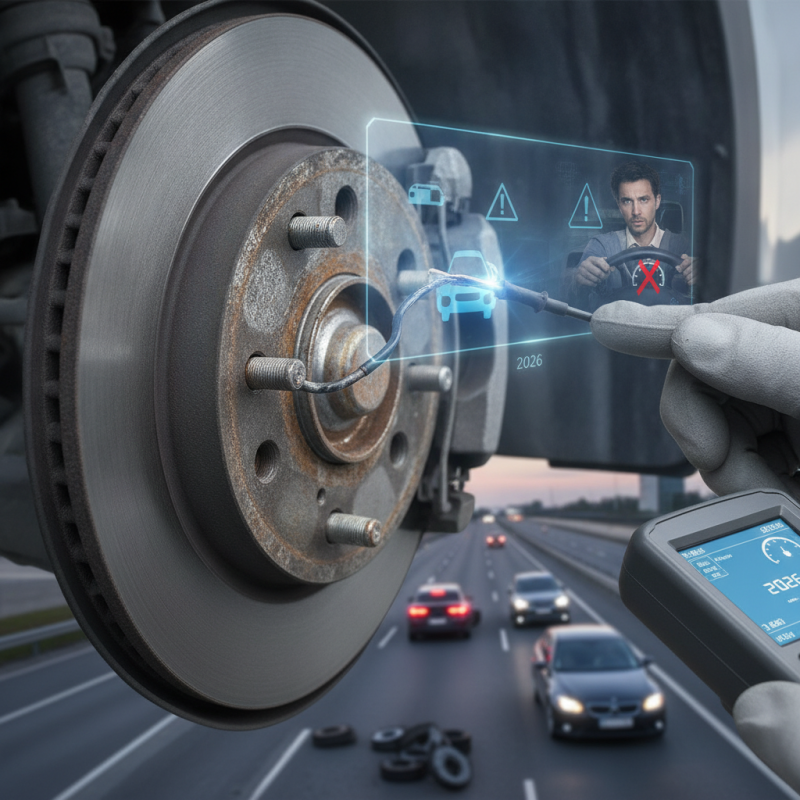
Brake sensors play a crucial role in vehicle safety. These sensors monitor the thickness of brake pads and detect wear over time. When the pads are too thin, the sensors alert the driver, indicating it's time for a replacement. This alert is essential. Ignoring it can lead to severe consequences.
Without functioning brake sensors, the risk of brake failure increases. Drivers may not realize their brake pads are worn until it's too late. This can result in longer stopping distances and compromised vehicle control. The cost of ignoring brake sensor warnings can be substantial. You could end up facing more significant repairs.
Additionally, malfunctioning sensors can trigger warning lights on the dashboard. This can lead to confusion and uncertainty. A driver may overlook this issue, thinking everything is fine. Regular maintenance is pivotal to ensure brake sensors operate effectively. Being attentive to these signs can prevent dangerous situations and costly mishaps.
Neglecting brake sensor replacement can lead to serious consequences for vehicle safety. Brake sensors play a crucial role in monitoring the condition of braking systems. If these sensors fail, drivers may experience delayed braking responses. According to the National Highway Traffic Safety Administration (NHTSA), ineffective braking contributes to around 22% of all traffic accidents. This statistic highlights the importance of timely sensor replacements.
Additionally, ignoring brake sensor issues can result in increased repair costs. Faulty sensors may lead to other components wearing down faster. For instance, a study by the Automotive Repair Association found that replacing worn brake components can cost up to 60% more than simply replacing sensors when needed. Proactive maintenance saves money and time in the long run, allowing for safer driving experiences.
Failure to monitor brake sensors can have ripple effects beyond financial costs. Drivers may also face higher risks of accidents. Research indicates that nearly 80% of drivers involved in collisions reported hearing warning signals from their vehicles before the incident. Regular checks can prevent such alarming situations. Skipping routine maintenance often leads to escalating problems that could have been easily addressed.
Brake sensors play a crucial role in modern vehicle safety systems. They monitor brake performance and alert drivers to potential issues. Ignoring these sensors can lead to dangerous situations. A study indicated that faulty sensors are linked to nearly 30% of brake-related accidents.
Drivers should watch for specific warning signs. Unusual grinding or squeaking noises can indicate wear. Additionally, the brake warning light on the dashboard is a clear signal. In fact, experts recommend responding quickly to these alerts. Delaying repairs can lead to more severe damage and costly fixes.
Data reveals that many vehicle owners overlook these signs. Approximately 60% of drivers do not act on dashboard warnings. This could result in reduced braking efficiency. A vehicle with malfunctioning sensors may take longer to stop, increasing accident risk. Regular maintenance checks can prevent these issues and enhance safety.
Brake sensors are crucial for vehicle safety. These devices monitor the braking system's performance. Ignoring their replacement can lead to severe consequences. Reports indicate that 18% of modern vehicles experience brake failures due to faulty sensors. This can increase stopping distances by up to 30%. Such delays could result in accidents.
In 2026, vehicles with neglected brake sensors may not perform optimally. The National Highway Traffic Safety Administration emphasizes that timely maintenance enhances vehicle reliability. Poor performance puts drivers and passengers at risk. Unchanged sensors contribute to uneven brake wear. This might lead to more costly repairs in the future, as replacement parts are often more expensive.
Additionally, inadequate braking can affect fuel efficiency. A report from the Association for Safe International Road Travel highlights that mechanical issues reduce efficiency by up to 20%. The savings lost due to poor sensor maintenance may outweigh the cost of replacements. Ultimately, overlooking brake sensor replacements compromises safety and increases long-term expenses. Reflecting on these factors is essential for any vehicle owner.
Ignoring brake sensor maintenance in 2026 can lead to significant costs. Brake sensors play a crucial role in monitoring your vehicle's braking system. Failing to replace worn or faulty sensors can cause serious issues. This neglect may lead to decreased braking performance. The longer you wait, the more damage may occur.
Delaying brake sensor replacement impacts more than just your safety. It can lead to expensive repairs to the entire braking system. If sensors fail, they may not alert you to issues until it's too late. The repair of damaged components can be multiple times more costly than a simple sensor replacement. Additionally, if other parts get damaged, your vehicle's overall performance may decline.
It's essential to recognize the implications of delayed maintenance. Regularly checking your brake sensors can save you money in the long run. The potential costs of ignoring these sensors are high. This reflection can remind you that safety should always be a priority. Keeping your braking system in top shape can prevent unnecessary expenses and keep you safe on the road.
: Brake sensors monitor the thickness of brake pads and detect wear over time.
Alerts indicate when brake pads are too thin. Ignoring them can lead to severe consequences.
A failure increases the risk of brake failure and longer stopping distances.
They can trigger warning lights on the dashboard, leading to confusion for the driver.
Ignoring maintenance can lead to expensive repairs, sometimes several times more than sensor replacement.
Regular maintenance checks are crucial to ensure they operate effectively.
You risk encountering serious braking performance issues and greater repair costs.
Yes, neglecting them can lead to decreased overall vehicle performance.
They can prevent costly repairs and enhance your vehicle's safety, saving you money in the long run.
Safety should always be a priority. Keeping sensors in check is vital for safe driving.
Failing to replace brake sensors is a critical oversight that can lead to severe consequences for a vehicle's safety and performance. Brake sensors play a vital role in monitoring the brake system's functionality, ensuring that timely alerts are sent when any issues arise. If you neglect to address the replacement of these sensors, you may experience diminished braking efficiency, increased risk of brake failure, and ultimately compromised safety for both the driver and passengers.
Recognizing the signs that signal the need for brake sensor replacement is essential. Warning lights on the dashboard, unusual noises during braking, or inconsistent brake response can all indicate sensor issues. Ignoring these signs not only jeopardizes safety but can also result in costly repairs down the line, as the longer brake sensors are left unchecked, the more damage can occur to the overall braking system. Therefore, understanding what happens if you don't replace brake sensors is crucial for maintaining vehicle reliability and ensuring a safe driving experience.