WAS Auto
When considering how to choose the right brake fluid for my car, expert mechanic John Smith emphasizes, "Understanding your car's requirements is crucial." Selecting the appropriate brake fluid is not a simple task. Many drivers overlook this vital component, risking vehicle safety. Brake fluid is essential for your braking system, ensuring effective stopping power.
In 2026, with advancements in automotive technology, it is even more imperative to make an informed decision. Different vehicles require specific fluid types, either DOT 3, DOT 4, or DOT 5.1. Not every product in the market is suitable for every car model. Some owners might be tempted to save money by using generic options, which can cause issues.
Evaluating the specifications in your owner's manual is key. Manufacturers often recommend specific fluids to meet performance standards. Using the wrong fluid can lead to brake failure, corroded components, or decreased safety. Making the right choice is a balance of knowledge and experience. Take the time to learn about your car’s specific needs for the best performance.
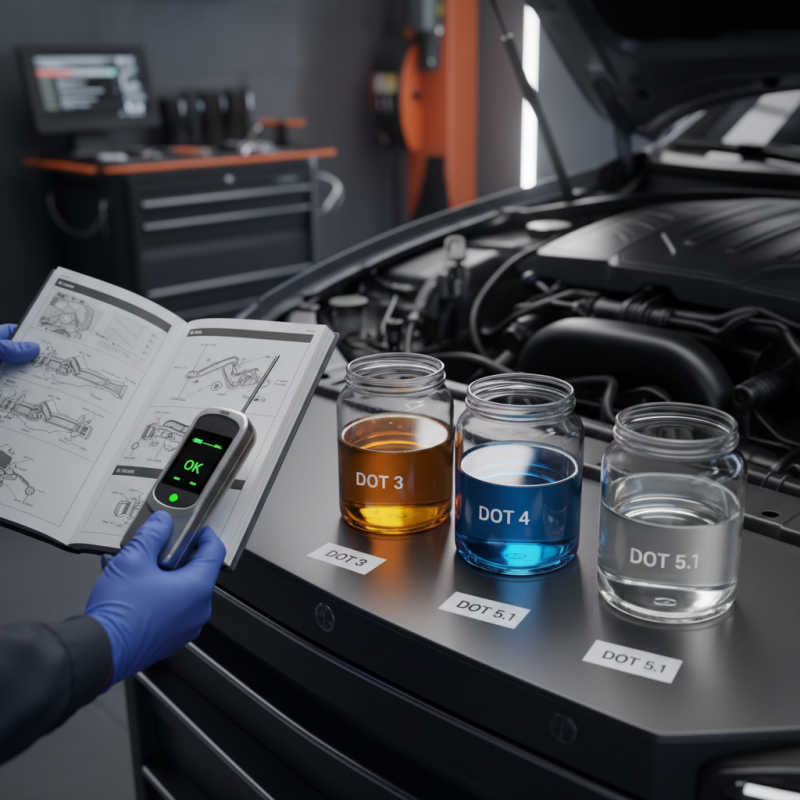
When selecting brake fluid, it’s vital to understand the types available in 2026. There are several key categories, including DOT 3, DOT 4, and DOT 5.1 fluids. Each type has unique properties that affect performance. For instance, DOT 3 is glycol-based, which can absorb moisture over time, compromising its efficiency.
DOT 4 also uses glycol but has a higher boiling point. This makes it more suitable for performance vehicles. However, DOT 5.1 is a more advanced option, offering greater thermal stability. Using the right fluid affects not just your brakes, but overall safety. If you choose incorrectly, it could lead to brake fade.
In 2026, synthetic options are also becoming popular. These fluids offer better resistance to heat and moisture. They can prolong the life of your braking system. However, they might not be compatible with all vehicles. Always check your owner’s manual or consult a professional. Choosing brake fluid is not just a simple task; it requires careful consideration of your car’s needs. Don’t overlook this aspect.
Choosing the right brake fluid is crucial for vehicle safety. Various factors come into play when selecting the appropriate fluid. Understanding the three main types of brake fluid—DOT 3, DOT 4, and DOT 5—is essential. Each type has different boiling points and properties. Your driving habits and the conditions you face can dictate which fluid is ideal.
Temperature is a key consideration. Performance may degrade if the fluid reaches a high temperature. Brake fluid absorbs moisture over time, which can lower its boiling point. This can create a dangerous situation.
Check your brake fluid regularly for signs of contamination. Look for discoloration or cloudiness; these may indicate that it’s time for a change.
It’s also worth noting manufacturer specifications. Some vehicles require a specific type of brake fluid to function efficiently. Your owner’s manual provides valuable information. In case of uncertainty, consult a professional. Selecting the right brake fluid is not just about performance; it’s about safety and reliability on the road.
Choosing the right brake fluid for your car requires understanding specifications and standards. Brake fluid plays a critical role in vehicle safety and performance. It must meet specific certifications like DOT 3, DOT 4, or DOT 5.1. These classifications indicate boiling points and chemical compositions, directly affecting braking efficiency. For instance, DOT 3 fluid has a lower boiling point than DOT 4, compromising performance at high temperatures.
Tips: Always check the vehicle manual for the recommended brake fluid type. Ensuring compatibility can prevent unwanted breakdowns.
In 2023, reports indicate that improper fluid usage increases the risk of brake failure. A survey revealed 20% of drivers unknowingly use the wrong type of brake fluid. Regular maintenance and timely fluid changes enhance safety. Brake fluid can absorb moisture, leading to corrosive effects on brake components. Over time, this can reduce braking effectiveness.
Tips: Perform regular inspections of brake fluid condition. Look for discoloration or any signs of contamination. Address issues quickly to retain optimal braking performance.
Maintaining brake fluid quality is crucial for vehicle safety. Brake fluid absorbs moisture over time. This can lead to reduced boiling points and corrosion in the braking system. Regular testing is necessary for optimal performance.
To test brake fluid, start by checking the color. Fresh fluid is usually clear or yellowish. Dark, murky fluid indicates contamination. You can also use a moisture test strip. Simply dip it into the fluid; it will change color if moisture content is too high. Performing this test every six months is a good practice.
Also, consider changing the brake fluid regularly. Even if it appears clear, it can still be degraded. Changing fluid every two years is a common recommendation, but vehicle usage may require adjustments. Always refer to your owner’s manual for specific guidelines. Regular monitoring will not only enhance braking performance but may also save you from costly repairs. An informed approach to brake fluid can enhance your vehicle's longevity.
Choosing the right brake fluid is crucial for vehicle safety. Many drivers overlook its importance, leading to mistakes. One common error is selecting a fluid solely based on price. Cheaper options may compromise performance. It's vital to understand the specifications outlined in your vehicle’s manual.
Another frequent mistake is mixing different types of brake fluid, which can lead to contamination. Each fluid type has distinct properties, and they don't always work well together. This often results in decreased performance and can even damage your braking system. Always ensure compatibility with your existing fluid.
Many people also forget to check the fluid’s boiling point. Brake fluid absorbs moisture over time. This lowers its boiling point and affects efficiency. Regular checks can prevent this issue. Ignoring these details can lead to dangerous driving conditions. It's essential to invest time in understanding brake fluid. Make informed choices for your safety.
| Brake Fluid Type | Boiling Point (°F) | DOT Rating | Typical Use Case | Common Mistakes |
|---|---|---|---|---|
| DOT 3 | 401 | 3 | Standard vehicles | Not checking moisture content |
| DOT 4 | 446 | 4 | Higher performance vehicles | Mixing with DOT 3 |
| DOT 5 | 500 | 5 | Classic Cars | Using in regular systems |
| DOT 5.1 | 509 | 5.1 | High-performance applications | Assuming compatibility with DOT 5 |
: The main types are DOT 3, DOT 4, and DOT 5.1. Each has unique properties affecting performance.
Brake fluid affects braking efficiency. Using the wrong type can result in brake fade and safety issues.
Brake fluid absorbs moisture over time. This can lead to corrosive effects and reduced braking effectiveness.
Drivers often focus on price, mix different types, or ignore boiling points, risking performance.
Yes, always refer to your vehicle manual. This helps ensure compatibility and prevents breakdowns.
Yes, synthetic fluids offer better heat and moisture resistance, prolonging the braking system's life.
Regular inspections are essential. Look for discoloration or contamination, and address issues quickly.
Mixing fluids can lead to contamination and decreased performance, potentially damaging your braking system.
Yes, timely fluid changes are vital. Old or contaminated fluid can compromise safety and braking efficiency.
Each fluid type has a different boiling point. Higher temperatures can reduce effectiveness if not monitored.
Choosing the right brake fluid for your car is crucial for ensuring optimal performance and safety. In 2026, various types of brake fluid are available, each with specific properties and specifications. Understanding these different types and their respective standards is essential when determining how to choose the right brake fluid for my car.
Factors such as your vehicle's requirements, driving habits, and environmental conditions play a significant role in this decision. It's also vital to properly test and maintain your brake fluid's quality to avoid potential issues. Additionally, being aware of common mistakes, like selecting the wrong fluid type or neglecting regular checks, can help ensure that your brake system functions smoothly and reliably.
