WAS Auto WAS Auto

How Long Do Ceramic Brake Pads Last for Optimal Performance?

Time:2026-04-29 Author:Sophia
0%

When considering brake maintenance, one common question arises: "how long do ceramic brake pads last"? Ceramic brake pads are known for their durability and performance. Typically, they can last between 30,000 and 70,000 miles, depending on various driving conditions and habits. Reports from industry leaders, such as the Automotive Aftermarket Suppliers Association (AASA), highlight that proper maintenance and usage significantly influence their lifespan.

Ceramic pads excel in reducing noise and dust, which is a major advantage. They provide optimal performance in various driving situations. However, not all drivers are fully aware of the factors that impact their longevity. Usage style, vehicle type, and environment play a role in wear patterns. Neglecting to monitor these variables can lead to premature wear.

Understanding how long ceramic brake pads last is essential for safe driving. Regular inspections and timely replacements can enhance overall vehicle performance. This proactive approach not only ensures safety but also reinforces the importance of using quality materials in automotive maintenance. Over time, even the best pads can degrade, necessitating a focus on quality and proper care.
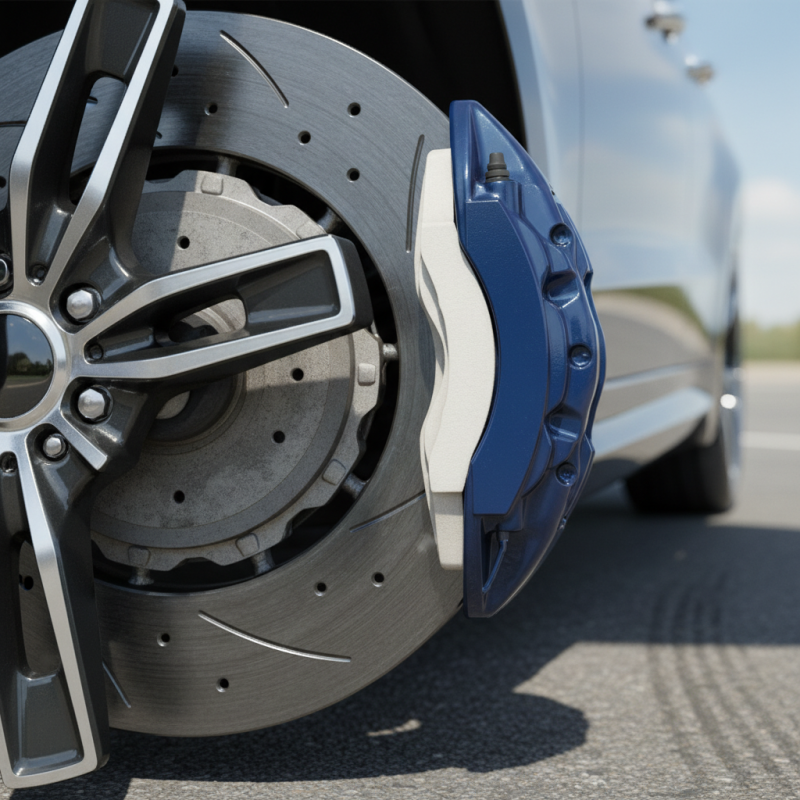
How Long Do Ceramic Brake Pads Last for Optimal Performance?

Factors Affecting the Lifespan of Ceramic Brake Pads

Ceramic brake pads are popular for their durability and performance. However, several factors influence their lifespan. Driving habits play a significant role. Aggressive braking can reduce the lifespan of any brake pad. Drivers who frequently engage in heavy braking may find their ceramic pads wearing down faster than expected.

Another vital factor is the driving environment. Urban driving, with its frequent stops and starts, can wear brake pads more quickly compared to highway driving. According to the Automotive Aftermarket Suppliers Association, average brake pad lifespan varies widely. Ceramic pads typically last between 30,000 to 70,000 miles, depending on conditions.

Temperature and moisture also affect performance. High temperatures can lead to pad glazing, reducing friction. Excessive moisture can lead to corrosion. Regular inspection and maintenance are essential for optimal performance. Experts recommend checking brake pads every 10,000 miles. This proactive approach can help prevent unexpected failures.

How Long Do Ceramic Brake Pads Last for Optimal Performance? - Factors Affecting the Lifespan of Ceramic Brake Pads

Factors Impact on Lifespan (Years) Driving Style Typical Mileage
Type of Vehicle 4-5 years Moderate 30,000 - 40,000 miles
Driving Conditions 3-4 years Aggressive 20,000 - 30,000 miles
Type of Brake Pad 5-7 years Conservative 40,000 - 50,000 miles
Maintenance Quality 4-6 years Mixed 25,000 - 35,000 miles
Environmental Factors 3-5 years Usual 30,000 - 40,000 miles

Typical Lifespan Range for Ceramic Brake Pads

Ceramic brake pads are known for their performance and longevity. On average, they last between 30,000 to 70,000 miles. Factors like driving habits, vehicle type, and environmental conditions play significant roles in their lifespan. City driving, with frequent stops, can wear them out faster than highway driving.

When considering maintenance, it’s essential to inspect brake pads regularly. If you notice any unusual noises or vibrations, it may indicate wear. Many drivers overlook this aspect, leading to compromised safety. Not all ceramic pads are created equal; some may degrade faster under heavy use.

Another common mistake is neglecting the braking system overall. Brakes comprise various components, not just the pads. Regular checks on rotors and fluid can enhance performance. Understanding your vehicle's specific needs is crucial for optimal safety and performance.

Signs Indicating the Need for Brake Pad Replacement

Brake pads are essential for vehicle safety. Over time, they wear down and lose efficiency. It's crucial to recognize the signs that indicate the need for replacement.

A common sign is squeaking or grinding noises when braking. These sounds can signal that the pads are worn beyond safe limits. If your vehicle pulls to one side while stopping, this may also indicate uneven wear. Another sign is a brake warning light on the dashboard. Ignoring these indicators can lead to more significant issues.

Excessive dust on the wheels can suggest brake pad wear. The dust indicates that the pads are breaking down, affecting performance. Regular inspections can help identify these signs early. Keeping an eye on your vehicle's performance can enhance safety and prolong the life of your braking system.

How Long Do Ceramic Brake Pads Last for Optimal Performance?

This chart shows the estimated lifespan of ceramic brake pads under different driving conditions, measured in thousands of miles. Factors such as driving style and road conditions can significantly affect the longevity of the brake pads.

Benefits of Using Ceramic Brake Pads for Vehicle Performance

Ceramic brake pads are becoming increasingly popular among drivers. They offer several benefits that enhance vehicle performance. One major advantage is their low dust production. This means cleaner wheels and less frequent washing. Less brake dust can also lead to improved visibility, especially in adverse weather conditions.

Another key benefit is their heat resistance. Ceramic brake pads can withstand higher temperatures without losing efficiency. This attribute allows for more consistent braking performance, even during long descents. Drivers often appreciate this feature for enhanced safety on hilly roads.

Ceramic pads also tend to be quieter compared to other materials. This reduces annoying noises when braking. However, not all ceramic pads are created equal. Some may lack the durability needed for aggressive driving. It’s important to assess specific needs based on driving habits. The balance between performance and comfort should guide choices in brake pad selection.

Maintenance Tips to Extend Ceramic Brake Pad Longevity

Ceramic brake pads are known for their durability and performance. However, regular maintenance is essential to maximize their lifespan. Keeping an eye on the brake fluid level can prevent unnecessary strain. It's advisable to inspect brake components every six months. This practice helps identify wear and tear before it becomes a significant issue.

Another critical factor is driving behavior. Aggressive driving can wear out brake pads 20-30% faster, according to industry studies. Gentle braking and avoiding sudden stops can enhance longevity. Additionally, a clean braking system may improve performance. Dirt and debris can cause premature wear, reducing both safety and efficiency.

Temperature management also plays a vital role. Overheating can cause brake fade, diminishing effectiveness. Using a thermal imaging camera can help monitor temperatures. Understanding these factors encourages proactive care. With mindful practices, ceramic brake pads can provide optimal performance while extending their lifespan significantly.

FAQS

: What factors affect the lifespan of ceramic brake pads?

: Driving habits and environmental conditions are significant factors. Aggressive braking and urban driving can shorten their lifespan.

What is the typical lifespan range for ceramic brake pads?

Ceramic brake pads usually last between 30,000 to 70,000 miles. This varies based on driving and vehicle conditions.

How does temperature impact ceramic brake pads?

High temperatures can cause pad glazing, which reduces friction and effectiveness.

What signs indicate that brake pads need replacement?

Squeaking or grinding noises signal worn pads. Uneven pulling during braking is another sign to watch for.

How often should brake pads be inspected?

Experts recommend checking brake pads every 10,000 miles to ensure optimal performance and safety.

What is a common mistake regarding brake pad maintenance?

Many drivers neglect the overall braking system. Rotors and fluid checks are vital for safe operation.

How can I prolong the lifespan of ceramic brake pads?

Regular inspections and avoiding aggressive braking can help extend their life. Stay proactive to maintain performance.

What happens if I ignore brake warnings?

Ignoring signs like warning lights or unusual noises can lead to more significant braking issues. Safety may be compromised.

How does urban driving affect brake pad wear?

Frequent stops and starts in city driving wear pads faster than highway driving, reducing their overall lifespan.

Conclusion

When considering how long do ceramic brake pads last for optimal performance, several factors come into play, including driving habits, vehicle type, and the conditions in which one drives. Typically, ceramic brake pads can last anywhere from 30,000 to 70,000 miles under standard driving conditions. However, signs indicating the need for replacement, such as squeaking noises or reduced braking performance, should not be ignored.

The benefits of using ceramic brake pads include lower dust production, quieter operation, and better heat dissipation, making them a popular choice among drivers. To extend the lifespan of ceramic brake pads, regular maintenance tips like ensuring proper alignment, checking brake fluid levels, and conducting routine inspections can be beneficial. By understanding these elements, drivers can ensure they maximize the efficiency and longevity of their brake pads.

Sophia

Sophia

Sophia is a dedicated marketing professional with an exceptional depth of knowledge about her company's products and services. With a keen understanding of market trends and customer needs, she crafts insightful blog posts that not only inform but also engage readers, enriching the company’s online......