WAS Auto WAS Auto

What Causes Uneven Brake Pad Wear and How to Fix It?

Time:2026-05-01 Author:Liam
0%

Uneven brake pad wear is a common issue that can compromise vehicle safety and performance. Understanding what causes uneven brake pad wear is crucial for vehicle owners. Multiple factors contribute to this problem. For instance, misaligned wheels can lead to disproportionate wear on brake pads. The style of driving also plays a significant role. Aggressive braking habits can wear pads faster and unevenly.

Another contributor is the quality of the brake components used. High-quality pads can provide better performance and durability. Conversely, using cheap materials could result in premature wear. Additionally, brake caliper issues, such as sticking calipers, create uneven pressure on the pads. This can accelerate wear and ultimately lead to costly repairs. It's essential to regularly inspect and maintain your vehicle's braking system.

In many cases, drivers overlook these signs until it's too late. They may find themselves facing expensive replacements or, worse, diminished safety on the road. Awareness of what causes uneven brake pad wear can help in taking preventive measures. This will not only enhance vehicle longevity but also ensure a safer driving experience.
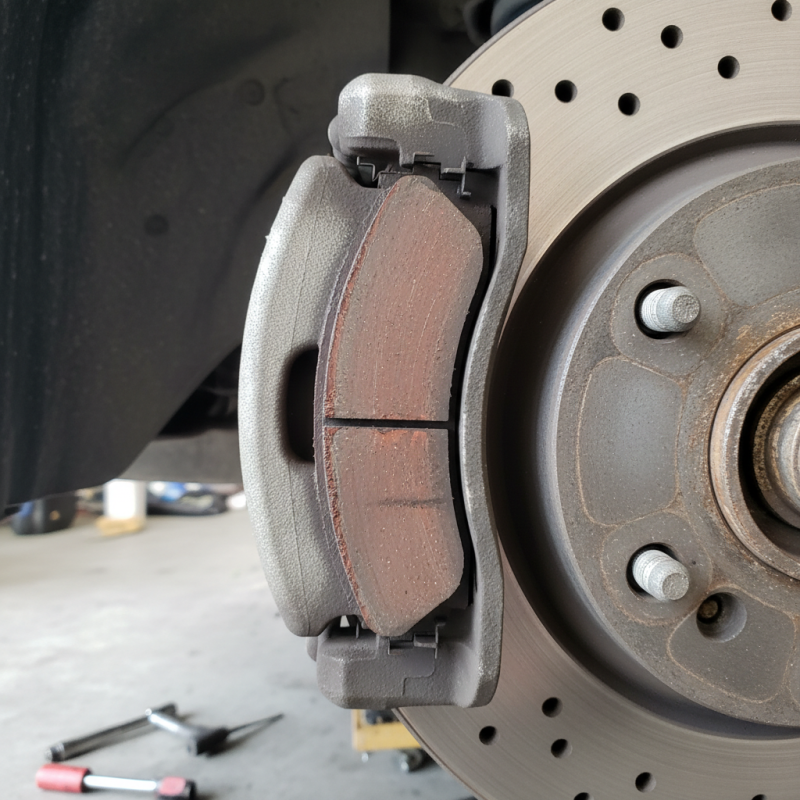
What Causes Uneven Brake Pad Wear and How to Fix It?

Causes of Uneven Brake Pad Wear: An Overview

Uneven brake pad wear is a common issue that affects vehicle performance and safety. This irregular wear can arise from various factors. Misalignment is one of the main culprits. When brake components are not properly aligned, some pads experience more friction than others. This can lead to quicker deterioration of specific pads.

Another significant factor is the condition of the brake calipers. Stuck or malfunctioning calipers can apply inconsistent pressure on the pads. This inconsistency often results in accelerated wear on one side. Additionally, the quality of the components plays a critical role. Cheap materials might not withstand high-temperature conditions effectively, leading to uneven wear patterns.

Environmental aspects also influence brake pad longevity. Frequent stop-and-go driving in heavy traffic increases wear. Likewise, aggressive driving behavior can cause excessive brake use, amplifying the problem. Vehicle owners must regularly inspect their braking system. Identifying these issues early can prevent costly repairs and ensure safety on the road.

Common Symptoms of Uneven Brake Pad Wear

Uneven brake pad wear can be a critical issue for vehicle safety. Several symptoms indicate that this problem may be present. One of the most noticeable signs is excessive squeaking or grinding noises when braking. This sound usually means the pads are worn unevenly, leading to inefficient braking performance.

Vibration in the brake pedal is another common symptom. If the pedal shakes when applied, it often indicates issues with the brake pads or even the rotors. Drivers might also notice that the vehicle pulls to one side when braking. This indicates one pad is wearing faster than the other, creating a dangerous driving experience. Observing these signs early can prevent further damage to the braking system.

Regular inspections of the brake pads can help identify issues. It's crucial to keep an eye on brake pad thickness and rotor condition. Drivers should also be aware of changes in their vehicle’s braking behavior. Scheduling routine maintenance with a trusted mechanic adds an extra layer of reliability. Proper care can lead to a safer driving experience.

Factors Contributing to Uneven Brake Pad Wear

Uneven brake pad wear is a common issue that affects vehicle safety and performance. Several factors contribute to this phenomenon. One significant factor is misalignment in the braking system. According to the Automotive Brake Institute, approximately 25% of brake-related issues are due to improper alignment, leading to uneven pressure on brake pads.

Another contributing factor is the type of driving conditions. Frequent stop-and-go traffic can lead to more wear on specific pads. Reports suggest that urban driving can increase brake wear by up to 40% compared to highway driving. Regular inspections are key to addressing these concerns.

Tips: Regularly check brake fluid levels. This simple step can enhance your braking performance. Additionally, consider having your brakes inspected annually.

Brake pad quality also plays a role. Low-quality materials can cause faster degradation, resulting in uneven wear. An NHTSA report states that quality brake pads can last 30% longer under the right driving conditions. It is vital to stay informed about maintenance practices to prolong the lifespan of your braking system.

Steps to Diagnose Uneven Brake Pad Wear Issues

Diagnosing uneven brake pad wear requires a systematic approach. Start by examining your braking system. Look for signs of wear on the brake pads, rotors, and calipers. According to a report by the National Highway Traffic Safety Administration, uneven wear can lead to reduced braking performance, increasing the risk of accidents.

Check the brake fluid. Low or contaminated brake fluid can affect caliper operation, leading to unequal pressure on the pads. This issue might not be immediately visible. A professional study indicates that nearly 40% of brake system failures relate to fluid-related problems. Consider the alignment and suspension of your vehicle. Misalignment can cause uneven tire wear, which directly impacts brake performance.

Inspect for sticking calipers. This can cause one side of the brake pad to wear more quickly than the other. If you notice a significant difference in thickness between pads on the same axle, this is a clear indicator. Regular maintenance checks are crucial. They help identify these issues early. Unfortunately, many drivers neglect this aspect, which leads to costly repairs down the road. Addressing uneven brake pad wear promptly improves safety and prolongs vehicle lifespan.

Preventive Measures to Avoid Uneven Brake Pad Wear

Uneven brake pad wear can lead to serious safety issues. Preventing this requires attention to various factors. Regular maintenance is key. Inspect brake pads often, looking for signs of wear or damage. Check the rotors, as they can affect how evenly the pads wear.

Driving habits also play a significant role. Abrupt stops and aggressive driving can lead to quicker degradation of the pads. It’s wise to adopt smoother driving methods. This not only prolongs brake life but enhances overall vehicle safety.

Proper installation of brake components is essential. Misalignment can cause uneven wear. Ensuring that all parts are installed correctly can help avoid unnecessary issues. Regular professional checks can also ensure your braking system functions properly. Make sure to consult with trusted mechanics for any concerns.

FAQS

: What causes uneven brake pad wear?

: Misalignment in the braking system is a major cause. It leads to uneven pressure on pads.

How does the quality of brake components affect wear?

Low-quality materials can degrade faster. This results in uneven wear patterns on the brake pads.

Can driving conditions impact brake pad longevity?

Yes, frequent stop-and-go traffic increases wear by up to 40%. Urban driving is particularly hard on brakes.

What signs indicate uneven brake pad wear?

Look for thickness differences between pads on the same axle. Sticking calipers may also cause irregular wear.

How important are regular brake system inspections?

Regular checks can identify issues early. Many drivers neglect this, leading to higher repair costs later.

What role does brake fluid play in pad wear?

Low or contaminated brake fluid affects calipers. This can cause unequal pressure and increased pad wear.

How can I prolong my brake system's lifespan?

Maintain quality brake pads and inspect fluid levels regularly. Staying informed about maintenance helps greatly.

What is the risk of ignoring brake maintenance?

Ignoring maintenance can reduce braking performance. This increases accident risks tremendously when on the road.

Why is brake pad misalignment a concern?

Misalignment leads to higher friction on certain pads. This can cause rapid deterioration and affect safety.

What can I do to improve braking performance?

Regularly check brake fluid and have brakes inspected annually. Simple steps make a significant difference.

Conclusion

Uneven brake pad wear is a common issue faced by vehicle owners, raising the question of what causes uneven brake pad wear. Several factors contribute to this problem, including misalignment of the brake system, poor quality brake pads, and issues with the vehicle's suspension. Symptoms of uneven wear include squeaking noises, vibrations during braking, and a noticeable decrease in brake performance.

To diagnose the issue, one should inspect the brake pads and rotors, check for proper installation, and assess the vehicle's overall braking system. Preventive measures such as regular brake inspections, using high-quality components, and ensuring proper alignment can help avoid this problem. Understanding these causes and implementing regular maintenance can enhance vehicle safety and longevity.

Liam

Liam

Liam is a dedicated marketing professional with a profound expertise in the industry, where he excels at highlighting the unique advantages of our core products. With a keen understanding of market trends and consumer needs, Liam frequently updates our company’s professional blog, providing......