Experiencing the question "why are my brakes squeaking after replacement" can be frustrating for many car owners. According to a report from the Automotive Safety Council, nearly 30% of brake issues relate to improper installation or low-quality components. Even new brakes can emit noise due to various factors, disrupting peace and confidence behind the wheel.
Squeaking can arise from dust, moisture, or even the type of brake pads used. Some materials are more prone to noise than others, highlighting the importance of proper selection. Mechanical experts suggest that ensuring proper maintenance can significantly reduce these sounds. Yet, even seasoned professionals may overlook specific signs during installation.
If you hear squeaking, it may indicate more profound issues. However, not all noises signify danger. Ultimately, understanding the nuances behind brake performance requires patience and critical reflection on one’s options. Addressing this common concern can lead to better braking experiences and enhanced vehicle longevity.
Causes of Squeaking Brakes After Replacement: Understanding the Issues
Squeaking brakes after replacement can be frustrating and alarming. Understanding the causes helps you address the issue effectively. Research indicates that about 10% of brake replacements may result in some form of noise. This can often be traced to several common factors.
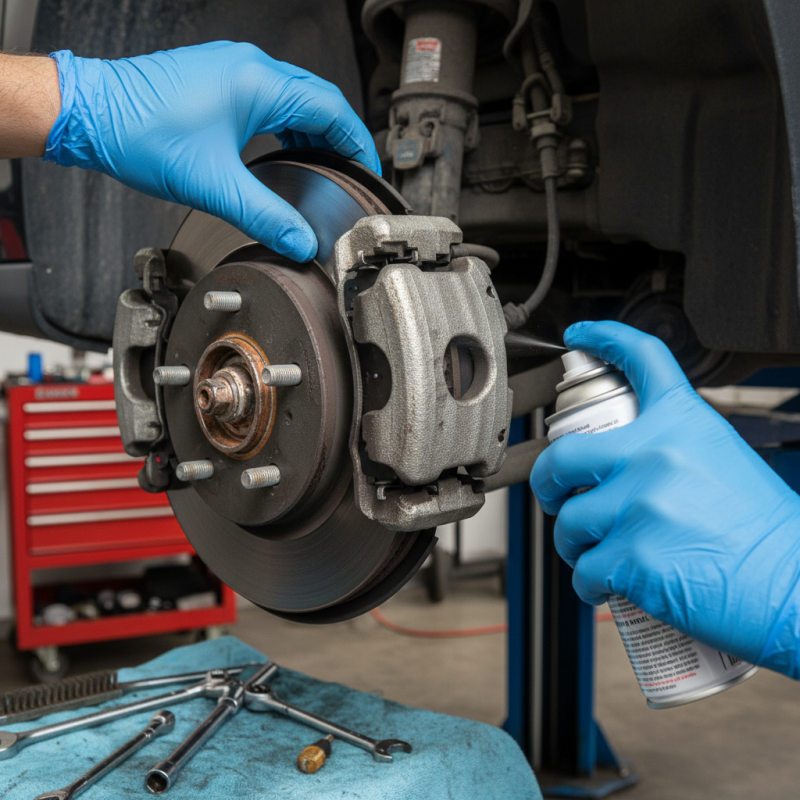
One major cause is the use of low-quality brake pads. According to industry reports, inferior materials can lead to increased friction and noise. Proper installation is another crucial factor. If the pads are misaligned, it may cause vibrations, leading to squeaking. Additionally, a lack of lubrication on brake components can create unwanted noise. Often, technicians may overlook applying the right lubricant to the back of the brake pads.
Environmental factors can also play a significant role. Moisture, dust, and debris can accumulate on brake components, exacerbating noise issues. This occurs particularly in areas with high humidity or heavy rainfall. Regular maintenance and inspection of brakes remain vital in identifying these problems early. Although squeaking brake noise can be irritating, understanding these factors can help in finding suitable solutions.
Common Materials Used in Brake Pads and Their Impact on Noise Levels
When dealing with squeaky brakes, it's essential to understand the materials used in brake pads. Common brake pad materials include organic, semi-metallic, and ceramic. Each type has its own noise levels, impacting your driving experience. Organic pads are quieter but may wear faster. Semi-metallic pads offer more durability and better stopping power but can be noisy. Ceramic pads, on the other hand, provide a good balance of performance and quiet operation.
The noise from brake pads can also arise from improper installation or lack of lubrication. It's crucial to ensure that all components are correctly fitted. Even high-quality pads can squeak if they aren’t installed right. Regular maintenance and proper inspection can prevent these issues. If your new brake pads are still noisy, consider examining your rotors and hardware. They may need attention too.
In some cases, you might notice the sound persists even after addressing the materials and installation. Environmental factors can also influence noise. Dust, dirt, and moisture can create unwanted sounds. Keeping your brakes clean may help reduce this problem. A proactive approach to brake maintenance will keep your vehicle running smoothly.
Importance of Proper Brake Pad Installation Techniques and Methods
When it comes to brake pad installation, careful attention is essential. According to industry reports, improper techniques can lead to significant noise issues. Squeaking brakes, often a result of misalignment, can occur as soon as a new set is installed. Ensuring that the brake pads fit correctly in the caliper is paramount. If they are shifted or unevenly spaced, noise can become a persistent problem.
Tips for successful installation include cleaning the brake components thoroughly. Removal of corrosion and debris enhances pad contact. Use a proper torque setting when tightening the mounting hardware. Inconsistent pressure may lead to uneven wear, causing premature failure.
Choosing quality materials can also reduce noise. Reports show that organic pads tend to be quieter than sintered ones. However, dust from low-quality components can lead to continued squeaking. Regular inspections post-installation can identify issues before they escalate. Many professionals recommend returning to the workshop if noise persists, as it could indicate an underlying issue.
Environmental Factors Influencing Brake Noise: Dust, Moisture, and Temperature
Brake noise can often be attributed to environmental factors. Dust is a common culprit. When dust accumulates on brake pads and rotors, it can create friction. This friction leads to annoying squeaking sounds. Regular cleaning can help reduce dust buildup and improve performance.
Moisture also plays a significant role. Rain or high humidity can cause brakes to rust slightly. This rust can cause temporary noise until the brakes are warmed up and the moisture evaporates. In many cases, this is not a cause for concern. However, frequent exposure to moisture may indicate a need for inspection.
Temperature changes can impact brake performance as well. Cold weather can lead to increased stiffness in the brake components. This can manifest as squeaking or grinding noises, especially after a brake replacement. It’s essential to observe your brakes in different weather conditions. Listen for changes in noise and address any persistent issues appropriately. Understanding these factors helps in maintaining optimal brake performance.
Diagnostic Steps to Identify and Resolve Squeaking Brake Issues
Squeaky brakes after replacement can be frustrating. Identifying the cause is essential. Here’s how to diagnose the problem effectively.
Check the installation of your brake pads. Improper installation often leads to noise. Ensure they fit snugly and that the backing plates are clean. A simple adjustment might resolve the issue.
Another common reason for squeaking is moisture. Brake components may rust or gather moisture, especially in damp environments. Inspect your brake system for signs of rust. Cleaning and applying a protective coating can help.
If the noise persists, consider the quality of the brake pads used. Low-quality materials often create additional friction. Higher-quality pads may improve performance significantly.
Listening closely to the sound can also provide clues. A high-pitched squeal may indicate wear indicators alerting you. A grinding noise suggests more serious issues. Regular checks can help avoid long-term damage.
FAQS
: Common materials include organic, semi-metallic, and ceramic brake pads.
Organic pads are quieter but can wear out faster than other types.
Semi-metallic pads are durable and provide better stopping power but tend to create more noise.
Inspect the installation. Improper fitting can cause squeaks even with quality pads.
Dust, moisture, and temperature changes can lead to unwanted sounds from brake pads.
Moisture can cause temporary rust, leading to noise until it evaporates.
Dust creates friction, resulting in squeaking sounds during braking.
Ensure proper installation and check for rust or moisture. Adjust as needed.
Cold weather can increase stiffness, causing squeaking or grinding after a brake replacement.
Low-quality pads often create more friction and can lead to annoying noises.
Conclusion
If you're wondering, "why are my brakes squeaking after replacement," there are several factors to consider. Squeaking brakes can arise from various causes, including the materials used in brake pads, which can significantly affect noise levels. Understanding the common materials can help you choose options that minimize noise. Additionally, proper installation techniques are crucial; improper alignment or insufficient lubrication of components can result in unwanted sounds.
Environmental factors also play a role in brake noise. Elements like dust, moisture, and temperature fluctuations can contribute to squeaking. To effectively diagnose the issues, a systematic approach is needed, assessing each component and the vehicle's environment. By following these insights and taking the appropriate steps, you can resolve the annoyance of squeaking brakes and ensure safe driving.
 WAS Auto
