WAS Auto WAS Auto

Why Do Brakes Smoke After Heavy Braking Explained

Time:2026-05-13 Author:Sienna
0%

When driving, heavy braking can cause a worrying phenomenon: smoke from the brakes. Many drivers wonder, "why do brakes smoke after heavy braking?" This question reveals the complexities of brake systems and heat management.

Brakes generate heat during intense stops due to friction. As the brake pads clamp down on the rotors, temperatures soar. If the heat exceeds a certain threshold, the pads can overheat, leading to smoke. This smoke indicates potential problems.

Understanding this issue is vital for maintaining vehicle safety. Overheated brakes can reduce stopping power, leading to dangerous situations. However, not all instances of smoke mean catastrophic failure; sometimes it’s just a sign of high stress on the system. Reflecting on these factors is crucial for any driver who values safety on the road.
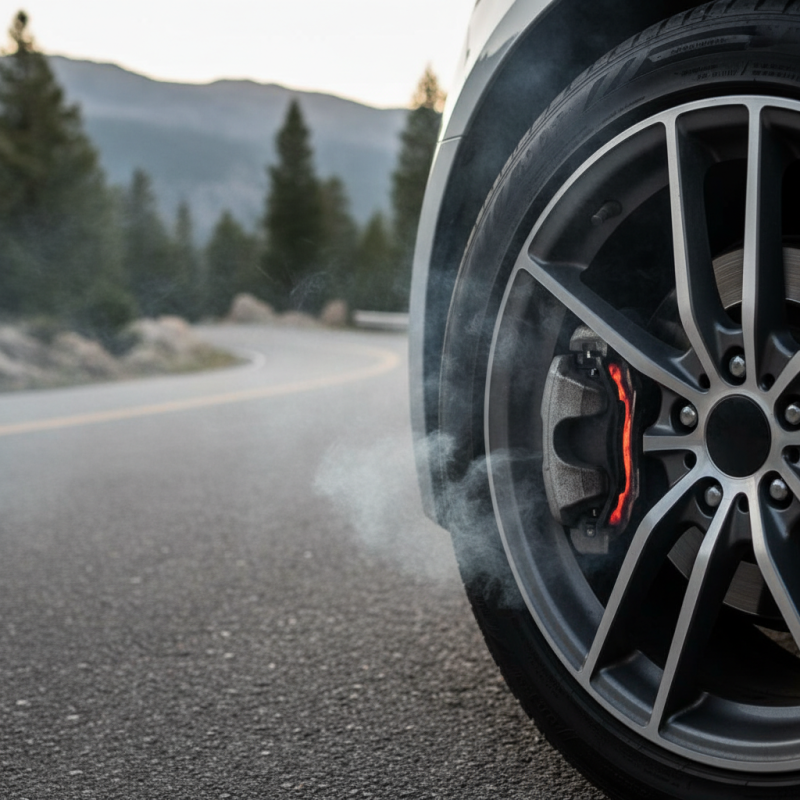
Why Do Brakes Smoke After Heavy Braking Explained

Understanding Brake Temperature and Its Effects

Brake temperature greatly influences performance and safety. When brakes are applied heavily, they can generate excessive heat. This heat can cause brake pads and rotors to exceed optimal operating temperatures. According to industry reports, temperatures can reach over 1,500°F in extreme situations. This elevated heat is often what leads to smoke during heavy braking.

Understanding the heat generated during braking is crucial. The friction between brake pads and rotors produces thermal energy. When this energy surpasses the material limits, it may result in smoke. Studies show that sustained high temperatures can compromise brake material integrity. Consequently, the brake system may lose effectiveness. Signs of overheating can include squeaking noises and a spongy brake pedal.

However, not all smoke indicates a serious issue. In some cases, it might be a temporary result of braking style or conditions. Drivers should learn to recognize when their braking system is under undue stress. Monitoring brake performance can help prevent more significant problems. It's vital to maintain brake systems and ensure they operate at safe temperatures.

The Process of Heavy Braking and Friction Generation

Heavy braking generates significant friction, leading to smoke and heat. When drivers apply brakes suddenly, the brake pads press firmly against the rotors. This contact creates a considerable amount of friction. According to industry data, this friction can generate temperatures exceeding 500°F (260°C). Such extreme conditions are often a recipe for smoke.

The heat produced during heavy braking affects the brake materials. For instance, brake pads can deteriorate faster due to this intense friction. Some high-performance pads may withstand this heat better, but they too have limits. Research indicates that excessive heat can lead to brake fade. This phenomenon significantly reduces stopping power, creating safety concerns for drivers.

Inexperienced drivers may not realize how much stress heavy braking puts on their vehicles. The resulting smoke can be alarming, signaling that something may be wrong. Regular maintenance and understanding brake performance are crucial for reliability. A study reveals that 35% of drivers skip timely brake inspections, potentially compromising safety. Responsible driving habits and proper brake care are essential for maintaining peak performance.

Common Causes of Brake Smoke After Intense Use

Brake smoke after heavy braking is often alarming for drivers. It can indicate several underlying issues. Understanding these common causes can help in addressing them effectively.

One major reason for brake smoke is overheating. When brakes are applied intensely, the friction builds heat. This heat can cause brake pads to emit smoke, especially if they are worn out or of lower quality. In some cases, moisture on hot brakes can also vaporize, appearing as smoke. Ignoring these signs may lead to further damage.

Another common cause is the failure of brake components, such as calipers or rotors. A sticking caliper can hinder proper braking. This can lead to uneven wear and excessive heat. Similarly, warped rotors can create friction that generates smoke. Regular maintenance and inspections can help catch these issues early. Keeping an eye on the condition of your brakes is crucial, even if it seems tedious.

Why Do Brakes Smoke After Heavy Braking Explained

Cause Description Symptoms Prevention
Overheating Occurs when brakes are used excessively, causing brake pads to reach high temperatures. Burning smell, visible smoke, reduced braking efficiency. Avoid prolonged heavy braking; cool brakes between uses.
Worn Brake Pads Brake pads that are excessively worn can generate heat and smoke during use. Squeaking or grinding noise, increased stopping distance. Regularly check and replace brake pads as needed.
Moisture or Debris Dirt or water can create steam and smoke when brakes are applied. Hissing sound, light smoke, wet conditions. Keep brake components clean and dry.
Brake Caliper Issues Sticking or malfunctioning calipers can cause uneven brake pad wear and excessive friction. Uneven wear on pads, pulling to one side when braking. Inspect calipers regularly and ensure proper operation.
Improper Installation Incorrectly installed brake components can lead to excessive friction and heat. Abnormal wear patterns, noise, smoke during braking. Follow manufacturer guidelines for installation.

Signs and Indicators of Brake Overheating

Braking hard can lead to overheating, a common problem for drivers. When brakes smoke, it's a warning sign that they're working too hard. This can happen during steep descents or emergency stops. The friction between the brake pads and rotors generates heat. If that heat exceeds normal levels, the brakes can smoke.

Drivers should look for specific signs of brake overheating. A burning smell is the first indicator. If you see smoke rising from the wheels, it's time to pull over. Additionally, the brake pedal might feel soft or sponge-like. This suggests that brake fluid is boiling, compromising the system. Listen for unusual sounds like grinding or squeaking, which can signal worn-out brake pads.

Ignoring these signs can lead to serious issues. Overheating brakes can cause damage to the entire braking system. This includes warping rotors and degrading brake fluid. Regular inspections are crucial to maintaining brake health. Drivers often overlook these small indicators, but staying aware can prevent larger problems down the road.

Preventive Measures to Avoid Smoking Brakes

Brakes can smoke after heavy use due to overheating. This is a common issue in high-performance situations, such as racing or extended downhill driving. According to the Society of Automotive Engineers, brakes reach critical temperatures above 1,200 degrees Fahrenheit, leading to brake pad degradation. Once this happens, materials can emit smoke.

To prevent smoking brakes, regular maintenance is crucial. Inspect brake pads and rotors frequently. A worn pad can cause excess heat, leading to more smoke. The National Highway Traffic Safety Administration (NHTSA) suggests that drivers should replace brake components every 20,000 to 70,000 miles, depending on usage and vehicle type. This interval helps maintain optimal performance and safety.

Another key measure involves driving habits. Gradual braking instead of sudden stops reduces heat buildup. Utilizing engine braking on downhill slopes also helps. While it's normal to experience some heat, managing your braking technique is vital for longevity. The simple act of altering your driving style can significantly extend brake life and efficiency.

This bar chart illustrates the frequency of brake smoking incidents related to different levels of braking intensity. As the braking force increases, the frequency of brake smoking rises significantly, highlighting the importance of proper braking techniques and preventive measures to maintain the performance and safety of braking systems.

FAQS

: What happens during heavy braking?

: Heavy braking creates significant friction, generating heat and smoke from brake pads pressing against rotors.

Why does brake smoke occur?

Brake smoke often comes from overheating, worn pads, or moisture vaporizing on hot brakes.

How does heat affect brake materials?

Excessive heat deteriorates brake materials, leading to brake fade which reduces stopping power.

What are common signs of brake issues?

Smoke and unusual sounds indicate potential problems like worn pads or failing components.

How can I prevent brake smoke?

Regular inspections and timely replacement of brake components can help avoid overheating and smoke.

Why is regular brake maintenance important?

Many drivers skip inspections, risking unsafe conditions. Maintenance ensures reliable brake performance.

What driving habits can extend brake life?

Gradual braking and using engine braking on slopes help reduce heat buildup and prolong brake efficiency.

How often should brake components be replaced?

Brake parts should typically be replaced every 20,000 to 70,000 miles, depending on vehicle type and usage.

What might inexperienced drivers overlook?

Inexperienced drivers could underestimate the stress of heavy braking, leading to brake issues over time.

Is some brake heat normal?

Yes, some heat is normal, but managing how you brake is essential for your brakes’ longevity.

Conclusion

When exploring the question of "why do brakes smoke after heavy braking," it is essential to understand the relationship between brake temperature and friction generation. Heavy braking creates significant heat due to friction as brake pads clamp down on the rotors. This process can lead to overheating, causing brake components to emit smoke, which is often a sign of excessive wear or malfunction.

Common causes of brake smoke include prolonged braking, using worn-out brake pads, or inadequate cooling systems. Signs of overheating may present as a burning smell or visible smoke, indicating that immediate attention is required to prevent further damage. To avoid smoking brakes, drivers can implement preventive measures such as ensuring proper maintenance, using high-quality brake components, and allowing brakes to cool between intense use, thereby enhancing safety and performance.

Sienna

Sienna

Sienna is a skilled marketing professional with a deep expertise in our company’s core products and services. With a passion for innovation and detail, she plays a pivotal role in crafting insightful blog posts that not only highlight the unique features of our offerings but also provide valuable......