 WAS Auto
WAS Auto
WAS Auto
In the world of automotive maintenance, understanding the wear patterns of brake pads is crucial. Many drivers notice one brake pad wearing faster than the others. This phenomenon raises the question: why is one brake pad wearing faster than the others? Several factors can contribute to this uneven wear.
Improper installation is a common culprit. If the pads are not evenly aligned, friction can increase on one side. Additionally, issues with the brake caliper can lead to uneven pressure, causing one pad to work harder. Furthermore, driving habits play a significant role. Frequent hard braking can exacerbate wear on specific pads.
Environmental conditions also impact brake pad longevity. Dust, moisture, and road debris can influence wear rates. As we look into these complexities, it becomes clear that addressing why is one brake pad wearing faster than the others is essential. This knowledge not only aids in vehicle safety but promotes informed maintenance decisions.
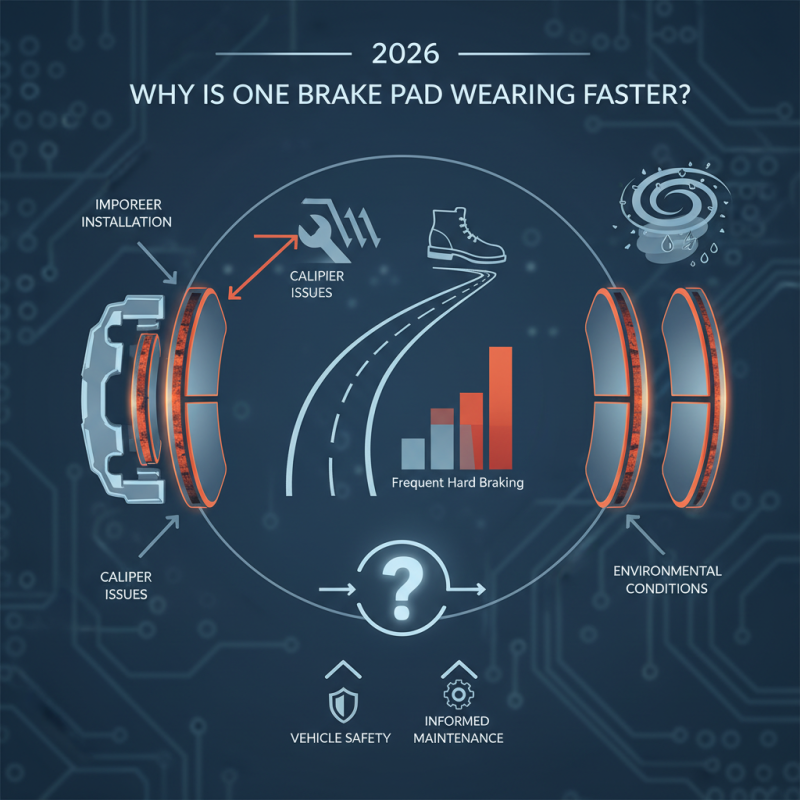
When examining brake systems in 2026, uneven brake pad wear stands out as a critical issue. Various factors contribute to this problem. One primary reason is the alignment of the brake rotors. Misalignment can lead to uneven pressure distribution. This results in some pads making contact more than others, causing accelerated wear.
Another factor is the driving habits of vehicle owners. Aggressive braking or frequent, sudden stops can increase the wear on specific brake pads. Additionally, the weight distribution within the vehicle plays a role. For instance, heavier loads on one side can amplify wear rates on those brake components. The quality of the brake fluid also affects performance. Contaminated or degraded fluid may lead to inconsistent braking and uneven pad usage.
Lastly, environmental conditions shouldn't be overlooked. Factors like road debris or harsh weather can affect how brake pads wear. Maintaining brakes may seem straightforward. Yet, this complexity highlights the need for regular checks by professionals. Understanding these nuances is vital for ensuring a safer driving experience.
| Factor | Description | Impact on Wear |
|---|---|---|
| Driver Behavior | Aggressive driving such as hard braking and rapid acceleration. | Increases wear on specific pads, leading to uneven wear patterns. |
| Brake Pad Material | Different materials have varying hardness and friction properties. | Can contribute to faster wear on certain pads depending on compatibility with rotors. |
| Caliper Issues | Sticking or unevenly operating brake calipers cause improper pad contact. | Leads to excessive wear on affected pads compared to the others. |
| Wheel Alignment | Improper alignment affects tire and brake pad contact with the rotor. | Causes uneven pressure on the pads, leading to uneven wear rates. |
| Environmental Factors | Road conditions, weather, and debris can impact braking performance. | May contribute to uneven wear dependent on driving conditions. |
: The material composition greatly influences brake pad longevity. Organic pads wear out faster than ceramic options.
Organic pads use softer materials, offering better braking performance but lower durability compared to ceramics.
Misaligned calipers create uneven pressure, leading to faster wear on some brake pads up to 40% more.
Experts suggest inspecting caliper alignment every 30,000 miles or during routine brake service.
Advanced ceramic composites offer thermal stability, durability, and lower noise, improving overall brake performance.
Many consumers prefer sustainable materials, but some find these options may not last as long as traditional pads.
Heavier vehicles, like electric ones, can strain brake systems, leading to faster pad wear.
Signs include increased noise, vibration, or pulling to one side during braking, which shouldn’t be ignored.
Regular inspections can catch issues early, allowing for adjustments to prevent uneven wear and enhance safety.
Look for materials that match vehicle specifications, driving habits, and intended use for optimal performance and safety.
The question of "why is one brake pad wearing faster than the others" can be attributed to several factors that influence uneven brake pad wear in automotive systems. Key contributors include the material composition of the brake pads, which directly impacts their longevity, and caliper alignment, a critical aspect that ensures balanced pressure across the braking system. Misalignment can lead to increased wear on one pad compared to others.
Additionally, driving habits play a significant role in brake pad performance, as aggressive driving or frequent hard braking can accelerate wear rates. As we move into 2026, market trends indicate a focus on innovations in brake pad technology that aim to enhance durability and performance, potentially addressing these uneven wear issues. Understanding these factors can help drivers and automotive professionals mitigate the commonly faced problem of uneven brake pad wear.
