WAS Auto
Bleeding your brakes is a crucial skill for safe driving. Knowing how to bleed brakes by yourself can save money and ensure your vehicle is in top condition. Air in the brake lines can reduce braking efficiency and increase stopping distance, which can lead to dangerous situations.
Many drivers underestimate the importance of proper brake maintenance. A simple brake bleed can significantly enhance your vehicle's performance. It involves removing air bubbles from your brake lines, which improves fluid pressure. This process may seem daunting at first, but with careful execution, it is achievable.
It’s essential to gather the right tools and follow a methodical approach. Mistakes can happen; they might lead to inconsistent brake response. Take your time and don’t rush. Reflect on each step you complete, ensuring everything is done correctly before hitting the road. Your safety relies on your brakes; mastering this skill can empower you as a driver.
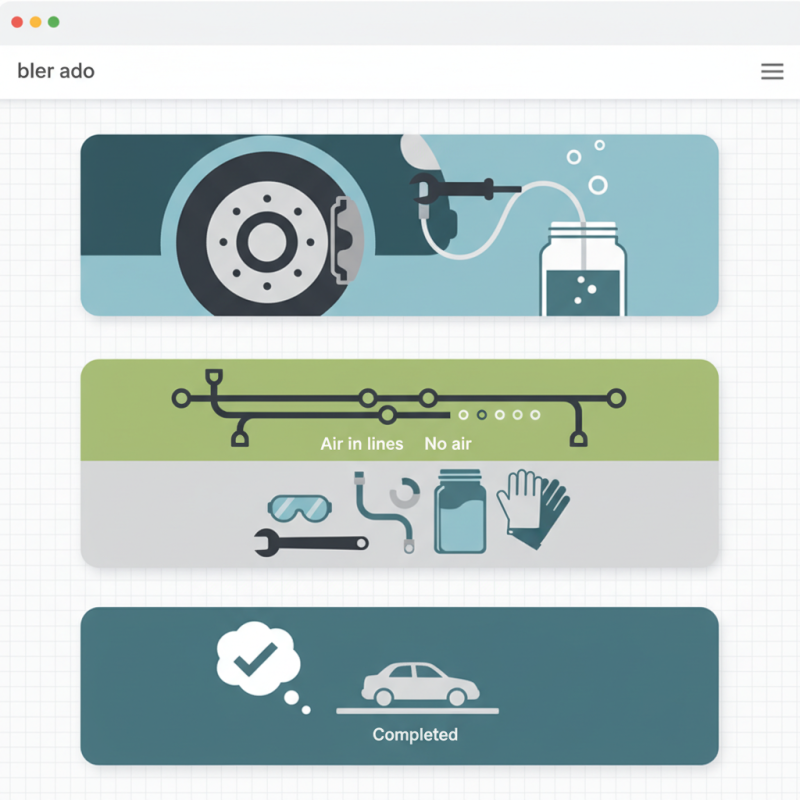
Brake bleeding is a crucial maintenance task that can significantly enhance vehicle safety. Studies indicate that nearly 23% of road accidents result from brake failure, stemming from air in the brake lines. This air can reduce braking efficiency, making it vital to ensure a firm and responsive brake pedal. Whether novice or experienced, understanding how to bleed brakes can empower car owners to take proactive measures for their safety.
Air bubbles trapped in the brake system can lead to a spongy pedal feel. According to experts, proper brake function relies on hydraulic pressure, which diminishes with air in the lines. Regularly bleeding brakes can eliminate these trapped air pockets. This process is often underestimated but is a key aspect of vehicle maintenance. When you develop the habit of checking your brake system, you contribute to safer driving conditions.
While it may seem like a simple aspect, many overlook it. In fact, research reveals that 40% of drivers neglect routine brake maintenance. The consequences can be dire. A brake system in optimal condition cannot only save lives but also enhance overall vehicle performance. Keeping brakes in check requires more than awareness; it demands action. Engaging in brake bleeding fosters confidence in your vehicle’s stopping power.
| Step | Description | Tools Required | Time Required |
|---|---|---|---|
| 1 | Gather your tools and prepare the workspace. | Wrench, Brake fluid, Hose, Container | 10 minutes |
| 2 | Locate the brake bleeder valve on the brake caliper. | N/A | 5 minutes |
| 3 | Attach the hose to the bleeder valve. | Hose, Container | 5 minutes |
| 4 | Open the valve and pump the brake pedal to release air. | N/A | 10 minutes |
| 5 | Close the valve and check the brake fluid level. | N/A | 5 minutes |
| 6 | Repeat for all brakes and test the brakes. | N/A | 15 minutes |
When bleeding brakes at home, having the right tools is crucial. Start with a brake bleeder kit, which often includes a one-way valve and tubing. This tool ensures that air doesn’t re-enter the system. You will also need a wrench to open the brake bleeder screws. A standard socket set might be handy here. Remember, safety glasses are essential to protect your eyes from any fluid splashes.
Next, gather brake fluid that meets your vehicle's specifications. It’s best to check your owner’s manual for the right type. A clean container is also needed to collect the old fluid. This process can be messy, so having rags nearby is a good idea. Some people overlook this detail and end up with a dirty workspace. Avoid using old, contaminated fluids. They can ruin your brake system and compromise safety.
As you prepare to bleed the brakes, ensure your vehicle is stable. Use wheel chocks and a jack if needed. If you skip these safety measures, you risk accidents during the process. It’s advisable to have a second person assist you. However, if you're alone, assess your surroundings carefully. Working alone has its challenges and can lead to mistakes if you're not focused. Each step requires attention, ensuring you maintain your brakes effectively.
Bleeding brakes is essential for maintaining a safe driving experience. It’s crucial to remove air from the brake lines to ensure proper braking performance. This guide will help you navigate the process on your own.
Start by gathering the necessary tools: a brake bleeder kit, a wrench, and a container for old brake fluid. Wear gloves and eye protection. The first step is to locate the brake bleeder valves on each brake caliper. Keep in mind that contamination can lead to problems. Make sure your work area is clean.
Next, begin with the brake furthest from the master cylinder. Loosen the valve slightly with your wrench. Pump the brake pedal a few times. You will notice old brake fluid mixed with air bubbles. Ensure you keep an eye on the brake fluid reservoir. It must remain filled to avoid drawing more air into the system. It may require several attempts to achieve clear fluid. Each step gives you a better understanding of your vehicle’s braking system. Mistakes can happen, so don’t rush. Take your time to ensure everything is done correctly.
Bleeding brakes is crucial for safe driving. However, many people make common mistakes that can undermine their efforts. One frequent error is not using the correct brake fluid. Each vehicle requires specific fluid types. Using the wrong fluid can damage the braking system and lead to leaks. Always check your vehicle's manual for the right type before starting.
Another common misstep is neglecting to properly secure the bleeder valve. If not tightened correctly, air can re-enter the lines. This mistake can lead to a spongy brake feel, making your brakes ineffective. Ensuring that you have a snug fit is essential for maintaining system integrity. Additionally, bleeding brakes can be a messy process. Using a clear tube attached to the bleeder valve helps track fluid flow, minimizing the chance of spills.
Lastly, skipping steps in the bleeding sequence can cause lingering air pockets. Each wheel must be done in the correct order for optimal results. Rushing through this process might seem efficient, but it often leads to recurring issues. Reflecting on the methods used is essential for enhancing your skills. Making these small adjustments ensures safer and more reliable braking performance.
When it comes to vehicle maintenance, the importance of brake performance cannot be overstated. The National Highway Traffic Safety Administration (NHTSA) states that nearly 23% of all crashes involve brake failure. Recognizing the signs your brakes need bleeding is crucial for safety. Common indicators include a spongy brake pedal, which suggests air is trapped in the brake lines. If your brakes feel less responsive or require more pressure to function, it’s time to check them.
Another sign is the presence of a brake warning light on your dashboard. According to the Brake Manufacturers Council, approximately 70% of vehicle owners neglect to address issues indicated by these alerts. You might also notice unusual noises, like grinding or squeaking, when applying the brakes. Such sounds can signal that your brake fluid is contaminated or that components are deteriorating. Ignoring these signs can lead to reduced braking efficiency, increasing the risk of accidents.
Regularly checking your brake fluid level is essential. If it’s low, you may also find it necessary to inspect your brake lines for leaks. A transparent or dirty fluid can indicate the need for bleeding. Remember, these tasks may seem simple but they require careful attention. Even experienced drivers can overlook signs of brake issues. Regular maintenance is vital for not just your safety, but also for the safety of others on the road.
: Brake bleeding is the process of removing air from brake lines to improve braking efficiency.
It enhances vehicle safety and can prevent brake failure, which causes many road accidents.
Routine checks are essential. Neglecting this can lead to serious safety concerns.
Signs include a spongy pedal feel, warning lights, or unusual noises when braking.
Yes, regularly inspecting brake fluid levels is important for safe driving.
Ignoring signs can reduce braking efficiency and increase accident risks.
Air reduces hydraulic pressure, making it harder to stop the vehicle quickly.
Low fluid can indicate leaks and necessitates immediate inspection and bleeding.
No, studies show that a significant percentage neglect brake maintenance altogether.
No, all car owners should understand and perform regular brake checks for safety.
Understanding how to bleed brakes by yourself is crucial for maintaining safe driving conditions. Brake bleeding removes trapped air from the brake lines, ensuring that your brakes engage correctly and respond promptly. To tackle this task at home, you'll need specific tools and materials, including a brake bleeder kit, wrenches, and a container for old brake fluid. Following a step-by-step guide will help you effectively bleed your brakes, but it’s essential to be aware of common mistakes that can occur during the process, such as not tightening the bleeder screw properly or allowing the brake fluid reservoir to run dry.
Furthermore, recognizing signs that indicate your brakes need bleeding, such as a spongy brake pedal or reduced braking efficiency, is vital for your safety. By mastering how to bleed brakes by yourself, you can ensure your vehicle remains in optimal condition and ready for the road.
