 WAS Auto
WAS Auto
WAS Auto
Brake dust is a common issue for car owners with alloy wheels. It not only affects the vehicle's appearance but can also lead to lasting damage. Studies suggest that regular cleaning can extend the life of your wheels. According to a recent report by the Car Care Council, neglecting brake dust can reduce the lifespan of alloy wheels by up to 30%. This statistic highlights the importance of knowing how to clean brake dust off alloy wheels effectively.
Many car enthusiasts wonder about the best practices to maintain their wheels. Professional detailers often recommend using specialized cleaners and tools designed for alloy surfaces. The right products can break down stubborn dust without causing harm. However, common household cleaners can be overly harsh and may lead to unsightly scratches. It's crucial to choose the right method to avoid these pitfalls.
While the internet is filled with cleaning tips, not all are effective or safe. Some methods may seem effective but can cause damage in the long run. Experimenting with different techniques may reveal the best fit for your wheels. A consistent cleaning routine can enhance the look of your car. At the same time, it can save you money on repairs. Understanding the nuances of vehicle maintenance is essential for every car owner.
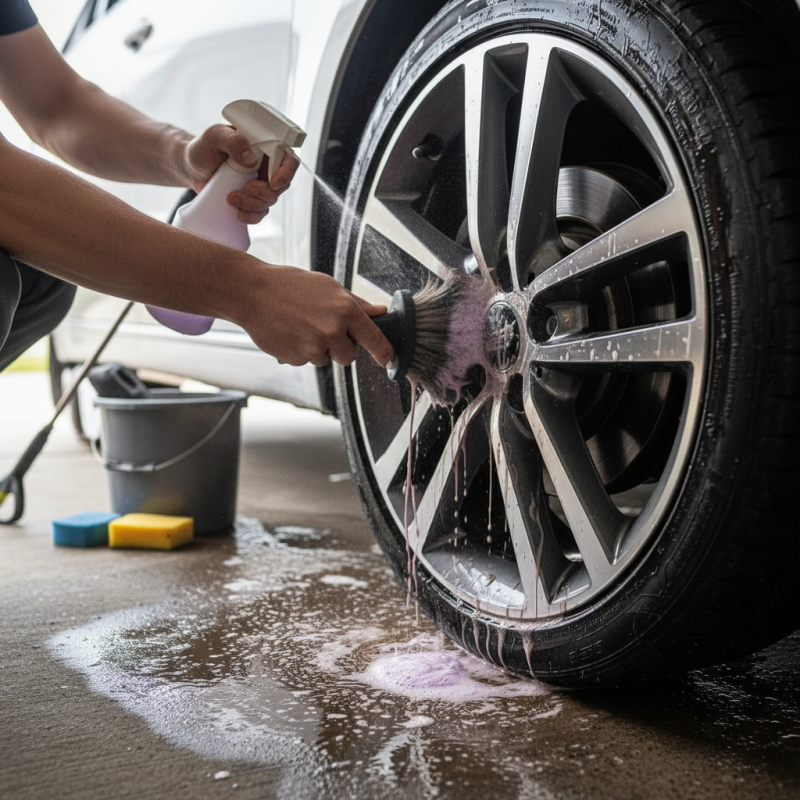
Brake dust is a common issue for alloy wheel owners. It consists mainly of fine particles released from brake pads during braking. This dust not only dulls the shine of your wheels but can also lead to corrosion over time. The metallic content in brake dust can create a gritty residue. If left unattended, it can scrape against the surface of the wheels.
Understanding the impact of brake dust is crucial for maintaining your alloy wheels. Regular cleaning is necessary to prevent long-term damage. When brake dust accumulates, it can bond with the wheel's surface, making it harder to remove. It’s essential to use proper cleaning techniques and tools. Rushing through the cleaning process can cause scratches. It's better to take your time and ensure a thorough clean.
Moreover, not all cleaning products are suitable for alloy wheels. Choosing the wrong one can lead to chemical damage. Always read labels and select non-corrosive cleaners. Reflecting on past experiences, some may have learned the hard way. Proper care and attention can extend the life and beauty of your wheels. Regular maintenance is an investment worth making.
: Cleaning brake dust maintains both the appearance and longevity of alloy wheels.
A good quality wheel brush and microfiber cloths are essential tools for effective cleaning.
Look for pH-balanced cleaners. Always check compatibility with your wheel type before applying any product.
Wearing safety goggles and gloves is important to protect against strong chemicals during cleaning.
Regular cleaning every couple of weeks is recommended to prevent brake dust and grime buildup.
Applying a protective sealant after cleaning creates a barrier against dust and makes future cleanings easier.
Inspect your wheels regularly for signs of damage. Address minor scratches early to prevent bigger problems.
Yes, proper maintenance can extend the lifespan of alloy wheels by up to 50%, preventing corrosion.
Use gentle, circular motions when cleaning to prevent surface scratches.
Rotating your wheels periodically can help ensure even wear and minimize future issues.
Cleaning brake dust off alloy wheels is an essential maintenance task for vehicle owners looking to preserve their wheels' appearance and longevity. Understanding brake dust and its impact on alloy wheels is crucial, as this residue can cause corrosion and damage if not managed properly. To effectively clean brake dust, essential tools and products, such as wheel cleaners and soft brushes, are necessary.
The step-by-step process for effective brake dust removal includes applying the cleaner, agitating the surface, and rinsing thoroughly. Furthermore, implementing preventative measures can minimize future brake dust accumulation, such as regular cleaning and protecting the wheels with sealants. Lastly, after cleaning, maintaining alloy wheels through periodic inspections and care helps keep them in pristine condition. This comprehensive approach provides vehicle owners with the best strategies on how to clean brake dust off alloy wheels effectively.
